

How can global energy security be secured amidst volatile oil prices?
In March 2026, the global energy market experienced an epic upheaval: Brent crude oil fluctuated wildly between $108 and $116 per barrel, while WTI crude oil broke through the $100 mark, with a cumulative increase of over 50% compared to before the conflict. Escalating geopolitical conflicts in the Middle East and disruptions to shipping in the Strait of Hormuz led to a sharp drop of 8 million barrels in global daily oil supply, plunging approximately 7.5% of the oil supply into crisis. From rising living costs to pressure on industrial supply chains, from the dilemma of central bank monetary policy to intensified geopolitical competition, oil price volatility has escalated from a market event to a global energy security issue. This crisis not only exposed the fragility of traditional energy supply chains but also made "energy self-sufficiency, diversified supply, and green transformation" a global consensus, launching a full-scale energy security battle concerning national strategies and the future of industries.
Triple risks combined have plunged the energy market into "super volatility".
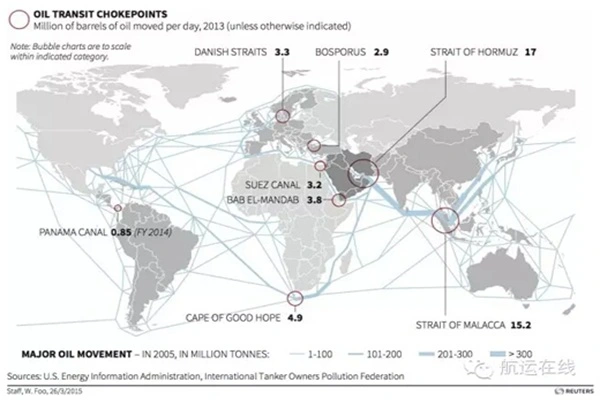
The Middle East, as the world's core oil-producing region, supplies over 30% of global crude oil. The Strait of Hormuz is a vital energy lifeline, handling approximately 20% of global seaborne crude oil trade, with an average daily transport of nearly 20 million barrels. In mid-March 2026, the military conflict between the US, Israel, and Iran escalated, with Iran blocking the Strait of Hormuz. Traffic in the strait plummeted to less than 5% of normal levels, leaving over 3,000 oil tankers stranded in the Persian Gulf. Tankers were forced to detour around the Cape of Good Hope, extending their voyages by 40%, causing shipping costs to surge by 250%-500%, and war risk insurance rates for ships to skyrocket 60 times.
Supply continued to tighten: Gulf states, facing export disruptions and saturated storage facilities, were forced to cut production by over 10 million barrels per day. Global oil supply in March decreased by an average of 8 million barrels per day, falling to approximately 98.8 million barrels per day, the lowest level since 2022. While OPEC+ maintained its production cut plan, increased production from non-OPEC countries was insufficient to fill the core gap. The IEA halved its 2026 global oil supply growth forecast from 2.4 million barrels per day to 1.1 million barrels per day. Market panic intensified, embedding an 8-10 USD/barrel geopolitical risk premium into oil prices. Even with expectations of easing tensions, this premium has not completely subsided.
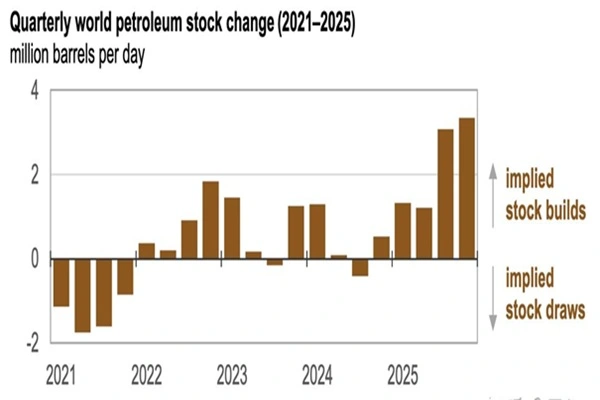
In the short term, global crude oil inventories are low, with OECD commercial inventories below the five-year average by 5%, leaving the market lacking sufficient buffers to withstand supply risks. On the demand side, aviation, chemicals, and emerging markets continue to support crude oil demand, while the electrification of the transportation sector has not yet fully offset traditional oil demand, resulting in a tight supply-demand balance.
In the long term, the global energy transition faces a critical gap: high reliance on traditional energy sources and insufficient new energy capacity. IEA data shows that in 2026, the global daily crude oil deficit will average 1.5 million barrels, and the natural gas deficit will reach a near-decade peak. Simultaneously, there is a mismatch between refining capacity and crude oil quality, with insufficient supply of light, low-sulfur crude oil and an increasing proportion of heavy, high-sulfur crude oil, further exacerbating market volatility.
International crude oil is priced in US dollars. Since 2026, the US dollar has been relatively weak, coupled with rising expectations of global interest rate cuts, significantly reducing the cost of holding crude oil. This has attracted hedge funds, institutional investors, and other financial capital to significantly increase their long positions in crude oil futures. The continuous influx of speculative funds has further amplified the upward momentum of oil prices, leading to extreme sentiment in the market of "buying high and selling low," and exacerbating the volatility of oil prices.
From people's livelihoods to industries, the global economy faces multiple challenges.
Rising oil prices have directly fueled imported inflation globally, forcing central banks worldwide to grapple with the dilemma of "fighting inflation" versus "stabilizing growth." Domestic refined oil prices in China have seen multiple rounds of intensive increases, with gasoline and diesel prices accumulating to over 1,000 yuan per ton, making the cost of filling a 50-liter tank nearly 50 yuan higher than at the beginning of the year. Logistics, agricultural production, and residents' travel costs have all risen simultaneously, leading to a rebound in global inflation expectations, with some countries' CPI exceeding the 3% warning line.
High oil prices have increased costs for downstream industries such as chemicals, plastics, and textiles, squeezing corporate profits and putting some small and medium-sized enterprises (SMEs) at risk of survival. The global manufacturing supply chain is undergoing rapid restructuring, with industries reliant on Middle Eastern crude oil urgently seeking alternative supply sources, and energy cost advantages becoming a crucial consideration for industrial relocation. Simultaneously, the new energy industry is experiencing development opportunities, with accelerated investment in photovoltaics, wind power, energy storage, and electric vehicles, further deepening the competition and integration between traditional and new energy sources.
Volatility in oil prices has intensified global geopolitical competition, making energy a key bargaining chip in great power rivalry. Major energy-producing countries such as the United States, Saudi Arabia, and Russia are accelerating the adjustment of their energy strategies to vie for dominance in the global energy market. Europe is accelerating its efforts to reduce its dependence on Russian natural gas and is expanding its supply channels to North America, the Middle East, and North Africa. China is also accelerating the diversification of its energy imports, enhancing its energy reserves, and vigorously developing new energy sources to reduce its reliance on traditional fossil fuels. The global energy landscape is rapidly shifting from a "single dependence" to a "diversified supply," and regional energy cooperation is deepening.
The way to break the deadlock: Multi-party collaboration to build a solid global energy security defense line
1. Short-Term Contingency: Releasing Reserves, Ensuring Supply Chains, and Stabilizing the Market
The International Energy Agency (IEA) coordinated with its 32 member countries to release a total of 400 million barrels of strategic petroleum reserves, alleviating short-term supply shortages. Countries accelerated the diversification of energy transportation routes; Saudi Arabia's 25 oil tankers bypassed the Strait of Hormuz and used the Red Sea route, quickly bringing 50 million barrels of crude oil to port. Simultaneously, energy market regulation was strengthened to combat speculation and stabilize market expectations.
2. Medium-Term Adjustment: Diversified Supply, Risk Mitigation, and Enhanced Resilience
Global countries accelerated the diversification of energy imports, moving away from "single dependence" and building a "networked" energy structure. Europe expanded its natural gas supply channels to North America, the Middle East, and North Africa, while Asian countries increased crude oil imports from Russia, Brazil, Guyana, and other countries. At the same time, domestic energy production capacity was increased, oil and gas exploration and development were intensified, and energy self-sufficiency was improved. Furthermore, energy infrastructure construction was strengthened, energy storage capacity was enhanced, and the resilience of energy systems was strengthened.
3. Long-Term Transformation: Green Development, Technological Innovation, and Energy Self-Reliance
A growing number of countries recognize that developing renewable energy and transforming their energy structures are the fundamental solutions to ensuring energy security. China has built the world's largest renewable energy system and is vigorously promoting electric vehicles, directly reducing demand for refined oil products through transportation electrification. The EU has proposed a multi-billion euro grid upgrade plan to address bottlenecks in green electricity consumption and is collaborating with neighboring North Sea countries to plan large-scale offshore wind power bases. Southeast Asian countries consider accelerating their renewable energy transition an "urgent and practical necessity."
Simultaneously, it is crucial to accelerate energy technology innovation, break through key technological bottlenecks in energy storage, hydrogen energy, and carbon capture, and improve renewable energy consumption and storage capabilities. Strengthening international energy cooperation and building an open, inclusive, and mutually beneficial global energy governance system are essential to jointly address energy security challenges.
Conclusion
The dramatic fluctuations in oil prices have not only exposed the vulnerabilities of the global energy market but also presented a crucial opportunity for energy security to become a global consensus. From short-term measures like releasing reserves and ensuring smooth supply chains, to medium-term measures like diversifying supply and mitigating risks, and further to long-term green transformation and technological innovation, the global energy security battle is a multi-pronged endurance race. There is no one-size-fits-all solution, but every adjustment contributes to building a more resilient energy future. In the future, with the accelerated transformation of the global energy structure, continuous breakthroughs in energy technologies, and deepening international cooperation, a safer, more stable, and sustainable new global energy order will ultimately emerge.
Disclaimer: The information published on this website is sourced from the internet and does not represent the views of this website, nor does it guarantee the accuracy of its content. Please be aware of the distinction. Furthermore, the products provided by our company are for scientific research purposes only. We are not responsible for any consequences arising from improper use. If you are interested in our products, have any criticisms or suggestions regarding our articles, or are not completely satisfied with the products you received, please contact us by email: allen@faithfulbio.com; our team is dedicated to ensuring complete customer satisfaction.