

International oil prices fell sharply, with US crude oil dropping below $96 per barrel.
On May 6, 2026, the global energy market experienced a dramatic shock, with international oil prices plummeting, marking the largest single-day drop this year. The price of West Texas Intermediate (WTI) crude oil futures for June delivery on the New York Mercantile Exchange hit a low of $93.10 per barrel during the session, closing at $95.08 per barrel, a drop of 7.0%, officially breaking below the key $96 per barrel mark. London Brent crude oil futures for July delivery also suffered a sharp decline, closing at $101.27 per barrel, a drop of 7.8%, briefly falling below the $100 mark. This sharp drop in oil prices was not a random fluctuation, but rather the result of a complex interplay of factors, including the easing of geopolitical risks in the Middle East, a reversal in the global oil supply and demand landscape, accelerated energy transition, and a concentrated release of market sentiment. As a "barometer" of the global economy, the sharp drop in oil prices has quickly triggered a chain reaction: inflationary pressures have eased and industrial costs have decreased in oil-importing countries, while fiscal revenues in exporting countries have been put under pressure and their economies have faced challenges. The global capital market and energy industry landscape have been reshaped simultaneously.
Multiple negative factors combined to trigger a precipitous drop in oil prices.
The recent sharp drop in international oil prices is the result of a combination of short-term triggers and long-term structural factors. The fading of geopolitical risk premiums, the reversal of supply and demand, and the shift in market expectations have created "triple pressure," pushing oil prices back to a rational range quickly.
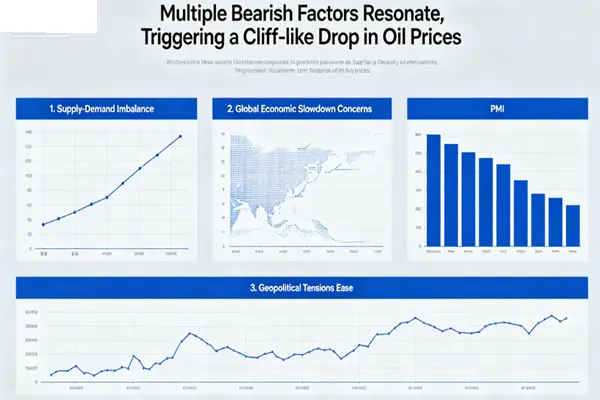
(1) Geopolitical risks in the Middle East have plummeted, and risk premiums have been cleared up rapidly.
The easing of geopolitical tensions in the Middle East was the direct trigger for the recent oil price drop. Since 2026, the escalating conflict between the US and Iran has disrupted shipping in the Strait of Hormuz. As a crucial passage carrying approximately 20% of the world's seaborne crude oil, the restricted passage triggered market panic about supply disruptions, pushing oil prices up by about 20% due to geopolitical risk premiums. On May 6, the market saw a breakthrough when US officials revealed that the US and Iran were very close to reaching a one-page ceasefire memorandum of understanding, with Iran pledging to restore freedom of navigation in the Strait of Hormuz. On the same day, US Defense Secretary Hergsays publicly stated that the US military's "Freedom of Navigation Program" in the Strait of Hormuz was a temporary defensive mission, not seeking to initiate combat, and that the program would be suspended in the short term. This series of signals completely reversed market expectations. The risk premium previously driven by war concerns quickly subsided, and speculative funds withdrew from the crude oil futures market, directly triggering a sharp drop in oil prices.
(2) The supply and demand pattern has reversed, with ample supply coupled with weak demand.
The shift in the global crude oil supply-demand relationship from a "tight balance" to a "loose surplus" is the core fundamental support for the decline in oil prices. On the supply side, the OPEC+ production cuts to maintain prices have loosened, with the UAE officially withdrawing from OPEC+ on May 1st. Its more than 1.5 million barrels per day of spare capacity awaits release, coupled with the OPEC+ seven countries announcing a daily production increase of 188,000 barrels starting in June, leading to a significant easing of market supply expectations. Meanwhile, the accelerated recovery of US shale oil production has further exacerbated the oversupply pressure. On the demand side, the global economic recovery is slowing. The International Energy Agency (IEA) warned in its April report that global crude oil demand is expected to decrease by 80,000 barrels per day year-on-year in 2026, the first annual contraction since the COVID-19 pandemic in 2020. High oil prices have long suppressed consumption, with US fuel consumption declining year-on-year, and naphtha and jet fuel demand in the Asia-Pacific region plummeting. Coupled with a decline in global manufacturing activity, the weak demand for crude oil continues to intensify, highlighting the comprehensive pressure of the supply-demand imbalance.
(3) Accelerated Energy Transition and Weakened Long-Term Demand Expectations
The global energy transition is accelerating, and the substitution effect of renewable energy is becoming apparent, weakening long-term expectations for crude oil demand and indirectly suppressing the upside potential of oil prices. In recent years, countries have accelerated their carbon neutrality goals, the penetration rate of electric vehicles has continued to increase, and consumers are shifting towards public transportation and new energy vehicles, reducing traditional fuel consumption. At the same time, the use of alternative energy sources such as natural gas and hydrogen is expanding, and the diversification trend of the energy structure in the industrial sector is obvious, reducing dependence on crude oil. Furthermore, high oil prices are forcing an accelerated energy transition, with countries increasing investment in energy-saving technologies and new energy industries. Long-term crude oil demand growth is limited, and market confidence in sustained high oil prices is insufficient, becoming a significant hidden driver of this oil price decline.
(4) Excessive Price Increases in the Early Stages Leading to Concentrated Profit-Taking
Since 2026, influenced by factors such as Middle East geopolitical conflicts and OPEC+ production cuts, international oil prices have continued to rise. WTI crude oil rose from around $70 per barrel at the beginning of the year to around $110 per barrel at the end of April, a cumulative increase of over 50%, reaching a near two-year high. The sustained rise in oil prices accumulated a large amount of profit-taking, exacerbating market concerns about high oil prices. After the easing of Middle East geopolitical tensions and the release of negative signals regarding supply and demand, market sentiment quickly shifted. Speculative funds withdrew from crude oil futures on a large scale, and concentrated profit-taking further amplified the decline in oil prices, forming a negative cycle of "decline – sell-off – further decline".
The plunge in oil prices has reshaped the global landscape, with varying economic outcomes across countries.
For economies heavily reliant on crude oil imports, such as China, the EU, and India, the sharp drop in oil prices is undoubtedly a timely relief from inflationary pressures and a boost to economic growth. As the world's largest crude oil importer, China relies on imports for over 70% of its oil. Lower oil prices directly reduce energy costs for industrial enterprises, while reducing raw material prices for downstream industries such as chemicals, logistics, plastics, and synthetic fibers, thus expanding profit margins. Data shows that for every 10% drop in oil prices, China's PPI can fall by approximately 0.32 percentage points, effectively alleviating cost pressures on the manufacturing sector and providing room for a prudent and slightly loose monetary policy. The EU relies on imports for 57.3% of its energy. In March, the Eurozone's inflation rate rose to 2.6%, with energy prices being a major driver. Lower oil prices reduce energy import costs, mitigating the risk of stagflation, allowing the European Central Bank to maintain stable interest rates and support economic recovery. India, which relies on imports for over 70% of its crude oil, had previously faced pressure from high oil prices that forced its central bank to consider raising interest rates. The sharp drop in oil prices has reduced imported inflationary pressures and weakened expectations of interest rate hikes, creating conditions for interest rate cuts to support economic growth. Furthermore, lower travel costs for residents in importing countries and declining gasoline and diesel prices indirectly boosted consumer spending and drove the recovery of the domestic market.
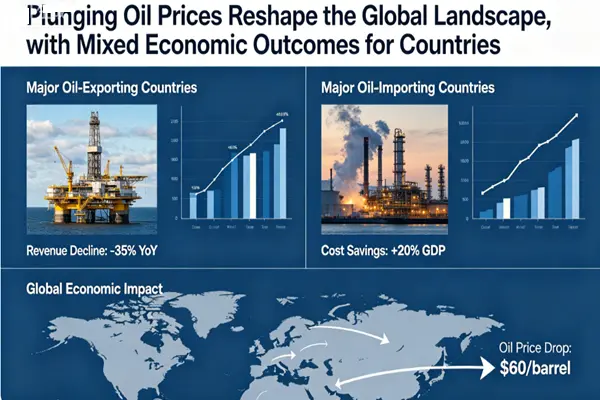
In stark contrast to importing countries, oil-exporting nations such as Saudi Arabia, Russia, and the UAE faced the dual pressures of sharply reduced fiscal revenue and slowing economic growth due to the plunge in oil prices. Saudi Arabia's fiscal break-even point was as high as $90 per barrel; after Brent crude fell below $100 per barrel, oil revenue decreased significantly, directly impacting the progress of large-scale infrastructure projects such as the "New Future City," and putting pressure on its fiscal budget. As a major energy exporter, Russia's fiscal revenue is over 40% from oil and natural gas exports. The drop in oil prices led to reduced foreign exchange earnings, putting pressure on its currency exchange rate and constraining government investment in people's livelihoods and industry, resulting in insufficient economic growth momentum. Although the UAE withdrew from OPEC+ and planned to increase production, the sharp drop in oil prices offset the benefits of increased production, shrinking its fiscal surplus and hindering its economic diversification process. In addition, small and medium-sized oil-producing countries have a single economic structure and are highly dependent on oil exports. The sharp drop in oil prices could lead to increased fiscal deficits, rising debt risks, and even socio-economic instability. The sharp drop in oil prices has reshaped the global industrial cost structure, resulting in a stark contrast between different sectors. Energy-intensive downstream industries are experiencing significant benefits: Aviation, where fuel costs account for approximately 30% of costs, is directly alleviated by the price drop, and routes previously cut due to high oil prices are expected to resume, improving profit expectations. Logistics and shipping industries are also seeing lower fuel costs and reduced transportation expenses, enhancing their competitiveness. Chemicals, synthetic fibers, and plastics industries are experiencing lower raw material costs, allowing for greater room for price reductions and potentially boosting market demand. Conversely, energy extraction and upstream industries are being impacted: oil and gas extraction companies are seeing reduced revenue and declining profits, with shale oil companies experiencing a single-day market capitalization loss of over 15%, and oilfield service companies facing reduced orders and business contraction. Demand for coal and traditional energy alternatives is weak, with prices falling in tandem, putting pressure on industry development. Furthermore, while new energy vehicles and renewable energy industries face short-term competitive pressure from declining traditional fuel prices, the long-term trend of energy transition remains unchanged, and the industry's development prospects remain broad.
The sharp drop in oil prices has triggered a restructuring of global capital markets, cooling inflation expectations, shifting liquidity expectations, and leading to a repricing of asset prices. In the stock market, sector rotation intensified, with sectors benefiting from cost reductions, such as aviation, logistics, and chemicals, rising collectively, while energy sectors like oil and gas extraction and coal suffered significant declines. In the bond market, easing inflationary pressures and rising bets on interest rate cuts by the Federal Reserve and the European Central Bank led to rising bond prices, declining yields, and lower financing costs. In the currency market, the US dollar weakened due to its diminished safe-haven appeal, easing pressure on emerging market currencies such as the euro, renminbi, and Indian rupee, increasing their asset attractiveness. The commodities market showed divergence, with energy prices such as crude oil and coal falling, while gold rebounded due to increased expectations of interest rate cuts, with spot gold breaking through $4,800 per ounce. Industrial metals stabilized and rebounded due to lower manufacturing costs and improved demand expectations.
Short-term fluctuations are unlikely to subside; the long-term trend will be determined by the interplay of supply and demand.
In the short term, oil prices will continue to face multiple uncertainties, likely maintaining a volatile pattern of downward fluctuations followed by slight rebounds. Geopolitically, the US-Iran ceasefire agreement has not yet been finalized, with Goldman Sachs warning of a 55% risk of its collapse. The Middle East conflict remains likely to recur, and shipping through the Strait of Hormuz could be disrupted again at any time, making it difficult to completely eliminate geopolitical risk premiums. On the supply and demand side, while OPEC+ has shown some easing, it still has the willingness to cut production to maintain prices. If oil prices remain low, the possibility of restarting production cuts cannot be ruled out. The growth rate of US shale oil production is limited by costs and policies, limiting the extent of supply easing, and the pressure of supply and demand easing is manageable. Furthermore, the pace of global economic recovery is uncertain. If major economies introduce stimulus policies, oil demand may rebound more than expected, supporting a price rebound; conversely, if economic growth continues to slow, weak demand will further suppress oil prices.
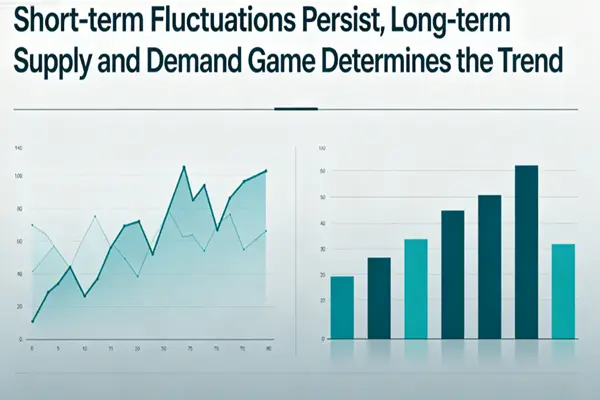
In the long term, the global energy transition will continue, the oil supply and demand pattern will gradually be restructured, and oil prices will move away from their high levels and return to a reasonable range that matches economic growth and energy structure. On the demand side, under the goal of carbon neutrality, the global new energy industry is accelerating its development, with electric vehicles and renewable energy substitution continuing to expand, gradually slowing the growth of crude oil demand, which may enter a peak plateau or even a downward trend in the long term. On the supply side, the ability of OPEC+ production cuts to maintain prices is gradually weakening, while crude oil production in non-OPEC countries such as the United States and Brazil is steadily increasing, continuously improving global crude oil supply capacity and completely breaking the tight supply-demand balance. At the same time, advancements in energy technology are reducing the cost of crude oil extraction and use, and the competitiveness of alternative energy sources is strengthening, further compressing the upside potential of oil prices. In the long term, oil prices are likely to remain within a reasonable range of $60-80 per barrel, with significantly narrowed fluctuations.
As the world's largest crude oil importer, China needs to seize this window of opportunity presented by the sharp drop in oil prices, maximizing benefits and minimizing risks, to promote stable economic growth and accelerate energy transition. In the short term, taking advantage of low oil prices, we should increase strategic crude oil reserves, expand their scale, and enhance energy security; reduce energy costs for industrial enterprises, increase support for manufacturing and SMEs, and boost the vitality of the real economy; stabilize domestic refined oil prices, reduce residents' travel and logistics costs, boost consumer demand, and help domestic demand recover. In the long term, we should adhere to the energy transition strategy, increase investment in new energy and energy-saving technologies, promote energy diversification, and reduce dependence on crude oil; deepen international energy cooperation, expand crude oil import channels, and diversify supply risks; improve the construction of the crude oil futures market, enhance our international oil price pricing power, and strengthen our ability to cope with oil price fluctuations.
Conclusion
The sharp drop in international oil prices, with US crude falling below $96 per barrel, is the result of a complex interplay of multiple factors, including global energy market supply and demand, geopolitics, and energy transition. It represents both a concentrated release of short-term market sentiment and an inevitable manifestation of long-term energy transformation. This oil price plunge has profoundly reshaped the global economic landscape. Oil-importing countries are facing development opportunities due to easing inflation and lower costs, while exporting countries face severe challenges such as fiscal pressure and economic slowdown. Global industries and capital markets are simultaneously undergoing structural adjustments.
Looking ahead, international oil prices are unlikely to return to their previous high levels. In the short term, they will likely fluctuate due to recurring geopolitical conflicts and supply-demand imbalances. In the long term, driven by energy transition, prices will gradually return to a reasonable range. For global economies, it is crucial to address the opportunities and challenges presented by oil price volatility based on their own national circumstances: importing countries should seize the window of opportunity to stabilize growth and promote transformation; exporting countries should accelerate economic diversification reforms to reduce dependence on oil exports; and all countries should strengthen energy cooperation to jointly address energy security and climate change challenges, promoting stable and sustainable development of the global energy market.
This sharp drop in oil prices serves as another warning that the global energy market has entered a period of profound transformation. The dominance of a single energy source is gradually crumbling, and diversification, decarbonization, and security are becoming the mainstream trends in future energy development. Only by adapting to the trends of the times, accelerating energy transition, and optimizing energy structures can countries remain invincible in the global energy revolution and achieve the dual guarantee of economic development and energy security.
Disclaimer: The information published on this website is sourced from the internet and does not represent the views of this website, nor does it guarantee the accuracy of its content. Please be aware of the distinction. Furthermore, the products provided by our company are for scientific research purposes only. We are not responsible for any consequences arising from improper use. If you are interested in our products, have any criticisms or suggestions regarding our articles, or are not completely satisfied with the products you received, please contact us by email: allen@faithfulbio.com; our team is dedicated to ensuring complete customer satisfaction.