

New biomedicine achieves technological breakthroughs
In recent years, the global biopharmaceutical industry has continued to iterate towards precision, personalization, and universal accessibility. Cutting-edge technologies such as gene editing, cell therapy, AI-driven drug development, and novel delivery systems are being implemented, and a number of innovative therapies targeting malignant tumors, rare genetic diseases, and neurodegenerative diseases have made key progress. Recently, several novel biopharmaceutical technologies, developed collaboratively by domestic and international research teams and pharmaceutical companies, have completed preclinical validation and phased clinical trials, breaking through existing technological bottlenecks in core areas such as target identification, drug delivery, and safety control, potentially changing the traditional paradigm of disease diagnosis and treatment. Compared to the shortcomings of traditional chemical drugs, such as long development cycles, weak targeting, and significant side effects, this series of technological breakthroughs takes a fundamental approach to life, relying on interdisciplinary achievements in synthetic biology, spatiotemporal omics, and intelligent molecular design, providing new solutions for many intractable diseases for which there are no effective treatments. Simultaneously, the industry is also promoting process standardization, cost control, and the establishment of a global clinical collaboration system, accelerating the transition of cutting-edge technologies from the laboratory to the clinical ward. The innovation of biomedical technology is not only an important milestone in the field of life sciences, but will also profoundly affect the construction of public health systems, the pattern of medical insurance payments, and global health governance models, injecting core impetus into improving the ability to prevent and treat major human diseases.
Fundamental Technological Innovation Reconstructs the Logic of New Drug Development
Traditional new drug development has long faced the industry pain points of "high investment, long cycle, and low success rate." From target discovery to final market approval, an innovative drug typically takes over ten years and costs over a billion US dollars. The vast majority of candidate molecules fail in clinical trials, with significant resources wasted on trial and error. The core of this round of breakthroughs in new biopharmaceutical technologies lies in fundamentally reshaping the R&D paradigm. The mature application of tools such as AI large-scale models, base editing, and spatiotemporal single-cell omics has shifted drug development from "random screening and trial and error" to "directed rational design," significantly shortening the development cycle and improving the druggability of candidate drugs.
Generative AI biopharmaceutical models can now autonomously design antibodies, peptides, and small molecule drug molecules from scratch based on protein three-dimensional structures and disease omics data, precisely matching the binding sites of disease targets. Unlike previous AI models that only assisted in data statistics, this new generation of multimodal biological large-scale models can predict in vivo metabolic characteristics, immunogenicity, and toxic side effects, eliminating candidate molecules with poor druggability in advance. A dedicated AI-powered nanobody design platform developed by a domestic research team can automatically modify sequences, adapting novel nanobodies to industrial purification and production processes. This has solved long-standing technological challenges hindering the industrialization of nanobodies, resulting in a significant leap in the success rate of related design verification. With AI empowerment, molecular screening work that previously took years can now be completed in weeks, significantly reducing R&D trial-and-error costs. This allows SMEs and startup research teams to participate in innovative drug development, breaking the long-standing monopoly of leading pharmaceutical companies.
The iteration of base editing and precise gene modification technologies has further addressed the safety shortcomings of gene therapy. Early CRISPR gene editing carried the risk of DNA double-strand breaks, easily leading to chromosomal abnormalities and off-target effects, limiting its widespread clinical application in humans. Next-generation base editing technologies do not require cutting the genome double strand and can directly and precisely correct pathogenic single-base mutations, significantly improving safety. Positive progress has already been made in research on single-gene genetic diseases such as β-thalassemia and sickle cell anemia. Unlike traditional gene therapy, which simply supplements normal genes, base editing directly repairs defects in the patient's own genome, theoretically offering a one-time cure and bringing hope to tens of millions of patients with rare genetic diseases.
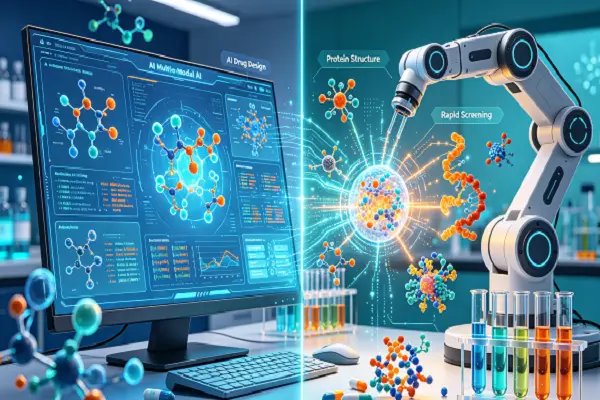
The maturity of spatiotemporal omics technologies has helped researchers gain a new understanding of the microscopic mechanisms of disease. Using spatial transcriptomics and spatial proteomics, researchers can directly observe the gene expression status of every cell within diseased tissue, clarifying the dynamic evolution of the tumor microenvironment, neuroinflammation, and immune disorders, and uncovering previously overlooked novel disease targets. Many refractory tumors and autoimmune diseases have long lacked effective drugs due to unclear targets. The panoramic cellular atlas provided by spatiotemporal omics lays a solid foundation for the development of cell-based drugs and targeted therapies, continuously expanding the boundaries of treatable diseases in biomedicine.
Synthetic biology has also become a crucial pillar of fundamental innovation. Researchers can artificially design and modify cells and microorganisms to enable them to synthesize medicinal proteins and bioactive peptides. Engineered cells can not only serve as "miniature factories" for the efficient preparation of biopharmaceuticals but can also be directly developed into live cell drugs that can target and release therapeutic signals at the lesion. The cross-integration of a series of underlying technologies has jointly built a new-generation biomedical R&D framework, laying a solid foundation for subsequent clinical translation.
Multiple therapies are being implemented, tackling the challenges of treating intractable diseases
Based on the continuous maturation of underlying technologies, a variety of novel biological therapies have entered the clinical validation stage, covering areas that traditional medicine struggles to address, such as malignant tumors, mitochondrial genetic diseases, spinal cord injuries, and neurodegenerative diseases. Some therapies have already demonstrated clinical efficacy superior to existing standard treatments. Cell therapy, organelle therapy, novel bispecific antibody ADC drugs, and targeted nucleic acid drugs constitute the core directions of this round of achievements, specifically addressing clinical pain points in different types of diseases.
Cell therapy technology is no longer limited to mature CAR-T products; the development of next-generation universal, off-the-shelf cell products is accelerating. Traditional autologous CAR-T requires the extraction and modification of the patient's own immune cells, which is time-consuming and expensive. Some critically ill patients cannot wait for the preparation period, and the quality of individual cells varies greatly, leading to unstable treatment effects. Universal allogeneic cell drugs are prepared from healthy donor cells in a standardized manner, allowing for bulk storage and immediate administration, significantly lowering the treatment threshold. Meanwhile, the engineered mesenchymal stem cell platform has achieved tumor biomechanical signal recognition and targeting, establishing a new radiotherapy pathway for refractory tumors such as triple-negative breast cancer and pancreatic cancer that lack specific molecular targets, filling the gaps in the applicability of traditional targeted drugs. The continuous optimization of stem cell-derived functional islet cell products holds the promise of fundamentally changing the current situation of type 1 diabetes patients' lifelong dependence on exogenous insulin injections, avoiding the risk of organ damage caused by long-term blood sugar dysregulation.
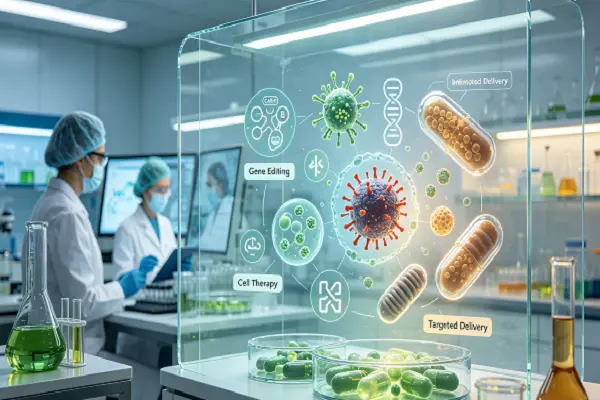
Organic organelle transplantation therapy is a groundbreaking new treatment direction. Mitochondria, as the core of cellular energy, are susceptible to various rare metabolic diseases due to mitochondrial DNA mutations. Mitochondrial damage is also a significant contributing factor to Parkinson's disease, heart failure, and age-related diseases. The research team has innovatively developed a mitochondrial capsule delivery system encapsulated in red blood cell membranes, solving the problem of extremely low delivery efficiency of free mitochondria. This system targets and delivers healthy mitochondria into damaged cells, repairing cellular metabolic function. This technology has successfully improved Parkinson's motor dysfunction and mitochondrial encephalopathy-related symptoms in animal models, and can repair the respiratory chain function of diseased cells in patients, opening up a new track for "organic organelle replacement therapy." Distinguished from gene and cell therapies, it provides a novel solution for a specific type of metabolic disease.
Bispecific antibodies, antibody-drug conjugates (ADCs), and small nucleic acid drugs continue to achieve clinical milestones. The world's first bispecific antibody-ADC drug for non-small cell lung cancer successfully met its primary endpoint in Phase III clinical trials, demonstrating clear survival benefits in lung cancer patients resistant to targeted therapies. Small nucleic acid drugs, with their unique mechanism of silencing pathogenic genes, are accelerating their application in hereditary neurological and cardiovascular diseases, while optimized delivery vectors address the challenges of nucleic acid molecules' easy degradation and difficulty in penetrating tissue barriers. Novel nanomaterials have broken through the blood-brain barrier and tumor tissue barrier, allowing large molecule and nucleic acid drugs that were previously difficult to reach lesions to precisely target the lesion site, reducing the toxic side effects of systemic exposure and significantly expanding the therapeutic window.
A series of innovative therapies are being explored clinically, covering diverse needs from cancer to rare diseases, from metabolic diseases to neurological injuries. Many diseases previously deemed "incurable" now have viable treatment options. Meanwhile, clinical data also shows that novel biological therapies can achieve long-term control or even cure of diseases, which is different from the traditional drug maintenance model. It shifts the treatment concept from "controlling symptoms" to "curing the root cause", profoundly rewriting the clinical treatment standard.
Transformation and Industry Go Hand in Hand: Challenges and Opportunities Coexist
The transformation of cutting-edge biomedical technologies from laboratory findings into widely accessible medicines requires the simultaneous development of an industrialization system, supporting regulatory frameworks, payment systems, and global collaboration mechanisms. While current technological breakthroughs bring enormous industrial opportunities, they also face multiple practical challenges, including process standardization, cost control, ethical compliance, and clinical application. Only by systematically addressing these bottlenecks can the public welfare value of biomedical technologies be truly realized.
Industrialization and standardization are currently the most critical practical challenges. Cells, genes, and novel biological agents have extremely high requirements for production environments and quality control systems. Quality fluctuations can easily occur between different batches of products, making large-scale mass production far more difficult than for traditional chemical drugs. Many technologies that show excellent results in the laboratory stage experience a significant decrease in stability after scaling up production, directly hindering clinical translation. Currently, domestic and international companies and research institutions are jointly building automated, closed-loop cell preparation platforms and establishing unified quality evaluation standards to promote the industrial-scale mass production of live cell drugs and gene-edited products. The supporting upstream supply chain is also being improved simultaneously, with the localization of culture media, carrier materials, and bioreactors accelerating, reducing reliance on imported raw materials, and ensuring the industry's self-reliance and controllability.
Cost accessibility is a key obstacle to the widespread availability of innovative drugs. The cost of a single treatment with gene therapy and autologous cell drugs remains persistently high, making it unaffordable for ordinary families. Even with excellent efficacy, it's difficult to benefit patients on a large scale. Technological iteration and large-scale production are the core paths to cost reduction. On-demand, universal cell drugs, AI-driven rapid molecular design, and domestically produced consumables can all contribute to long-term cost reduction. Simultaneously, drug regulatory and health insurance authorities in various countries are exploring innovative payment models, such as payment based on efficacy, installment payments, special coverage for rare diseases, and fast-track approval channels for cross-border drugs, balancing the returns on pharmaceutical companies' R&D with patient accessibility and preventing cutting-edge technologies from becoming exclusive medical resources for a select few.
Safety supervision and ethical governance systems need to be improved simultaneously. Gene editing and germline-related biotechnologies have the potential to alter human genetic information. Live cell drugs pose risks such as immune rejection and long-term unknown risks, necessitating a dynamic and refined regulatory framework. Drug regulatory agencies in various countries are continuously updating their guidelines for cell and gene therapy products, improving long-term follow-up mechanisms, and requiring companies to continuously track long-term safety data from trial participants. A global scientific community is reaching a consensus to strictly define ethical red lines for technology, prohibiting clinical applications without proper approval, and upholding biosafety standards while encouraging innovation.
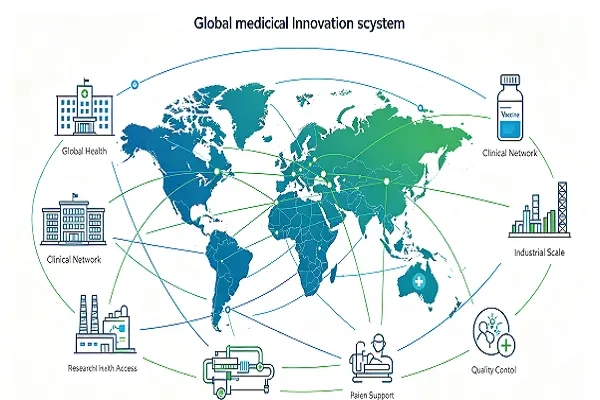
International collaborative research and development and technological exchange have become the norm in the industry. The mechanisms of diseases treated with biopharmaceuticals share global commonalities. Clinical trials in areas such as rare diseases and oncology require multinational, multi-center data support. Multinational pharmaceutical companies, research institutions, and medical institutions are building joint research networks, sharing clinical data and trial platforms to accelerate the progress of global multi-center clinical trials. Simultaneously, regional mutual recognition mechanisms are continuously improving, allowing high-quality innovative drugs to be submitted for approval and marketed in multiple countries simultaneously, shortening the waiting time for new drugs for patients worldwide. At the same time, countries are also developing strategic plans for biopharmaceuticals, continuously increasing investment in basic research, and vying for a share of the bioeconomy. Biopharmaceuticals have become a core area of global technological competition and public welfare.
Conclusion
This series of technological breakthroughs in novel biomedicine is a significant achievement resulting from the interdisciplinary integration of life sciences, artificial intelligence, and materials engineering. It not only breaks through the technological limitations of traditional treatments but also ushers in a new era of precise and fundamental disease treatment. From AI-driven rapid drug design to base editing for gene defect repair, and the implementation of novel cell and organelle therapies, it continuously brings new hope for survival to patients with intractable diseases such as cancer, rare diseases, and neurodegenerative diseases. However, technological breakthroughs do not equate to universal access. Issues such as industrialization bottlenecks, high costs, and regulatory ethics still require collaborative efforts from research institutions, pharmaceutical companies, regulatory authorities, and the healthcare system to continuously streamline the entire chain from basic research and clinical validation to mass production and widespread adoption. Looking to the future, with continuous technological iteration, maturing production systems, and improved supporting mechanisms, novel biomedicine is expected to gradually enter medical institutions at all levels, significantly reducing the mortality and disability rates of major diseases, continuously safeguarding the health of all people, and contributing to the high-quality development of global public health.
Disclaimer: The information published on this website is sourced from the internet and does not represent the views of this website, nor does it guarantee the accuracy of its content. Please be aware of the distinction. Furthermore, the products provided by our company are for scientific research purposes only. We are not responsible for any consequences arising from improper use. If you are interested in our products, have any criticisms or suggestions regarding our articles, or are not completely satisfied with the products you received, please contact us by email: allen@faithfulbio.com Or WhatsApp: +86 13137770562; our team is dedicated to ensuring complete customer satisfaction.