

Northern Italy is experiencing a prolonged drought, threatening to disrupt agricultural irrigation.
On July 10th, Milan time, the Italian Po River Basin Water Resources Management Agency (AIPO) issued an emergency warning, stating that northern Italy is experiencing its most severe drought in years due to a combination of factors, including a prolonged extreme heatwave in Europe, significantly less rainfall in spring, and insufficient snowmelt from the Alps. As Italy's breadbasket, the Po River basin is experiencing a precipitous drop in flow. The instantaneous flow of the Po, Italy's largest river, has fallen to a low of 278 cubic meters per second, far below the historical average for the same period. Reservoirs and alpine lakes along the river are rapidly declining in water levels. Based on current agricultural water extraction rates, the basin's available irrigation water will be completely depleted within ten days, leaving millions of acres of rice paddies, cornfields, sunflowers, and pastures without irrigation. Furthermore, the sharp decrease in river flow has caused Adriatic seawater to flow inland for 25 kilometers, resulting in excessive salinity in the riverbed and forcing the closure of irrigation canals across large downstream areas, further reducing available irrigation water resources. The three major agricultural regions of Veneto, Lombardy, and Piedmont have successively declared a state of drought emergency. Local farmers are witnessing their fields cracking and withering while facing the real problems of reduced agricultural production, fluctuating agricultural product prices, and a shortage of livestock feed.
The sharp reduction in river and lake water storage has severely impacted the grain and livestock industries.
The Po River Plain in northern Italy produces 60% of the country's food. Most of Italy's rice, Parmesan cheese raw materials, and oilseed crops come from this region. July and August are crucial for crop growth, and persistent high temperatures and water shortages are directly undermining the foundation of Italian agriculture. The water levels of Lake Maggiore and Lake Como on the southern slopes of the Alps are dropping significantly every day. Lake Maggiore's water level has decreased by 17% in just one week, and small reservoirs in the Piedmont region hold less than 45% of their usual levels for the same period. Previously, the rivers relied on snowmelt in the summer, but now, with less snowfall in winter, the meltwater is far less than usual. Without a stable water source, large areas of the riverbed are exposed, and thick sandbars are occupying the original riverbed space. Insufficient water upstream and a sharp increase in pressure on downstream water supply have created a dilemma for the entire Po River basin: insufficient water release from upstream reservoirs and seawater intrusion into the downstream channels.
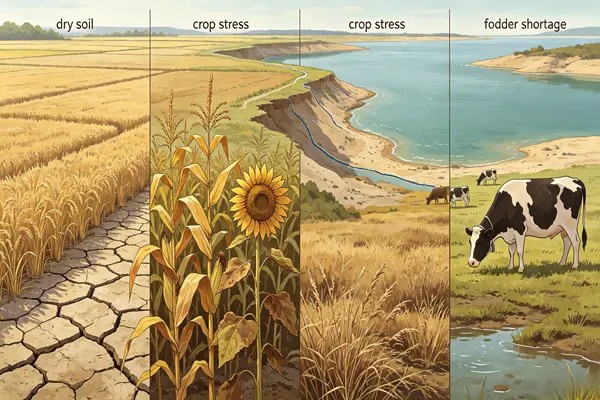
The impact on rice cultivation is most direct. Pavia is a well-known rice-producing region in Europe. At this time, the paddy fields should be well-watered to nourish the seedlings, but now large areas of the land are cracked with varying depths, exposing the roots to the air. Local farmers explain that since May, there has been almost no effective rainfall. Farmers have had to pump river water day and night to irrigate their fields. However, as the river water decreases, the water allocation to each farm is constantly being reduced. Many plots can only be irrigated every two days, inhibiting rice ear development. A reduced rice yield this year is a foregone conclusion. If no heavy rain arrives in the next two weeks, half of the rice fields will suffer a complete crop failure. Corn, soybeans, and sunflowers are also facing difficulties. In the Mantua province of Lombardy, large areas of corn seedlings are turning yellow and withering. Farmers are watching their hard-earned crops without sufficient water to save them. Many sunflower fields are also suffering from premature flower fading and shriveled grains due to prolonged water shortages, resulting in a significant reduction in oilseed harvests. The situation in the downstream delta region is even more challenging. Seawater intrusion has caused the river's salinity to skyrocket. High salt content seeps into the soil, damaging its structure, making it difficult to restore cultivation even with subsequent rainfall. To prevent the saline water from destroying crops, management has had to close several irrigation canals, further reducing the already strained irrigation water supply, leaving downstream farmers with very little water.
A chain reaction of crises followed in the livestock industry. Parmesan cheese, renowned globally, relies entirely on dairy cows from the Po River plain. With large areas of alfalfa and silage drying up, farmers lack sufficient feed for their livestock, forcing many farms to reduce their dairy herds. To ensure adequate feed for their cows, ranchers are forced to purchase hay from southern Italy at high prices, leading to a continuous increase in livestock costs. This will eventually drive up cheese prices across the entire European market. Fisheries are also suffering. The reduced water volume and rising water temperature in the Po River have destroyed the habitat of native freshwater fish, leading to mass deaths in shallow waters. Fishermen's fishing areas are shrinking, and once-wide channels are now narrow passages for fishing boats. The income of fishermen who have relied on the river for generations has plummeted, and some small fishing cooperatives are already facing operational difficulties.
The persistent drought also poses a potential threat of soil degradation. Prolonged water shortages combined with intense sunlight are causing rapid loss of organic matter in the topsoil of the plains, leading to a gradual trend towards desertification. In previous years, the flooding of the river during the rainy season provided natural fertilizer for farmland; now, insufficient river flow is depleting the soil. Even if the drought is overcome this year, declining soil fertility will continue to negatively impact crop yields in the coming years. Local agricultural associations, after comprehensive assessments, predict that if the drought continues, the overall agricultural output in northern Italy could decrease by up to 35% this year. This will reduce Italy's food self-sufficiency rate, leading to increased food imports and further exacerbating price volatility in grains and oils across Europe.
The competition for water resources among various parties has become prominent, and shortcomings in regional governance have been exposed.
Once water storage reaches critical levels, conflicts erupt between agricultural irrigation, urban residential water use, industrial water use, and tourism/ecological water use. Disagreements arise between different regions and industries over limited water resources. Original water allocation plans become difficult to implement under extreme weather conditions. The disconnect between administrative divisions and river basin management exposes long-standing governance deficiencies. The Po River flows through seven regions, including Piedmont, Lombardy, and Veneto. While the river is managed by a river basin authority, water withdrawal permits are approved by each region. Upstream regions prioritize releasing water from reservoirs to ensure irrigation for their own farmland, reducing the available water for downstream areas. Water disputes between upstream and downstream regions occur annually during droughts. This year, the water shortage is even more severe. The downstream Veneto region has repeatedly accused upstream Piedmont of excessive water release, prematurely depleting the reserves of high-altitude lakes. Piedmont, on the other hand, argues that its farmers also face reduced yields and there is no justification for unilaterally sacrificing local agriculture to protect downstream areas. This inter-regional buck-passing has led to a stalemate in water resource allocation.
The conflict between urban development and agricultural water use is becoming increasingly acute. Major northern cities like Milan, Turin, and Verona, with their dense populations, experience surges in demand for water during the summer for daily life and urban greening. Large food processing plants and textile factories also require a stable water supply to maintain production lines. In normal years with abundant water resources, urban and agricultural water use can proceed independently. However, with insufficient river and lake water, compromises must be made. Urban management departments prioritize urban residents' water use and advocate for reducing agricultural irrigation quotas. Farmers, however, argue that the prosperity of northern Italian cities relies on agriculture, and food production is crucial for national food security; they cannot sacrifice farmland yields for urban needs. The Italian Irrigation Association, representing farmers, has publicly stated that many rural areas supply food to cities but receive the least water allocation, and farmers should not be the victims of the water crisis. Large numbers of farmers have taken to the streets to protest against the excessive reduction of agricultural water quotas, putting immense public pressure on local governments.
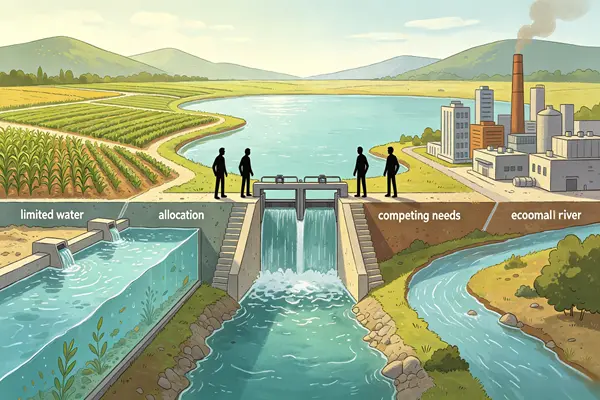
Aging infrastructure and lax early planning have exacerbated the water shortage crisis. Although Italy established a national water crisis coordination agency after the 2022 drought and allocated €6 billion in special funds to upgrade water facilities, the progress of related projects has been extremely slow. The national drought relief coordination agency only convened again a year later, and most of the upgrade and renovation projects have yet to be implemented. Many water pipelines in the north are over 50 years old, and due to aging and damage, approximately 25% of the water resources are lost during the process of transporting water from reservoirs to fields. Many farmlands still use traditional flood irrigation methods, and the adoption rate of drip irrigation and smart water-saving equipment is low, resulting in widespread water waste. At the same time, coastal seawater intrusion prevention facilities are not keeping pace with climate change. The saltwater barriers built in the 1980s relied on sufficiently fast water flow to block seawater intrusion. Now, with smaller river volumes and slower flow rates, the protective effect of the old barriers has been greatly reduced, and saltwater continues to penetrate inland along the river channels, with very limited room for human intervention. The EU has enacted laws related to water resource management, but Italy's implementation has been slow. During periods of abundant rainfall, water conservation efforts are often neglected, and only during extreme droughts do the shortcomings in water resource planning become apparent.
The long-term effects of climate change are even more challenging. In the past decade, the frequency of summer heat waves in Europe has increased significantly, and winter snowfall in the Alps has decreased year by year, making the reliance on snowmelt to replenish rivers increasingly unreliable. While droughts have historically been concentrated in late July, this year severe water shortages occurred as early as June. Climate warming is disrupting Italy's established hydrological cycles, and based on current climate trends, summer droughts will become a regular problem. Italy's old water use patterns are no longer adequate for the new climate.
Implement water control measures in the short term and lay out a long-term water-saving development model.
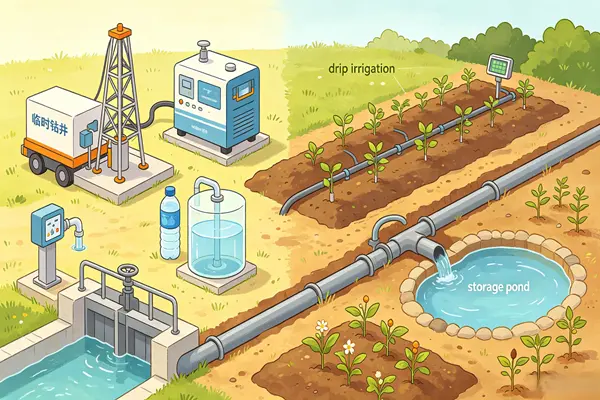
In the short-term emergency response, the Italian Minister of Transport and Infrastructure convened a joint meeting of multiple regions to prioritize water use, ensuring the supply of drinking water for residents, appropriately reducing industrial water quotas, and implementing a time-sharing water withdrawal system for agricultural irrigation. River basin management agencies comprehensively calculated the remaining water volume in reservoirs, scientifically arranged the release of water from upstream reservoirs to downstream areas at different times, strictly controlled unauthorized nighttime pumping, and installed smart water metering equipment to prevent farmers from excessively withdrawing water. For downstream river sections experiencing seawater intrusion, engineers adjusted the opening times of sluice gates, closing them during high tide to prevent seawater from further penetrating inland, while simultaneously extracting deep groundwater as a temporary irrigation source to help farmland in the delta region weather the crisis. Regions such as Veneto and Lombardy issued water conservation initiatives for high temperatures, calling on urban residents to reduce unnecessary water use for watering flowers and washing cars, and large shopping malls and hotels to reduce their landscape water supply. Water-intensive enterprises implemented time-limited production, and textile and paper mills staggered their operations, allocating the saved water resources to agricultural production. The Italian government simultaneously applied for emergency disaster relief funds from the EU, and mobilized mobile water purification equipment and deep drilling equipment from the EU reserves to support rural areas in the north. The agricultural sector organized technicians to go to the countryside to guide farmers in spraying drought-resistant agents on crops, pruning excess branches and leaves to reduce water evaporation, and prioritizing the survival of high-value crops. In anticipation of potential food shortages, Italy finalized food import agreements with Spain, France, and Romania in advance to avoid soaring agricultural product prices.
In the medium-term reconstruction phase, Italy accelerated the implementation of its €6 billion drought relief fund, with €4.3 billion coming from the national recovery plan, and the remaining funds supplementing water conservancy projects. This included large-scale replacement of aging water pipelines and repair of severely leaky old canals to reduce water loss during transport; government subsidies were introduced, with farmers receiving substantial subsidies for installing drip irrigation, subsurface irrigation, and intelligent soil moisture sensing equipment, gradually phasing out flood irrigation; and more small reservoirs were built along the Po River to store rainwater during the rainy season for irrigation in the summer. Italy has upgraded its comprehensive hydrological monitoring system, relying on big data to monitor lake levels, river salinity, and soil moisture in real time. Meteorological models are used to predict drought trends, enabling early warnings of water shortages and changing the past passive approach to drought relief. Simultaneously, Italy has redefined watershed management responsibilities, breaking down the fragmented governance of different regions. AIPO now centrally allocates water resources between upstream and downstream areas and has established water use incentive and penalty regulations during droughts, imposing fines on units and farmers that exceed water limits, thus rationally resolving water use conflicts between upstream and downstream areas.
In the long-term development phase, Italy has made long-term plans from three perspectives: agricultural structure, ecological restoration, and transnational cooperation. This includes adjusting the planting layout in the north, appropriately reducing the planting area of water-intensive crops such as rice and corn, cultivating drought-resistant new varieties, and expanding the planting scale of drought-resistant oilseed crops. In the Alps, ecological protection projects are being implemented to protect alpine vegetation, increase snow retention, and improve snowmelt conditions. Italy has proactively engaged in cross-border cooperation with France, Switzerland, and Austria. Given that the Alps are located in different countries, these nations jointly monitor changes in high-altitude snow cover, share meteorological and hydrological data, and establish a cross-border drought emergency communication mechanism. Italy also actively participates in the EU's climate governance plan, cooperating with overall European emissions reduction initiatives to slow the rate of global warming and reduce the probability of extreme heat and drought at its source. The Italian Agricultural Association also plans to promote an eco-circular farm model, purifying and reusing irrigation wastewater to achieve water resource recycling and adapt to a future environment where drought is the norm. Furthermore, Italy is conducting nationwide water conservation education campaigns to change the public's long-held perception of abundant water resources. Whether urban residents or farmers, the goal is to cultivate water conservation awareness and foster a positive social atmosphere of water conservation.
Conclusion
Food security is fundamental to the development of every nation. The fertile Po River plain has nurtured Italy's development for centuries, and this land should not be frequently ravaged by drought. Hopefully, the timely rainfall will alleviate the current water shortage, and this crisis will prompt Italy to implement water resource management reforms, ensuring the long-term survival of the northern breadbasket, and providing valuable experience for the world in addressing drought crises.
Disclaimer: The information published on this website is sourced from the internet and does not represent the views of this website, nor does it guarantee the accuracy of its content. Please be aware of the distinction. Furthermore, the products provided by our company are for scientific research purposes only. We are not responsible for any consequences arising from improper use. If you are interested in our products, have any criticisms or suggestions regarding our articles, or are not completely satisfied with the products you received, please contact us by email: allen@faithfulbio.com; our team is dedicated to ensuring complete customer satisfaction.