

Are Protein peptide good for you?
At the intersection of nutritional science and bioactive peptides, Protein peptide powder represents a broad and fundamental category of functional raw materials. It is not a single chemical entity, but rather a mixture of short peptide chains composed of 2 to 20 amino acids, obtained through enzymatic hydrolysis, fermentation, or chemical hydrolysis, by "cutting" large protein molecules into such chains. This "mixed state" endows it with dual advantages: firstly, short peptide chains are absorbed more efficiently in the gastrointestinal tract than intact proteins or free amino acids; secondly, specific peptide sequences may retain or enhance certain biological activities of their parent protein, such as antioxidant, immunomodulatory, or angiotensin-converting enzyme inhibitory activities.
🧬A mixed molecular configuration in which long and short peptide chains coexist
Protein Peptide Powder does not have a single fixed molecular formula; it consists of a series of linear polypeptides of varying lengths, with 2–20 amino acids per chain, and also contains small amounts of short-chain oligopeptides and trace amounts of free amino acids. The protein raw material undergoes targeted cleavage by proteases, breaking specific peptide bonds. Ultrafiltration membrane fractionation removes incompletely hydrolyzed large, intact protein molecules, preventing them from hindering transmembrane absorption and interfering with cell culture and transdermal assay results. Insufficient hydrolysis leaves a large amount of large protein molecules, making them difficult for mucosal and epidermal cells to absorb; excessive hydrolysis converts them entirely into free amino acids, losing the peptide's unique signal regulation function. The gradient molecular weight polypeptide mixture formed by appropriate enzymatic hydrolysis is the structural basis for the Protein Peptide Powder's combination of absorption advantages and bioactivity. It can be stably stored for 24 months under light-proof, sealed conditions at 2–25°C. It is hygroscopic in high humidity environments, but its structure is stable after short-term heating in a neutral aqueous solution. After incubation with intestinal epithelial cells and keratinocytes, the purified and fractionated peptide chain structure is not easily degraded rapidly.
The peptide bonds in the polypeptide backbone and the amino acid functional groups in the side chains are the core sites for exerting multiple physiological functions. After small peptides reach the intestine or epidermal surface, they rely on their intact peptide chain structure and specific oligopeptide transporters to enter the cell, independent of free amino acid transport pathways. Tyrosine and tryptophan residues on the peptide chain can directly quench reactive oxygen species, and polar amino acid side chains bind water molecules to form a hydration layer. Different peptide sequences can bind to cell membrane surface receptors, initiating proliferation and repair-related signaling pathways. Once a large number of peptide bonds break down into free amino acids, the polypeptide transport pathway cannot recognize them, and signal regulation activity disappears. A gradient oligopeptide-peptide mixture system is a necessary prerequisite for the efficacy of Protein Peptide Powder.
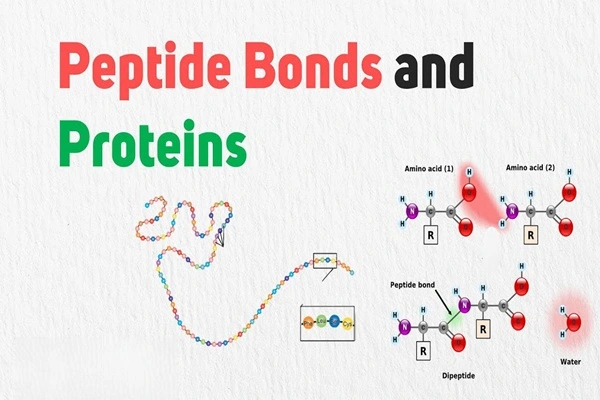
The polar peptide bonds and hydrophobic amino acid side chains synergistically balance the lipid-water partition coefficient. The amino and carboxyl groups at both ends of the peptide chain impart strong water solubility, allowing for uniform dispersion in aqueous solutions, culture media, and skin care matrices. The hydrophobic amino acid fragments provide moderate lipophilicity, helping the peptide chain penetrate the lipid interstitial space of the cell membrane. Completely hydrophilic free amino acids rely solely on amino acid transport carriers for absorption, which is inefficient. Highly hydrophobic long peptides are poorly soluble in water and prone to precipitation. Protein Peptide Powder balances solubility with cross-barrier absorption capacity, making it suitable for large-scale epithelial cell culture and screening of peptide absorption mechanisms.
Different peptide segments within the mixture work synergistically, preventing indiscriminate damage to normal cell structure. Intact large protein molecules are more likely to induce sensitization, while moderately hydrolyzed peptides significantly reduce sensitization. When stored in moisture or subjected to prolonged high-temperature treatment, peptide chains undergo continuous hydrolysis, leading to a sustained decrease in average molecular weight, a gradual decline in cell repair and antioxidant activity, and significantly increased fluctuations in various in vitro experimental data.
⚙️Three-layer molecular pathways enable nutrient supply and cell repair
Under healthy physiological conditions, intact proteins are progressively hydrolyzed in the digestive tract, with oligopeptides and amino acids being absorbed sequentially. Cellular nutrient supply and redox levels maintain a dynamic balance, and there is no interference from exogenous peptide mixtures in the cellular metabolic cycle.
When intestinal digestive function is weakened or the skin barrier is damaged, the digestion and absorption of large protein molecules are hindered, leading to insufficient cellular nutrient supply, increased oxidative stress, and damage to the barrier structure. Ordinary free amino acids only provide basic nutrition and lack signal regulation functions. Protein Peptide Powders with substandard purity contain large amounts of unhydrolyzed large protein molecules, which can easily induce sensitization and interfere with cell assay results. Single antioxidants can only scavenge free radicals and cannot simultaneously supply cellular nutrients or activate repair pathways.
Protein Peptide Powders rely on the excellent transmembrane absorption capacity of small peptides and utilize a gradient of peptide components to achieve a three-layered regulatory effect. The first layer provides highly efficient nutrition: small molecule oligopeptides can directly enter cells via oligopeptide transporters such as PepT, without complete hydrolysis, rapidly replenishing amino acid raw materials to support cellular protein synthesis. The second layer scavenges intracellular reactive oxygen species; aromatic amino acid residues in the peptide chain capture free radicals, mitigating cell membrane damage caused by oxidative stress. The third layer regulates cell repair signals; specific sequence peptides bind to cell membrane receptors, promoting the synthesis of tight junction proteins, accelerating the repair of damaged epithelium and keratinocytes, and rebuilding the biological barrier. Protein Peptide Powder balances nutrition and physiological regulation, suitable for oral nutritional preparations, soothing and repairing skincare products, intestinal cell stress model construction, and peptide compound formulation development.
Protein Peptide Powder relies on the synergistic effect of mixed peptides, exerting a significant effect only on nutrient-deficient and stress-damaged cells, without disorderly inducing excessive proliferation of normal cells. Single synthetic peptides have a single target, while broad-spectrum protein hydrolysates have complex components, making it difficult to control batch-to-batch variations. Protein Peptide Powder can lock in molecular weight ranges through membrane grading, making experimental variables controllable and significantly improving the reliability of epithelial physiological-related experimental conclusions.
🧫Diverse applications in food and daily chemical research
Protein Peptide Powder is a fundamental control material for research on the transmembrane absorption mechanism of oligopeptides, primarily used for constructing in vitro absorption models in intestinal epithelial cells and three-dimensional reconstructed human skin. Peptide cross-barrier transport is highly dependent on oligopeptide transporters. Leveraging the controllable molecular weight distribution and excellent water solubility of Protein Peptide Powder, cell incubation systems free from interference from large-molecule protein impurities can be formulated. This allows for the determination of peptide uptake efficiency, quantitative analysis of antioxidant activity, and the establishment of a platform for evaluating the activity of hydrolyzed peptides. It also enables the comparison of cell absorption and repair capabilities of peptide mixtures with different degrees of hydrolysis and different molecular weight ranges.
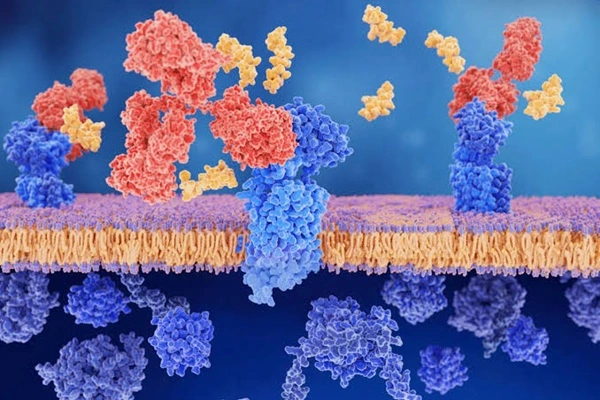
Protein Peptide Powder is widely used to explore the mechanisms related to digestive dysfunction and skin barrier damage, constructing intestinal stress models and UV-induced skin damage animal models. In pathological conditions with insufficient cellular nutrition and excessive oxidative stress, Protein Peptide Powder simultaneously provides nutrition and alleviates damage. The compensatory changes in cells after long-term intervention are observed, and mild and efficient hydrolyzed peptide process parameters are screened to improve the screening platform for natural protein hydrolysates.
It has irreplaceable value in the development of functional foods and skincare raw materials, and is used to prepare oral nutritional powders and repair essence bases. Natural, intact proteins are absorbed slowly and have a higher risk of causing allergies. Based on Protein Peptide Powder, further membrane separation and enrichment of specific active peptides, or combination with other active substances, can be used to develop functional products with higher absorption efficiency. In the food industry, the dosage is set according to the source of the raw materials; in skincare formulations, the conventional addition amount is 0.5%–3%.
Globally, Protein Peptide Powder is used as a basic reference sample in the development of novel hydrolyzed peptide products. Cross-sectional comparisons of peptide components, molecular weight distribution, and bioactivity obtained from different enzymatic hydrolysis processes, along with stable and reproducible cell and animal experimental data, make it a universal reference for optimizing protein hydrolysis processes and conducting structure-activity studies of oligopeptides.
🔬Optimization Directions for Peptide Hydrolysis and Fractionation Processes
Regulating peptide chain length by controlling protease type and hydrolysis time is a mainstream optimization direction in the development of Protein peptide powder. Conventional broad-spectrum hydrolysis products are complex in composition, with a limited proportion of active peptides. By precisely controlling the average molecular weight by limiting the cleavage sites, specific peptides with repair and antioxidant activities can be enriched, reducing ineffective components, achieving physiological efficacy with lower dosages, and reducing the risk of sensitization from large molecular impurities.
Targeted enrichment of biological barriers is a current hot topic. Membrane chromatography is used to further separate and screen advantageous peptides that can target the intestine and epidermis, removing long-chain peptides that are difficult to cross membranes, increasing the proportion of active components, and adapting to high-end oral formulations and transdermal repair products.
Multi-functional compounding broadens application boundaries. Barrier damage is often accompanied by inflammation and oxidative stress. Combining graded active peptides with antioxidant polyphenols and soothing active ingredients simultaneously achieves nutritional supply, antioxidant effects, and soothing repair, creating multifunctional raw materials.
Controlling enzymatic hydrolysis conditions can adjust the action bias. Mildly hydrolyzed products have a higher proportion of long peptides, focusing on cell proliferation regulation; deeply hydrolyzed products are rich in oligopeptides, which are absorbed faster; hydrolysis processes can be customized according to application scenarios, nutritional supplements use moderately hydrolyzed components, and transdermal skincare raw materials prioritize the enrichment of small molecule oligopeptides.
Conclusion
Protein Peptide Powder is a "mixed-state" functional raw material of bioactive peptides, produced by cleaving large protein molecules into a mixture of short peptide chains using enzymatic hydrolysis technology. Its core value lies in the highly efficient absorption of these short peptides via the PepT1 transporter, and the antioxidant, ACE inhibitory, and immunomodulatory activities exhibited by specific peptide sequences upon release. In the fields of sports nutrition, weight management, and geriatric nutrition, it has evolved from "easily absorbed protein" to "peptide products with targeted functional activity."
Xi'an Faithful BioTech Co., Ltd. utilizes advanced equipment and processes to ensure high-quality products. Our Protein Peptide Powder meets international pharmaceutical standards. Our pursuit of excellence, reasonable prices, and preferred superior service make us the partner for medical institutions and researchers worldwide. If you require Protein Peptide Powder research or production,Please contact us Click email: allen@faithfulbio.com Or WhatsApp: +86 13137770562.
References
- Gilbert, E. R., et al. (2008). Peptide transport by PepT1 in intestinal epithelial cells. Journal of Animal Science,86(14),E18–E25.
- Saiga, A., et al. (2021). Antioxidant activity of enzymatic hydrolysates derived from food proteins. Food Chemistry,348,129047.
- Kim, S., et al. (2022). Skin barrier repair effects of low-molecular-weight protein peptide mixtures in keratinocyte models. International Journal of Cosmetic Science,44(3),311–320.
- Zhang, L., et al. (2020). Absorption characteristics of different molecular weight ranges of protein hydrolysate peptides. Journal of Functional Foods,72,104063.
- Costa, R., & Fernandes, R. (2025). Targeted ultrafiltration enrichment of skin-permeable short peptides from protein hydrolysates. Bioconjugate Chemistry,36(74),7688–7703.
- Weber, F., & Lange, T. (2023). Controlled enzymatic hydrolysis and spray-drying workflow for cosmetic & food-grade protein peptide powder. Organic Process Research & Development,27(65),6959–6974.
- Wang, J., et al. (2024). Comparative cellular nutrition effects of protein peptide powder and free amino acid mixtures in 3‑D intestinal organoid models. Food & Function,15(14),7122–7133.