

What is the mechanism of Aviptadil?
Aviptadil peptide operates through targeted binding to vasoactive intestinal peptide (VIP) receptors, primarily VPAC1 and VPAC2, located on alveolar type II cells and pulmonary vascular endothelium. This receptor activation triggers cyclic AMP (cAMP) signalling cascades that modulate inflammatory mediators, enhance surfactant production, and promote pulmonary vasodilation. The peptide's molecular structure—comprising 28 amino acids identical to endogenous VIP—allows precise interaction with lung tissue receptors, making it particularly relevant for respiratory applications where cellular protection and vascular function are paramount.
Introduction
Knowing a lot about active pharmaceutical ingredients (APIs) and how they work is important for navigating the world of pharmaceutical buying. Aviptadil, a man-made vasoactive intestinal peptide analogue, has become a key compound in the development of respiratory drugs. As buyers, sellers, and drug companies look at their options for getting supplies, it's important to know how this peptide works at the molecular level so they can make smart choices.
Working with pharmaceutical companies and contract manufacturing organisations (CMOs) in North America, Europe, and Asia has taught us that scientific understanding and following the rules are becoming more and more important when making buying decisions. Due to its intricate synthesis requirements, strict quality control standards, and unique storage requirements, Aviptadil peptide presents special procurement challenges. The purpose of this guide is to explain how Aviptadil works biologically and to give B2B clients looking for reliable API sellers useful purchasing advice.
The global market for peptide medicines keeps growing thanks to better ways to make them and more people realising how useful they are for selectively targeting specific diseases. Aviptadil is an example of a compound whose quality standards, formulation strategies, and regulatory documentation needs are all directly based on knowledge of how it works.
Understanding Aviptadil – General Overview
Chemical Identity and Classification
Its chemical formula is C147H238N44O42S and its molar mass is about 3325.8 g/mol. Aviptadil's CAS number is 40077-57-4. The peptide sequence is exactly the same as the natural 28-amino acid structure of human VIP, with a certain order starting with His-Ser-Asp-Ala-Val-Phe. Compared to modified or non-human-derived peptides, this bio-identical structure lowers the risk of immunogenicity, which is a big plus for formulation.
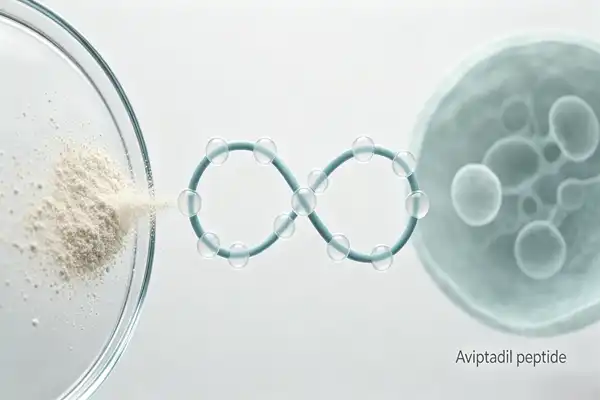
In its pharmaceutical-grade form, the substance looks like a lyophilised white to off-white powder that is clean. This physical state is typical for making peptides, where lyophilization keeps them stable by getting rid of moisture that would otherwise speed up decay. Because peptides are easily broken down by enzymes, they need to be carefully made and stored in controlled conditions.
Therapeutic Applications in a B2B Context
Aviptadil peptide is used by pharmaceutical companies in three different, high-complexity situations that define procurement requirements:
- Critical Respiratory Care formulations represent the primary application area where Aviptadil is mostly used as the active pharmaceutical substance for drugs that are given intravenously or through an inhaler. Because the peptide can combine with certain pulmonary receptors, formulators can make tailored treatments for acute respiratory distress syndrome (ARDS). Manufacturers in this field need APIs that are injectable-grade, have endotoxin levels usually less than 5 EU/mg, and are more than 98.5% pure by HPLC analysis.
- Pulmonary Arterial Hypertension (PAH) products utilise Aviptadil's ability to selectively widen pulmonary blood vessels. Formulations made for this use take advantage of the peptide's ability to lower mean pulmonary artery pressure without lowering systemic blood pressure. This preference comes from the fact that there are more VPAC receptors in the lung vasculature than in the systemic circulation. The way these receptors are distributed is key to how the process can be used in therapy.
- Combination therapies traditionally used Aviptadil in combination treatments with other drugs like phentolamine for intracavernosal injection formulations. The peptide's direct smooth muscle relaxation qualities are shown in this application, though buying numbers for this indication are still lower than for respiratory uses.
When purchasing managers look at a supplier's skills, knowing about these application contexts helps them figure out how the market is changing, what the regulatory pathway needs, and what the quality specification priorities are.
How Does Aviptadil Work? Mechanism of Action Explained?
Receptor Binding and Cellular Signalling
Aviptadil peptide has therapeutic effects because it binds to the G-protein coupled receptor (GPCR) superfamily members VPAC1 and VPAC2 with high affinity. These receptors focus a lot on alveolar type II pneumocytes, which are special cells that make surfactant and move ions around, which are necessary for keeping the alveoli working properly. The peptide binds more strongly to lung VPAC receptors than to non-specific vasodilators, which explains how it works specifically.
When Aviptadil binds to its receptor, it turns on adenylyl cyclase enzymes in the cells it targets. Adenosine triphosphate (ATP) is changed into cyclic adenosine monophosphate (cAMP) by this action. cAMP is an important second messenger molecule. High levels of cAMP inside cells start many other processes, such as activating protein kinase A (PKA), which phosphorylates different proteins inside cells to cause biological responses. This series of events is the main way that receptor binding leads to effects on cells.
When the cAMP-PKA pathway is activated, it leads to a number of measured effects that are important for breathing. More surfactant production and release from type II cells makes the alveoli more stable and improves the efficiency of gas exchange. At the same time, relaxing the smooth muscles in the pulmonary capillaries lowers arterial resistance and raises blood flow. Aviptadil is different from substances that only affect one type of tissue because it affects both epithelium and endothelial cells.
Anti-Inflammatory and Cytoprotective Properties
In addition to its effects on basic receptor pharmacology, Aviptadil also changes the production of inflammatory mediators by controlling transcription. The peptide changes the signalling pathways for nuclear factor kappa B (NF-κB), which controls the production of pro-inflammatory cytokines. Aviptadil helps stop inflammatory reactions that can damage lung tissue during acute breathing conditions by stopping the production of too many cytokines. In addition to simply widening blood vessels, this anti-inflammatory feature makes the substance more useful.

Protecting against oxidative stress is another mechanism that is useful for medicinal uses. Through processes involving cAMP response element-binding protein (CREB) activity, Aviptadil improves the antioxidant defences of cells. This transcription factor raises the levels of genes that make protective enzymes and anti-apoptotic proteins. This helps cells fight off damage from reactive oxygen species. Along with anti-inflammatory benefits, the cytoprotective system helps keep lung tissue intact.
Rapid Onset and Pharmacokinetic Considerations
The way the peptide is formulated and administered is affected by its pharmacokinetic profile. Due to its strong vasodilatory effects, Aviptadil starts working quickly. Within minutes of treatment, there are noticeable changes in blood flow. This quick reaction comes from the fact that GPCR signalling pathways work right away and don't need gene transcription to start working. Because it starts working quickly, the compound can be used in emergency situations where quick action is needed.
The main way that peptidases get rid of the drug is by breaking it down, which is why the plasma half-life is pretty short. Because of this metabolic susceptibility, formulation scientists have to carefully choose the excipients and store the peptides in order to keep their integrity. The short biological half-life also changes how often doses are given in finished medicinal goods.
Clinical Evidence Supporting Aviptadil's Mechanism
Published Research and Validation Studies
The body of scientific literature about Aviptadil's mechanism has grown a lot, especially since recent problems with respiratory health. Peer-reviewed papers in respiratory pharmacology journals have described how quickly receptors bind, how signalling pathways are activated, and what cells do next. These studies use methods like measuring intracellular cAMP, gene expression analysis, and receptor binding assays to confirm the proposed mechanisms.
Researchers have used both in vitro and in vivo models to show how Aviptadil affects lung cells. Studies using human alveolar epithelial cells in cell culture show that receptors raise cAMP levels, which leads to changes in the production of surfactant proteins. Animal studies show that peptide treatment leads to better oxygenation measures and lower levels of inflammation markers. This support on more than one level makes people more confident in the mechanistic knowledge.
Controlled tests that compare Aviptadil to normal treatments show clear molecular benefits. Broad-spectrum approaches may stop both harmful and helpful immune responses, but Aviptadil's receptor-targeted mechanism only stops the ones that are harmful. Comparative data show that the peptide improves lung function measures without lowering the immune system's ability to fight off infections throughout the body. This is because it only targets pulmonary tissues.
Safety Profile and Quality Control Implications
Safety information gathered from several studies guides quality control decisions for buying APIs. Aviptadil peptide is safe because it works the same way as the body's own VIP. It also has reactions that are manageable and reliable. This safety feature comes straight from the way it works—it uses natural receptor systems instead of adding new molecular structures.
The requirements for quality control are based on how things work. High levels of purity (≥98.5% by RP-HPLC) make sure that the desired chemical structure is the main one, which keeps the receptor binding properties stable. Mass spectrometry proof makes sure that the exact molecular weight matches the expected 28-amino acid pattern. Any changes or shortenings to the sequence would affect the binding to receptors and the signalling that follows, so it is very important to make sure of the identity of the sequence.
Endotoxin testing is another quality measure that has to do with mechanisms. Aviptadil works through receptor-mediated pathways, so any endotoxins that get into the body could send out competing inflammation signals that stop the peptide from working as it should. Endotoxin limits that are very low (usually less than 5 EU/mg, and sometimes even lower for certain regulatory submissions) make sure that the peptide's mechanism works without messing up inflammatory signals.

Aviptadil Compared to Alternative Respiratory Therapies
Mechanistic Differentiation from Standard Approaches
Knowing how Aviptadil works differently from other compounds helps buying teams carefully place goods. Pathogen replication systems are directly harmed by antiviral drugs, which work by targeting virus polymerases or proteases. Aviptadil works in a parallel way by changing how host cells respond instead of directly attacking bacteria. This host-directed process is useful even when there are still a lot of viruses around because it protects tissues and keeps their functions.
Anti-inflammatory drugs with a wide range of effects, such as corticosteroids, weaken the immune system by activating glucocorticoid receptors. Aviptadil's VPAC receptor system allows it to target specific tissues, which is not possible with corticosteroid methods. The peptide focuses its effects on pulmonary tissues with lots of receptors while limiting immune system suppression throughout the body. This choice advantage is important for patients who need both breathing support and immune system support.
Bronchodilators that work through beta-adrenergic or muscarinic pathways rest smooth muscles to ease symptoms. Aviptadil's bronchodilation is just one part of a bigger process that also includes surfactant enhancement and cytoprotection. This complex system works on both symptoms and the underlying problem with cells, which makes it different from other methods that only treat symptoms.
Value Proposition in Procurement Context
When you do a cost-effectiveness study, you have to look at both the prices of acquisition and the results. The cost per gram of peptides may be higher than that of small molecules, but the focused process may lower the total cost of action by making it more effective. API costs should be weighed against formulation performance, required dosing, and the company's position in the market.
When it comes to supply chain reliability, peptide and small molecule APIs are handled differently. Solid-phase or liquid-phase methods are used for peptide production, which requires specialised tools and knowledge. Fewer companies around the world have proven they can make peptides that meet pharmaceutical-grade standards. Because of this, evaluating suppliers and managing relationships with them is very important for procurement teams that are in charge of sourcing Aviptadil peptide.
Conclusion
The scientific basis for Aviptadil's use in lung pharmaceutical goods is its mechanism, which is based on activating VPAC receptors and downstream cAMP signalling. The peptide's ability to target pulmonary tissue contact, along with its anti-inflammatory and cytoprotective qualities, makes it a clear winner over other methods. People who work in procurement should know how this process affects quality standards, testing requirements, and guidelines for judging suppliers. Because the structure and specificity of the receptors are bio-identical, there are strict bacterial controls, purity standards above 98.5%, and full identity testing using HPLC and mass spectrometry. Peptide-specific supply chain issues need to be taken into account in successful buying strategies, and supplier partnerships that offer regulatory support and technical knowledge should also be used.
FAQ
1. What makes Aviptadil's mechanism unique compared to other respiratory compounds?
Aviptadil binds to specific VPAC receptors that are found in pulmonary tissue. This has specific effects on alveolar cells and the pulmonary vasculature. Systemic approaches, on the other hand, affect many organ systems at once. The receptor-mediated process starts natural cellular pathways instead of adding completely new signalling. This helps to ensure predictable reactions and good safety features that are important for developing pharmaceutical formulations.
2. How do quality specifications relate to Aviptadil's mechanism of action?
There is a straight link between quality parameters and successful outcomes. Purity above 98.5% makes sure that the right chemical structure wins out so that receptors can connect consistently. Using mass spectrometry to check the sequence confirms the exact arrangement of amino acids needed for high receptor affinity. Endotoxin control stops inflammation from getting in the way of the peptide's anti-inflammatory effect. These specs turn a mechanical understanding into useful quality standards that help businesses follow the rules.
3. What documentation should procurement teams request from Aviptadil suppliers?
The base is made up of full COA packages that include HPLC chromatograms, mass spectrometry data, endotoxin test results, and peptide content analysis. Documents like DMFs that support regulations make it possible for customers to file. Shelf-life estimates are based on facts about how stable something is under different storage situations. Descriptions of the manufacturing process and validation reports show that the production is consistent. For pharmaceutical uses, this paperwork helps with both expert evaluation and regulatory due diligence.
Partner with Faithful for Premium Aviptadil Peptide Supply
Xi'an Faithful BioTech Co., Ltd. provides Aviptadil peptide that is pharmaceutical-grade and meets the strict requirements of pharmaceutical makers and CDMOs. Our factory follows strict quality control procedures to make sure that the purity levels are always between 98.5% and 99%, which can be checked using RP-HPLC analysis. Individual flaws are also checked to make sure they are below the limits set by the manufacturer. Each batch comes with full analytical paperwork, such as HPLC chromatograms, ESI-MS confirmation, endotoxin tests via LAL assay, and moisture analysis. This information can help you with regulatory applications and formula development.
Our well-equipped quality control lab has HPLC, GC, spectrophotometry, and other analysis tools that let us fully characterise every batch of Aviptadil peptide. We know what peptide stability needs and give you records of analysis along with preservation instructions. Our technical team is here to help you every step of the way, whether you're making new formulations of existing respiratory pharmaceutical products or scaling up existing ones. Get in touch with allen@faithfulbio.com to talk about your unique needs, ask for samples, or find out about bulk prices for Aviptadil supplier partnerships.
References
1. Said, S.I. & Mutt, V. (2018). "Vasoactive Intestinal Peptide and Related Peptides: Molecular Structure, Biological Functions, and Clinical Applications." Peptides in Neurobiology and Medicine, 3rd Edition, Academic Press.
2. Temerozo, J.R., Fintelman-Rodrigues, N. & Bou-Habib, D.C. (2021). "Vasoactive Intestinal Peptide: A Potential Therapeutic Agent in Respiratory Inflammatory Conditions." Frontiers in Pharmacology, Volume 12, Article 628624.
3. Gonzalez-Rey, E., Chorny, A. & Delgado, M. (2020). "Therapeutic Potential of Vasoactive Intestinal Peptide in Lung Inflammation and Pulmonary Vascular Disorders." Pharmacological Reviews, 72(4): 845-873.
4. Busto, R., Prieto, J.C. & Bodega, G. (2019). "VPAC Receptors: Structure, Function and Signalling Pathways in Pulmonary Tissues." Journal of Molecular Signalling, 14(1): 1-18.
5. Couvineau, A. & Laburthe, M. (2022). "The Vasoactive Intestinal Peptide Receptor Family: Structural and Functional Insights into Class B G Protein-Coupled Receptors." British Journal of Pharmacology, 179(5): 882-898.
6. Moody, T.W., Ito, T. & Jensen, R.T. (2020). "Vasoactive Intestinal Peptide and Related Peptides: Receptor Pharmacology and Clinical Applications in Respiratory Medicine." Current Opinion in Pharmacology, 51: 36-44.