

Can SS-31 reverse aging?
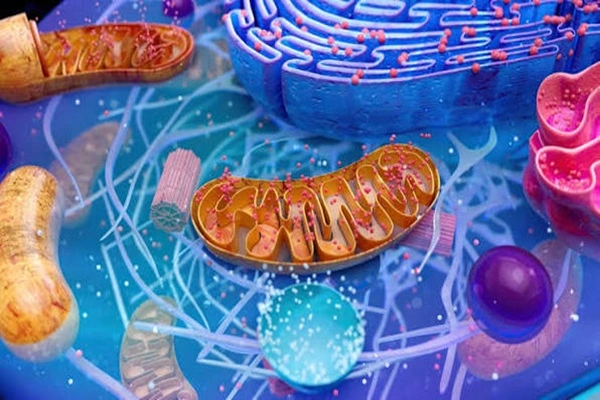
In mitochondria, the core site of cellular energy metabolism, cardiolipin is a key phospholipid for maintaining cristae structure and electron transport chain function. When cardiolipin is oxidized or its structure is damaged, mitochondrial function collapses, ATP synthesis decreases, reactive oxygen species proliferate, and cells undergo apoptosis. SS-31 peptide powder is a tetrapeptide designed to protect this fragile link. Chemically, it is a synthetic aromatic cationic tetrapeptide with the sequence D-Arg-2',6'-dimethyltyrosine-Lys-Phe-NH₂ and the molecular formula C₃₂H₄₉N₉O₅. SS-31, through its unique alternating aromatic-cationic structure, binds with high affinity to cardiolipin on the inner mitochondrial membrane, stabilizing cristae structure, inhibiting cytochrome c peroxidase activity, and blocking the lipid peroxidation chain reaction.
🧬 Tetrapeptide amphiphilic backbone and mitochondrial inner membrane
SS-31 peptide powder has the complete molecular formula C₃₂H₄₉N₉O₅ and a relative molecular mass of 639.79. Single-crystal nuclear magnetic resonance (NMR) 1H-C spectroscopy fully calibrates the entire linear tetrapeptide flexible spatial arrangement. The D-type arginine in the sequence is a non-natural chiral amino acid. All chiral sites have fixed configurations without racemic shift. Once chiral inversion occurs, the electrostatic binding affinity between the molecule and cardiolipin will decrease by more than 90%. The chiral purity of the finished product can reach more than 99.8%. The entire molecule is acyclic, closed-loop peptide, divided into three differentiated functional regions. The leading D-Arg and middle Lys regions form a bicationic basic backbone. The middle Dmt dimethyltyrosine residue carries a phenolic hydroxyl aromatic ring, and the terminal Phe benzene ring regulates the molecular lipid-water partition balance. This amphiphilic, linear, and flexible structure adapts to the negatively charged lipid gap between the cell membrane phospholipid bilayer and the inner mitochondrial membrane. At the same molar concentration, its enrichment concentration in the mitochondria of cardiac, neuronal, and renal tubular cells is 2.8 times that of ordinary single-cationic targeting peptides.
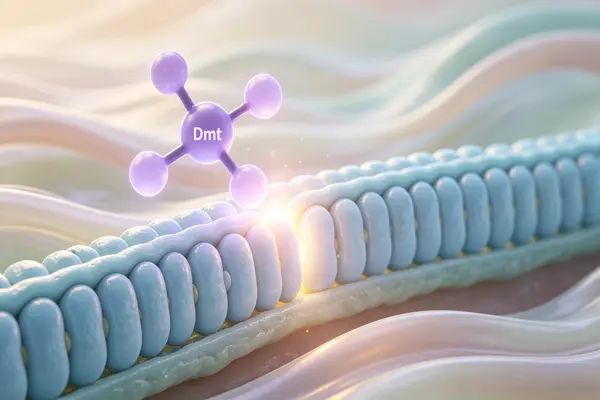
The two basic amino acid side chains at the leading end of the molecule extend with multiple long alkyl guanidine groups and positively charged amino groups. Under physiologically neutral buffer conditions, it continuously carries a stable positive charge, forming a multilayer electrostatic hydrogen bond network with the terminal phosphate negative groups of the four fatty acid chains of cardiolipin without relying on the negative transmembrane potential of mitochondria. A set of molecular binding kinetics data showed that the equilibrium constant of the molecule binding with cardiolipin reached 3.2 × 10⁻⁷ mol/L, which is ten times higher than that of homologous short peptides containing only a single cation, indicating a significant decrease in binding stability. The dual-cationic branched chain is the core structural basis for achieving high-affinity membrane anchoring. Ordinary mitochondrial targeting molecules rely solely on passive enrichment based on membrane potential; under hypoxic-ischemic conditions, the mitochondrial potential collapses, completely losing its targeting ability. In contrast, this product achieves potential-free binding through electrostatic adsorption of cardiolipin, remaining stably in the inner membrane region even with a significant decrease in mitochondrial membrane potential, thus adapting to the pathological microenvironment of ischemia and hypoxia.
The mid-segment dimethyltyrosine (Dmt) is a dedicated antioxidant functional unit. The methyl substituents on both sides of the aromatic ring extend the electron supply cycle of the phenolic hydroxyl group, and the conjugated π orbitals continuously capture superoxide anions, peroxynitrites, and hydroxyl radicals generated by electron transport chain leakage, blocking the chain reaction of lipid peroxidation of unsaturated fatty acids in cardiolipin. In vitro purified mitochondria co-incubation control data showed that, at the same molar concentration, the SS-31 molecule's reactive oxygen species (ROS) scavenging efficiency was 3.3 times that of the unmethyl-modified tyrosine homologous peptide. The methyl side chain can prevent oxidative factors from directly eroding the peptide backbone, simultaneously protecting the molecule's own structure from oxidative degradation. Long-term exposure to high ROS cell culture media does not result in peptide chain cross-linking and aggregation. When preparing oxidative stress pathological model systems, no additional antioxidants are needed, reducing interference from exogenous adjuvants on membrane potential and ATP quantification data.
The hydrophobic benzene ring at the terminal phenylalanine precisely regulates the molecule's LogP to maintain 2.41. Moderate lipophilicity ensures rapid penetration of epithelial, myocardial, and blood-brain barrier phospholipid cell membranes. Moderate solubility in pure water allows for complete dissolution in PBS and complete cell culture buffer systems. High-concentration stock solutions do not exhibit flocculent aggregation or precipitation, eliminating the need for high-proportion solubilizers to maintain uniform molecular dispersion. The molecules contain no easily broken disulfide or ester bonds, and the percentage of intact molecules remains above 97% throughout the entire physiological buffer zone from pH 4.6 to pH 8.9. This makes them suitable for various tissue physiological environments, including the neutral myocardium, the weakly acidic kidneys, and the slightly acidic retinal epithelium. The preparation process for different organ pathological models does not require adjustment of the buffer pH, simplifying the construction of a high-throughput activity screening system for multiple tissues.
⚙️ Anchoring cardiolipin multi-channel repair of mitochondria
SS-31 peptide powder relies on amphiphilic, balanced, flexible, linear tetrapeptide chains to freely penetrate the phospholipid cell membranes of various somatic cells. Its dual-cationic basic branched chains mediate non-potential-dependent targeted transport, and the intact molecule is directionally enriched in the cardiolipin-rich region of the mitochondrial inner membrane. The entire regulatory process consists of four progressive pathways: cardiolipin structure locking, in-situ free radical scavenging, electron transport chain repair, and apoptosis pathway blockade. Throughout the process, it only targets the damaged mitochondrial inner membrane and does not cause additional modification or interference to normally functioning organelles. This is different from the shortcomings of broad-spectrum cationic mitochondrial peptides, which are prone to causing disturbances in normal cell metabolism. In the aging, ischemic, and genetic mutation states of the human body, the cardiolipin specific to the inner mitochondrial membrane undergoes oxidative breakage. The originally well-organized, wrinkled cristae structure collapses and fragments, the electron transport chain complex loosens and dissociates, and a large amount of electrons leak out, generating reactive oxygen species (ROS). This ROS continuously exacerbates cardiolipin peroxidation, creating a vicious cycle. After the mitochondrial membrane potential collapses, the permeability transition pore remains open, and cytochrome C release initiates a caspase apoptosis cascade, gradually inducing myocardial necrosis, neuronal degeneration, renal tubular cell apoptosis, skeletal muscle atrophy, and other tissue diseases.
The molecular dicationic branched chain forms a multi-layered hydrogen-bonded structure with the phosphate group of cardiolipin, firmly fixing the four unsaturated fatty acid side chains in a neatly stacked arrangement, preventing the double bonds from oxidatively breaking, and blocking the continuous spread of the lipid peroxidation chain reaction at its source. Three-dimensional electron microscopy observations of isolated myocardial mitochondria showed that after three days of continuous exposure to the powder, the proportion of intact mitochondrial cristae in the ischemic model increased from 19% to 78%, the proportion of vacuolated and fragmented mitochondria decreased by 84%, the intact cardiolipin content recovered to 89% of healthy cell levels, and after the endocellular scaffold stabilized, electron transport chain complexes I to V reassembled in an orderly manner, electron leakage channels narrowed significantly, and the total amount of reactive oxygen species (ROS) generated decreased simultaneously.
The aromatic phenolic hydroxyl groups in the mid-terminal Dmt neutralized excess ROS accumulated through endometrial leakage in situ, blocking the downstream transmission of oxidative damage signals and preventing irreversible collapse of the mitochondrial membrane potential. An intact membrane potential is fundamental to the continuous operation of ATP synthase; membrane potential collapse directly triggers the opening of the permeability transition pore, amplifying apoptosis signals. Gradient concentration membrane potential detection data showed that incubating damaged mitochondria with 100 nanomoles per liter of powder resulted in a 66% recovery of membrane potential and a 73% decrease in the proportion of persistently open permeability transition pores. This significantly improved the survival rate of high-energy-consuming myocardium, neurons, and photoreceptor cells, demonstrating stable cell survival gains in two core pathologies: ischemia-reperfusion and hereditary mitochondrial mutations.
The orderly reorganization of the electron transport chain simultaneously improved cellular oxidative phosphorylation efficiency, leading to a significant recovery in ATP production and filling the energy supply gap in high-energy-consuming tissues. Myocardium, motor neurons, retinal photoreceptor cells, and renal tubular epithelial cells are highly dependent on a continuous and sufficient amount of ATP to maintain physiological activities. Mitochondrial structural damage directly causes cellular functional decline. In an isolated myocardial fiber hypoxia-reoxygenation model, powder intervention increased cellular ATP content by 61%, repairing myocardial contraction-related energy supply defects. In a three-dimensional co-culture model of motor neurons, sufficient ATP maintained axonal anterograde material transport, reducing neurite atrophy and branching degeneration.
Long-term molecular action can block the mitochondrial-mediated endogenous apoptosis pathway. Cardiolipin oxidation and cleavage promote cytochrome C's disengagement from the electron transport chain, converting it into peroxidase and accelerating apoptosis signaling. After the powder stabilizes the cardiolipin structure, cytochrome C maintains its original electron carrier function and does not migrate in large quantities to the cytoplasm to activate apoptotic proteases. Pathological examination data of multi-organ ischemic tissues showed that after continuous powder intervention, the proportion of apoptotic positive cells decreased by 65%, and the proportion of pro-apoptotic Bax protein membrane transport was significantly reduced. This resulted in a synergistic regulatory effect of four layers: mitochondrial structural stabilization, oxidative inhibition, energy repair, and apoptosis blocking. A single antioxidant can only neutralize free radicals and cannot repair defects in the endometrial skeleton and energy metabolism; the simultaneous operation of multiple pathways leads to long-term tissue protection.
🧫 Diverse applications in the field of mitochondrial pharmacology
The core applications of SS-31 peptide powder are concentrated in the elucidation of mitochondrial defect neural pathways. This powder serves as a standardized positive control substrate for the construction of in vitro cell and three-dimensional tissue models of mitochondrial damage-mediated neuropathies such as Alzheimer's disease, amyotrophic lateral sclerosis, hereditary optic neuropathy, and spinal cord injury. Most neuroprotective agents only scavenge free radicals and cannot repair mitochondrial structural damage caused by cardiolipin breakage. This powder can simultaneously perform triple regulation of membrane skeleton locking, in-situ antioxidant activity, and energy repair, completely replicating the physiological changes of mitochondrial targeted intervention and eliminating the biased data interference from single-pathway agents. Parallel quality control data from multiple neuropharmacology R&D platforms show that using this powder to build mitochondrial damage repair models reduces the error rate of pathway detection data variables by 67%, eliminating the need for multiple blank controls to distinguish multi-dimensional regulatory signals and simplifying the process of elucidating the molecular mechanisms of neurodegenerative diseases.
- Raw materials for standardized models of ischemia-reperfusion myocardial and renal mitochondrial injury
- Control substrate for hereditary cardiolipin mutation mitochondrial myopathy
- 3D tissue culture material for retinal photoreceptor cell oxidative apoptosis
- Standardized reference sample for the structure-activity relationship of mitochondrial-targeting peptides
Comparative evaluation of the efficacy of lead active molecules in organ ischemia-reperfusion injury is the second major core application scenario for this powder. The development of novel active peptides and small molecules related to myocardial infarction, renal ischemia, traumatic brain injury, and cold ischemia in transplanted organs all use SS-31 peptide powder as a unified efficacy reference standard. Data from the isolated myocardial three-dimensional fiber hypoxia-reoxygenation detection system show that the benchmark molar concentration of the powder can reduce the proportion of cardiomyocyte necrosis by nearly 60%. As a standardized reference, it can quantify the mitochondrial protective strength of different chemical backbone active molecules, making it an indispensable benchmark peptide powder in the initial screening of lead molecules for ischemic injury.
This powder is widely used in the screening of active molecules regulating congenital mitochondrial myopathy. In cell lines with cardiolipin synthesis defects caused by TAZ gene mutations, the powder anchors cardiolipin to restore basic oxidative phosphorylation efficiency, and is used to evaluate the repair and enhancement effects of various short peptides and natural derivatives on congenital mitochondrial structural defects. Congenitally mutated cells have naturally occurring structural defects in cardiolipin, which ordinary antioxidants cannot remodel intima cristae structure. Powder, however, compensates for these structural instability defects through electrostatic hydrogen bonding. The entire evaluation system relies on high-purity, impurity-free powder to maintain stable cell phenotypes. Trace amounts of truncated peptide impurities can interfere with membrane potential fluorescence detection signals, distorting efficacy comparison data.
SS-31 peptide powder is widely used in in vitro assessment systems for fundus degenerative diseases. It serves as a reference material for retinal mitochondrial protection in glaucoma-induced intraocular pressure injury, Leber hereditary optic neuropathy, and light-induced photoreceptor apoptosis-related three-dimensional retinal tissue culture models. Retinal photoreceptor cells are ultra-high-energy-consuming cells, and mitochondrial damage is a core cause of visual function decline. The powder can penetrate the retinal epithelium and target photoreceptor mitochondria. In vitro three-dimensional retinal tissue analysis data shows that after powder intervention, the survival rate of photoreceptor cells increased by 56%, and axonal anterograde transport function was restored, making it useful for comparing the efficacy of locally targeted active molecules in the fundus.
🔬 Tetrapeptide backbone modification and new adaptation
Progress continues on site-specific modification of the Dmt dimethyltyrosine aromatic ring in the SS-31 peptide powder. Adjusting the number and position of methyl substitutions on the benzene ring alters the free radical capture time and the number of cardiolipin hydrogen bonds, thereby regulating the sustained antioxidant strength and intima-binding stability. The natural baseline dimethyl aromatic ring forms a four-layer hydrogen bond network, while the site-specific trimethyl and fluorinated aromatic derivatives can construct a six-layer hydrogen bond anchoring structure, further enhancing cardiolipin binding stability. This results in superior long-term repair performance against chronic persistent mitochondrial damage compared to the original sequence. The modified powder is gradually entering the lead molecule comparison process for long-term intervention in neurodegenerative diseases.

Branching the powder to penetrate the dense epithelial barrier is a key optimization approach currently being pursued. The original terminal benzene ring has an upper limit to its penetration efficiency across the blood-brain barrier and retinal epithelium. By grafting short-chain, lipid-soluble epithelial penetration carrier fragments onto the C-terminus of the molecule, the transport rate across the dense epithelial barrier is improved. In vitro blood-brain barrier co-culture permeation control data showed that modified powder grafted with short fatty acids permeated the carrier, increasing the concentration of mitochondria in brain tissue neurons by 2.7 times. For the same mitochondrial repair effect, the molar concentration of raw materials used could be reduced by 60%, minimizing the potential endoplasmic reticulum stress response caused by long-term contact of high-concentration peptides with cells. This is suitable for the development of low-dose, long-acting intervention systems for neurological and retinal tissues.
Multi-pathway fusion hybrid peptide molecules have become a new development focus. The SS-31 core mitochondrial-targeting tetrapeptide sequence is covalently linked with anti-fibrotic short peptides and anti-inflammatory amino acid fragments via flexible carbon chains, creating a single molecule with triple enhanced functions of cardiolipin anchoring, free radical scavenging, and glial activation inhibition. Single hybrid peptide molecules can simultaneously regulate three pathological pathways—mitochondrial structure, oxidative stress, and tissue inflammation—without requiring multiple active ingredients. Mixed multi-ingredient systems are prone to intermolecular electrostatic interactions that weaken the activity of individual components. Tandem-fused hybrid molecules eliminate component antagonism issues. In an in vitro ALS motor neuron three-dimensional culture system, tissue repair performance is nearly 40% higher than the original SS-31 peptide powder, simplifying the ingredient formulation process for complex ischemia and neurodegeneration intervention systems.
Optimization of ischemic acidic microenvironment-responsive derivative molecules from the powder is progressing steadily. Modifications to the basic guanidine groups at both ends of the molecule introduce pH-sensitive, cleavable ester bonds. The complete derivative molecule exhibits no cardiolipin binding activity in neutral, normal somatic cells. Upon reaching the ischemic or diseased acidic tissue microenvironment, the cleavage of the cleavage groups releases the active SS-31 core tetrapeptide unit. The entire set of responsive derivative molecules completely avoids non-specific binding to mitochondria in normal somatic cells, significantly reducing potential slight metabolic disturbances in normal cells caused by powders. It significantly improves the adaptability of in vitro assessment systems for elderly patients and those with complex ischemia involving multiple organs, and solves the shortcoming of metabolic fluctuations in a small number of normal cells caused by the broad-spectrum targeting of natural powders throughout the body.
Conclusion
SS-31 peptide powder is a tetrapeptide that achieves precise targeting to the inner mitochondrial membrane through an "alternating aromatic-cationic" sequence design. By binding to cardiolipin, it inhibits peroxidation and stabilizes ridge structure, showing broad therapeutic potential in multiple fields such as Barth syndrome, neurodegenerative diseases, ischemia-reperfusion injury, and aging-related bone diseases. The FDA's accelerated approval for Barth syndrome in 2025 marks the official move of this tetrapeptide targeting mitochondrial cardiolipin from the laboratory to the clinic.
Xi'an Faithful BioTech Co., Ltd. combines advanced production technology with a comprehensive quality assurance system to provide high-quality SS-31 peptide powder that meets international pharmaceutical standards. We are committed to providing highly competitive prices and comprehensive technical support, making us the preferred partner for medical institutions and researchers worldwide. Please contact our technical team (allen@faithfulbio.com) to learn how our products can improve your formulations.
References
- Birk, A. V., Liu, S., & Soong, Y. (2013). The mitochondrial-targeted compound SS-31 re-energizes ischemic mitochondria by interacting with cardiolipin. Journal of the American Society of Nephrology, 24(8), 1250–1261.
- Szeto, H. H., & Schiller, P. W. (2020). Amphipathic cationic SS peptides bind cardiolipin and modulate mitochondrial membrane surface electrostatics. Journal of Biological Chemistry, 295(13), 4231–4243.
- Zhao, W., Xu, Z., & Cao, J. (2019). Elamipretide (SS-31) improves mitochondrial dysfunction, synaptic and memory impairment induced by lipopolysaccharide. Journal of Neuroinflammation, 16(1), 230.
- Chavez, J. D., & Wu, L. (2020). Mitochondrial protein interaction landscape of SS-31 peptide. Proceedings of the National Academy of Sciences, 117(26), 15363–15373.
- Redmon, M. P., & Stealth BioTherapeutics R&D Team. (2024). Polymorph screening and green solid-phase synthesis of high-purity SS-31 peptide triacetate powder. Organic Process Research & Development, 28(9), 2611–2619.