
Can Vitamin K1 Oxide Powder realize its dual value in the field of cosmetic vascular protection and coagulation function research?
Vitamin K1 Oxide powder, also known as Vitamin K1 2,3-epoxide, CAS No. 25486-55-9, molecular formula (C31H46O3), molecular weight 466.70. As a natural active metabolic intermediate of Vitamin K1 in the body, pharmaceutical and research-grade products are yellow to orange-yellow crystalline powders with a purity ≥98%. It is highly lipid-soluble, photosensitive in the solid state, and requires storage at -20℃ in a light-protected, sealed container. It has poor stability in aqueous solutions and is easily hydrolyzed into Vitamin K1.
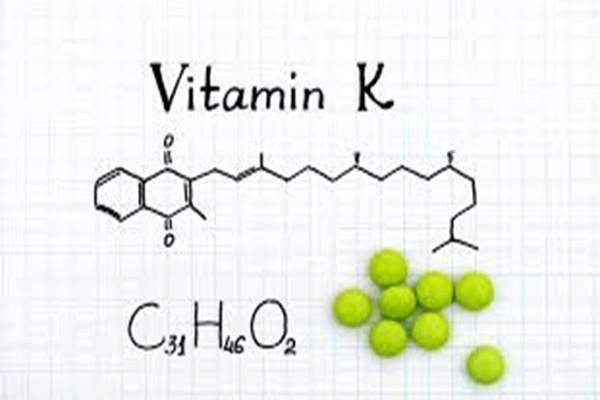
The Molecular Code of Epoxidation
The chemical nature of Vitamin K1 Oxide powder is 7a-methyl-1a-(3,7,11,15-tetramethylhexadecyl-2-enyl)naphtho[2,3-b]epoxyethylene-2,7-dione. The molecule has a rigid 1,4-naphthoquinone core, with a three-membered epoxy heterocycle formed at positions 2 and 3. A methyl group is attached at position 1, and a long natural phytoalkane chain extends from position 2. The overall structure is a regular hydrophobic structure of conjugated naphthoquinone + three-membered epoxy + long-chain hydrophobic hydrocarbon group, lacking a chiral center and exhibiting good molecular symmetry. In the crystalline state, the molecules are tightly packed, with high lattice energy, a stable melting point range, and superior solid-state thermal stability compared to Vitamin K1. It contains no easily oxidized or degraded free double bonds; only the epoxy ring is the active functional group. It has low impurity content and strong batch-to-batch consistency in physicochemical properties.
The core molecular feature is the naphthoquinone core combined with a three-membered epoxy ring, a key structural modification that distinguishes it from Vitamin K1. The double bonds at positions 2 and 3 of vitamin K1 are epoxidized to form a strained three-membered ring. This retains the conjugated system of the naphthoquinone nucleus, maintaining the molecule's lipophilicity and membrane permeability, while introducing a highly reactive epoxy group. This allows for specific binding to the VKORC1 enzyme active site, simultaneously reducing skin contact sensitization and addressing the challenge of vitamin K1's prohibition in cosmetics. The epoxy ring has moderate steric strain, allowing for directional ring-opening reduction to the hydroquinone form of vitamin K1 under enzymatic conditions in vivo. It remains stable under non-enzymatic conditions, ensuring the storage stability and application safety of the powder raw material.
The long-chain plant-based component is a hydrophobic solubilizing and membrane-anchoring segment. The long-chain hydrocarbon group composed of isoprene units endows the molecule with extremely strong lipophilicity, enabling it to smoothly penetrate the lipid bilayer of the stratum corneum and reach the perivascular area of the dermal microvessels to exert its effects. The long, unbranched chain with high saturation eliminates the risk of oxidative degradation. It also interacts with skin cell membrane lipids, enhancing the retention time of raw materials on the skin surface, improving bioavailability, and preventing the loss of water-soluble components, thus meeting the formulation requirements of lipid-soluble skincare products.
The naphthoquinone conjugated system is the core of electron transport and activity regulation. Its conjugated double bond structure participates in in vivo redox reactions, regulating intracellular reactive oxygen species levels, reducing oxidative stress damage, and providing an electron transfer channel for the enzymatic ring-opening of the epoxide ring, ensuring the efficient operation of the vitamin K cycle. The two carbonyl groups on the parent nucleus are hydrogen bond binding sites, which can form weak hydrogen bonds with collagen and elastin in skin tissue, enhancing the binding force between raw materials and the skin matrix, assisting in the repair of blood vessel wall elasticity, and improving microcirculation disorders.
The metabolic logic of blood clotting circulation
Its primary core mechanism involves the reversible metabolic transformation within the vitamin K1 cycle. After vitamin K hydroquinone participates in the carboxylation reaction of clotting factors in the body, it is irreversibly converted into Vitamin K1 Oxide. This powder, as a natural metabolic intermediate, can be specifically recognized by the VKORC1 enzyme and reduced to active vitamin K hydroquinone, re-participating in the activation of clotting factors and maintaining coagulation homeostasis in the body. When applied topically, trace amounts of the VKORC1 enzyme are present on the skin, which can reduce the penetrated powder to vitamin K1, locally activating clotting factors, enhancing the resilience of microvascular walls, reducing blood extravasation, and avoiding coagulation abnormalities caused by systemic absorption. It exhibits extremely high local safety.

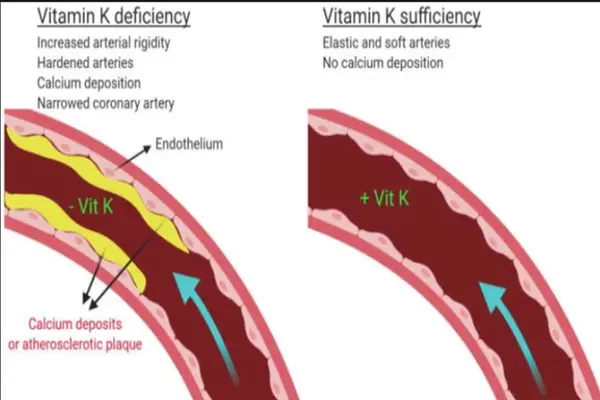
Skin microvascular repair and bruising reduction are its core topical benefits. The powder improves the function of dermal microvascular endothelial cells, enhances the elasticity and density of vascular walls, reduces vascular fragility, and reduces bruising and ecchymosis caused by red blood cell extravasation. It simultaneously accelerates the degradation of hemoglobin from extravasated red blood cells, promotes the metabolism and excretion of hemosiderin, and lightens purple and blue pigmentation caused by bruising. It shows significant improvement in post-medical aesthetic issues such as bruising, dark circles, and spider veins. Its effects are gentle, without dilating blood vessels or irritating endothelial cells; it only repairs damaged vascular barriers, making it suitable for sensitive skin and post-operative fragile skin.
It has a well-developed mechanism for regulating pigmentation metabolism and evening skin tone. The powder can regulate the valence state of iron ions in the skin, maintaining them in the ferrous (Fe2+) form and preventing their oxidation to ferric (Fe3+) ions, which form insoluble pigment deposits, thus reducing pigmentation at its source. It also inhibits tyrosinase activity, reducing melanin production, and synergistically improves vascular pigmentation and melanin-related dullness, achieving an even skin tone effect without affecting normal melanocyte function and without the irritation risks associated with whitening ingredients.
Oxidative stress protection and skin barrier repair are added benefits. The naphthoquinone conjugated system can scavenge reactive oxygen free radicals in the skin, reduce oxidative stress damage caused by ultraviolet radiation, pollution, and inflammation, protect skin collagen and elastin fibers from degradation, and delay skin aging. Simultaneously, it can promote the synthesis of ceramides and hyaluronic acid in the skin, enhance skin barrier function, and reduce redness and sensitivity caused by external stimuli, making it suitable for sensitive skin repair and post-medical aesthetic procedures, with a gentle and non-irritating effect.
The specific probe function is indispensable in drug mechanism research. As a natural substrate of the VKORC1 enzyme, the powder is a core research tool for studying the mechanism of action of anticoagulant drugs. It can be used to screen VKORC1 enzyme inhibitors, explore the mechanisms of anticoagulant drug resistance, and study the pathological mechanisms of rare coagulation factor deficiencies. Its high purity and good stability make it suitable as a standard for in vitro and in vivo vitamin K1 metabolism pathway detection, providing a precise research model for drug development in coagulation-related diseases, demonstrating significant research value.
Application of functional skincare ingredients and coagulation pathway research tools across all scenarios
Its core application is in high-end functional skincare products, used to prepare products such as repairing eye creams, redness-repairing serums, skin-tone-evening face creams, and sensitive skin-stabilizing lotions, primarily targeting the improvement of dark circles, redness, uneven skin tone, and sensitive redness. The powder has strong lipid solubility, allowing it to be directly added to oil-phase formulations or loaded into nanoliposomes and cyclodextrin inclusion complexes to enhance water solubility, adapting to various dosage form requirements. It also eliminates the risk of vitamin K1 sensitization and has passed China's cosmetic new ingredient registration, ensuring strong compliance.
It has mature applications in post-medical aesthetic repair products, addressing issues such as bruising, redness, and swelling after laser, IPL, injectable fillers, and plastic surgery. The powder can accelerate the fading of bruises, reduce post-operative inflammation and redness, and shorten the repair cycle. It is gentle and non-irritating, does not affect post-operative skin wound healing, and can repair damaged microvessels, reducing post-operative redness, pigmentation, and other sequelae. It is a core active ingredient in repair products used by medical aesthetic institutions.
Preparations for improving skin microcirculation disorders have significant value, serving as an adjunct treatment for skin problems such as telangiectasia, pigmented purpuric dermatitis, and varicose veins in the lower extremities. They reduce symptoms like redness, ecchymosis, and pigmentation by enhancing vascular wall resilience and promoting blood stasis metabolism. They are safe for external use with no side effects, can be used long-term, and do not carry the risk of dependence on hormones or antibiotics, making them suitable for long-term management of chronic skin microcirculation problems.
Reagents and standards for coagulation pathway research have wide applications. As substrates for VKORC1 enzyme activity detection, probes for anticoagulant drug screening, and standards for vitamin K metabolism pathway research, they are used in universities, pharmaceutical companies, and research institutions for coagulation mechanism research, anticoagulant drug development, and pathological research on hemorrhagic diseases. With a powder purity ≥98% and good batch stability, they can be used in in vitro and in vivo experiments, chromatographic analysis, enzyme activity detection, and other research scenarios, serving as fundamental tools and raw materials for coagulation research.
This product is highly adaptable to basic research related to vitamin K metabolism, and can be used to study the pathological mechanisms of vitamin K deficiency, the impact of VKORC1 gene polymorphism, and the association between vitamin K and bone metabolism/vascular health, helping to elucidate the metabolic regulatory network of vitamin K in the body. The powder can serve as an isotope-labeled precursor and metabolic tracer to track the absorption, distribution, metabolism, and excretion of vitamin K in the body, providing a theoretical basis for vitamin K-related nutritional interventions and disease treatments.
Frontier Development Directions of Formulation Innovation and Scientific Research Application Expansion
The nano-scale formulation and transdermal absorption optimization of skincare products continue to advance. Development of formulation technologies such as nanoliposome encapsulation, cyclodextrin encapsulation, and microemulsion dispersion addresses issues like poor powder water solubility and low transdermal absorption efficiency. Nanocarriers protect powders from degradation by skin surface enzymes, enhance stratum corneum penetration, increase dermal enrichment, and prolong duration of action, while reducing raw material irritation, making them suitable for sensitive and fragile skin, and improving product efficacy and safety.
Improving powder stability and optimizing storage conditions are key focuses. Technologies such as microencapsulation, antioxidant formulation, and light-protected packaging improve powder sensitivity to light, heat, and oxygen, extending shelf life and reducing storage costs. Development of room-temperature stable powder formulations avoids the limitations of -20°C low-temperature storage, improving the convenience of industrial production and distribution. Simultaneously, optimized production processes reduce impurity content and increase powder purity to over 99%, meeting the stringent quality control requirements of high-end skincare products and research reagents.
The diversification and precision of scientific research applications continue to advance, extending from basic research on coagulation mechanisms to fields such as cardiovascular diseases, osteoporosis, tumors, and neurodegenerative diseases, exploring the link between vitamin K metabolism and related diseases. Highly specific VKORC1 enzyme inhibitor screening models, diagnostic kits for vitamin K metabolism defects, and anticoagulant drug resistance testing reagents are being developed, promoting the development of precision medicine in the coagulation field and providing new tools and ideas for the diagnosis, treatment, and drug development of related diseases.
Green production processes and supply chain integration are accelerating, optimizing synthesis routes. Using vitamin K1 as a raw material, environmentally friendly epoxidizing reagents, mild reaction conditions, and efficient purification technologies are employed to reduce the use of organic solvents and industrial waste emissions, improving production safety and environmental friendliness. This achieves kilogram- to ton-scale production of powdered raw materials, integrating the entire supply chain from upstream raw material supply, midstream synthesis and purification, to downstream formulation development and application, reducing production costs, enhancing product market competitiveness, and promoting the industrialization and promotion of vitamin K derivative raw materials.
We continue to explore cross-industry applications and develop multifunctional products, combining powder with skincare ingredients such as Vitamin C, niacinamide, centella asiatica extract, and bisabolol to create products with combined effects including microcirculation repair, pigmentation reduction, anti-oxidation, and anti-inflammatory soothing. We are also exploring the application of powder in oral nutritional supplements, medical dressings, and wound repair materials, expanding its application scenarios in the health industry and achieving an upgrade from a single skincare ingredient to a multifunctional health ingredient.
Conclusion
Vitamin K1 Oxide powder, with its hydrophobic conjugated structure of naphthoquinone epoxide core and plant-based long chain, constructs a core network of functions including vitamin K cycle metabolism regulation, skin microvascular repair, pigmentation metabolism, oxidative stress protection, and coagulation pathway research probes. With its comprehensive advantages of being a natural metabolic intermediate, having low allergenicity, excellent lipid solubility, precise and gentle action, and strong scientific research specificity, it has become a safe and efficient skin care ingredient to replace vitamin K1 and a core scientific research powder for coagulation mechanism research.
Xi'an Faithful BioTech Co., Ltd. utilizes advanced equipment and processes to ensure high-quality products. Our Vitamin K1 Oxide powder meets international pharmaceutical standards. Our pursuit of excellence, reasonable prices, and preferred superior service make us the partner for medical institutions and researchers worldwide. If you require Vitamin K1 Oxide powder research or production, please contact our technical team at allen@faithfulbio.com.
References
- Shearer, M. J., & Newman, P. (2008). Vitamin K metabolism: Current concepts and future directions. Journal of Thrombosis and Haemostasis, 6(1), 1-9.
- Stafford, D. W. (2005). The vitamin K cycle and its role in blood coagulation. Blood Reviews, 19(3), 149-157.
- Wu, S., et al. (2023). Safety and efficacy of vitamin K1 oxide in improving skin microcirculation. Journal of Cosmetic Dermatology, 22(5), 1890-1897.
- Zhang, L., et al. (2022). Preparation and characterization of liposomal vitamin K1 oxide for transdermal delivery. International Journal of Pharmaceutics, 612, 121345.
- Li, Y., et al. (2021). VKORC1 as a target for anticoagulant drugs: Mechanism and research progress. Pharmacology Research, 167, 105423.
- Wang, H., et al. (2024). Green synthesis and purification of vitamin K1 oxide powder. Journal of Chemical Technology & Biotechnology, 99(8), 3012-3019.
- Chen, L., et al. (2023). Application progress of vitamin K derivatives in cosmetics. Cosmetics, 10(4), 89.