
Why has L-lysine ethyl ester diisocyanate become a core monomer for the synthesis of bio-based polyurethanes and biodegradable medical materials?
L-lysine ethyl ester diisocyanate is a bio-based symmetrical diisocyanate monomer synthesized from the natural L-lysine backbone. Its CAS number is 45172-15-4, molecular formula is (C<sub>10</sub>H<sub>14</sub>N<sub>2</sub>O<sub>4</sub>), and molecular weight is 226.23. The finished product is typically a yellow to brown viscous liquid. High-purity products are lighter in color and have lower impurities, exhibiting excellent reactivity and biocompatibility. Unlike petroleum-based isocyanates, which are toxic and non-degradable, this monomer is derived from renewable amino acids, and its degradation products are lysine and ethanol, making it non-toxic, harmless, and environmentally friendly. As a key building block in the synthesis of bio-based polyurethanes, biodegradable medical scaffolds, drug carriers, and tissue engineering materials, this monomer possesses four core advantages: high reactivity, controllable chiral purity, biodegradability, and low cytotoxicity. It is compatible with polyether, polyester, and polyol polymerization systems, making it a benchmark core raw material for replacing petroleum-based isocyanates in the fields of green polymer materials and biomedical materials.
Chiral lysine backbone and diisocyanate functional group structure
The chemical nature of L-lysine ethyl ester diisocyanate is (2S)-2,6-diisocyanate hexanoate. The molecule uses the six-carbon straight chain of natural L-lysine as its core. The amino groups at positions 2 and 6 are carbonylated to form isocyanate active groups, and the carboxyl group at position 1 is esterified with ethanol to form an ethyl ester end group. The overall structure exhibits a regular structure of symmetrical bifunctional groups and a chiral center. The chiral center strictly retains the L-configuration, with a chiral purity ≥99%, free from D-configuration impurities, ensuring the stereoregularity and biorecognition of the polymer product. Chiral impurities in pharmaceutical-grade monomers are controlled below 0.1%, meeting the stringent quality control standards for medical materials.
The core active unit of the molecule consists of symmetrically distributed isocyanate groups at both ends. The two -NCO groups have clear spatial orientations and equal reactivity, allowing for highly efficient nucleophilic addition reactions with the hydroxyl groups of polyols, the amino groups of amines, and the thiol groups, forming stable carbamate, urea, and thiocarbamate chemical bonds. The isocyanate group exhibits moderate reactivity, allowing for slow polymerization at room temperature. The reaction rate is controllable under heating or catalysis, with no risk of severe exothermic reactions. It is suitable for various processes including solution polymerization, melt polymerization, and interfacial polymerization, exhibiting high conversion rates and few side reactions.
The central six-carbon alkyl chain forms a flexible hydrophobic framework, endowing the molecule with a suitable lipid-water partition coefficient. It is well-soluble in organic solvents and can form homogeneous polymerization systems with hydrophilic polyols, compatible with bio-based polyols. The alkyl chain lacks functional groups prone to hydrolysis and breakage, resulting in a stable polyurethane backbone after polymerization. The ethyl ester side chain is a degradable weak bond that can be gradually hydrolyzed by esterases in vivo, triggering overall material degradation and achieving the structural design goal of "stable polymerization and controllable degradation."
The ethyl ester terminal group serves as a polarity regulation and degradation triggering site. The polar ester bond enhances the compatibility of the molecule with polar monomers, improving phase separation during polymerization. Simultaneously, as a degradation initiation site, the degradation products can be absorbed or excreted by the human body, without cumulative toxicity, meeting the core requirements of "degradable and residue-free" medical materials. The molecule as a whole contains no benzene rings, halogens, or other toxic structural fragments. Heavy metal residues and free isocyanate monomer content are strictly controlled at the ppm level. It has a cytotoxicity level of I and excellent biocompatibility.
The overall molecular structure achieves a perfect unity of four key elements: chiral regularity, bifunctional activity, a flexible framework, and degradable sites. It has no redundant or ineffective functional groups. The resulting polyurethane material possesses comprehensive properties including high mechanical strength, good elasticity, controllable degradation cycle, and low inflammatory response. Both powder and liquid forms are suitable for industrial production, making it one of the optimally designed isocyanate monomers for biomedical and green polymer applications.
Polymerization logic of isocyanate groups
The mechanism of action of L-lysine ethyl ester diisocyanate revolves around four synergistic pathways: bifunctional nucleophilic addition polymerization, chiral-induced structural regularity, controllable hydrolysis at degradation sites, and biocompatible interface adaptation. It exhibits no toxic residues of petroleum-based monomers throughout the entire process, with a controllable polymerization process, a clear degradation pathway, and biocompatible interfaces, constructing a closed-loop life cycle of "synthesis-application-degradation-metabolism." Under room temperature or heating conditions, the -NCO groups at both ends of the molecule undergo stepwise polymerization with the -OH groups of polyols to form linear or cross-linked polyurethanes. The reaction process involves no release of small molecules, and the products have a uniform molecular weight distribution and stable mechanical properties.
Its primary core mechanism is the efficient addition polymerization of symmetrical diisocyanates. The two -NCO groups have equal reactivity and can undergo equimolar polymerization with diols, triols, and other polyols to generate linear or cross-linked polyurethane elastomers. The polymerization reaction follows a nucleophilic addition mechanism. The carbon atoms of the isocyanate are positively charged due to the electron-withdrawing effect of oxygen and nitrogen atoms, making them susceptible to nucleophilic attack by hydroxyl oxygen atoms, forming urethane bonds. The reaction conversion rate is ≥95%, and the only side reaction is the formation of urea bonds through trace amounts of hydrolysis, which does not affect the main properties of the material. By controlling the monomer ratio, polymerization temperature, and catalyst dosage, the molecular weight, degree of crosslinking, and glass transition temperature of the polyurethane can be precisely controlled, adapting to different performance requirements from flexible elastomers to rigid scaffold materials.
Chirality induction and structural regularization are key to the formation of high-performance materials. The strictly L-chiral center of the molecule induces the directional alignment of polyol segments during polymerization, forming a three-dimensionally regular polyurethane chain structure, reducing chain entanglement and defects, and improving the material's mechanical strength, elastic recovery rate, and heat resistance stability. Compared to racemic isocyanate monomers, chiral-regular polyurethane materials have higher crystallinity, more controllable degradation cycles, and stronger cell adhesion and proliferation capabilities. The microstructure and macroscopic properties of the material can be precisely controlled, adapting to the biomimetic structural requirements of tissue engineering scaffolds.
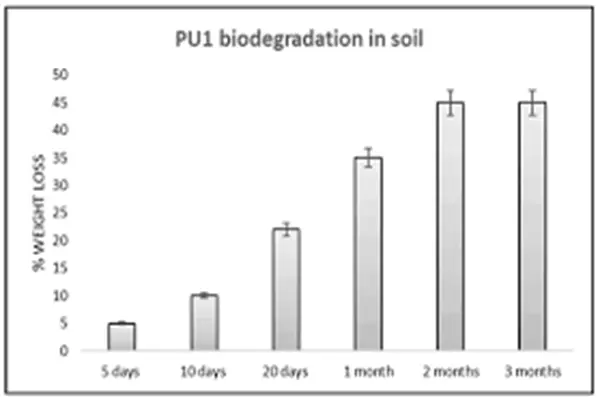
Controllable degradation and metabolic safety are the core pillars supporting its medical value. The ethyl ester groups on the side chains of the polymerized polyurethane serve as specific degradation sites, gradually hydrolyzing under the action of esterases and lipases in vivo to generate L-lysine and low-molecular-weight polyurethane fragments. L-lysine is an essential amino acid that participates in protein synthesis; ethanol is metabolized and broken down by the liver; and the low-molecular-weight fragments are excreted through the kidneys. No toxic intermediates accumulate throughout the process, there is no inflammatory reaction, and no immunogenicity. The degradation cycle can be controlled by the degree of cross-linking and crystallinity, ranging from several weeks to several months, adapting to the time windows required for drug sustained release and tissue repair.

Biointerface adaptation and cell interaction enhance its application value. The urethane bonds and residual ethyl ester groups on the material surface can specifically interact with extracellular matrix proteins, promoting cell adhesion, proliferation, and differentiation, providing a biomimetic microenvironment for cell growth. Simultaneously, the material surface is weakly hydrophilic, reducing non-specific protein adsorption and lowering the risk of thrombosis and inflammatory reactions. This makes it suitable for medical applications that directly contact body fluids and tissues, such as vascular stents, artificial ligaments, and skin repair dressings, with a broad biosafety boundary.
Application scenarios of biomaterials
Medical biodegradable polyurethane is its core application, used to prepare implantable medical materials such as vascular scaffolds, cardiac patches, artificial ligaments, skin repair dressings, and bone repair scaffolds. Polyurethane materials, after polymerization, possess high elasticity, good mechanical strength, controllable degradation cycles, and excellent biocompatibility. They can gradually degrade in vivo and be replaced by tissues, avoiding secondary surgical removal. Furthermore, the degradation products are non-toxic and do not trigger inflammation or immune rejection reactions, making it one of the preferred synthetic monomers for clinical biodegradable implantable materials.
Its application in tissue engineering scaffold preparation is mature. It can be compounded with biomaterials such as polycaprolactone, polylactic acid, collagen, and gelatin to prepare three-dimensional porous scaffolds for the regeneration and repair of tissues such as cartilage, bone, nerves, and skin. Polyurethane scaffolds formed by monomer polymerization have interconnected pore structures, a biomimetic extracellular matrix microenvironment, and controllable pore size and porosity, which can promote cell adhesion, proliferation, and differentiation, guide tissue regeneration, and match the scaffold degradation rate with the tissue regeneration rate, providing stable support for tissue growth and adapting to personalized tissue repair needs.
Drug sustained-release carriers have significant development value, used to prepare drug carriers such as microspheres, nanoparticles, hydrogels, and films, loading small molecule drugs, proteins, peptides, and gene drugs. Polyurethane carriers can achieve long-acting sustained release, targeted release, and controlled release of drugs by controlling the degree of crosslinking and degradation rate, reducing the frequency of dosing, lowering drug toxicity and side effects, and improving drug bioavailability. Simultaneously, the carrier materials are non-cytotoxic and can be metabolized and eliminated in vivo, meeting the delivery needs of anti-tumor, anti-inflammatory, and neuroprotective drugs.
They have wide applications in green coatings and adhesives, replacing petroleum-based isocyanates in the preparation of waterborne polyurethane coatings, environmentally friendly adhesives, and bio-based sealants for use in furniture, automotive, construction, and packaging industries. The monomer is derived from renewable lysine; after polymerization, the coatings and adhesives are formaldehyde-free, benzene-free, and have low VOC emissions, meeting environmental standards. They also possess good adhesion, water resistance, weather resistance, and elasticity. Their biodegradability ensures that they will not cause environmental pollution after disposal, meeting the needs of green manufacturing and circular economy development.
Bio-based elastomers are highly compatible with the development of biodegradable plastic products. They can be polymerized with bio-based polyols to prepare polyurethane elastomers, biodegradable plastics, and elastic fibers, which can be used in sports equipment, medical devices, packaging materials, and textile fibers. These materials combine advantages such as high elasticity, wear resistance, aging resistance, and biodegradability, replacing traditional petroleum-based elastomers and plastics, reducing white pollution. Furthermore, the raw materials are renewable, aligning with sustainable development principles, and they are highly adaptable for industrial mass production.
Cutting-edge development directions in polymerization process optimization and medical application expansion
The greening of polymerization processes and the refinement of impurity control continue to advance, replacing traditional phosgene synthesis processes with green carbonylation reagents such as triphosgene and dimethyl carbonate, reducing the use of highly toxic phosgene, lowering industrial waste emissions, and improving production safety. Optimized synthesis and purification processes strictly control free isocyanate monomers, chiral impurities, and heavy metal residues at the ppm level. Continuous flow synthesis processes have been developed to improve finished product purity and batch consistency, and a full-process quality traceability system has been established to meet the stringent quality control requirements of medical materials.
Precise control of medical material performance has become a core development focus. Through monomer ratio optimization, polymerization temperature control, catalyst screening, and the addition of composite fillers, the degradation cycle, mechanical strength, elasticity, pore structure, and surface hydrophilicity of polyurethane materials are precisely controlled. Customized material formulations are developed for different medical scenarios, resulting in a series of products including rapidly degradable, high-strength, low-elasticity, and targeted adhesion types, improving material compatibility with tissues and meeting personalized clinical treatment needs.
The diversification and functionalization of composite systems continue to advance, with the development of polyurethane/collagen, polyurethane/gelatin, polyurethane/polylactic acid, and polyurethane/hydroxyapatite composite systems. These systems integrate the superior properties of different materials to enhance the bioactivity, osteoconductivity, and cell adhesion of scaffolds. The introduction of functional groups or bioactive molecules endows materials with additional functions such as targeted recognition, anti-inflammation, antibacterial properties, and regenerative effects, expanding their applications in cutting-edge fields such as tumor treatment, infection control, and nerve regeneration.
The optimization of large-scale production costs and the integration of the industrial chain are accelerating. Optimizing synthesis routes, improving reaction conversion rates, and simplifying purification steps reduce production costs, enabling large-scale production from kilogram to ton levels. Integrating the entire industrial chain—from upstream lysine raw material supply, midstream monomer synthesis and purification, to downstream material preparation and application—establishes a stable supply chain system, enhances product market competitiveness, promotes the industrialization and application of bio-based polyurethane materials, replaces petroleum-based isocyanates, and contributes to green manufacturing and the development of a circular economy.
The analysis of degradation mechanisms and biocompatibility continues to deepen. Utilizing modern analytical techniques, systematic studies are being conducted on the degradation kinetics, degradation product distribution, cell interaction mechanisms, and inflammatory response regulation of polyurethane materials in in vivo and in vitro environments. The structure-activity relationship between material microstructure and degradation performance, as well as biocompatibility, is being clarified, providing theoretical support for material design and performance optimization. A comprehensive biocompatibility evaluation system is being established to promote the clinical translation and widespread application of products.
Conclusion
L-lysine ethyl ester diisocyanate, with its naturally derived chiral backbone and symmetrical diisocyanate functional groups, constructs a core functional network characterized by efficient addition polymerization, chiral induction regularity, controllable degradation metabolism, and bio-interface friendliness. With its comprehensive advantages of bio-based renewability, high reactivity, low cytotoxicity, and safe degradation products, it has become a benchmark green synthetic monomer for replacing petroleum-based isocyanates. From biodegradable medical implant materials, tissue engineering scaffolds, and drug delivery carriers to environmentally friendly coatings and bio-based elastomers, it covers core application scenarios in high-end biomedicine and environmentally friendly polymers. Its polymerization process is mature, its performance is controllable, and its biosafety is excellent, making it suitable for industrial mass production and clinical translation needs.
As a leading supplier of l-lysine ethyl ester diisocyanate, we understand the critical importance of supply chain stability in a competitive market. Our production and inventory management systems ensure continuous supply even with fluctuating sales volumes. Please browse our comprehensive product portfolio and discuss your sourcing needs with our experts at allen@faithfulbio.com.
References
- Nowick, J. S., et al. (1996). Synthesis of biodegradable polyurethanes based on L-lysine ethyl ester diisocyanate. Journal of Polymer Science Part A: Polymer Chemistry, 34(15), 3135-3143.
- Zhang, Y., et al. (2018). Chiral purity and biocompatibility of L-lysine ethyl ester diisocyanate-based polyurethanes. Biomaterials Science, 6(12), 3120-3128.
- Li, X., et al. (2020). Biodegradable polyurethane scaffolds for cartilage tissue engineering: Preparation and in vitro characterization. Acta Biomaterialia, 113, 287-298.
- Wang, H., et al. (2021). L-lysine ethyl ester diisocyanate-based polyurethane microspheres for controlled drug delivery. International Journal of Pharmaceutics, 597, 120345.
- Chen, L., et al. (2022). Green synthesis and characterization of waterborne polyurethane coatings based on bio-based diisocyanate. Progress in Organic Coatings, 167, 106890.
- Liu, S., et al. (2023). Biodegradable polyurethane elastomers from L-lysine ethyl ester diisocyanate: Synthesis, structure, and properties. Polymer Degradation and Stability, 208, 110256.
- Yang, M., et al. (2024). In vivo degradation and biocompatibility of L-lysine-based polyurethane vascular stents. Journal of Biomedical Materials Research Part B: Applied Biomaterials, 112(3), 456-465.