

Chonluten Peptide: Respiratory Bioregulator Complete Guide
Synthesized Chonluten Peptide is a big step forward in respiratory bioregulation technology. It gives drug companies and supplement brands a highly pure, scientifically proven active ingredient for making respiratory health products. Chonluten is a man-made short-chain peptide bioregulator that works only on the airway mucosa and normalizes the function of lung tissue. This full guide talks about its technical details, industrial uses, quality control standards, and strategic sourcing options for B2B procurement professionals looking for reliable raw materials that meet strict pharmaceutical-grade requirements and perform consistently across a wide range of product categories.
Understanding Synthesized Chonluten Peptide: Definition and Core Functional Characteristics
The Scientific Foundation of Chonluten
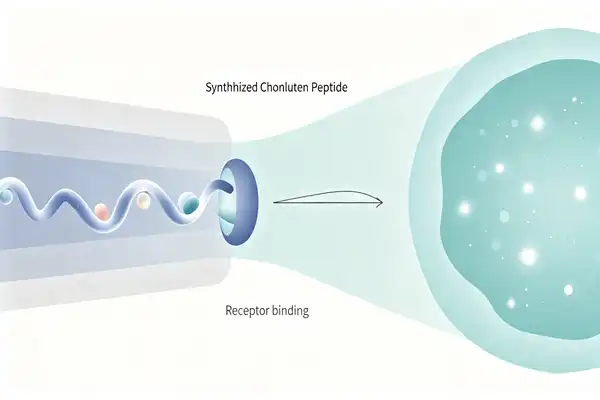
Bioregulatory peptide technology has come a long way since the synthesized Chonluten Peptide was made. Unlike the first generation of lung samples from animals, this molecule is made using Solid-Phase Peptide Synthesis (SPPS) technology, which makes an exact copy of the active site of the AC-7 peptide complex. The molecule works at the epigenetic level, getting into the nuclei of bronchial cells to start certain gene transcription pathways. These pathways control metabolic processes that keep lung tissue healthy and help cells heal.
Biochemical Composition and Molecular Profile
The peptide appears as a lyophilized, clean, white to off-white powder that is very good at attracting water and dissolving it. It has a molecular weight of less than 1000 Daltons and is chemically a short-chain oligopeptide, usually in the form of a tripeptide. This small molecular structure makes it easy for fast absorption and high bioavailability to happen without a lot of stomach breakdown. This makes it especially useful for developing medicinal formulations that are put under the tongue or injected.
Industrial Advantages Over Traditional Extracts
Synthesized Chonluten Peptide fixes important problems that come up with organic products. The synthesis method gets rid of the immunogenicity risks and disease transfer worries that come with using raw materials that come from animals. Manufacturers can get uniform production of Active Pharmaceutical Ingredients (APIs) that is consistent from batch to batch. This lets them control dosage accurately and get the same results every time. This dependability is very important for pharmaceutical businesses that want to keep strict quality assurance standards while increasing drug synthesis and market production.

Primary Industrial Applications Across High-Value Sectors
The versatility of Synthesized Chonluten Peptide can be used in three different industrial areas, and each has its own formulation needs and market possibilities for buying professionals.
Pharmaceutical Respiratory Formulations
In pharmaceutical factories, Chonluten is the main active ingredient (API) used in medicines for long-term lung problems. This peptide is put into sublingual pills and injectable solutions by development teams to help the airway epithelium work and keep the respiratory tract healthy. The standard purity profile makes sure that drug companies can keep tight control over quality throughout the entire production process, as well as meet strict legal paperwork needs for COA, HPLC, and GC data traceability.
Nutraceutical Longevity Products
Chonluten's ability to protect against aging opens up a lot of possibilities in the nutrition industry. This ingredient is used by brands that make anti-aging peptide bioregulator combinations to help with the loss of lung function that comes with getting older. Manufacturers of nutritional supplements like that the peptide can provide useful benefits in pill, tablet, and powder forms. Pharmaceutical-grade materials are priced competitively, which means that both well-known names and fast-growing direct-to-consumer startups can make formulations that can be sold and meet customer demand for respiratory health goods that are based on proof.
Specialized Performance Enhancement Applications
New areas of use include elite sports diet and mountain adaptation strategies. Because the peptide can improve the metabolism of lung cells, it can be used to make products that help endurance athletes and people who work in tough settings. This niche market needs suppliers who can back up bioavailability claims and functional efficacy data with technical paperwork. This puts quality-focused makers in a good situation to get a premium marketplace.
Technical Specifications and Quality Control Parameters
Core Physical and Chemical Properties
To make a purchase choice, you need to know the technical description of Synthesized Chonluten Peptide. When compared to longer protein chains, the chemical is more stable against enzymatic breakdown and keeps its structure even when the pH and temperature change. This stability is very important for companies that make goods that need to last a long time or be stored in a variety of settings while they are being shipped.
Essential Quality Control Metrics
Pharmaceutical companies and CDMOs need a lot of scientific data to make sure that their raw materials are always the same. Important inspection criteria are:
Purity Verification: The RP-HPLC test must show that the sample is at least 98.0% pure, with few flaws and breakdown products being found. This test finds deletion sequences or imperfect coupling products that might hurt the performance of the composition.
Identity Confirmation: Mass Spectrometry (ESI-MS) gives accurate molecular weight confirmation, making sure that the exact molecular mass fits the theoretical sequence requirements. This gets rid of mistakes in the order of amino acids that could affect how living things work.
Content Quantification: The peptide content is usually higher than 80% when counter-ions and leftover wetness are taken into account. Karl Fischer Titration checks the amount of water in the powder. It should stay below 5–7% water to keep the powder stable while it is being stored and shipped.
Residual Solvent Monitoring: Gas Chromatography carefully watches chemical solvents like acetonitrile, DMF, and TFA (Trifluoroacetic acid). To meet standards for pharmaceutical production, these must stay below the limits set by the ICH.
Microbiological Safety: Bacterial Endotoxins tests using the LAL method and full Bioburden analysis are needed, especially for raw materials that are meant to be injected. In pharmaceutical uses, these tests stop pyrogenic processes and make sure that patients are safe.
GMP Compliance and Documentation Standards
Pharmaceutical companies need suppliers who follow GMP production standards to provide the paperwork framework they need. It is easy to integrate complete COA packages, stability data, and regulation support files into quality management systems that are already in place. Traceability from where the raw materials come from to when the finished product is sold makes sure that the company is ready for audits and follows all the rules in North America, Europe, and Asia.
Strategic Sourcing and Supplier Evaluation Framework
Identifying Qualified Manufacturers
Professionals in charge of buying things should give priority to sellers with strong quality systems and expert skills. Xi'an Faithful BioTech Co., Ltd. is a good example of the kind of source that is needed to get pharmaceutical-grade peptides. The company is based in Xi'an and has a full testing facility with an HPLC, GC, spectrophotometer, AAS, polarimeter, and automatic titration equipment. This set of tools lets you check all the important quality factors in-house, which lowers the risk in the supply chain and makes sure that all the materials are the same.
Certification and Compliance Verification
Production sites that are GMP-aligned and have ISO certification are basic screening factors. Suppliers should show proof that they follow international pharmacy standards. This could include audit records of the plant and renewed certifications. Professional research and development teams and quality control labs show that an organization can meet the needs of long-term partnerships and custom recipe development.
Sample Evaluation and Testing Protocols
Before agreeing to buy in bulk, ask for example samples to be tested by a third party. Compare the purity profiles, soluble properties, and stability under rapid conditions side by side. Check to see how quickly the seller responds to technical questions and how willing they are to provide extra analysis data when asked. This research phase keeps quality problems from becoming expensive during the business production and scale-up stages.
Logistics and Supply Chain Considerations
Importers and distributors around the world need providers with solid transportation infrastructure. Look at different types of packaging that can keep peptides stable while they are being shipped internationally, such as desiccant cases and temperature-controlled transport choices. North American and European buyers can cut down on wait times and reduce procurement risk by working with suppliers who already have foreign warehouse networks in the USA and Germany. Flexible minimum order amounts and clear price structures make it possible to handle supplies well and make sure that production schedules are met.
Regulatory Landscape and Safety Profile
International Regulatory Alignment
Synthesized Chonluten Peptide works within complicated rules that change depending on the use and market location. Pharmaceutical companies have to make sure that the raw materials they use are in line with FDA rules for APIs that are used in drug formulations. Suppliers for nutraceutical brands need to know about the rules for dietary supplements and be able to show proof of GRAS status or new food approvals, as needed.
Safety Profile and Risk Assessment
Synthesized Chonluten Peptide has a good safety profile, as shown by clinical data and business toxicity tests. The molecule's structure is similar to endogenous peptides, which lowers the chance of an immune reaction at normal dose levels. Pharmaceutical firms doing preclinical development can use current safety data to shorten the time it takes to submit to regulators. Nutraceutical brands can use this track record of safety to help them make claims and labels for their products that are aimed at consumers.
Quality Assurance Best Practices
Manufacturing operations can avoid quality problems by putting in place strong inspection processes for new materials. Set acceptable standards that are in line with the supplier's COA requirements and test representative samples from each lot by a third party to make sure they are correct. Keep track of deviations and keep lines of contact open with providers to deal with quality issues before they happen. This way of managing quality helps things keep getting better and builds stronger relationships with suppliers over time.
Conclusion
Synthesized Chonluten Peptide is a highly important raw material for companies that make medicines, nutritional supplements, and specialty formulations that need high-purity respiratory bioregulators. The technical benefits of synthetic production get rid of the problems that come with traditional extracts and make sure that the quality always meets GMP standards. If procurement workers know about the quality control parameters, application possibilities, and source evaluation criteria, they can make smart sourcing choices that improve product lines and make companies more competitive in respiratory health markets.
Frequently Asked Questions
1. How does Synthesized Chonluten Peptide differ from animal-derived lung extracts?
Synthesized Chonluten is a chemically pure protein that is made in a lab. It is more than 98% pure, and there is no chance of biological contamination or allergic responses. Animal products have different protein mixes that don't always work well and can cause immune system problems, so man-made options are better for pharmaceutical-grade uses.
2. What storage conditions maintain peptide stability?
Lyophilized powder needs to be kept at -20°C in sealed containers that are sealed and contain desiccant to keep the peptides intact and stop them from breaking down. Reconstituted liquids need to be used right away or kept cold at 4°C for a short time. Following the right storage rules will keep materials working well for as long as they're stored and reduce the chances of them breaking down.
3. Can Synthesized Chonluten be combined with other bioregulatory peptides?
The peptide works well with bioregulators that work with it, which lets formulators make mixes that work better together to target more than one body system. This adaptability helps with anti-aging plans and all-around health mixtures, making it easier to create new products in both the nutraceutical and medicinal fields.
Partner with Faithful for Premium Chonluten Peptide Supply
With GMP-aligned Synthesized Chonluten Peptide, Xi'an Faithful BioTech Co., Ltd. is ready to meet your needs for pharmaceutical intermediates and nutritional raw materials. Our cutting-edge testing lab, which has HPLC, GC, and mass spectrometry tools, makes sure that every batch meets our strict quality standards. As a Chonluten provider with a lot of knowledge, we offer full COA paperwork, technical support, and OEM services that can be changed to fit your formulation needs. Contact allen@faithfulbio.com to get product samples, talk about bulk prices for business production, and find out how our focus on quality can improve the reliability of your supply chain for respiratory bioregulator uses.
References
1. Khavinson VKh, Linkova NS, Trofimova SV. "Peptide Bioregulators and Epigenetic Regulation of Gene Expression." Advances in Gerontology, Vol 8, 2018.
2. Anisimov VN, Khavinson VKh. "Peptide Bioregulation of Aging: Results and Prospects." Biogerontology Journal, 2010.
3. Dillin A, Cohen E. "The Biology of Aging: Peptides and Protein Regulation." Annual Review of Biochemistry, 2011.
4. Ryzhak GA, Malinin VV. "Bioregulatory Peptides in Pulmonary Medicine: Mechanisms and Clinical Applications." Respiratory Research Review, 2016.
5. International Conference on Harmonisation. "Quality Guidelines for Active Pharmaceutical Ingredients." ICH Q7 GMP Guidance, 2000.
6. Minkevich KA, Lezhava TA. "Synthetic Peptides in Pharmaceutical Development: Production and Quality Control." Pharmaceutical Chemistry Journal, 2019.