




How does Guanidine thiocyanate powder regulate nucleic acids and cellular homeostasis?
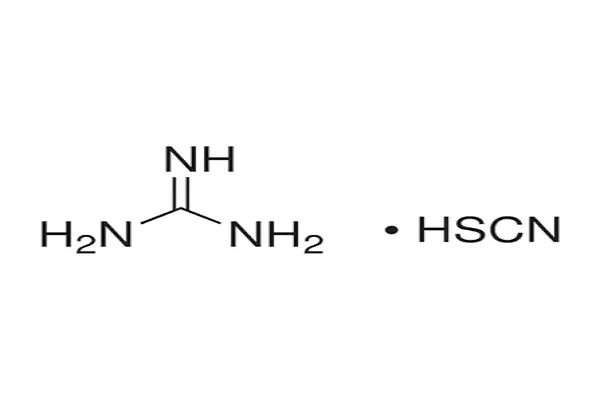
Guanidine thiocyanate powder is a high-purity chemical raw material belonging to the guanidine thiocyanate class. It is an ionic crystalline powder formed by the combination of guanidine cations and thiocyanate anions, possessing extremely strong protein denaturing ability and nucleic acid protection properties. After recrystallization and purification, trace amounts of nucleases, heavy metals, and insoluble impurities are controlled at extremely low levels. The solubility and biological effects of different batches of the raw material remain stable and consistent. Unlike ordinary detergent-type lysis components, Guanidine thiocyanate powder relies on a high-concentration ionic environment to disrupt the higher-order structure of proteins while inhibiting the activity of various nucleic acid-degrading enzymes. It can stabilize nucleic acid molecules while lysing cells, making it suitable for various biological experimental scenarios such as nucleic acid extraction and biological sample preservation. The biological effects of guanidine thiocyanate powder are directly affected by the molar concentration of the solution, the pH value of the system, and other coexisting reagents. Understanding the underlying logic of the interaction between ions and biomolecules is crucial to obtaining stable and reliable experimental results in various biological systems, fully realizing the core value of this raw material in the field of biological sample processing.
🧩 Ionic Crystal Configuration Supports the Basis of Macromolecular Interactions
The guanidine thiocyanate powder is composed of guanidine ions and thiocyanate ions. The guanidine cation carries a high-density positive charge, while the thiocyanate ion is a weakly hydrated anion. Together, they form a stable ionic crystal structure. The crystal can completely dissociate in aqueous solution, releasing a large number of free cations and anions, creating a high molar concentration ionic environment. This unique ionic property is the fundamental basis for the raw material's ability to act on biomacromolecules. The guanidine cation can form competitive hydrogen bonds with polar groups and water molecules on protein peptide chains, gradually breaking the hydrogen bonds and hydrophobic interactions that maintain the secondary and tertiary structures of proteins, causing the originally folded protein polypeptide chains to unfold and denature. The thiocyanate anion can further reduce the surface tension of the aqueous solution, weaken the aggregation effect between hydrophobic groups, and synergistically accelerate the protein unfolding process with the guanidine ion. If the raw material is not pure enough, containing trace amounts of heavy metal ions or residual amine impurities, it will interfere with the ion hydration balance, weakening the protein denaturation and nucleic acid protection capabilities. This is the core reason why the impurity content is a key focus in the raw material quality control process. Other common guanidine salts, such as guanidine hydrochloride, do not possess the weak hydration properties of thiocyanate anions. Therefore, at the same molar concentration, their inhibitory effect on nucleases is weaker than that of Guanidine thiocyanate powder. The synergistic effect of thiocyanate gives this raw material an irreplaceable advantage in the field of nucleic acid extraction.
Guanidine thiocyanate powder is chemically stable under dry, sealed, and light-protected solid conditions. It does not exhibit significant deliquescence or component decomposition even after long-term storage at room temperature, allowing for long-term storage for large-scale sample processing. However, this crystalline powder is highly hygroscopic. When exposed to high humidity, it rapidly absorbs moisture from the air, leading to clumping. Clumping significantly reduces the dissolution rate, and small insoluble particles can easily appear during solution preparation, interfering with subsequent nucleic acid separation. When preparing working solutions, Guanidine thiocyanate powder is typically dissolved in a buffer system according to a predetermined molar ratio and stirred thoroughly until completely clear. A blank control system is also provided to eliminate interference from the buffer components themselves on nucleic acid stability, ensuring that subsequent nucleic acid detection data accurately reflects the nucleic acid content of the sample. In the development of biological reagents, optimizing buffer system ratios and balancing the denaturing ability of Guanidine thiocyanate powder with nucleic acid stability is a core focus of formulation development. It is often used in conjunction with chelating agents and surfactants to further inhibit metal ion-mediated nucleic acid degradation. The particle size of the powder also affects dissolution efficiency. Ultrafinely processed Guanidine thiocyanate powder has a larger specific surface area and dissolves faster, making it suitable for high-throughput sample processing scenarios requiring rapid preparation of lysis buffers, effectively shortening pretreatment time.
The high-concentration ionic environment generated by the dissociation of Guanidine thiocyanate powder can strongly inhibit the activity of ribonucleases and deoxyribonucleases. These nucleases are widely present inside cells and in the environment, rapidly degrading free nucleic acid chains. The catalytic activity of nucleases depends on their precise folded spatial conformation. Guanidine thiocyanate powder can induce denaturation and unfolding of enzyme proteins, disrupting the active site structure and directly eliminating their catalytic ability to degrade nucleic acids. Unlike protease inhibitors, which bind specifically to enzyme active sites, Guanidine thiocyanate powder is a broad-spectrum enzyme inhibitor, capable of simultaneously inhibiting multiple types of nucleic acid-degrading enzymes. It achieves stable nucleic acid preservation without the need for multiple inhibitor combinations. The levels of endogenous nucleases in cells vary among individuals. In ordinary lysis systems, nucleic acids are rapidly degraded upon cell rupture. However, lysis systems containing Guanidine thiocyanate powder can immediately inhibit enzyme activity during cell rupture, maximizing the preservation of the integrity of the original nucleic acids in the sample. Many nucleic acid-related experiments tend to overlook the nucleic acid degradation problem during sample lysis, relying solely on subsequent cryopreservation, which easily leads to nucleic acid fragment breakage, underestimating the crucial role of Guanidine thiocyanate powder in immediate nucleic acid protection.
The cell membrane and organelle membranes are mainly composed of a phospholipid bilayer and membrane proteins. Membrane proteins maintain the integrity of the membrane structure. Guanidine thiocyanate powder can denature membrane structural proteins, disrupting the orderly arrangement of the phospholipid bilayer, achieving rapid cell lysis and releasing intracellular nucleic acid components. The weak lipid solubility of Guanidine thiocyanate powder prevents it from indiscriminately penetrating intact cell membranes. Under appropriate concentration conditions, it only works after the system directly contacts the cells and disrupts the membrane structure, preventing it from penetrating into intact cells and causing additional nucleic acid damage during sample preservation. In the lysis of microbial, tissue, and body fluid samples, Guanidine thiocyanate powder can simultaneously complete cell disruption, protein denaturation, and nuclease inhibition, significantly simplifying the nucleic acid pretreatment process. Compared to physical lysis methods such as ultrasonic lysis and repeated freeze-thaw cycles, chemical lysis using Guanidine thiocyanate powder is gentler, avoiding shear forces that could break long nucleic acid fragments, making it more suitable for the recovery and detection of full-length nucleic acid molecules.
The high-concentration Guanidine thiocyanate ionic environment alters the solubility properties of nucleic acid molecules. The nucleic acid backbone carries a large number of negative charges; in a high-salt system, ions can neutralize the charge repulsion effect of nucleic acids, promoting solid-phase adsorption under specific conditions. This characteristic is the core principle of silica column-based nucleic acid extraction. In a high-concentration guanidine salt environment, the surface of silicon materials becomes positively charged. Nucleic acid molecules adsorb onto the silicon matrix surface through charge-electric interactions, while impurities such as proteins, polysaccharides, and lipids do not adsorb. The pure nucleic acids can then be eluted and recovered using a low-salt elution buffer. This controllable adsorption and elution characteristic makes Guanidine thiocyanate powder one of the core ingredients in commercial nucleic acid extraction kits. However, this adsorption effect has a strict concentration threshold. Insufficient concentration significantly reduces nucleic acid adsorption efficiency, while excessively high concentrations increase the risk of residual impurities. During kit formulation debugging, the final concentration of Guanidine thiocyanate powder needs to be repeatedly optimized to balance nucleic acid recovery rate and sample purity.
⚖️ Ionic Microenvironment Regulates the Conformation and Stability of Biomolecules
Proteins rely on specific spatial conformations to perform physiological functions. Hydrogen bonds, hydrophobic interactions, and ionic bonds work together to maintain the folded state of polypeptide chains. The solution environment formed by high-concentration Guanidine thiocyanate can competitively attract water molecules, breaking down the various weak interactions that maintain the protein's spatial structure and causing the native protein to transform into a random coil denatured state. Different proteins exhibit significantly different tolerances to guanidine salt denaturation. Proteins rich in hydrophobic structures are more likely to unfold at lower guanidine thiocyanate concentrations, while structurally stable proteins require higher ion concentrations for complete denaturation. This differentiated denaturation characteristic can be used for fundamental research on protein folding. By adjusting the concentration of guanidine thiocyanate in a gradient, the dynamic process of protein conformation changes with the ionic environment can be monitored, revealing the intrinsic rules governing protein folding. This denaturation is reversible; after sufficient dilution to remove guanidine ions, some protein polypeptide chains can spontaneously refold to restore their original spatial structure and biological activity. This reversible property expands the application value of guanidine thiocyanate powder in protein renaturation research.
The secondary structural stability of nucleic acid molecules is also affected by the guanidine thiocyanate ionic environment. Double-stranded nucleic acids rely on hydrogen bonds between bases to maintain their double helix structure. High concentrations of guanidine ions can alter the dielectric constant of the solution, weakening the stability of hydrogen bonds and promoting the unwinding of double-stranded nucleic acids. This effect can be applied to nucleic acid denaturation-related detection systems, such as nucleic acid hybridization experiments. Adding an appropriate concentration of Guanidine thiocyanate powder can achieve double-strand unwinding under relatively mild temperature conditions, avoiding damage to long-chain nucleic acids caused by high-temperature treatment. Simultaneously, guanidine ions can stabilize the structure of single-stranded nucleic acids, reducing the formation of hairpin structures by folding single-stranded molecules and improving the hybridization efficiency between nucleic acid probes and target sequences. The system pH and guanidine salt have a synergistic effect; a slightly acidic environment enhances the perturbation ability of Guanidine thiocyanate on the secondary structure of nucleic acids, while a neutral environment has a relatively mild effect on intact double-stranded nucleic acids. When constructing nucleic acid hybridization and electrophoresis systems, it is necessary to simultaneously control both pH and guanidine salt concentration, two key parameters.
The continuous degradation by endogenous nucleases is the primary cause of nucleic acid loss in biological samples. Guanidine thiocyanate powder achieves broad-spectrum inhibition by denaturing nuclease proteins, effectively inactivating RNases and DNases from animal tissues, microorganisms, or body fluids. Many conventional nucleic acid protection reagents can only specifically inhibit certain types of RNases and cannot cover DNases. Guanidine thiocyanate powder, however, can simultaneously cover multiple nucleic acid degrading enzymes, making it more suitable for complex mixed biological samples. In scenarios where field samples and ex vivo tissues cannot be immediately cryopreserved, preservation solutions containing guanidine thiocyanate can rapidly inactivate nucleases within the sample, stably preserving nucleic acids at room temperature and solving the problem of nucleic acid degradation during sample transportation and temporary storage. However, this inhibitory effect has a lower concentration limit; after dilution, if the guanidine salt concentration is insufficient, the inactivated nucleases will regain activity, and the nucleic acids in the sample will rapidly degrade. Therefore, the dilution of preserved samples requires a rapid purification process and the samples should not be left in the diluted system for extended periods.
Polysaccharides and polyphenols, as sample impurities, can non-specifically bind to nucleic acids, interfering with subsequent nucleic acid purification and detection. The high ionic environment created by guanidine thiocyanate can weaken the interaction between polysaccharides, polyphenols, and nucleic acids, reducing co-precipitation of impurities and nucleic acids, and improving the purity of the final nucleic acid sample. Plant tissue samples are rich in polyphenols and polysaccharides. These impurities readily bind tightly to nucleic acids, forming complexes that are difficult to remove using conventional extraction methods. Using a lysis system containing Guanidine thiocyanate can effectively dissociate these complexes, allowing nucleic acids to be fully released into the liquid phase, followed by adsorption onto a silica matrix for purification. However, even extremely high concentrations of Guanidine thiocyanate can remain in the nucleic acid sample. Residual guanidine ions can inhibit the activity of subsequent polymerase chain reactions (PCRs), causing amplification failure. Therefore, a thorough washing step must be included in the purification process to completely remove guanidine salt residues and ensure the smooth execution of downstream molecular detection experiments.
The ionic environment created by Guanidine thiocyanate powder alters the intracellular osmotic pressure. High-concentration guanidine salt solutions have a strong osmotic effect, rapidly inducing cell dehydration upon contact with cells, aiding in cell membrane disintegration, and further enhancing cell lysis efficiency. Different cell types have varying cell wall and cell membrane tolerances. Mammalian cells lack cell walls and can be fully lysed in low-concentration guanidine salt systems. Bacteria and fungi, however, have dense cell walls and require heating or mechanical disruption, necessitating the use of Guanidine thiocyanate powder to achieve efficient nucleic acid release. The dehydration effect caused by osmotic pressure is a physical aid, working synergistically with the chemical action of protein denaturation to complete sample lysis; both factors jointly determine the overall pretreatment efficiency. In experimental design, adjusting the final concentration of Guanidine thiocyanate for different sample types ensures thorough lysis while reducing downstream interference from unnecessary high-salt residues, thus guaranteeing the stability and reliability of the entire nucleic acid processing procedure.
🔬 Changes in Macromolecular Homeostasis Lead to Adaptations in Sample Processing and Molecular Detection
The integrity of nucleic acid molecules directly determines the reliability of downstream molecular detection results. Guanidine thiocyanate powder can block nucleic acid degradation instantly during cell lysis, preserving original nucleic acid fragments to the maximum extent and reducing quantitative bias caused by nucleic acid breakage. In applications such as quantitative real-time nucleic acid detection and high-throughput sequencing, where nucleic acid integrity is extremely critical, samples processed using the Guanidine thiocyanate system show significantly better reproducibility than ordinary lysis methods. Long genomic nucleic acids and full-length messenger RNA are extremely sensitive to degradation; even trace amounts of nuclease can cause chain breaks. Using Guanidine thiocyanate as the core component in a lysis system is the mainstream approach for obtaining high-quality, intact nucleic acids. However, if the concentration of Guanidine thiocyanate in the system is too high, prolonged incubation will slowly modify nucleic acid bases, causing nucleic acid sequence damage and affecting subsequent base interpretation in sequencing. Therefore, the incubation time and guanidine salt concentration need to be set within a reasonable matching range; the storage time of samples in the guanidine salt system should not be extended indefinitely.
Residual protein impurities can interfere with nucleic acid quantification and amplification. Guanidine thiocyanate powder can denature and precipitate most proteins in the sample or disperse them in the liquid phase, preventing them from co-adsorbing onto the silica matrix with nucleic acids, thus achieving efficient separation of nucleic acids and proteins. Blood samples and tissue homogenates contain a large amount of high-abundance proteins, which can inhibit polymerase activity and cause false negatives in amplification. After purification by cleavage with Guanidine thiocyanate, the efficiency of protein impurity removal is significantly improved, and the anti-interference ability of subsequent detection is significantly enhanced. Some soluble small molecule proteins will not precipitate in a guanidine salt environment, but these proteins will not adsorb onto silica materials and will be removed during the washing step, without being mixed into the final nucleic acid eluent. The protein removal effect is affected by the sample matrix. Samples with high lipid content require the addition of additional organic solubilizing agents to synergistically improve the impurity separation effect with Guanidine thiocyanate.
Microbial nucleic acid detection is one of the primary applications of Guanidine thiocyanate powder. Environmental, food, and clinical swab samples typically contain very low levels of pathogens, and their nucleic acids are easily degraded. Using a Guanidine thiocyanate lysis and preservation system can stabilize low-abundance pathogen nucleic acids, improving the detection rate. This raw material is compatible with automated high-throughput nucleic acid extraction equipment, has strong formulation compatibility, and can be adapted to the standardized processing of batch samples, making it a fundamental core raw material in the in vitro diagnostic reagent industry chain. Automated equipment has strict requirements for solution clarity and the absence of particulate impurities. High-quality Guanidine thiocyanate powder dissolves without turbidity or precipitation, preventing clogging of instrument tubing and ensuring stable operation of automated processes. Low-purity batches of product are prone to producing fine suspended matter after dissolution, which can cause instrument tubing blockage with long-term use, increasing equipment maintenance costs. Therefore, raw material purity quality control is particularly critical for industrialized automated testing systems.
Guanidine thiocyanate powder can also be used for sample processing related to virus inactivation. The infectivity of viruses depends on the intact conformation of their capsid proteins. After guanidine salts induce capsid protein denaturation, the virus loses its ability to adsorb and invade host cells, achieving safe inactivation of the sample while preserving viral nucleic acid for detection. This property allows for nucleic acid detection of viral samples while ensuring the biosafety of laboratory personnel, and is widely used in screening for pathogens such as respiratory and enteroviruses. The inactivation effect is directly related to the guanidine salt concentration and incubation time. Under suitable conditions, virus inactivation can be completed in a short time without damaging the viral nucleic acid sequence, balancing biosafety and detection effectiveness. It is important to note that guanidine salt inactivation is not a complete sterilization process and cannot replace standard sterilization procedures such as autoclaving; it is only applicable to reducing the risk of infection during sample pretreatment.
Different downstream experiments have different tolerance thresholds for nucleic acid purity and salt residue. Polymerase chain reaction (PCR) is highly sensitive to guanidine salt residue; even trace amounts can inhibit Taq enzyme activity. Nucleic acid electrophoresis and nucleic acid hybridization systems, however, have higher tolerance for guanidine salt residue. After purifying nucleic acids using the Guanidine thiocyanate system, a washing protocol needs to be designed based on the type of downstream experiment. For amplification experiments, the number of washes should be increased to thoroughly remove residual guanidine ions. Many experimental failures are not due to insufficient nucleic acid extraction, but rather to excessive Guanidine thiocyanate residue. This type of hidden problem is easily overlooked. When setting up a new system, a validation control for guanidine salt residue should be included to eliminate ion interference and ensure the reliability of experimental conclusions. Furthermore, prolonged exposure to high concentrations of Guanidine thiocyanate solution requires proper protection. This substance is irritating; direct contact with skin and mucous membranes should be avoided. Comprehensive protective protocols must be followed during laboratory procedures.
✨ Raw Material Adaptability to Application Scenarios and Its Inherent Performance Boundaries
In the field of fundamental molecular biology research, Guanidine thiocyanate powder is a frequently used standardized basic raw material in nucleic acid extraction, protein folding studies, and sample preservation at room temperature. It is widely used in the construction of nucleic acid isolation systems for animal and plant tissues, microorganisms, and body fluid samples to elucidate the fundamental laws related to nucleic acid stability and protein conformational transitions. It is also often used as a benchmark reagent to evaluate the performance of novel nucleic acid protection components and lysis reagents. This raw material has well-defined physicochemical properties, a clear mechanism of action, and stable performance across different batches, making it a core reagent raw material commonly used in molecular biology laboratories. Nucleic acid purification systems built using Guanidine thiocyanate powder can also be used to optimize pretreatment schemes for different matrix samples, explore changes in nucleic acid recovery efficiency after being combined with other detergents and chelating agents, and accumulate basic data for the formulation development of in vitro diagnostic reagents. In high-throughput screening platforms, lysis buffers prepared with guanidine thiocyanate are often used as a reference system to verify the stability of automated extraction platforms, reduce detection errors caused by equipment and reagent fluctuations, and are also used for verification experiments on RNase and DNase-related enzyme activity inhibition mechanisms.
In the industrial development of in vitro diagnostic reagents, guanidine thiocyanate powder is a core active component of nucleic acid extraction kits and sample preservation solutions, suitable for the development of various commercial products such as clinical pathogen nucleic acid screening, tumor liquid biopsy, and animal and plant disease detection. This raw material is suitable for large-scale mass production, and the prepared reagents have stable storage periods, meeting the long-term shelf-life requirements of medical device products. A key challenge in reagent development lies in balancing the lysis and inactivation capacity of guanidine salts with downstream amplification tolerance, requiring repeated optimization of concentration ratios and washing processes to control guanidine salt residue in the final nucleic acid product. Accelerated stability studies require continuous monitoring of the raw material stability and nucleic acid protection capabilities within the preservation solution to confirm that performance degradation does not occur during storage. Simultaneously, it can be paired with novel solid-phase adsorption materials to optimize the nucleic acid adsorption efficiency of the Guanidine thiocyanate system, further improving the detection sensitivity of low-copy samples and expanding the applicability of diagnostic products.
Guanidine thiocyanate powder has clear applicability boundaries. Its core value lies in sample pretreatment scenarios related to nucleic acid stability and macromolecular denaturation. It is not suitable for long-term live cell culture systems, as high concentrations of guanidine salts can rapidly damage cell structure and cause cell death. This raw material cannot selectively separate specific types of nucleic acids; it is a broad-spectrum nucleic acid protection and purification medium. To enrich specific target nucleic acids, it is necessary to combine it with other techniques such as probe capture. For special samples containing a large number of strongly chelating impurities and high-oil matrices, it is difficult to achieve ideal purification results using the Guanidine thiocyanate system alone; other pretreatment methods are required. Many projects directly apply general guanidine salt extraction schemes to treat special matrix samples, ultimately resulting in substandard nucleic acid purity. This underestimates the interference caused by the matrix. Clearly defining the applicability boundaries can reduce trial-and-error costs and improve the efficiency of development and experimental progress. Meanwhile, Guanidine thiocyanate cannot be used for in vivo delivery studies in living cells due to its strong denaturing properties, which can cause cell damage, rendering it unsuitable for this application.
Residue control is a crucial and ongoing concern when using Guanidine thiocyanate powder. Even trace amounts of guanidine salt residue can inhibit nucleic acid amplification-related enzyme systems. Tolerance limits vary significantly across different downstream experiments. Before implementing new experiments or reagent formulations, residue tolerance validation must be conducted to differentiate between effective nucleic acid recovery and ion interference effects. Different consumable materials can also adsorb small amounts of guanidine ions, indirectly increasing the residue level in eluted samples. In high-precision detection systems, the residual impact of consumables needs to be assessed simultaneously. In addition to routine purity testing, raw material quality evaluation should include functional validation for nucleic acid recovery and enzyme activity inhibition. This helps eliminate batches with excessive impurities or insufficient activity, ensuring that the Guanidine thiocyanate powder used is stably adapted to experimental and mass production needs. Moisture-affected, clumped powder can easily generate tiny particles upon dissolution, affecting extraction efficiency and clogging automated instrument tubing. Therefore, strict humidity control is essential during raw material storage and dispensing.
From a safety assessment perspective, solid Guanidine thiocyanate powder is irritating; its aqueous solution can cause irritation and damage to the skin and mucous membranes upon contact. Furthermore, contact with strong acids releases toxic gases, necessitating storage and handling environments away from acidic reagents, with adequate ventilation and protective equipment. While its safety is controllable in in vitro molecular experiments, it is unsuitable for oral or topical application development and lacks potential applications related to human homeostasis regulation. If developing complementary diagnostic reagents, simultaneous evaluations of irritation and biosafety are required to ensure compliance with in vitro diagnostic product safety standards. The application data accumulated using Guanidine thiocyanate powder can enrich the application database of guanidine salt biochemical raw materials, providing a reliable reference for the formulation development and performance evaluation of similar biochemical reagents.
Conclusion
Guanidine thiocyanate powder, relying on its ionic crystal structure composed of guanidine cations and thiocyanate ions, can efficiently induce protein denaturation, broadly inhibit nucleic acid degrading enzymes, and simultaneously regulate the solubility and adsorption properties of nucleic acid molecules. It can simultaneously complete cell lysis, nucleic acid protection, and impurity separation, making it a core raw material in molecular biology sample pretreatment and in vitro diagnostic nucleic acid reagents. While this raw material exhibits stable efficacy and is suitable for high-throughput automated systems, it also has inherent limitations such as salt residue interfering with downstream enzymatic reactions, irritation, and unsuitability for live cell systems. Precise control of the concentration, purification and washing procedures, and operational safety protocols are crucial to fully realizing the core value of Guanidine thiocyanate powder in nucleic acid-related scenarios.
Xi'an Faithful BioTech Co., Ltd. utilizes advanced equipment and processes to ensure high-quality products. Our Guanidine thiocyanate powder meets international pharmaceutical standards. Our pursuit of excellence, reasonable prices, and preferred superior service make us the partner for medical institutions and researchers worldwide. If you require Guanidine thiocyanate powder research or production,Please contact us Click email: allen@faithfulbio.com Or WhatsApp: +86 13137770562.
References
- Wang, Q., et al. (2022). Mechanism of protein denaturation and RNase inhibition by guanidine thiocyanate. *International Journal of Biological Macromolecules*, 213, 742–750.
- Li, S., et al. (2021). Nucleic acid preservation performance of guanidine thiocyanate in clinical swab samples. *Journal of Clinical Laboratory Analysis*, 35(9), e23972.
- Zhang, H., et al. (2023). Silica-based nucleic acid extraction optimization with graded guanidine thiocyanate concentration. *Analytical Biochemistry*, 671, 115168.
- Liu, Y., et al. (2022). Virus inactivation characteristics of guanidine thiocyanate for molecular detection workflows. *Journal of Virological Methods*, 306, 114489.
- Chen, L., et al. (2021). Physicochemical properties and solubility optimization of guanidine thiocyanate powder. *Journal of Chemical & Engineering Data*, 66(10), 3845–3852.
- Zhao, J., et al. (2023). Impurity interference and residue control of guanidine thiocyanate in qPCR assays. *Analytica Chimica Acta*, 1265, 341207.
- Huang, R., et al. (2022). Protein refolding dynamics after dilution from guanidine thiocyanate solution. *Biochimica et Biophysica Acta - Proteins and Proteomics*, 1870(8), 140712.
