

How to store estradiol enanthate?
To keep its structure and medicinal effectiveness, Estradiol Enanthate needs to be stored under controlled conditions at 20–25°C in cases that keep out air and light. As a steroidal ester API with high lipophilicity (CAS: 4956-37-0), high temperatures, direct UV light, or wetness can weaken the ester bond, which lowers the drug's effectiveness and changes the structure of the formulation. The powder's crystalline structure is protected by proper storage, and its 98.0% to 102.0% HPLC assay standard is kept. This provides stable performance in injectable hormone treatments. Knowing these basics will help you protect your investment and make sure that everyone in the supply chain is following the rules.
Understanding Estradiol Enanthate and Its Storage Needs
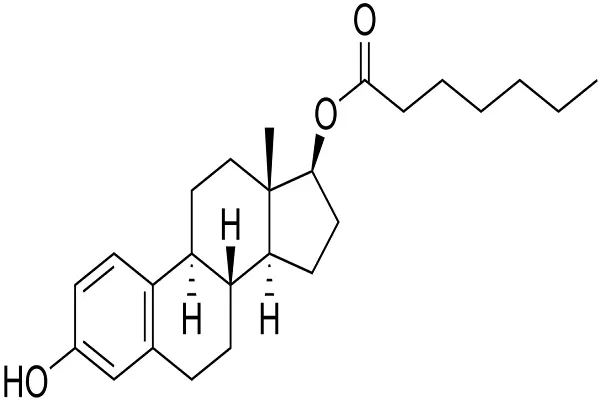
In hormone replacement therapy formulas and mixed injectable contraceptives, Estradiol Enanthate powder is an essential Active Pharmaceutical Ingredient. The chemical weight of this white to off-white crystalline solid is 384.55 g/mol (C25H36O3), and its melting point is between 94°C and 96°C. The compound's chemical makeup, which includes a C-17 beta-enanthate ester chain, makes it very lipophilic. This means that it dissolves easily in pharmaceutical-grade oils and organic solvents, but not at all in water.
Chemical Stability Considerations
The enanthate ester bond is what makes the molecule useful for medicine and makes it easy to store poorly. When made into depot injections, this fatty acid chain allows for continuous release patterns that last for 7–10 days. Environmental stresses, on the other hand, can break down this ester link too quickly, turning the prodrug into free estradiol before it is meant to be used. Temperature changes, contact with humidity, and photodegradation speed up this unpleasant change, which lowers the powder's medical value.
Impact on Formulation Quality
The breakdown of raw materials affects every step of the production process, including figuring out viscosity, making sure dosages are correct, and making sure that oil-based injected solutions are sterile. Manufacturers who want to make high-concentration mixtures (40–50 mg/mL) need API with uniform particle shape and fluid profiles below ICH Q3C limits. These standards aren't met when the products are stored because they change over time. This causes differences between batches, which messes up manufacturing processes and regulatory reports.
Key Storage Principles for Estradiol Enanthate
To keep things in perfect shape, you need to pay regular attention to things like product rotation, environmental controls, and the integrity of the packing. For pharmaceutical intermediates like this steroidal ester, accuracy may not be possible with normal chemical storage.
Temperature Management Protocols
The powder stays stable at a fixed room temperature (20–25°C), but it can be transported at temperatures between 15 and 30°C for short amounts of time. Unlike produced injectable solutions that need to be kept cold between 2 and 8°C, the raw API can handle mild temperatures as long as it is kept away from extremes of temperature. Do not store things near equipment that makes heat, direct sunlight, or building places that are not insulated and where the temperature changes more than 10°C during the day and night. Facilities in warm areas benefit from climate-controlled storage zones that keep the temperature at 22°C all year.
Light and Moisture Protection
UV light speeds up the oxidative breakdown of the steroid nucleus, creating colored impurities that can be found using HPLC research. Photo stability is protected by amber glass cases or opaque plastic drums. The compound's hygroscopic potential is still very low (Loss on Drying <0.5%), but if it is exposed to relative humidity levels above 60% for a long time, the surface may absorb water, which makes it harder to get an exact reading during formation. In wet working areas, desiccant packets inside sealed cases provide extra safety.
Packaging and Sealing Requirements
Original maker packaging has tamper-evident covers, nitrogen flushing, and materials designed to keep out moisture that are made for medicinal APIs. Moving powder to different containers increases the chance of pollution and makes it harder to keep track of documents. When sub-portioning is needed, use clean-room-grade containers with lids that keep air out, name each part with the batch number and the date of transfer, and leave as little headspace as possible to keep oxidative exposure to a minimum.
Common Storage Mistakes and How to Avoid Them
Even procurement teams with a lot of experience make mistakes that could have been avoided that hurt the value of important pharmaceutical supplies. By being aware of these problems, you can reduce danger throughout your supply chain.
Prolonged Ambient Exposure During Transfers
Critical risk points include receiving docks, staging areas, and moves between facilities. If there are delays between arrival and proper storage placement, containers may be exposed to temperatures that can't be managed, especially in the summer or in logistics facilities that don't have climate control. Setting maximum two-hour exposure limits from dock receipt to controlled storage and using temperature-monitoring devices during travel protects the purity of the materials during these phases of change.
Inadequate Environmental Monitoring
If you only use the facility's HVAC setpoints without checking them, you could miss some problems. Putting in constant temperature and humidity data loggers in storage areas shows that rules are being followed, meets audit requirements, and lets you act quickly when things go wrong. Checking measurements against approved reference standards once a month is an important part of keeping GMP paperwork accurate.
Cross-Contamination Through Poor Housekeeping
When pharmaceutical APIs are kept with chemicals that don't mix, the vapor phase could become contaminated, or the labels could be wrong. Cross-contamination can be avoided by storing hormonal chemicals in different areas from flammable solvents or reactive materials. Color-coded shelves, clear signs, and rules about limited access all help to enforce good division practices. Regular training tells warehouse workers that pharmaceutical intermediates need to be handled with more care than the usual chemical inventory standards.
Comparing Storage Requirements: Estradiol Enanthate vs Other Estrogen Forms
Different estrogen APIs pose different practical problems that affect choices about what to buy and how things are run. Knowing these different needs helps you choose the best products for your business.
Estradiol Valerate Storage Profiles
Estradiol Valerate has a shorter ester chain than Estradiol Enanthate, but is still stable at room temperature and dissolves slightly more easily in water. This physical difference affects the choice of excipients during formulation creation, not changes in keeping protocols. Both esters can be stored at room temperature, but Valerate is less tolerant of changes in temperature over long periods of time because it breaks down faster (half-life 4-5 days vs. 7-8 days for enanthate).
Transdermal and Oral Formulation Comparisons
To keep the particles from sticking together, micronized estradiol base for transdermal patches needs to be kept cool, between 2 and 8°C, which means it needs to be transported in a cold chain. Oral estradiol pills that have been fixed with other substances can handle higher temperatures (up to 30°C), but they are still sensitive to light. These formulation-specific needs make buying harder for businesses with more than one product. Enanthate powder's ability to be stored at room temperature makes managing inventory easier and lowers the cost of cold storage equipment.
Best Practices for Procuring and Storing Estradiol Enanthate in Bulk
When you buy in bulk, you have to think about more things than just how to handle each product. Strategic planning makes sure that materials are of good quality over long periods of time while also making the best use of operating capital.
Supplier Qualification and Documentation
When choosing a partner, you should give more weight to makers who can provide full Certificates of Analysis that show HPLC purity (≥99.0%), residual solvent analysis, melting point proof, and microbial limit tests. Ask for stability study results that show the product will stay effective in the settings you expect for storing for the amount of time that matches your inventory turnover rates. Suppliers who let you compare H-NMR or FTIR spectra to approved reference standards give you extra proof of authenticity that is useful for regulatory papers and customs paperwork.
Cold Chain Logistics Integration
A high-risk period is the trip from the manufacturing site to your building. Pharmaceutical packages are handled by qualified transport services that use approved temperature-controlled containers, real-time GPS tracking, and temperature excursion alerts. Even when temperatures outside change a lot, insulated packing made of phase-change materials keeps temperatures between 20°C and 25°C during multi-day transport. Each package comes with paperwork that includes a history of the time and temperature, which can be used as proof of unbroken security and environmental control.
Inventory Management and Turnover Strategies
Using first-expired-first-out (FIFO) Oestradiol 17-heptanoate Powder rotation stops long-term storage that goes beyond the manufacturer's suggested shelf life, which is usually between 24 and 36 months in ideal conditions. Keeping track of receipt dates, batch numbers, and expiration dates with warehouse management systems automates choices about rotation and reorder points to keep stock amounts at the right level. Inventory checks are done every three months to make sure that the containers are still intact, the labels can be read, and the environmental loggers are still working. This way, any signs of damage are found before they affect production plans.
Technology-Enabled Monitoring Solutions
IoT-enabled environmental monitors are used in modern pharmaceutical stores to send constant data about temperature and humidity to cloud-based screens. Automated alert systems let the right people know right away when numbers move outside of acceptable levels, so they can fix the problem before it gets too bad. These digital records meet the requirements for regulatory inspections and also provide data analytics that find regular patterns or performance problems with machines that need preventative maintenance.
Conclusion
Keeping Estradiol Enanthate powder in the right way will protect your pharmacy investment and make sure that the quality of your formulations stays the same. Controlled atmospheric temperature (20–25°C), light-resistant packing, and moisture protection are the building blocks of good keeping practices. Avoiding common mistakes like leaving the compound exposed to high temperatures for too long, not keeping an eye on it enough, and letting cross-contamination happen protects the compound's structure and HPLC-verified purity. Comparing the storage needs of different estrogen types helps with smart purchasing choices that balance the difficulty of logistics with the need for therapeutic performance. Your company can be sure to follow the rules and do a great job by using best practices like qualifying suppliers, cold chain logistics, and technology-enabled tracking.
FAQ
Q1: What happens if Estradiol Enanthate powder experiences brief temperature excursions?
Temperatures between 15°C and 30°C for short periods of time (less than 4 hours) are usually fine as long as the container stays closed and out of the light. Keep track of these events and make sure that the damaged batches are used first. If the exposure is higher than 30°C or lasts longer than 4 hours, it needs to be tested to make sure that the HPLC purity stays between 98.0% and 102% before the mixture is used.
Q2: Can I refrigerate the powder for extended storage periods?
Refrigerating the raw powder at 2–8°C doesn't help it in any way, and there is a chance that condensation will form during temperature equilibration when the containers are taken out to be used. At a steady room temperature, the crystalline mass stays as stable as possible. Refrigeration should only be used for finished oil-based injectable products and not for the raw API.
Q3: How do I identify degraded material before formulation?
Seeing changes in color from white or off-white to yellow or brown under a microscope shows oxidative breakdown. Check that the freezing point stays between 94°C and 96°C, and ask for a new HPLC study if the material is getting close to its expiration date or has changed during storage. If something is clumping or caking, it means that water is getting in and needs to be tested for Loss on Drying before the preparation work can continue.
Partner with Faithful for Premium Estradiol Enanthate Supply
To buy Estradiol Enanthate reliably, you must first find a seller who knows about the quality standards and storage issues that come with pharmaceutical-grade products. Faithful BioTech is a company based in Xi'an that makes high-purity pharmaceutical intermediates that meet strict HPLC requirements and come with full paperwork for tracking. Our climate-controlled warehouses and production facilities keep the best conditions possible, which protects the purity of the API from the time it is synthesized until it is delivered to your location.
Our quality control lab has HPLC, GC, and spectrophotometric analysis tools. For each batch, we make a full Certificate of Analysis that lists leftover solvents, microbial limits, and strength proof. Our research and development team works with clients to create unique formulas and provides expert support for issues related to improving solubility, choosing the right co-solvents, and testing methods for stability. Our manufacturing is flexible enough to handle a wide range of order amounts, from small samples for method development to large numbers for commercial production.
Email our team at allen@faithfulbio.com or WhatsApp: +86 13137770562 to talk about your unique needs, get detailed data sheets, or get quotes from other companies.
References
1. Stanczyk, F.Z., & Archer, D.F. (2014). "Pharmacokinetic Profile of Estradiol Esters: Implications for Hormone Therapy Dosing." Journal of Pharmaceutical Sciences, 103(7), 2065-2077.
2. International Conference on Harmonisation (2017). "Quality Guidelines: Stability Testing of New Drug Substances and Products Q1A(R2)." ICH Expert Working Group Technical Document.
3. United States Pharmacopeia (2022). "General Chapter <1191> Stability Considerations in Dispensing Practice." USP 45-NF 40, United States Pharmacopeial Convention.
4. Aulton, M.E., & Taylor, K.M. (2018). "Aulton's Pharmaceutics: The Design and Manufacture of Medicines" (5th Edition). Elsevier Health Sciences, Edinburgh.
5. Waterman, K.C., & Adami, R.C. (2005). "Accelerated Aging: Prediction of Chemical Stability of Pharmaceuticals." International Journal of Pharmaceutics, 293(1-2), 101-125.
6. World Health Organization (2015). "WHO Technical Report Series No. 992: WHO Good Storage and Distribution Practices for Pharmaceutical Products." WHO Expert Committee on Specifications for Pharmaceutical Preparations.