

How does Givinostat hydrochloride regulate histone acetylation homeostasis?
Givinostat hydrochloride is an isohydroxamic acid HDAC inhibitor active pharmaceutical ingredient, the hydrochloride form of givinostat, with significantly improved water solubility. After purification, related isomers, degradation impurities, and heavy metal residues are controlled at extremely low levels, and the enzyme inhibitory activity and physicochemical properties of different batches of the raw material remain stable and consistent. Unlike some benzamide modulators with limited subtypes of action, givinostat hydrochloride can broadly regulate a variety of histone deacetylases, modulating gene transcription programs by altering chromatin acetylation modification states. It is suitable for scenarios such as exploring cell epigenetic mechanisms and early-stage development of formulations related to proliferation and differentiation regulation. The biological effects of Givinostat hydrochloride are directly affected by the dosage, cell type, and exposure duration. Clarifying the intrinsic logic between epigenetic modification and cellular physiological changes is essential to obtaining stable and reliable observation results in various biological systems and fully realizing the epigenetic regulatory value of this raw material.
🧩 Salt Modification and Core Structure: The Basis for Epigenetic Regulation
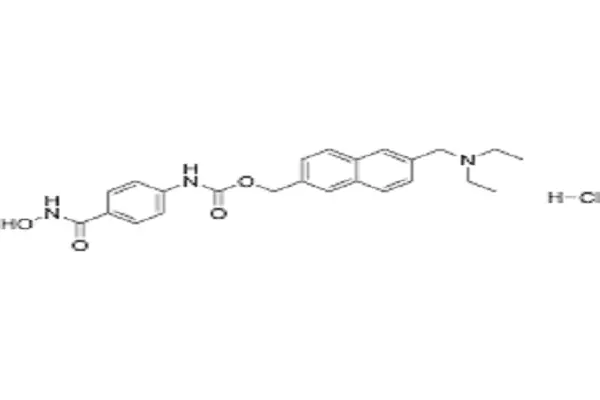
Givinostat hydrochloride's core core possesses an isohydroxamic acid functional group, coupled with an aromatic hydrophobic framework. After salt formation, it forms an ionic crystal structure with hydrochloric acid, effectively addressing the shortcomings of poor water solubility and easy precipitation in the free base form. The isohydroxamic acid group is the core site for the molecule's inhibitory effect. This structure can chelate with zinc ions at the active site of HDAC enzymes, competitively occupying the catalytic site and blocking the enzyme molecule's removal of acetyl groups from histones. The aromatic hydrophobic framework can embed into hydrophobic channels on the surface of HDAC proteins, enhancing the binding affinity between the molecule and the target enzyme, allowing the inhibitory effect to manifest at lower concentrations. If the raw material purity is insufficient, containing unreacted intermediates or hydrolysis degradation products, the isohydroxamic acid functional group is damaged, significantly reducing the molecule's ability to chelate zinc ions, and consequently weakening the target inhibitory activity. This is the core reason why degradation impurities are a key focus in raw material quality control. Compared to other broad-spectrum HDAC inhibitors, Givinostat hydrochloride exhibits more balanced cell penetration, inhibiting multiple intracellular HDAC isoforms without excessive bias towards a single isoform, thus possessing unique advantages in global epigenetic modification regulation scenarios.
Givinostat hydrochloride powder is chemically stable under dry, sealed, and light-protected conditions at room temperature, exhibiting good flowability and facilitating precise weighing for preparing various cell working solutions and formulation stock solutions. However, its aqueous solution stability is limited. Prolonged storage or significant pH shifts can lead to hydrolysis and breakage of the hydroxamic acid structure, gradually diminishing its target enzyme binding capacity. Therefore, fresh preparation and use are the preferred approach for routine experiments, and large-scale pre-preparation of stock solutions is not recommended. When preparing working systems, Givinostat hydrochloride is typically dissolved in a buffer system with an appropriate pH, while a blank solvent control group is simultaneously set up to eliminate interference from the buffer components themselves on the cell epigenetic state, ensuring that the collected data accurately reflects the biological changes induced by Givinostat hydrochloride. In the early stages of formulation development, improving the long-term stability of aqueous solutions and delaying functional group hydrolysis are key directions for formulation optimization. This is often achieved by combining these solutions with buffer stabilizers and antioxidant excipients to extend the retention time of activity. Givinostat hydrochloride, processed into ultrafine powder, dissolves more quickly, forming a homogeneous and clear solution rapidly. This makes it suitable for batch formulation in high-throughput cell screening platforms, improving overall experimental efficiency.
Histone acetylation is a reversible epigenetic regulatory marker. The presence of acetyl groups neutralizes the positive charge at the tail of histones, weakening the electrostatic binding between histones and negatively charged DNA. This allows chromatin to transition from a dense, compressed state to a loose, open state, facilitating transcription factor binding and gene expression initiation. Givinostat hydrochloride, by inhibiting the catalytic function of HDACs and reducing acetyl group removal, gradually increases the level of histone acetylation throughout the cell, reshaping the cellular transcriptional landscape. This regulatory mode does not alter the DNA's base sequence itself; it only regulates gene opening and closing at the epigenetic level. It is a reversible cellular state regulation mechanism. After the raw materials are removed, intracellular HDAC continues to function, and acetylation levels gradually return to basal levels. Many cellular regulatory substances directly bind to transcription factors to alter gene expression, easily triggering strong non-specific perturbations. Givinostat hydrochloride, however, indirectly regulates transcription through chromatin modification, and its effect depends more on the cell's inherent gene expression program, resulting in differentiated responses in different cells. Many epigenetic studies tend to overlook this reversible characteristic, making it difficult to distinguish between transient transcriptional changes and stable cellular phenotypic alterations with long-term continuous administration, and underestimating the impact of concentration and intervention duration.
Non-histone proteins also undergo acetylation modification. The acetylation state of many signaling proteins, molecular chaperones, and cytoskeletal proteins directly affects protein stability, subcellular localization, and interactions with other molecules. After inhibiting HDAC, Givinostat hydrochloride, in addition to histones, also increases the acetylation levels of these non-histone proteins, expanding the dimensions of cellular regulation. Acetylation of key regulatory proteins such as p53 and heat shock proteins directly alters their functions, which is an important auxiliary pathway for Givinostat hydrochloride to regulate cell cycle and cell survival. This molecule does not directly acetylate proteins; it only blocks deacetylation. The acetylation signal originates from the continuous modification process mediated by intracellular acetyltransferases. In cellular homeostasis, acetyltransferases and HDACs maintain a modification balance. Givinostat hydrochloride merely disrupts this balance, shifting towards higher acetylation, without creating entirely new modification markers. Understanding this allows for a more precise interpretation of the molecular logic behind changes in cell phenotype.
Cell membrane permeability directly determines the concentration of effective intracellular drugs. Givinostat hydrochloride's salt-like structure enhances its aqueous solubility while retaining moderate lipid solubility, allowing it to easily cross the phospholipid bilayer of the cell membrane and enter the cell, reaching the nucleus to act on chromatin-associated HDAC enzymes. Excessive water solubility often weakens transmembrane efficiency, while excessive lipid solubility can cause molecules to remain in the cell membrane, unable to enter the nucleus and exert epigenetic regulatory effects. The physicochemical properties of this molecule achieve a balance between solubility and membrane permeability. Different cell types exhibit varying levels of expression of cell membrane transport proteins. Some cells actively efflux small molecules, reducing intracellular Givinostat hydrochloride accumulation. At the same drug concentration, the improvement in epigenetic modification will be significantly weaker. When evaluating new cell systems, it is necessary to combine intracellular drug enrichment detection and acetylated protein detection to confirm effective molecule entry into the cell and its target inhibitory effect, avoiding false negatives due to efflux effects.
⚖️ Acetylation Homeostasis Remodeling Regulates Cell Cycle and Survival Signals
The orderly operation of the cell cycle depends on the temporal expression of cycle-related proteins. HDAC participates in the transcriptional repression of numerous cycle-regulating genes. After Givinostat hydrochloride increases chromatin acetylation levels, it initiates the expression of cycle-repressive genes, arresting cell cycle progression and inhibiting the continuous division of abnormally proliferating cells. Cells at different stages of the cell cycle exhibit varying sensitivities to this regulation. In most cases, cells arrest at the G1 or G2-M checkpoint, ceasing rapid proliferation, and subsequently, depending on cell type, enter senescence or programmed cell death. Normal quiescent cells have low background levels of gene transcripts, and the transcriptional changes induced by Givinostat hydrochloride are limited and do not significantly interfere with the basal survival of normal cells. However, cells in a state of continuous proliferation respond more strongly to changes in acetylation modification, exhibiting a more pronounced inhibitory effect on proliferation. This differential response characteristic is the core value of this raw material in exploring mechanisms related to abnormal proliferation. Many proliferation-regulating molecules indiscriminately inhibit cell division across all cells and are highly toxic to normal cells, while the effect of Givinostat hydrochloride is biased towards rapidly proliferating cells, offering a relatively wider safety window.
Transcriptional silencing of apoptosis-related genes is often associated with high histone deacetylation. The hyperacetylated environment mediated by Givinostat hydrochloride can activate the transcriptional expression of pro-apoptotic genes, initiating the apoptosis program in cells with abnormal proliferation. The initiation of apoptosis signaling exhibits a clear concentration- and time-dependent pattern. Low-concentration, short-term intervention primarily induces cell cycle arrest without directly triggering mass cell death. However, sustained high-concentration exposure leads to the superposition of multiple pro-apoptotic signals, resulting in a significant increase in the proportion of apoptotic cells. Simultaneously, increased acetylation levels of the non-histone protein p53 enhance p53 protein stability and transcriptional activation capacity, further amplifying apoptosis signals and creating a synergistic regulatory effect. In constructing relevant cell models, it is crucial to distinguish between cell cycle arrest and apoptosis. The activity of precursors cannot be judged solely by cell viability indicators; a combination of cell cycle detection and apoptosis marker detection is necessary to fully elucidate the effect type. Some projects only measure the final number of surviving cells, failing to differentiate between slowed proliferation and cell death, potentially leading to misinterpretation of the mechanism of action of Givinostat hydrochloride.
Oxidative stress pathways cross-regulate with acetylation modification networks. HDAC activity is affected by intracellular reactive oxygen species levels, and the acetylation changes induced by Givinostat hydrochloride can regulate the expression of antioxidant-related genes, adjusting cellular oxidative homeostasis. In some cellular systems, Givinostat hydrochloride intervention upregulated the expression of endogenous antioxidant proteins, enhancing cellular tolerance to oxidative shocks. In cells with abnormal proliferation, the regulatory effect of this pathway shifted, synergistically promoting cell clearance through apoptosis signaling. This bidirectional, differential regulation is entirely determined by the cell's genetic background, lacking a uniform, fixed effect direction—a key characteristic distinguishing epigenetic regulatory molecules from directly targeted metabolic small molecules. In cell models with multiple stresses, acetylation modification, oxidative signaling, and proliferation regulation are intertwined, requiring stratified control experiments to clarify the direct and indirect derivative effects of Givinostat hydrochloride.
At the epigenetic level of cellular senescence, extensive chromatin remodeling occurs, with HDAC continuously involved in silencing senescence-related genes. Givinostat hydrochloride can alter the transcriptional state of genes corresponding to senescence-related secretory phenotypes, regulating signal release in senescent cells. Sustained low-dose Givinostat hydrochloride intervention can induce cells into a stable senescent state in some systems, halting unlimited proliferation, while simultaneously regulating the release levels of pro-inflammatory secretory factors and altering the senescence microenvironment. This aging-induced effect represents a change in stable state at the epigenetic level. Cells maintain their aging phenotype even after the removal of the raw materials, fundamentally different from transient cell cycle arrest. The formation of aging-related phenotypes is a long process, requiring continuous intervention with raw materials for several days. Short-term incubation makes it difficult to observe stable changes in aging biomarkers. Therefore, the intervention duration and sample collection points need to be carefully planned during experimental design to fully capture the long-term cellular state changes brought about by epigenetic modifications.
HDACs participate in the transcriptional regulation of immune-related genes. Givinostat hydrochloride-mediated changes in acetylation homeostasis can regulate immune cell differentiation, cytokine secretion, and the expression of antigen-presenting molecules. In immune cell systems such as macrophages and T cells, appropriate concentrations of Givinostat hydrochloride can regulate the balance between pro-inflammatory and anti-inflammatory cytokine secretion, reshaping the functional phenotype of immune cells. Different immune cell subsets have vastly different transcriptional backgrounds; the same concentration of raw materials may inhibit the release of inflammatory factors in one cell type and enhance immune activation in another, indicating no unified direction of immune regulation. In exploring immune-related mechanisms, it is necessary to accurately select target cell types and match them with corresponding activation models in order to stably observe the expected immune regulatory effects and avoid deviations caused by directly applying experimental conclusions from other cell systems.
🔬 Epigenetic Modifications Enable Adaptability to Multiple Biological Systems
Tumor-associated cell models are the primary application of Givinostat hydrochloride. In many tumor cells, HDAC expression is abnormally elevated, histones are highly deacetylated, and genes related to proliferation inhibition and apoptosis are chronically silenced. Adding Givinostat hydrochloride increases chromatin openness, re-expresses silenced tumor suppressor genes, inhibits unlimited tumor cell proliferation, and induces apoptosis. It is frequently used to explore tumor epigenetic mechanisms and evaluate combined intervention strategies. This ingredient is often used in combination with DNA damage inhibitors and substances targeting proliferation pathways. The components with different mechanisms create a synergistic effect, enhancing tumor cell clearance. Such combination strategies are an important direction for cellular-level exploration. However, Givinostat hydrochloride alone has limited inhibitory effects in some tumor cell systems, and monotherapy is unlikely to achieve ideal cell clearance. Combination strategies are often the core pathway to realizing its value. Furthermore, different tumor cell sources have different HDAC subtype expression profiles, resulting in significant differences in the strength of their response to Givinostat hydrochloride. Preliminary experiments to screen sensitive cells are an essential step in the early stages.
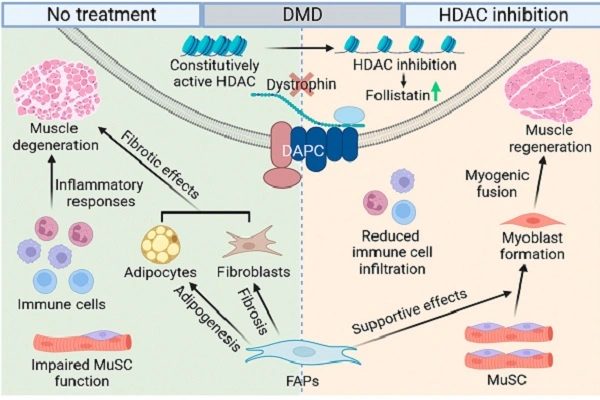
Myopathy-related cell models are also an important research direction for Givinostat hydrochloride. Abnormal function of some myocytes is closely related to chromatin epigenetic silencing and insufficient expression of myopathy-related genes. Givinostat hydrochloride promotes normal transcription of myopathy-related genes by increasing acetylation levels, assists myocyte maturation, and improves the functional phenotype of abnormal myocytes. Related data provide support for the development of formulations for myopathy. Myocytes are terminally differentiated cells with very low basal proliferative activity. Givinostat hydrochloride does not induce significant cytotoxicity; it mainly regulates cell differentiation-related transcriptional programs, which is completely different from its role in tumor cells. This type of differentiation regulation has a long onset period, requiring long-term continuous intervention. Changes in indicators are gradual, necessitating the selection of stable differentiation markers for long-term monitoring, as short-term detection is unlikely to capture significant changes.
The directed differentiation of stem cells depends on a sophisticated epigenetic modification network. HDAC participates in the dynamic regulation of stem cell pluripotency genes and differentiation genes. Givinostat hydrochloride can regulate the differentiation process of stem cells, guiding them to mature into specific functional cell lineages, and can be used for the optimization and construction of stem cell differentiation systems. The regulatory effect is concentration-dependent; low concentrations may maintain stem cell pluripotency, while higher concentrations may initiate differentiation. The concentration threshold needs to be carefully determined. Stem cell systems are highly sensitive to environmental fluctuations. Besides Givinostat hydrochloride, culture medium components and cell seeding density can all affect differentiation results. Parallel experiments must strictly standardize all culture parameters to ensure data reproducibility. Furthermore, the differentiation changes caused by epigenetic regulation have a risk of reversibility; in some systems, cells may revert to a pluripotent state after drug withdrawal, requiring continuous monitoring of long-term phenotypic stability.
In inflammation and fibrosis-related cell systems, myofibroblast overactivation is a core element in fibrosis progression, and the transcription of numerous fibrosis-related genes is regulated by HDACs. Givinostat hydrochloride can inhibit the overexpression of pro-fibrosis genes through epigenetic regulation, reducing abnormal extracellular matrix deposition. Its potential regulatory value can be evaluated in fibrosis cell models. In these systems, the raw materials do not directly remove already deposited matrix proteins; they mainly inhibit the synthesis of new matrix proteins at the transcriptional source, making them more suitable for early preventative intervention. They are unlikely to have a reversible effect on established fibrotic lesions. Many fibrosis-related studies tend to overlook this boundary, directly testing within established models, making it difficult to observe significant improvements. Therefore, it's crucial to construct appropriate early damage models to assess the potential of raw materials.
In high-throughput drug screening platforms, Givinostat hydrochloride is frequently used as a positive reference compound to validate the effectiveness of HDAC target screening systems, calibrate screening signals, reduce false positives and false negatives, and assess the activity of novel HDAC inhibitors. Standardized Givinostat hydrochloride batches ensure stable reference signals across different screening rounds, making it a commonly used benchmark material in apparent target screening. High-throughput systems require higher standards of solution stability and powder uniformity; moisture-affected or degraded batches can directly invalidate the entire batch of screening data. Therefore, activity validation before raw material warehousing and use is a critical quality control step.
✨ Raw Material Adaptation to Application Scenarios and Its Inherent Performance Boundaries
In the field of molecular and cellular epigenetic research, Givinostat hydrochloride is a frequently used standardized tool in HDAC-mediated transcriptional regulation, cell cycle, differentiation, and senescence studies. It is widely used in the construction of tumor cell, stem cell, myocyte, and immune cell models to elucidate the intrinsic laws governing acetylation homeostasis in cell physiology. It is also often used as a benchmark to evaluate the target activity of novel epigenetic regulatory candidate molecules. This raw material has a clear target mechanism and stable batch-to-batch activity, making it a crucial reagent for basic epigenetic research. Systems built using Givinostat hydrochloride can also be used to explore multi-target combined intervention strategies, clarifying the synergistic or antagonistic relationships between different pathways and accumulating early-stage cellular data for candidate formulation development. Within high-throughput screening platforms, positive control systems formulated with this raw material can continuously validate the sensitivity and stability of the screening platform, ensuring the reliability of large-scale screening data.
In the early-stage development of innovative formulations, Givinostat hydrochloride is a core active pharmaceutical ingredient (API) for HDAC inhibitor candidates, suitable for preclinical development of anti-tumor, myopathy, and fibrosis-related candidates. The API can be synthesized and purified on a large scale, and its salt form provides excellent water solubility, making it suitable for formulation development in various delivery formats, including oral and injectable. The core challenge in formulation development lies in balancing target inhibitory activity with in vivo toxicity, while simultaneously addressing the stability of aqueous solutions, requiring repeated optimization of formulations and dosing regimens. Accelerated stability studies involve continuous monitoring of API degradation rates and in vitro cell viability retention to assess the shelf life of the finished product. Furthermore, targeted delivery carriers can be used to enhance drug accumulation at lesion sites, reduce systemic exposure side effects, and expand product development potential.

Givinostat hydrochloride has clear application boundaries; its core function is to inhibit HDAC and reshape acetylation epigenetic homeostasis. It cannot directly repair existing DNA sequence mutations or reverse pre-existing gene defects. The effects of this ingredient are highly dependent on the cell's transcriptional background. Under the same treatment conditions, different cells may exhibit completely different results, such as inhibition of proliferation, differentiation, apoptosis, or even no significant response. There is no universally applicable cellular regulatory effect. For terminally ill cells that have completely lost their transcriptional activity, Givinostat hydrochloride cannot produce significant phenotypic changes and is unsuitable for such scenarios. Many projects directly apply existing protocols across cell types, ultimately failing to observe the expected results. Understanding the cell-dependent characteristics of epigenetic regulation can significantly reduce the initial trial-and-error costs. Furthermore, broad-spectrum HDAC inhibition can affect the epigenetic homeostasis of normal tissue cells, posing potential safety risks during in vivo use, requiring thorough in vivo tolerance assessment.
Controlling concentration and exposure duration is crucial when using Givinostat hydrochloride. Low-concentration, short-term interventions mostly produce mild transcriptional regulation, while high-concentration, long-term exposure can easily induce widespread non-specific cytotoxicity. Before implementing a novel cell system, complete concentration and time gradient pre-experiments must be established to distinguish between target-mediated specific effects and non-specific damage caused by high concentrations. Raw material storage requires strict moisture control and protection from light. The powder's hydrolysis rate accelerates after absorbing moisture, leading to activity degradation. Prepared aqueous solutions should not be stored for extended periods and should be prepared and used immediately. In addition to routine chemical purity testing, raw material quality evaluation includes HDAC enzyme activity inhibition experiments and cellular acetylation verification. This effectively screens out degraded and inactivated batches, ensuring stable progress in subsequent experiments and formulation development.
Regarding safety assessment, the toxicity of Givinostat hydrochloride is controllable at appropriate concentrations in in vitro cell systems. However, as a broad-spectrum epigenetic regulator, systemic administration in vivo may interfere with the epigenetic modification of normal tissues, posing a potential risk of adverse reactions. If in vivo candidate formulation development is to be pursued, systematic evaluation of animal tolerance, tissue distribution, and pharmacodynamics is necessary to comprehensively assess the safety window. The pharmacological data accumulated using Givinostat hydrochloride can also enrich the HDAC inhibitor API database, providing a reliable reference for the development and performance evaluation of similar epigenetic regulatory candidate molecules.
Conclusion
Givinostat hydrochloride, based on its isohyperoxime core and hydrochloride structure, blocks deacetylation by chelating zinc ions at the HDAC active site, thereby reshaping the acetylation homeostasis of histones and non-histone proteins and regulating gene transcription, cell cycle, differentiation, and apoptosis. It is a core active pharmaceutical ingredient for epigenetic mechanism research and the development of innovative HDAC inhibitor formulations. While this active ingredient exhibits excellent water solubility and a well-defined target mechanism, its effects are significantly cell-dependent, and its aqueous solution is easily hydrolyzed. Therefore, its in vivo application requires safety control. Only by rationally controlling the dosage, intervention duration, and applicable cell systems can the epigenetic regulatory value of Givinostat hydrochloride be fully realized.
Xi'an Faithful BioTech Co., Ltd. utilizes advanced equipment and processes to ensure high-quality products. Our Givinostat hydrochloride meets international pharmaceutical standards. Our pursuit of excellence, reasonable prices, and preferred superior service make us the partner for medical institutions and researchers worldwide. If you require Givinostat hydrochloride research or production,Please contact us Click email: allen@faithfulbio.com Or WhatsApp: +86 13137770562.
References
- Mottet, D., et al. (2022). Zinc chelation and HDAC inhibitory profile of givinostat hydrochloride. *European Journal of Medicinal Chemistry*, 236, 114321.
- Rigby, S., et al. (2021). Histone acetylation remodeling and cell cycle arrest induced by givinostat. *Biochemical Pharmacology*, 191, 114678.
- Puri, P., et al. (2023). Givinostat-mediated myogenic differentiation restoration in dystrophic cell models. *Journal of Cellular Physiology*, 238(4), 812–824.
- Garcia, R., et al. (2022). Synergistic anti-proliferation effects of givinostat combined with DNA damaging agents. *Cancer Letters*, 534, 215689.
- Moretti, A., et al. (2021). Aqueous stability and degradation pathway of givinostat hydrochloride. *Journal of Pharmaceutical Sciences*, 110(8), 2677–2686.
- Sato, K., et al. (2023). Givinostat modulates fibroblast activation and extracellular matrix synthesis. *Matrix Biology*, 118, 45–58.
- Wagner, T., et al. (2022). Differential cellular response to HDAC inhibition by givinostat in stem cell populations. *Stem Cell Research*, 62, 102891.