

How does Emeramide regulate the homeostasis and oxidation balance of heavy metals?
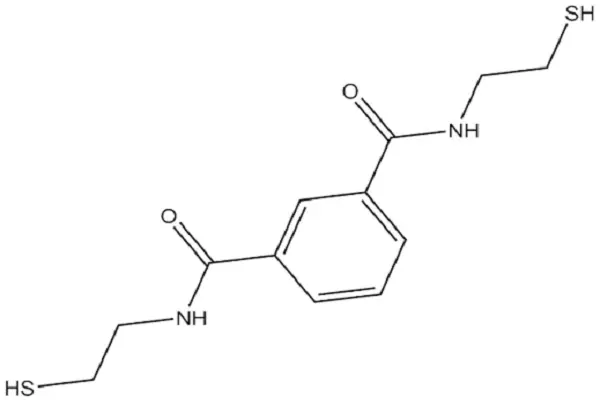
Emeramide, also known as NBMI, is a novel lipid-soluble chelating active ingredient. Its molecular structure incorporates thiol and amide functional groups, creating a unique combination that enables transmembrane permeability. After purification, the levels of related synthetic intermediates and heavy metal residues are strictly controlled, ensuring the stability of metal binding capacity and cell compatibility across different batches. Unlike traditional water-soluble chelators that struggle to penetrate lipid membranes, Emeramide successfully crosses cell and mitochondrial membranes, binding free heavy metal ions in the intracellular environment while simultaneously modulating intracellular oxidative stress levels. This makes it highly suitable for exploring heavy metal-related cellular mechanisms and for the early development of oxidative damage protection agents. The bioefficacy of Emeramide depends directly on the type of heavy metal in the system, the molecular exposure concentration, and the duration of action. Understanding the underlying logic of transmembrane chelation and oxidative regulation is crucial for obtaining stable and reproducible observations in various biological systems, which helps to fully recognize the unique intracellular homeostatic regulatory value of this ingredient.
🧩 Unique hybrid molecules form the structural basis of transmembrane chelation
The molecular skeleton of Emeramide integrates a lipophilic aromatic structure with a thioamide group capable of metal binding. This unique configuration, combining lipid-water compatibility and lipophilicity, is its core characteristic distinguishing it from traditional chelating agents. Most traditional chelating molecules are highly hydrophilic and struggle to penetrate phospholipid-based biological membranes; they can only capture metal ions in the extracellular environment. However, Emeramide, relying on the lipophilicity of its aromatic skeleton, penetrates the cell membrane and further accumulates within mitochondria. The sulfur and nitrogen atoms on the thioamide provide lone pairs of electrons, forming stable coordination complexes with toxic heavy metal ions such as mercury, lead, and cadmium. If the raw material purity is insufficient, residual unreacted precursor impurities can directly disrupt the integrity of the coordination groups, weakening the heavy metal binding capacity. This is the core reason why organic impurities are a key focus of raw material quality control. Compared with classic chelating components such as EDTA and DMSA, Emeramide has significant advantages in targeting intracellular (especially mitochondria) free heavy metals, playing an irreplaceable role in research related to intracellular heavy metal accumulation. Emeramide powder exhibits stable physicochemical properties and resistance to oxidative degradation under dry, sealed, light-protected, and room-temperature storage conditions. Its good flowability facilitates accurate weighing and preparation of various cell working solutions and formulation stock solutions.
However, the sulfur groups in its molecular structure are sensitive to oxygen and oxidants. Prolonged exposure to air after preparation can lead to the oxidative inactivation of the thiol structure, resulting in the loss of metal coordination ability. Therefore, it is recommended to use prepared working solutions as soon as possible and avoid long-term storage. When preparing working systems, Emeramide is typically dissolved in a suitable organic solvent or buffer system, while a blank solvent control group is set up to eliminate the interference of the solvent components themselves on the cell oxidation state, ensuring that the collected data accurately reflects the biological changes induced by Emeramide. In the early stages of formulation development, improving the system's antioxidant capacity and delaying the oxidative inactivation of thiamide are key directions for formulation optimization. It is often used in combination with antioxidant excipients to prolong the activity retention time. Emeramide processed into ultrafine powder exhibits excellent dispersibility, rapidly forming a uniform dispersion in aqueous systems. This makes it suitable for batch preparation in high-throughput cell screening platforms, thereby improving overall experimental efficiency.
Heavy metal ions in a free intracellular state catalyze the production of reactive oxygen species (ROS), attacking proteins, lipids, and nucleic acids. Natural metalloregulatory proteins in cells are unable to quickly remove heavy metals accumulated in mitochondria. Emeramide, after crossing the cell membrane and entering the cell, preferentially binds to free heavy metal ions, forming inert coordination complexes. Once bound, the heavy metal loses its ability to catalyze oxidation reactions, thus blocking the heavy metal-mediated oxidative damage chain at its source. This process does not directly eliminate existing intracellular oxidation products; its core function is to prevent the continuous occurrence of new oxidative damage—a source-based protective regulation. Many antioxidants can only eliminate existing free radicals and cannot address the root cause of heavy metal-induced ROS production. The combined use of these two products can form a complementary protective system. Many studies on heavy metals often confuse chelation scavenging with free radical quenching, relying solely on oxidation indicators to judge the effectiveness of the raw materials while neglecting the root cause of intracellular heavy metal accumulation, making it difficult to fully elucidate the role of Emeramide.
Mitochondria are the core site of cellular energy metabolism and the primary area for heavy metal accumulation and reactive oxygen species (ROS) production. The lipid solubility of Emeramide enables it to accumulate in the intermembrane space and matrix of mitochondria, specifically neutralizing toxic heavy metals accumulated within mitochondria and protecting the structural integrity of mitochondrial respiratory chain complexes. Respiratory chain proteins contain various metal cofactors, and exogenous toxic heavy metals can occupy protein binding sites, interfering with the electron transfer process, leading to energy synthesis disorders and continuous ROS release. Emeramide can selectively bind to toxic heavy metals, reducing their interference with respiratory chain components, thereby maintaining normal mitochondrial energy production function. This molecule does not interfere with the normal utilization of essential metals such as zinc and copper at physiological concentrations, nor does it significantly disrupt the homeostasis of trace metals required for basic life activities. It exhibits good metal selectivity and does not indiscriminately chelate all metal ions.
The lipid bilayer of the cell membrane is susceptible to reactive oxygen species (ROS) induced by heavy metals, leading to lipid peroxidation and disruption of membrane fluidity and integrity. In addition to chelating heavy metals within the cell, the molecules distributed in the membrane phase of Emeramide can directly inhibit the continuous diffusion of the lipid peroxidation chain reaction and stabilize the phospholipid bilayer structure. When heavy metals continuously stimulate the cell, membrane damage gradually intensifies, resulting in abnormal membrane permeability and leakage of intracellular substances. However, appropriate concentrations of Emeramide can delay this damage process and maintain the barrier function of the cell membrane. The composition of membrane lipids varies among different cells, which directly affects the transmembrane enrichment efficiency of Emeramide. At the same concentration, the effective molecular concentration in different types of cells is not consistent. When evaluating novel cell systems, it is necessary to simultaneously detect the intracellular heavy metal content and oxidative markers to confirm that the molecule successfully enters the cell and exerts chelating effects, avoiding false negative observations due to insufficient transmembrane efficiency.
⚖️ Intracellular Metal Homeostasis Remodeling Regulates Cellular Oxidative Signaling
A strict essential metal homeostasis system is maintained within cells. Metal transporters and metallothioneins jointly regulate ion distribution. The invasion of toxic heavy metals disrupts this balance, leading to persistent oxidative stress. Emeramide binds free toxic heavy metals through coordination bonds, reducing the concentration of intracellular metal ions that can participate in oxidation reactions, gradually restoring intracellular metal homeostasis, and reducing persistent oxidative signaling stimulation. This homeostasis remodeling exhibits a significant concentration dependence; excessively low concentrations fail to adequately bind free heavy metals, while prolonged exposure to excessively high concentrations may disrupt the essential metal transport balance, leading to additional cellular metabolic disorders. In most systems, the optimal concentration range is relatively narrow, thus requiring the exploration of optimal dose gradients under different heavy metal exposure models. Many metal intervention protocols directly use high concentrations of chelating agents, which, while binding heavy metals, easily lead to the loss of essential metals, thereby inducing new cellular functional abnormalities. When using Emeramide, balancing the removal of toxic metals with the retention of essential metals is a core principle.
Excessive accumulation of reactive oxygen species (ROS) activates multiple intracellular stress signaling pathways, inducing the release of inflammatory factors, cell cycle arrest, and even apoptosis. After Emeramide blocks heavy metal-mediated ROS generation, the activation levels of downstream oxidative stress-related signaling pathways decrease, thereby alleviating chronic low-grade inflammation. In cell models of long-term low-dose heavy metal exposure, this inhibitory effect on chronic inflammation is slow to manifest, and significant changes in inflammatory markers are difficult to observe with short-term intervention. This regulation is an indirect effect; Emeramide itself does not directly bind to inflammation-related signaling proteins. It is a secondary change resulting from the reduction of heavy metal load and cannot be directly defined as an anti-inflammatory molecule. In experimental design, it is necessary to distinguish between the indirect ameliorative effect and the direct anti-inflammatory effect of heavy metal clearance to avoid misjudging the molecular mechanism of action.
Mitochondrial functional stability directly determines cellular energy supply. Heavy metal accumulation impairs respiratory chain function, reduces ATP synthesis, and simultaneously initiates mitochondrial-mediated apoptosis pathways. Emeramide, by targeting and clearing free heavy metals from mitochondria, can repair damaged electron transport chains, increase cellular ATP production, reduce the probability of abnormal opening of mitochondrial permeability transition pores, and decrease the initiation of apoptosis. However, for cells with severe and irreversible mitochondrial structural damage, Emeramide cannot repair the damage; it can only halt disease progression in the early stages of injury. The intervention effects of Emeramide differ significantly between acute heavy metal exposure and chronic accumulation models, showing excellent protective effects in the early stages of acute exposure, while late intervention has limited efficacy. Many related trials were conducted directly in severe injury models, making it difficult to observe significant improvements and underestimating the applicability of this ingredient.
Metallothionein is a core endogenous defense protein in cells against heavy metals. Heavy metal stimulation induces upregulation of metallothionein expression, which is used to chelate intracellular toxin metals. Emeramide and endogenous metallothionein can form a synergistic defense system. Exogenously supplemented Emeramide rapidly binds to free heavy metals, reducing the burden on the cell's own metallothionein and decreasing metabolic consumption caused by long-term cellular stress. Under continuous heavy metal exposure, the combined effect of both can maintain long-term cellular homeostasis and reduce aging or functional decline caused by continuous cellular stress. However, Emeramide does not directly upregulate the transcriptional level of the metallothionein gene or directly activate endogenous defense pathways; it merely shares the burden of intracellular heavy metal clearance. Understanding this mechanism can help design better combined intervention strategies.
Other metal ions coexisting in the system can competitively affect the coordination efficiency of Emeramide. High concentrations of calcium and magnesium ions will not bind stably to Emeramide, but they will alter the ionic environment of the solution, indirectly affecting the formation efficiency of the coordination complex. The binding affinity of different heavy metal ions to Emeramide varies significantly. Mercury ions exhibit stronger binding stability, followed by lead and cadmium, while some transition metals show weaker binding affinity. In complex systems with mixed exposure of multiple heavy metals, Emeramide preferentially binds to metals with higher affinity, while the remaining weakly binding heavy metals can still induce oxidative damage, failing to completely eliminate all metal toxicity in a single treatment. In real-world complex sample models, it cannot be assumed that Emeramide can remove all heavy metals; targeted detection of intracellular levels of the target heavy metal is necessary to objectively assess the intervention effect.
🔬 Homeostatic Regulation Enables Adaptability to Multiple Biological Applications
Heavy metal accumulation cell models are the primary application scenario for Emeramide. Environmentally sourced heavy metals such as mercury, lead, and cadmium tend to accumulate in cells, especially mitochondria, for extended periods, continuously inducing oxidative damage. Emeramide, with its transmembrane chelating advantage, is used to explore the mechanisms of heavy metal toxicity and evaluate heavy metal damage protection strategies. It is often used in parallel controls with traditional water-soluble chelating agents to compare intracellular and extracellular metal clearance effects. This ingredient is suitable for low-dose, long-term heavy metal exposure models, simulating the state of chronic heavy metal accumulation in the real environment, and can demonstrate intracellular targeting value that is difficult to achieve with traditional chelating agents. Emeramide alone has limited overall clearance efficiency for some heavy metals; therefore, it is often combined with other protective components to construct combined intervention strategies to enhance cellular protection effects. Different cells have different tolerance thresholds to heavy metals; therefore, preliminary experiments to determine safe and effective dosage concentrations are an essential step in the initial evaluation.
Neuronal cell-related models are a distinctive application area for Emeramide. Neurons are highly sensitive to heavy metal-induced oxidative damage; heavy metal accumulation gradually impairs neuronal mitochondrial function, leading to decreased neuronal viability. Emeramide can penetrate the neuronal cell membrane, entering the neuron to clear accumulated heavy metals and alleviate neuronal damage caused by oxidative stress. It is often used in the early stages of exploring the mechanisms of heavy metal-related neurotoxicity. Neurons are terminally differentiated cells with extremely low proliferative activity. The raw materials themselves have weak cytotoxicity at effective protective concentrations. The focus is on assessing changes in indicators such as mitochondrial function and reactive oxygen species (ROS) levels. The repair cycle for this type of neuronal damage is lengthy, and short-term interventions rarely yield stable functional improvements. Long-term, continuous dosing trials are necessary to fully capture changes in cellular state.
In oxidative stress-related cell models, some sources of oxidative damage are related to the continuous catalysis of trace amounts of heavy metals. Emeramide can reduce ROS generation at the source, helping to differentiate whether oxidative damage is mediated by heavy metals or caused by other factors. In exploring the mechanisms of oxidation, Emeramide is often used as a specific tool molecule to verify whether heavy metals are the core driving factor of oxidative stress in the system. If the oxidation index significantly decreases after adding Emeramide, it confirms the crucial role of heavy metals in damage, providing direct evidence for subsequent mechanistic tracing. This application mode is frequently used in mechanism validation experiments and is an important tool for differentiating different oxidative triggers.
In high-throughput screening platforms, Emeramide can serve as a positive reference substance for validating screening systems related to intracellular heavy metal chelation and mitochondrial oxidative protection, calibrating detection signals, and reducing false positives and false negatives during the screening process. Standardized Emeramide batches ensure stable reference signals across multiple rounds of screening, making them a practical benchmark material for heavy metal toxicity target screening. High-throughput systems have higher requirements for raw material dispersibility and short-term solution stability; oxidatively inactivated raw material batches will directly distort the entire batch of screening data. Activity validation before raw material use is a critical step in quality control.
At the early-stage formulation development level, Emeramide is suitable for developing candidate formulations targeting intracellular heavy metal scavenging and mitochondrial antioxidant activity. Its lipid-soluble molecular properties facilitate cross-membrane delivery and allow for formulation development adapted to different drug delivery systems. The core challenge in formulation development lies in improving molecular storage stability, inhibiting thioamide oxidation, and controlling in vivo distribution to achieve target site enrichment. Accelerated stability testing involves continuously monitoring the rate of molecular oxidative degradation and the retention of cellular viability to assess the shelf life of the finished product. Furthermore, combining the product with a targeted vector can further enhance mitochondrial enrichment and amplify its protective value.
✨ Raw material adaptation application scenarios and inherent effective energy boundaries
In the field of exploring molecular cellular foundations, Emeramide is a standardized tool and raw material frequently used in topics related to intracellular heavy metal homeostasis and mitochondrial oxidative damage. It is widely used in building cell models exposed to heavy metals and neurotoxicity models, analyzing the inherent laws of intracellular heavy metal mediated oxidative damage, and is also commonly used as a benchmark substance to evaluate the activity of novel transmembrane chelating candidate molecules. The mechanism of transmembrane targeting of mitochondria by this raw material is clear, and the batch performance is stable. It is a distinctive reagent raw material in the basic research of heavy metal toxicity. Based on the Emeramide system, it is also possible to explore multi-component joint protection schemes, clarify the synergistic effects between different chelating and antioxidant components, and accumulate preliminary cell data for the development of candidate formulations. In the high-throughput screening platform, the Emeramide prepared positive control system can continuously verify the sensitivity and stability of the screening platform, ensuring the reliability of large-scale screening data.
In the field of early development of innovative formulations, Emeramide is a core raw material for intracellular heavy metal clearance and mitochondrial protection candidate products, suitable for preclinical development of candidate formulations related to heavy metal damage protection and neuroprotection. The raw materials can be synthesized and purified on a large scale, and the lipid soluble structure brings unique transmembrane advantages, making it suitable for the development of different formulations of prescriptions. The core difficulty in the formulation development stage lies in addressing the weakness of thioamide oxidation, balancing molecular stability and biological activity, while assessing the risk of essential metal loss in the body and confirming the safety window. During the accelerated stability assessment process, the degradation rate of raw materials and in vitro cell protection ability are continuously monitored to evaluate the shelf life of finished products. At the same time, targeted delivery carriers can be used to enhance the enrichment of lesion sites, reduce potential risks caused by systemic exposure, and expand product development potential.

Emeramide has a clear applicable boundary, and its core ability is to bind free toxic heavy metals across membranes, blocking heavy metal mediated oxidative damage. It does not have the ability to directly remove the large amount of reactive oxygen species that have already been generated, nor can it directly repair irreversibly necrotic cells and damaged organelles. The binding affinity of this molecule to different heavy metals varies greatly, and it cannot efficiently and broad-spectrum remove all types of metal toxins. The effect will be limited in mixed heavy metal exposure systems. Many projects directly use Emeramide as a universal antioxidant raw material, making it difficult to observe the expected effect. Ignoring its dependence on the presence of free heavy metals, accurately distinguishing applicable scenarios can greatly reduce the cost of trial and error in the early stage. At the same time, Emeramide may interfere with the homeostasis of essential metals in the body under high concentration and prolonged exposure, and its in vivo application requires sufficient tolerance assessment.
Concentration and storage control are key areas that require continuous attention when using Emeramide. The effective protective concentration window is narrow, and low concentrations are insufficient to chelate intracellular heavy metals. Excessive concentrations pose a risk of interfering with essential metal metabolism. Before the implementation of the new cell system, a complete concentration gradient and time gradient pre experiment must be set up to distinguish between the specific protection brought by heavy metal chelation and the non-specific cellular effects caused by high concentration. The storage of raw materials requires strict control of humidity, avoidance of light, and isolation from air. Powder will slowly oxidize and become inactive when exposed to oxygen. The prepared working fluid should not be stored for a long time and should be prepared and used as soon as possible. In addition to routine chemical purity testing, the evaluation of raw material quality also includes verification of heavy metal binding ability and cellular oxidation protection function, which can effectively screen out batches that have been oxidized and deactivated, ensuring stable progress in subsequent experiments and formulation development.
At the level of safety assessment, Emeramide's cytotoxicity is controllable at appropriate concentrations in vitro cell systems, but as a metal chelating molecule, there is a potential risk of essential metal imbalance when used in vivo. If the development of candidate formulations in vivo is to be promoted, it is necessary to systematically conduct pharmacological evaluations of animal tolerance, tissue distribution, and heavy metal clearance, and fully evaluate the safety window. Based on the pharmacological data accumulated by Emeramide, it can also enrich the database of transmembrane chelating active pharmaceutical ingredients, providing reliable references for the development and performance evaluation of candidate molecules targeting mitochondrial protection in the same series.
Conclusion
Emeramide, relying on its unique lipid-soluble thioamide structure, is capable of penetrating cell membranes and accumulating in mitochondria. It selectively chelates intracellular free toxic heavy metals, blocks the oxidative chain reaction catalyzed by heavy metals, and maintains cellular metal homeostasis and mitochondrial function. It serves as a distinctive active ingredient for the study of heavy metal toxicity mechanisms and the development of mitochondrial protective candidates. This ingredient possesses intracellular targeting advantages that traditional water-soluble chelators lack, but it is prone to oxidation, has limited metal selectivity, and poses a risk of essential metal imbalance in in vivo applications. To fully unlock the intracellular homeostasis regulatory value of Emeramide, it is essential to carefully control the usage concentration, storage conditions, and applicable models.
Xi'an Faithful BioTech Co., Ltd. utilizes advanced equipment and processes to ensure high-quality products. Our Emeramide meets international pharmaceutical standards. Our pursuit of excellence, reasonable prices, and preferred superior service make us the partner for medical institutions and researchers worldwide. If you require Emeramide research or production,Please contact us Click email: allen@faithfulbio.com Or WhatsApp: +86 13137770562.
References
- Aremu, D., et al. (2022). Coordination characteristics of emeramide with heavy metal ions. *Journal of Inorganic Biochemistry*, 232, 111824.
- Kumar, S., et al. (2021). Mitochondrial targeting and intracellular metal sequestration by emeramide. *Free Radical Biology and Medicine*, 169, 274–286.
- Hernandez, L., et al. (2023). Neuroprotective effects of emeramide in lead-exposed neuronal models. *NeuroToxicology*, 95, 108–117.
- Baker, R., et al. (2022). Synergistic cell protection of emeramide combined with radical scavengers. *Toxicology in Vitro*, 82, 105371.
- Chen, M., et al. al. (2021). Oxidative degradation pathway and formulation stabilization of emeramide. *Journal of Pharmaceutical Sciences*, 110(11), 3412–3421.
- Torres, J., et al. (2023). Selectivity of emeramide for toxic metals versus essential physiological metals. *Metallomics*, 15(4), mfac029.
- Nguyen, T., et al. (2022). High-throughput assay validation using emeramide as mitochondrial protective reference compound. *Journal of Biomolecular Screening*, 27(6), 789–798.