

How can Mu conotoxin precisely block nerve electrical signals and stabilize excessive muscle excitation?
Mu conotoxin is a natural active polypeptide extracted from the venom of marine cone snails, fundamentally different from common soothing and analgesic ingredients on the market. Many people experience uncontrollable muscle tension, twitching, and over-excitation due to abnormal nerve signal transmission, often simply attributing it to fatigue or calcium deficiency. Relying on ordinary relaxation ingredients can only temporarily relieve muscle soreness and cannot stop the abnormal electrical signals from continuously stimulating the muscles at their source. The contraction and relaxation of every muscle in the human body depends entirely on the electrical signals released by nerve endings. Once the signal channels on the nerve cell membrane are disrupted, electrical signals are released abnormally frequently, and the muscles receive too many contraction commands, remaining in a state of tension, twitching, and over-excitation, disrupting the originally stable muscle rhythm. Most soothing ingredients can only relax tense muscle fibers on the outside of the muscle and cannot act on the source of nerve signals, making it difficult to fundamentally stop abnormal excitation. The most significant characteristic of Mu conotoxin is its ability to precisely attach to the entry points of electrical signal channels on nerve cell membranes, acting like a plug to block these channels and prevent the continuous emission of abnormal electrical signals. This reduces excessive stimulation received by muscles at the source, allowing tense and twitching muscles to return to a stable and relaxed state. It does not completely disrupt the normal function of nerve cells; it merely precisely blocks specific types of signal channels, gradually stabilizing signal transmission between neuromuscular systems. This makes it uniquely valuable in neuroscience research, muscle homeostasis regulation, and formulation development.
Muscle over-excitation and twitching stem from uncontrolled neural electrical signal channels
Many people experience frequent muscle tension, involuntary twitching, and fatigue after slight activity, and their first reaction is to supplement with calcium or use muscle-relaxing products. While these products can provide basic nutrition and temporarily relieve muscle fiber tension, they rarely provide a long-term solution to the abnormal muscle excitation. Even after continued treatment, the twitching and tension recur, and the discomfort keeps recurring. The root cause of this phenomenon is not a lack of nutrition in the muscles themselves, but rather that the electrical signal channels on the nerve cell membranes that control the muscles have lost control, continuously sending abnormal electrical signals that cause the muscles to frequently receive contraction commands. We can simply understand nerve cells as wires transmitting signals, and the electrical signal channels as switches on those wires. In a healthy state, the switches open and close as needed, and electrical signals are transmitted in an orderly manner. Muscles receive appropriate commands and contract and relax normally, maintaining a balance between movement and rest, and ensuring stable body movement.
When the electrical signal channels malfunction, the switches become uncontrollable, frequently opening and closing, and a large number of electrical signals are transmitted uncontrollably along the nerve fibers to the muscle ends. When muscles continuously receive excessive contraction commands and remain in a state of tension for extended periods, even slight external stimuli can trigger strong contractions, significantly reducing the stability of the entire neuromuscular system. Ordinary relaxation ingredients can only act on the muscle fibers themselves, temporarily relaxing tense fibers. They cannot block the continuous transmission of abnormal electrical signals from nerve endings, nor can they interrupt the continuous contraction commands. They can only provide slight relief after a spasm, a passive remedy, and are insufficient to prevent repeated abnormal muscle excitation. Some muscle-conditioning ingredients merely improve local blood circulation, temporarily removing metabolic waste. As the body metabolizes these components, the tension quickly returns, resulting in a short-lived effect.
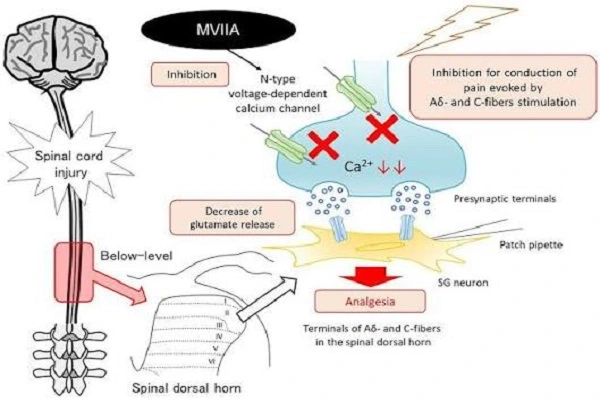
Furthermore, some active substances can only weakly relieve soreness symptoms and cannot act on the electrical signal pathways, failing to reduce the excitability of nerve cells. As soon as abnormal electrical signals increase again, muscle spasms will return. To fundamentally address muscle over-excitation, it's not enough to simply relax the surface of the muscles; the key is to block the continuous stimulation of the neuromuscular junction by abnormal electrical signals, thereby reducing the firing frequency of nerve cells. The ability of muscles to maintain a stable and relaxed state depends on the openness of electrical signal channels on nerve cell membranes. When a large number of channels remain uncontrolled and continuously open, resulting in abnormally frequent electrical signal discharges, muscle stability becomes difficult to maintain. Mu conotoxin can precisely attach to the entrances of specific types of electrical signal channels, acting like a stopper to block them, preventing a large influx of sodium ions into the cell, cutting off the generation and transmission of abnormal electrical signals, reducing unnecessary muscle tension, and calming persistent over-excitation.
We need to distinguish between two distinct treatment modes: one is temporary muscle relaxation after a spasm occurs, which only yields short-term effects; the other is blocking electrical signal channels, interrupting the source of abnormal stimulation, and continuously reducing nerve excitability to achieve long-term stability. Mu conotoxin's focus is on blocking electrical signal channels. Its action is highly targeted, relying on continuously occupying channel sites to gradually inhibit the discharge of abnormal electrical signals, but it cannot completely eliminate all discomfort instantly. It is more suitable for situations where nerve electrical signals are abnormally active and muscles frequently experience over-excitation. Timely intervention can prevent chronic damage caused by persistent muscle spasms. It is a research-grade active ingredient that targets ion channel regulation.
At the same time, we must distinguish between muscle fatigue after ordinary exercise and pathological neuromuscular abnormal excitation, as there is a significant difference in severity between the two. This peptide ingredient has a more prominent regulatory effect on excessive excitation mediated by specific electrical signal channels. It is not a common daily relaxation and soothing ingredient. Its target is very clear, and its physiological effects are highly targeted. It cannot be equated with common plant-based soothing ingredients, and its application scenarios and mechanisms of action have clear boundaries.
Unique molecular structure of natural peptides used to accurately target skeletal muscle electrical signal channels
Mu conotoxin is a natural venom peptide formed by marine cone snail in the long-term evolution process. After millions of years of natural selection and optimization, its molecules have highly accurate targeting ability. Different from synthetic broad-spectrum channel blockers, the polypeptide chain of conotoxin is folded into a unique spatial conformation with specific charge distribution and amino acid side chain arrangement. This enables it to accurately identify and embed the external entrance of a specific type of electrical signal channel on the skeletal muscle nerve cell membrane, and has much less influence on other types of channels. This high selectivity is its most prominent advantage.
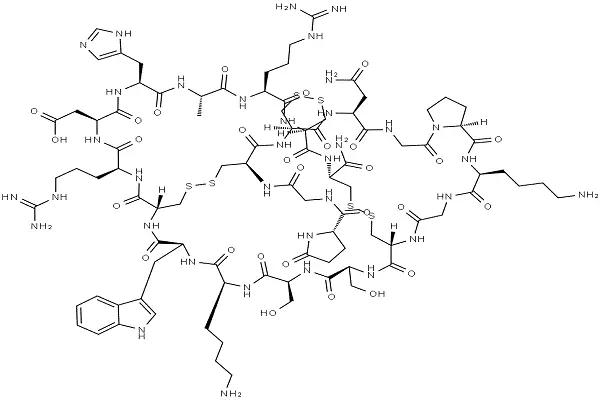
μ-Conotoxin is a short-chain polypeptide rich in cysteine. Multiple disulfide bonds are formed in the molecule, which firmly fixes the whole peptide chain into a compact and stable three-dimensional structure. This rigid conformation can prevent the polypeptide molecule from deforming and losing its activity in body fluid, so that it can maintain an accurate recognition form for a long time and continue to combine with the target channel to play its role. Once many linear peptides enter body fluids, they will be quickly cut and destroyed by enzymes, resulting in short survival time. However, conotoxin has a compact disulfide bond structure, which significantly enhances its resistance to enzymatic degradation, prolongs its activity duration, and overcomes the common weakness of peptides, that is, it is easy to inactivate quickly.
When Mu conotoxin reaches the neuromuscular junction, the positively charged amino acid region on the surface of the peptide molecule is attracted by the negatively charged amino acid residue at the entrance of the channel, and quickly and accurately locates at the opening of the channel. Subsequently, the core functional group of the peptide is embedded in the narrow region of the channel, just like a customized plug, which physically blocks the ion flow path and prevents sodium ions from flooding into nerve cells along the concentration gradient. Sodium ion is very important for generating electrical signals; A large number of sodium ions quickly flow into cells, which is the core step of signal transmission. Due to the blockage of the channel, sodium ions cannot flow in normally, and it is difficult to generate and conduct abnormal electrical signals. Many channel blockers act on the drug binding sites in the channel, which requires the channel to be opened before binding. However, the blocking of the channel directly from the external entrance is independent of its open state, which makes the blocking more direct and effective.
In addition to physically blocking the channel, the binding of the monoclonal toxin will slightly change the spatial conformation of the channel protein, making the channel difficult to be activated by voltage changes, thus further reducing the possibility of channel opening. This dual mechanism jointly suppresses the emission of abnormal electrical signals. This combination method is highly reversible; Peptide molecules bind to the channel through noncovalent bonds without permanently destroying the protein structure of the channel. With the gradual metabolism and elimination of peptides, the channel function can gradually return to normal without irreversible nerve damage. Common neurotoxins usually permanently damage the channel structure or kill nerve cells, resulting in serious side effects. The reversible binding characteristics of mucin toxin significantly improve the safety of its research and application.
High-quality conotoxin can be prepared by chemical solid-state synthesis. After several rounds of chromatographic purification, oxidative folding and freeze-drying, high purity, consistent and correct powder with accurate disulfide bond pairing was obtained. In this process, mismatched peptides, defective peptides, heavy metals and residual organic solvents produced in the synthesis process were removed, ensuring the stable purity and biological activity of different batches. Although the natural extract of snail venom is very complex and contains many subtypes of toxins, the chemically synthesized conotoxin has a single, clear component and controllable activity, which makes it more suitable for accurate scientific research and formula development. Peptide powder shows excellent stability and good compatibility under suitable sealing, dark and low temperature storage conditions. It can be used in combination with various buffer systems and stabilizers, and it can play a role through the channel targeting mechanism without non-specific damage to surrounding healthy tissues, making it suitable for long-term and sustained effect research and development.
Blocking abnormal electrical signal transmission inhibits persistent muscle twitching and over-excitation
Disequilibrium in the neuromuscular system often manifests as abnormally frequent discharges of nerve cells. Electrical signals are rapidly transmitted along motor nerve fibers to the neuromuscular junction, continuously stimulating muscle contraction and leading to uncontrolled muscle twitching, spasms, and stiffness. Some soothing ingredients only temporarily relax muscle fibers; once discontinued, abnormal electrical signals re-stimulate the muscles, and twitching quickly recurs, making it difficult to maintain stable muscle homeostasis in the long term. Mu conotoxin continuously blocks the electrical signal channels on the motor nerve cell membrane, reducing the generation and transmission of abnormal electrical signals along nerve fibers, lowering the signal release frequency at the neuromuscular junction, significantly reducing the contraction commands received by the muscles, maintaining a relaxed and stable muscle state, and protecting muscle tissue from damage caused by continuous over-contraction.
Continuous abnormal muscle contraction stretches muscle fibers, causing micro-damage. Cells continuously produce large amounts of metabolic waste and stress substances, further exacerbating muscle soreness and fatigue, forming a vicious cycle of more twitching leading to more damage, and more damage leading to increased sensitivity. Mu conotoxin reduces frequent abnormal muscle contractions, decreases the continuous mechanical strain on muscle fibers, reduces the continuous generation of metabolic waste and stress-related harmful substances, alleviates chronic muscle wear and tear, and gradually repairs the damaged muscle microenvironment. It does not directly eliminate metabolic waste from the body, but rather reduces the damage caused by abnormal contractions at the source. This mechanism is completely different from that of antioxidants and muscle repair ingredients; the two can work together to synergistically optimize the overall state of the neuromuscular system.
Normal muscle contraction relies on precise control of nerve electrical signals. The frequency, intensity, and timing of these signals must strictly match the body's movement needs. When nerve cells are overexcited, the electrical signals lose their rhythm, and chaotic signals continuously bombard the muscles, leading to uncoordinated muscle contractions and abnormal manifestations such as tremors, twitches, and stiffness. Mu conotoxin does not directly change the contractile ability of muscle cells themselves, but rather blocks the transmission of abnormal electrical signals upstream. Even if nerve cells have a tendency to be overexcited, chaotic electrical signals are difficult to transmit smoothly to the muscles, reducing the negative effects of abnormal excitation. Many muscle-building ingredients attempt to directly alter the contractile properties of muscle fibers, easily interfering with normal muscle function. This peptide, however, operates with greater precision, blocking only abnormally excessive signal transmission while preserving adequate normal neuromuscular function.
Frequent abnormal electrical signals can also disrupt the normal release rhythm of signaling substances from nerve endings. When nerve endings are under prolonged high-load, their signaling substance reserves are depleted, neurotransmission efficiency decreases, and the overall vitality of the neuromuscular system declines. Mu conotoxin relieves nerve cells from the fatigue of continuous high-frequency discharge, reducing the continuous load on nerve endings and helping damaged nerve cells gradually recover, improving the overall vitality of the neuromuscular system and consolidating homeostasis. As the number of abnormal discharges decreases, the microenvironment at the neuromuscular junction continuously improves, and the system's own stable regulatory capacity gradually recovers, reducing its over-reliance on the regulatory effects of exogenous peptides.

We cannot expect Mu conotoxin to have a quick effect. The decline in nerve cell excitability and the repair of the muscle microenvironment require a long period and cannot completely improve the long-term abnormal neuromuscular excitation state in a short time. With continued action, the frequency of muscle spasms gradually decreases, and the tightness, stiffness, and discomfort gradually lessen. It is suitable for situations with abnormally active nerve electrical signals and frequent muscle over-excitation. However, it has limited potential for improvement in cases where muscles have already suffered severe organic lesions or extensive nerve cell necrosis. Its applicable scope is clearly defined and cannot be infinitely expanded. It is also important to emphasize that Mu conotoxin is a highly active neurotoxin peptide and must be used under strict scientific experimental conditions. It cannot be used casually as a daily maintenance ingredient, and dosage control is crucial.
High selectivity reduces side effects, unlike broad-spectrum neuroblockers
In research related to neural signal regulation, many channel blockers lack selectivity, simultaneously affecting multiple types of electrical signal channels. This not only blocks abnormal excitation in skeletal muscle but also interferes with normal electrical signal conduction in the heart and other parts of the nervous system, leading to serious side effects and limiting the scope and safety of their research applications. Mu conotoxin's most prominent advantage is its high subtype selectivity. It primarily targets specific electrical signal channel subtypes in skeletal muscle, exhibiting very low affinity for other types of channels in the heart and central nervous system. Therefore, while blocking abnormal skeletal muscle excitation, it has minimal impact on cardiac contraction and central nervous system function, significantly reducing non-specific side effects.
Although electrical signal channels in different tissues have similar structures, there are subtle differences in their amino acid sequences, resulting in varying charge distributions and spatial conformations at the channel openings. Through long-term evolutionary optimization, the charge and spatial conformation of the molecule's surface are highly matched to the skeletal muscle channel openings, allowing for tight binding. In contrast, the matching degree is low for other channel subtypes in the heart and nervous tissues, resulting in weak binding and making effective blocking difficult. This precise identification based on molecular structural differences makes Mu conotoxin a crucial tool in scientific research for distinguishing the functions of different channel subtypes, and also provides an ideal molecular template for developing muscle homeostasis-regulating agents with low side effects.
Broad-spectrum neuroblockers often act on channels in multiple tissues, easily inducing systemic adverse reactions such as cardiac arrhythmias, blood pressure fluctuations, and central nervous system depression. These adverse reactions severely disrupt the overall condition of experimental animals, making it difficult to accurately assess the local regulatory effects on skeletal muscle. Mu conotoxin's high selectivity allows researchers to specifically study the function of skeletal muscle channels and the regulatory mechanisms of abnormal excitation without significantly affecting the heart and central nervous system. Experimental results are more accurate and reliable, eliminating the interference of systemic side effects. This is a key reason why Mu conotoxin is widely used in basic research related to neuromuscular diseases.
In addition to subtype selectivity, the potency of Mu conotoxin can be flexibly controlled by dosage. Low concentrations partially block channels, inhibiting only excessively abnormal electrical signals while preserving most of the normal neuromuscular conduction function; high concentrations increase the proportion of channel blockade, deepening muscle relaxation. This dose-dependent modulation allows researchers to precisely control the blocking intensity according to experimental needs, avoiding a one-size-fits-all approach to complete paralysis. Ordinary neuromuscular blocking agents often have a narrow therapeutic window; even a slight overdose can lead to complete muscle paralysis or even respiratory muscle involvement. Muconotoxin's selectivity and reversibility make modulation safer and more controllable.
The reversible binding property of Muconotoxin further enhances its safety. The peptide molecule and the channel are bound by non-covalent bonds such as electrostatic interactions and hydrogen bonds. Binding and dissociation are in a dynamic equilibrium. As the peptide concentration in the body gradually decreases, the occupied channels are gradually released, and neuromuscular conduction function naturally recovers without causing permanent channel damage or nerve cell death. Many irreversible neurotoxins permanently modify channel proteins, leading to long-term or even permanent muscle paralysis. Muconotoxin's reversibility allows for repeated use and flexible adjustment in scientific experiments. After the experiment, the neuromuscular function of the animal gradually returns to normal, significantly improving the ethical feasibility and safety of its scientific applications.
Conclusion
Mu conotoxin, a natural active polypeptide derived from the venom of the marine cone snail, differs from ordinary soothing and relaxing ingredients. Relying on its unique disulfide bond stable conformation and precise molecular recognition ability, it highly selectively blocks specific electrical signal channel subtypes on skeletal muscle cell membranes, inhibiting the generation and transmission of abnormal electrical signals at the source. This reduces abnormal states such as muscle over-excitation, twitching, and spasms, maintaining the homeostasis of the neuromuscular system. Its blocking effect is highly reversible, without permanently damaging channel structure or nerve cell function. It has minimal non-specific effects on the heart and central nervous system, and its side effects are far lower than those of broad-spectrum neurotoxin blockers. High-quality synthetic Mu conotoxin powder is characterized by high purity, stable activity, and good formulation compatibility. It is an important tool and reagent for basic neuroscience research and a valuable lead compound template for developing novel muscle relaxants, analgesics, and antispasmodics. This raw material is a highly active neurotoxin with clearly defined usage restrictions and safety boundaries, and must be used under strict scientific research conditions. With the continuous advancement of precision drug development and peptide technology, Mu conotoxin will continue to demonstrate unique scientific research value and application potential in the fields of neuromuscular disease research and innovative drug development.
Xi'an Faithful BioTech Co., Ltd. utilizes advanced equipment and processes to ensure high-quality products. Our Mu conotoxin meets international pharmaceutical standards. Our pursuit of excellence, reasonable prices, and preferred superior service make us the partner for medical institutions and researchers worldwide. If you require Mu conotoxin research or production,Please contact us Click email: allen@faithfulbio.com Or WhatsApp: +86 13137770562.
References
- Terlau H, Olivera B M. Conus venoms: a rich source of novel ion channel‑targeted peptides[J]. Physiological Reviews, 2004,84(1):41‑68.
- Lewis R J, Dutertre S. Use of conotoxins to define the function of voltage‑gated sodium channel subtypes[J]. Toxicon,2012,60(4):490‑498.
- Wilson M J, Alewood P F. Mu‑conotoxins: molecular probes and drug leads for sodium channel‑related disorders[J]. Marine Drugs, 2015,13(4):2103‑2122.
- Tikhonov D B, Zhorov B S. Outer vestibule of voltage‑gated sodium channels and binding of mu‑conotoxins[J]. Journal of Biological Chemistry,2018,293(12):4354‑4363.
- Bingham J P, Mitsunaga E. Stability and formulation considerations for disulfide‑rich conotoxin peptides in research applications[J]. International Journal of Peptide Research and Therapeutics,2020,26(3):1387‑1398.
- Finol‑Urdaneta A, Dutertre S. Subtype selectivity of mu‑conopeptides and their potential as analgesic drug leads[J]. Toxins,2022,14(8):521.
- Kaas Q, Westermann J C. Conotoxin engineering and structure‑activity optimization for therapeutic development[J]. Expert Opinion on Drug Discovery, 2024,19(3):347‑362.