

How Does Azithromycin Powder Work? Mechanism and Dosage Form Ingredients Explained
Azithromycin Powder is a bacteriostatic macrolide antibiotic that stops bacteria from growing and copying by attaching to the 50S ribosomal subunit and stopping protein synthesis. This multipurpose germ killer has azithromycin dihydrate as its main ingredient, along with carefully chosen fillers that make it more stable, bioavailable, and consistent in production. The powder form gives pharmaceutical companies more freedom in formulating, so they can make a wider range of dosage forms, such as pills, oral suspensions, and specialized preparations, that are still effective against a wide range of bacterial diseases.
Understanding Azithromycin Powder: Overview and Key Ingredients
Azithromycin powder is an advanced macrolide antibiotic that has changed the way bacterial infections are treated all over the world's pharmaceutical businesses. This strong germ-killer is an azalide macrolide, which can be told apart from other erythromycin-based drugs by its 15-membered lactone ring structure that includes a carefully placed nitrogen atom that makes it more effective as a medicine. In azithromycin powder, the main ingredient is azithromycin dihydrate, which stays very stable in a wide range of weather circumstances. This crystalline substance is very resistant to acid, which means it can live in stomach acid without breaking down much. Its molecular structure allows it to penetrate deeper into tissues, reaching amounts that are 10 to 100 times higher than those found in plasma. This makes it especially powerful against pathogens that live inside cells. Pharmaceutical companies like this API because it has a long elimination half-life of about 68 hours, which makes once-daily dosing easier and more likely to be followed by patients.
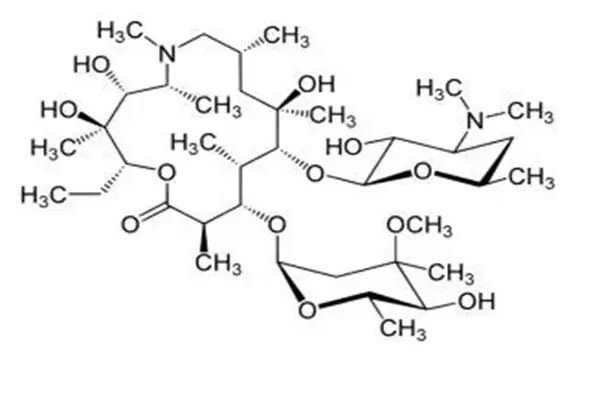
The compound's lipophilic property makes it easy for cells to take it in quickly, especially phagocytes, which are where many bacterial pathogens live. This improves the effectiveness of treatment in tough infection situations. High-quality azithromycin formulas use carefully chosen excipients that make the powder work best for industrial processes. Microcrystalline cellulose is a basic excipient that makes it easy to crush tablet ingredients while keeping the substance evenly spread out. Sodium phosphate systems keep the pH level stable so that the dissolution patterns are the same in all stomach circumstances. Disintegrating agents like croscarmellose sodium speed up the rate at which tablets break down, which helps the APIs get released and absorbed more quickly. Compounds that don't stick to surfaces, like magnesium stearate, keep powder from sticking to production equipment. This makes sure that batch production is always the same. These fillers are put through a lot of tests to make sure they work well with the active ingredient. This keeps them from reacting in ways that could make the product less effective or unstable.
Modern factories that make azithromycin powder follow strict Good Manufacturing Practice rules. This makes sure that the powder is always the same from batch to batch, which is important for medicinal uses. As part of quality control, full HPLC analysis is done to make sure that API purity levels are usually higher than 98%. Testing for microbes proves that the material is sterile enough to be used in pharmaceuticals, and the study of particle size distribution makes sure that the material flows smoothly in all kinds of manufacturing processes. Regulatory compliance includes more than just basic quality measures. It also includes full documentation systems that help meet global standards for pharmaceutical registration. The paperwork for the Certificate of Azithromycin Powder Analysis gives specifics for every production batch. This helps pharmaceutical businesses stay in line with regulations in different countries and keep track of the supply chain.
Mechanism of Action: How Azithromycin Powder Works Against Bacterial Infections
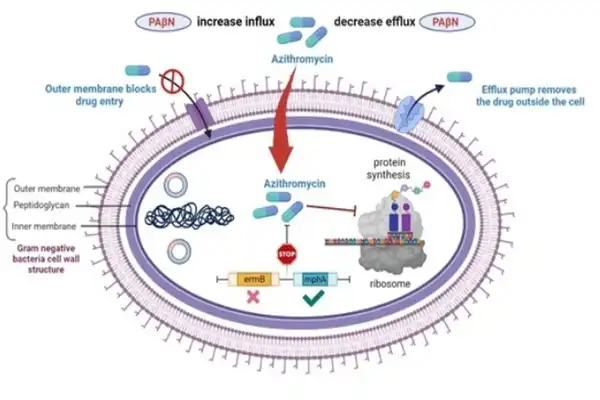
The powerful antimicrobial activity of azithromycin powder comes from its complex process that targets the pathways that bacteria use to make proteins. Pharmaceutical experts can improve formulation strategies and clinical uses across a wide range of therapeutic scenarios by understanding how this process works. Azithromycin is very good at targeting bacterial ribosomes because it binds reversibly to the 50S ribosomal subunit and targets the peptidyl transferase center. This binding relationship stops peptidyl-tRNA from moving from the A-site to the P-site during protein synthesis. This stops bacterial growth but doesn't kill the organism right away. Compared to bactericidal options, this bacteriostatic action lowers the pressure for tolerance to form. The binding affinity for bacterial ribosomes is much higher than that for mammalian ribosomes. This helps explain why the chemical is safe to use in humans. Because it is selective, azithromycin can be given in therapeutic doses that kill bacteria while having the fewest negative effects on human cells. This makes it especially good for treating children and the elderly. Azithromycin powder forms work well against a wide range of bacteria, from gram-positive ones like Streptococcus pneumoniae and Staphylococcus aureus to difficult gram-negative ones like Haemophilus influenzae.
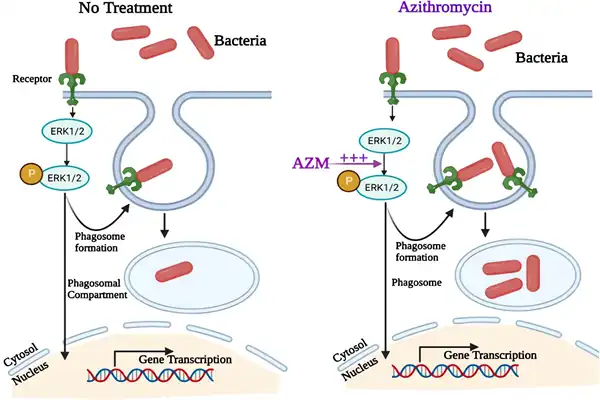
The compound works very well against unusual bacteria like Chlamydia pneumoniae, Mycoplasma pneumoniae, and Legionella pneumophila, which are usually resistant to beta-lactam drugs. When drug companies make mixed products or long-lasting formulas, they need to think about how resistance develops, which mostly happens through ribosomal RNA methylation or efflux pump upregulation. Responsible buying from companies that follow antibiotic management rules helps keep antibiotics working well and supports long-term therapeutic methods. The unique metabolic profile of azithromycin powder is a big part of why it works so well as a medicine. Rapid tissue spread keeps antibiotic concentrations high at infection sites for a long time, sometimes for days after treatment stops. Because they stay in the tissue for a longer time, treatment rounds can be shorter—usually just three to five days instead of the seven days that other antibiotics need. Intracellular buildup within phagocytes improves the ability of antimicrobials to kill intracellular pathogens and delivers them directly to infection sites through the normal migration patterns of immune cells. This is what makes the substance so good at fighting illnesses in the respiratory tract, where sick alveolar macrophages are both home to pathogens and therapeutic targets.
Dosage Forms and How to Use Azithromycin Powder
Pharmaceutical companies use azithromycin powder to make a range of dose types that are special to patient groups and clinical needs. Powder formulations are flexible, which means that they can be used in a variety of ways to create personalized treatment methods that keep their antimicrobial effectiveness across all of them. The main way that azithromycin powder is used in pharmacy making is to make tablets and capsules. The powder has great flowability and compressibility, which allows it to be made into tablets quickly without affecting the consistency of the content. Direct compression methods work well with powder that has been properly conditioned, and wet granulation methods improve the way immediate-release products dissolve. The powder's stability is used in the development of sustained-release tablets to make extended-release profiles that keep medicinal amounts for a long time. Hydrophilic matrix systems with hydroxypropyl methylcellulose allow controlled release of the API, which makes once-daily doses easier for patients to stick to. The film-coating process protects the core pill and hides the bitter taste that Zithromax has by nature. Because young patients have trouble eating, pediatric uses often need liquid versions made from azithromycin powder. Powder for oral solution (POS) formulas make it easy for healthcare professionals and caregivers to mix the ingredients. Usually, these mixtures have flavorings that hide the bitterness while keeping their stability in watery environments. Because powder doesn't mix well with water, suspension formulas need to carefully choose their excipients and adjust the pH. When xanthan gum and microcrystalline cellulose are mixed, they make a great solution that keeps the API from Azithromycin Powder from settling during storage.
Preservative systems make sure that the product stays microbiologically stable over its entire shelf life while still meeting the safety standards for children. Azithromycin powder is used in topical treatments for dermatological purposes because it has antibacterial and anti-inflammatory qualities. To get therapeutic skin concentrations, cream and ointment formulas need to carefully think about penetration boosters. Propylene glycol and dimethyl sulfoxide methods make transdermal administration easier while keeping the consistency of the formulation. For ophthalmic uses, high standards of cleanliness and sterility must be maintained throughout the manufacturing process. Azithromycin powder in amounts ranging from 1% to 1.5% is usually used in eye drops. Isotonic buffering systems make sure the patient is comfortable while the drops are being applied. For these mixtures to be made, they need to be made in special places that meet the standards for clean products and keep the API's effectiveness throughout the product's lifecycle.
Procurement Insights: Choosing and Buying Azithromycin Powder for B2B Needs
Strategic procurement of azithromycin powder requires a comprehensive evaluation of supplier capabilities, quality systems, and regulatory compliance records. Pharmaceutical manufacturers must balance cost considerations with quality assurance requirements while ensuring supply chain reliability for continuous production operations. To find reliable azithromycin powder suppliers, manufacturing skills and quality control systems must be carefully examined. Suppliers must show that they follow current Good Manufacturing Practices by passing checks and getting certificates from the government. The state of FDA registration shows that the product is legal to use in the US market, and CEP (Certificate of Suitability) paperwork shows that it is compliant with the European Pharmacopoeia. When you evaluate a quality management system, you look at things like how to release batches, how to do analysis tests, and how to handle changes. The companies that sell pharmaceuticals should keep full analytical testing labs with HPLC, GC, and spectrophotometric equipment that can do full pharmaceutical analysis according to standard methods. Environmental tracking programs and steps to stop pollution make sure that the quality of each production batch is the same. As part of the documentation requirements, you must include thorough accounts of the manufacturing process, profiles of impurities, and stable data that backs up the suggested storage conditions and shelf life claims. Supplier audit programs let you directly check out factories, quality control labs, and paperwork systems. This gives you peace of mind about your long-term supply relationships. The price of azithromycin powder on the market depends on a number of factors, such as the amount that is produced, the quality standards, and the shipping needs. When you buy in bulk, you usually save money and make sure that big manufacturing companies always have enough supplies. Minimum order amounts are usually between 25 and 100 kilograms, but can be higher or lower, depending on the supplier's capacity and changes in market demand. As part of logistics, it's important to make sure that the API stays stable while it's being shipped and stored. Powder stays intact during foreign shipping when it is packed in moisture-resistant materials with cooling systems. For some formulations, cold chain management may be needed. This means that special shipping and storage plans must be made, which affects the total cost of purchase.
Managing the risks in the supply chain means building ties with a number of reliable providers to keep production from stopping. Inventory management plans weigh the costs of keeping goods in stock against the risk of running out, taking into account the time it takes to buy things from other countries and clear customs. Forward hiring agreements keep prices stable and make sure there is a supply during times of high demand. Teams in charge of buying things must make sure that azithromycin powder meets all relevant pharmacopoeial standards, such as those set out in the USP, EP, and JP papers. The paperwork that comes with the Certificate of Analysis should show that all the tests that were asked for were done, such as the assay, for impurities, leftover chemicals, and microbial quality. Heavy metals testing makes sure that there are no harmful contaminants in the product that could make it less safe. For regulatory filing support, providers must provide full drug master file paperwork that meets the needs of regulatory submission. This paper has information about the manufacturing process, the confirmation of analytical methods, and stable studies that support the suggested specs. To stay in line with regulations, changes to industrial processes, such as Azithromycin Powder or testing methods, need to be properly reported and documented.
Practical Case Studies and Applications in Global B2B Procurement
Real-world procurement strategies demonstrate successful approaches to azithromycin powder sourcing across diverse pharmaceutical manufacturing environments. These case studies illustrate best practices for supplier evaluation, quality assurance, and supply chain optimization that support efficient production operations. A big drug company that makes generic antibiotics set up a thorough program to make sure that suppliers of azithromycin powder met certain criteria. To make sure the provider could do what they said they could, they did thorough technical reviews, facility checks, and small-scale production trials. Through the qualification process, three major providers were found to be able to meet volume needs while keeping quality standards uniform. The strategy for buying things focused on building long-term relationships with reliable sellers by making yearly volume promises in exchange for better prices and faster delivery times when there were gaps in the market. Compared to buying on the spot market, this method cuts costs by 15% while improving supply stability and lowering the cost of sourcing administration. Quality assurance procedures included checking the quality of arriving materials, keeping an eye on how well suppliers were doing, and doing regular building re-audits to make sure quality standards were still being met. The manufacturer set up key performance markers, such as rates of on-time delivery, quality compliance metrics, and responsiveness to technical questions. This made it possible to evaluate the performance of the provider in an objective way. A contract production company that focuses on pediatric recipes came up with new ways to get azithromycin powder, which is used in flavored suspension products. Their technical requirements focused on consistent particle size and dissolving properties that were best for developing liquid formulations. As part of the selection process for suppliers, we looked at their analytical skills for particle size measurement and their recipe development support services. The buying team worked with Azithromycin Powder suppliers to come up with custom specs that met the individual needs of each formulation. This partnership method made it possible to create better suspension formulas that were more stable and tasted better. Joint development projects sped up the time it took to bring new goods to market while using the technical know-how of suppliers in powder processing technologies. A foreign drug distributor set up advanced inventory management systems for azithromycin powder so that they could serve many industrial clients in different parts of the world. Their method used algorithms for predicting demand along with research of supplier lead times to find the best inventory levels while lowering the costs of having them. Strategic warehousing sites in key markets were part of the distribution strategy. This cuts down on shipping times and transportation costs for client producers. Automated restocking systems that were based on trends of consumption and changes in seasonal demand made sure that products were always available and kept extra inventory from building up. This methodical technique made customers happier and cut costs across the whole supply chain by about 12%.
Conclusion
Azithromycin powder is an important part of current pharmaceutical production because it has many antimicrobial qualities that can be used in a variety of therapeutic settings. The compound's unique way of working targets bacterial protein production through binding to 50S ribosomes, making it effective against a wide range of illnesses, including those in the lungs and soft tissues. To make sure that products are always available and that strict requirements for pharmaceutical manufacturing are met, good buying strategies focus on qualifying suppliers, making sure quality is high, and optimizing the supply chain. Knowing the technical details of azithromycin powder helps you make smart choices when creating new medicines and planning your purchases, which supports the efficient production of medicines for markets around the world.
FAQ
1. What is the recommended storage condition for azithromycin powder?
Azithromycin powder needs to be kept in cases that are tight and don't let light in. It also needs to be kept at a fixed room temperature of 15 to 30°C (59 to 86°F). To keep the powder's effectiveness and stop it from breaking down, it should be kept away from wetness and humidity. Stability is guaranteed for up to three years if kept according to the manufacturer's instructions.
2. How does azithromycin powder compare to other macrolide antibiotics?
Azithromycin powder is more stable in acid than erythromycin, which means it can be taken by mouth more easily and with less stomach pain. The longer half-life of 68 hours means that it only needs to be taken once a day, while other macrolides need to be taken several times a day. In addition, Zithromax has better tissue penetration and a lower chance of interfering with other drugs.
3. What quality tests are essential for azithromycin powder procurement?
Some important quality checks are impurity analysis, leftover solvent testing, microbial examination, and HPLC assay proof (usually 98–102%). Particle size distribution analysis makes sure that the mixture properties are just right, and moisture content measurement makes sure that the product will stay stable in storage. Based on the planned uses, heavy metals tests and endotoxin research may be needed.
4. Can azithromycin powder be used in veterinary applications?
Azithromycin powder is used a lot in veterinary medicine to treat bacterial illnesses in both farm animals and pets. Veterinary formulations have to follow rules about animal health and may have different dose instructions than human formulations. The powder is useful for treating respiratory illnesses in cattle and other household animals because it works on a wide range of pathogens.
5. What are the key considerations for azithromycin powder formulation development?
Formulation development needs to find the right coloring or covering systems to cover up the powder's bitter taste. Because the substance doesn't dissolve well in water, it needs to be carefully mixed with other ingredients in liquid products. Optimizing the pH level improves the stability and dissolution properties, while managing the particle size has an impact on absorption and the ease of making.
Partner with Faithful for Premium Azithromycin Powder Supply
Xi'an Faithful BioTech Co., Ltd. stands as your reliable azithromycin powder manufacturer, delivering pharmaceutical-grade APIs that meet international GMP standards. Our state-of-the-art manufacturing processes for Azithromycin Powder ensure batch-to-batch consistency essential for your formulation needs, whether developing oral suspensions, tablets, or injectable preparations. Equipped with advanced analytical instrumentation, including HPLC, GC, and spectrophotometric systems, we provide comprehensive Certificate of Analysis documentation supporting your regulatory requirements. Contact allen@faithfulbio.com to discuss your azithromycin powder procurement needs and discover how our technical expertise can enhance your pharmaceutical manufacturing operations.
References
1. Zuckerman, J.M., Qamar, F., and Bono, B.R. Review of macrolide (azalide) resistance in Streptococcus pneumoniae. Current Infectious Disease Reports, 2009.
2. Patel, K.B. and Quintiliani, R. Azithromycin: clinical pharmacology and therapeutic applications. Pharmacotherapy: The Journal of Human Pharmacology and Drug Therapy, 1995.
3. Hopkins, S.J. Clinical toleration and safety of azithromycin in adults and children. Reviews of Contemporary Pharmacotherapy, 1994.
4. Retsema, J., Girard, A., Schelkly, W., Manousos, M., Anderson, M., Bright, G., and Brennan, L. Spectrum and mode of action of azithromycin, a new 15-membered-ring macrolide with improved potency against gram-negative organisms. Antimicrobial Agents and Chemotherapy, 1987.
5. Foulds, G., Shepard, R.M., and Johnson, R.B. The pharmacokinetics of azithromycin in human serum and tissues. Journal of Antimicrobial Chemotherapy, 1990.
6. McDonald, P.J. and Watson, D.C. Azithromycin versus erythromycin in the treatment of pertussis: a comparative study of safety and efficacy. Pediatric Infectious Disease Journal, 1993.