

How does Dipotassium tetrachloroplatinate mediate metal coordination and cellular perturbation?
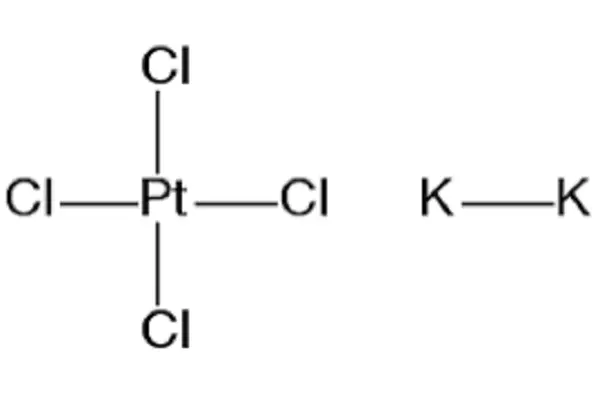
Dipotassium tetrachloroplatinate is a divalent platinum inorganic coordination crystal raw material. It relies on platinum and chloride ions to form a planar tetragonal coordinated anion, which combines with potassium ions to form a complete salt crystal. Dipotassium tetrachloroplatinate is a reddish-brown crystal morphology. In an aqueous environment, it undergoes dissociation of the coordinating groups, exhibiting a strong ligand exchange reaction capability. Dipotassium tetrachloroplatinate is a basic raw material for the preparation of most divalent platinum derivatives. Many antitumor platinum coordination molecules are obtained from this raw material through ligand substitution. Unlike the final platinum-based drugs, dipotassium tetrachloroplatinate mainly serves as a synthetic precursor, while also directly participating in some cell biology observations. The platinum center in the aqueous solution of this raw material is highly reactive, capable of binding to electron-rich sites in nucleic acids and proteins, significantly interfering with rapidly proliferating cells. High-purity batches are strictly controlled for heavy metal impurities, high-valent platinum impurities, and residual free chloride ions. Its complete crystal structure and highly reproducible ligand exchange reaction make it suitable for various research scenarios such as coordination synthesis, material preparation, and cell biology observation.
🧩 The coordination framework determines the fundamental characteristics of molecular reactions
The core unit of dipotassium tetrachloroplatinate crystal is the divalent tetrachloroplatinate anion. The central platinum atom is in a planar tetragonal coordination environment, with four chloride ions uniformly arranged in the same plane. Potassium ions are distributed in the interstices of the anion lattice to maintain charge balance. This overall geometry directly determines all the reactivity characteristics of the substance. Divalent platinum has a d8 electron configuration, and the planar tetragonal arrangement is thermodynamically the most stable. The platinum-chlorine bond maintains a fixed bond length range, with bond angles close to 90 degrees. The regular tetragonal lattice structure inside the crystal ensures that the molecule is not prone to coordination rearrangement in the solid state. Under dry and light-protected solid storage conditions, the entire crystal structure can remain stable for a long time without spontaneous ligand detachment or valence state transformation, which is an important prerequisite for the long-term preservation of solid raw materials. Once in contact with an aqueous solution, the crystal dissociates, with the potassium ions completely released into the solvent, while the highly reactive tetrachloroplatinate anion is retained, laying a solid structural foundation for subsequent ligand substitution. Many researchers often overlook the significant differences in molecular morphology between the solid and solution states. Dipotassium tetrachloroplatinate, highly stable in the solid state, undergoes a fundamental change in chemical behavior upon entering an aqueous environment. The coordination layer is no longer static and closed, but continuously exchanges with solvent molecules.
In aqueous solution, dipotassium tetrachloroplatinate undergoes a gradual hydration substitution reaction. Water molecules in the solvent sequentially replace chloride ions on the coordination layer, generating various hydrated platinum complexes. This ligand exchange is a dynamic and reversible process. The chloride ion concentration directly affects the direction of the reaction. A high chloride ion environment inhibits water molecule substitution, maintaining the original tetrachlorocondensed form; as the chloride ion concentration decreases, the proportion of hydrated products continuously increases. The resulting hydrated platinum species exhibit higher electrophilic reactivity and are more readily accessible to electron-donating groups on biomolecules. Most downstream coordination synthesis work relies on this hydration substitution characteristic. Adding amine, ammonium, or thiol ligands to the system can directionally replace chloride ions in the coordination layer, constructing novel platinum coordination complexes. Cisplatin is a well-known example, prepared using this fundamental reaction. Hydration is not a one-step process but involves the sequential formation of various intermediates, including monohydrate and dihydrate products. These intermediates react at different rates; therefore, the storage time of the aqueous solution alters the proportion of active components in the system, directly affecting the effectiveness of subsequent synthesis or cellular intervention. Prepared aqueous solutions should not be stored for extended periods and should be prepared and used immediately to minimize data fluctuations caused by drift in the proportion of hydrated components.
The solubility and dispersion characteristics of dipotassium tetrachloroplatinate have a profound impact on its practical performance. Dipotassium tetrachloroplatinate has moderate solubility in water, significantly improved solubility in dimethyl sulfoxide (DMSO), but is almost insoluble in ethanol and ether-based organic solvents. In synthetic or cell-related experiments, the choice of solvent system directly determines the effective molecular concentration. Inappropriate solvent formulations can lead to crystal precipitation and aggregation, hindering the release of active platinum coordination units and reducing reaction efficiency. Many researchers have used pure water directly to prepare high-concentration stock solutions, only observing fine crystal precipitation after a period of storage. This is because temperature fluctuations reduce solubility, preventing the precipitated solids from redissolving, resulting in an actual effective concentration lower than the theoretical feed value. Careful consideration of solvent composition is necessary when preparing stock solutions to control the maximum solubility concentration, avoid localized supersaturation precipitation, and ensure that the molecules involved in the reaction remain in a molecularly dispersed state. For cell experiments, the toxicity of the solvent to cells must also be carefully considered, and the proportion of organic solvents must be controlled. High-concentration co-solvents that may damage the cell system should not be introduced to improve the solubility of the raw materials.
The purity of the raw materials has a significant impact on the reaction behavior of dipotassium tetrachloroplatinate. Crude feedstocks often contain high-valent platinum impurities, such as potassium hexachloroplatinate, incompletely converted platinum oxide, and free potassium salts. High-valent platinum has an octahedral coordination geometry, and its ligand exchange rate is much lower than that of divalent platinum. The addition of high-valent platinum alters the overall reaction kinetics, leading to a decrease in the purity of subsequent synthetic products. Some inorganic impurities do not participate in coordination reactions but increase the ionic strength of the system, disrupting the osmotic balance of the cellular environment and causing non-specific cellular interference. This makes it difficult for researchers to distinguish whether observed cellular changes originate from platinum coordination units or from osmotic shocks caused by inorganic salt impurities. High-purity dipotassium tetrachloroplatinate relies on multiple recrystallization processes to remove high-valent platinum byproducts and insoluble impurities, ensuring that the vast majority of platinum remains divalent, planar, and tetragonal. Consistent ligand exchange rates across different batches guarantee the stability and reproducibility of results in synthetic and cell-related work. The interference of impurities is often latent and does not immediately cause obvious phenomena. It only increases the dispersion of data from multiple batches of parallel experiments, raising the trial-and-error costs of scientific research. Therefore, in coordination synthesis and cell-related work, high-purity raw material batches should be given priority.
Dipotassium tetrachloroplatinate interacts primarily with biomolecules via coordination covalent bonding, unlike the non-covalent bonding of polyphenols and alkaloids, which relies on hydrogen bonds and hydrophobic interactions. The platinum center, acting as a strong electrophile, can capture nitrogen and sulfur atoms rich in lone pairs of electrons on DNA bases and protein amino acid side chains, replacing chloride ions in its own coordination layer to form stable coordination bonds that are difficult to dissociate once bound. This irreversible binding mode directly alters the spatial folding morphology of the target macromolecule, thereby interfering with physiological processes such as nucleic acid replication and protein folding and assembly. Furthermore, this material lacks targeted recognition and screening capabilities; it binds to any electron-rich site, interacting simultaneously with nucleic acids and various proteins within the cell, exhibiting a broad-spectrum biomolecular interference effect. While medicinally modified platinum drugs incorporate specific carrier groups to improve cellular recognition preferences to some extent, Dipotassium tetrachloroplatinate lacks such modifications. Once inside the cell, it reacts indiscriminately with various electron-rich biomolecules, which is the core reason why it exhibits stronger toxicity and cannot be directly used as a therapeutic agent.
⚖️ Macromolecular binding disrupts the cell proliferation and metabolism process
When Dipotassium tetrachloroplatinate enters the cell, the aqueous environment induces hydration activation, generating highly active hydrated platinum coordination components. These active species can penetrate to the cell nucleus and directly contact chromosomal DNA molecules. The platinum coordination centers preferentially coordinate with the nitrogen sites on guanine bases, forming intramolecular crosslinks within the DNA strand. They can also build interstrand crosslinks between complementary strands, forcing the DNA double helix to twist and bend. After the DNA is twisted and deformed, the protein complexes used for replication and transcription inside the cell cannot slide normally along the nucleic acid strand, the nucleic acid replication process is forcibly interrupted, and the gene transcription process is also severely hindered. Rapidly dividing cells cannot complete the replication of genetic material, and the proliferation cycle is forcibly arrested. Highly proliferating cells continuously unwind and replicate DNA, with the DNA double helix in an open and exposed state. The base sites are more easily attacked by platinum active components. Therefore, compared with resting cells, rapidly dividing cells are more susceptible to damage caused by Dipotassium tetrachloroplatinate. Cross-linking damage is not a single type; intra-chain cross-links account for the largest proportion, while inter-chain cross-links are fewer in number but cause stronger damage to DNA function. The combination of these two types of damage further amplifies the interference with nucleic acid physiological functions.
After DNA damage, cells activate internal damage response pathways, sensing abnormal nucleic acid structure and activating multiple downstream signal transduction chains. When normal cells encounter DNA damage, they pause their cell division cycle, mobilizing a large number of repair proteins to gather at the damage site and attempt to repair the structural damage caused by cross-linking. Cells possess multiple DNA damage repair systems, mobilizing different repair protein complexes to perform a series of operations such as recognition, excision, and resynthesis for different types of DNA cross-linking damage. However, for rapidly proliferating cells, the division rate is very fast, leaving very limited time for the repair system to process the damage. A large amount of platinum-mediated cross-linking damage cannot be cleared in time, and the damage continues to accumulate, further initiating the cell's ordered apoptosis program, triggering a series of protein cascade reactions, and guiding the damaged cells towards programmed cell death. Dipotassium tetrachloroplatinate itself is not a specifically developed chemotherapy molecule. It generates a large amount of non-specific binding within cells. Compared to structurally optimized platinum-based drugs, it has weaker selectivity for DNA binding and simultaneously interferes with numerous protein molecules in the cytoplasm. A large portion of the platinum component binds to cytoplasmic proteins before reaching the cell nucleus, leaving a limited percentage of molecules actually acting on DNA. To achieve the same level of DNA damage, a higher external concentration is required, further amplifying the non-specific perturbation to the entire cell.
A large number of intracellular sulfur-containing proteins are also binding targets for dipotassium tetrachloroplatinate. Cysteine residues on intracellular glutathione, metallothionein, and various enzyme proteins exhibit strong affinity for the divalent platinum center. A large number of platinum coordination units are captured by intracellular thiols, forming platinum-sulfur coordination complexes. This process consumes active platinum components, reduces the number of molecules that can reach the cell nucleus and act on DNA, and depletes the endogenous antioxidant thiol reserves in cells. Glutathione is the most important antioxidant small molecule in cells. After being consumed by platinum components, the cell's ability to clear free radicals decreases, leading to increased levels of intracellular reactive oxygen species and further exacerbating oxidative stress damage. Multiple stress factors work together to alter the state of cells, with DNA cross-linking damage causing genetic material damage and thiol depletion leading to oxidative imbalance. These two sets of damage pathways mutually reinforce each other, accelerating cell cycle arrest and apoptosis. There are significant differences in the baseline glutathione content of different cells. Some cells have abundant baseline thiol substances that can capture and consume a large amount of platinum active components. Under the same external nutritional conditions, they exhibit stronger tolerance.
The material transport capacity, intracellular thiol content, and DNA repair capability of different cells all affect their response to dipotassium tetrachloroplatinate. Rapidly dividing cells have vigorous nucleic acid replication activity, and their DNA is continuously in a state of melting and exposure, making them more vulnerable to the attack of platinum active components and leading to faster accumulation of damage. Slowly proliferating cells have their DNA mostly in a tightly folded chromatin state, with fewer exposed sites, allowing more time for damage repair, and thus experiencing relatively less interference. Cells with high thiol molecule concentration in the cytoplasm are able to capture and consume more platinum active components, thereby reducing the extent of damage to a certain extent. This phenomenon also explains the source of tolerance differences among different cells. The expression level of the cell membrane transport system also plays a key role. Dipotassium tetrachloroplatinate dissociates into charged ions, which cannot freely penetrate the lipid bilayer and require the assistance of transport proteins to complete transmembrane transport. Cells with high expression levels of transport proteins absorb more platinum components and endure greater damage pressure. When conducting cell-related scientific research, one cannot simply apply concentration parameters obtained from one cell type directly to other cells. It is necessary to conduct gradient testing on the cells used to determine the appropriate concentration range.
The cell perturbations induced by dipotassium tetrachloroplatinate exhibit significant concentration gradient differences. At lower concentrations, only a small amount of macromolecules are modified by platinum components, activating the cell damage response pathway while retaining partial repair capabilities. Cell proliferation slows down, but it does not necessarily lead directly to apoptosis. As the concentration increases, the scale of DNA cross-linking and protein modification expands, and the repair system reaches its limit, unable to handle large-scale damage. The proportion of apoptosis rapidly increases. Under extremely high concentration exposure conditions, a large number of intracellular proteins are directly modified through synergistic effects, leading to extensive protein denaturation and nonspecific cell necrosis. Apoptosis is a programmable and controllable cell death process, while necrosis can lead to leakage of cellular contents, thereby causing secondary stimulation to surrounding cells. To correctly interpret various indicators obtained from detection, it is necessary to control the actual effective concentration of dipotassium tetrachloroplatinate in the system and distinguish between moderate perturbations and devastating toxicity-induced cell manifestations. This is to avoid misinterpreting phenomena caused by protein denaturation and necrosis at high concentrations as specific pathway regulatory effects.
🔋 Differentiated biological-related behaviors in diverse environments
Dipotassium tetrachloroplatinate can produce radiosensitization-related effects, amplifying the damaging pressure on proliferating cells under synergistic radiation conditions. Ionizing radiation itself creates numerous single-strand and double-strand breaks in DNA, inducing cell damage. Dipotassium tetrachloroplatinate, by causing DNA cross-linking damage, hinders the repair process at DNA break sites. The combined effect of these two types of damage means the cell repair system faces the dual challenges of cross-linking and strand breaks, significantly increasing the difficulty of repair. Radiation damage that could otherwise be partially repaired by cells cannot be cleared due to the presence of platinum-coordinated cross-links, leading to irreversible cell damage and ultimately increasing the cell clearance rate. This synergistic effect is primarily used for cellular-level observations. Dipotassium tetrachloroplatinate itself is not directly used as a radiosensitizer in end-use applications; it is mainly used to explore the synergistic logic between platinum components and physical therapy. It is worth noting that radiation also alters the redox potential of the system, oxidizing some divalent platinum to tetravalent platinum, directly reducing the proportion of active components in the system. The radiation dose also indirectly alters the valence distribution of platinum components, further affecting the actual strength of the synergistic effect. Conducting such co-treatment experiments requires a careful sequencing of the administration of raw materials and the irradiation treatment. Irradiation should only be applied after the platinum active components have fully bound to DNA to achieve the desired sensitization effect.
The concentration of chloride ions in the external environment indirectly alters the actual performance of Dipotassium tetrachloroplatinate in biological systems. A high chloride ion environment inhibits the hydration activation of the raw materials, maintaining the original tetrachlorocoordination form, suppressing molecular reactivity, and reducing its binding capacity to biomolecules. Upon entering the cell, the cytoplasmic chloride ion concentration decreases significantly, hydration replacement accelerates, and highly active coordination species are generated, initiating binding to nucleic acid proteins. This environment-dependent activation characteristic is common to platinum-based metal compounds, suggesting that the chloride ion content in the culture medium directly affects the rate at which Dipotassium tetrachloroplatinate exerts its effect in in vitro cell systems. With the same dosage, different culture medium formulations can yield different cellular response results. Many commercial cell culture medium formulations have subtle differences in chloride ion content. Changing the medium, even while maintaining the same Dipotassium tetrachloroplatinate concentration, can alter cell proliferation inhibition rates and apoptosis rates. When conducting multi-group comparative experiments, it is crucial to ensure all groups use identical culture media to eliminate interference from variations in chloride ion concentration and guarantee comparability of results.
Redox environments alter the valence state of platinum, further rewriting the behavior of Dipotassium tetrachloroplatinate. Divalent platinum is the core form with coordination reactivity. Under strong oxidizing conditions, divalent platinum can be oxidized to tetravalent platinum coordination products. The tetravalent platinum coordination layer is kinetically inert, making it difficult to directly bind to biomolecules, significantly reducing its biomolecular perturbation activity. Conversely, strong reducing environments can reduce divalent platinum to zero-valent platinum, generating platinum nanoparticles that completely lose their coordination binding ability. Significant changes in redox potential around mitochondria and in metabolically active regions within cells can locally alter the valence state distribution of platinum, resulting in inconsistent platinum component activity across different regions of the same cell. During apoptosis, the intracellular oxidative environment changes rapidly, which in turn alters the valence state of the remaining platinum components, creating a complex interplay. In vitro stored aqueous solutions exposed to air and prolonged light exposure also undergo slow redox reactions, causing some divalent platinum to shift in valence state. Therefore, aqueous solutions are unsuitable for long-term storage; they should be prepared and used immediately to ensure platinum valence stability and minimize the degradation of active components.
Different types of biological barriers affect the transmembrane permeation efficiency of dipotassium tetrachloroplatinate. This coordination salt is a strong electrolyte that dissociates into charged ionic components. Its passive permeation ability through lipid phospholipid membranes is limited, unlike lipid-soluble small molecules that can freely diffuse across cell membranes. Instead, it primarily enters cells through membrane-bound transporters, ion channels, or endocytosis. Differences in the expression levels of transporters on the surface of different cells directly lead to variations in the total amount of platinum components entering the cells. Under the same external concentration conditions, some cells can accumulate more platinum components and withstand stronger modification pressure from biological macromolecules, while others have a lower total intake and are relatively less disturbed. Some epithelial barrier structures also hinder the permeation of charged platinum ions, further reducing the efficiency of raw material entry into cells. After external stimulation, the expression levels of transporters in cells are also upregulated or downregulated. Following cellular damage stress, the state of the transport system changes, affecting the subsequent absorption efficiency of platinum compounds, forming a complex feedback loop. Understanding the differences in transmembrane transport can explain why experimental data obtained from different cell models under the same drug concentration exhibit significant variations.
It should be clarified that dipotassium tetrachloroplatinate itself is not suitable for direct administration as a therapeutic drug in vivo. This raw material lacks targeted modification at the molecular level, and upon entering the body, it can undergo non-specific coordination binding with proteins and nucleic acids in various tissues, potentially leading to significant toxicity. At the same time, a large amount of proteins and small thiols in the body will quickly capture active platinum compounds, resulting in a lower proportion of compounds actually reaching the target cell nucleic acid sites. Its core value lies in being a synthetic building block that can introduce various targeting groups and lipid-water partitioning regulating groups through ligand substitution, thereby deriving platinum coordination molecules with better selectivity. The corresponding biological value is achieved through subsequent product modification. Direct administration of dipotassium tetrachloroplatinate to animals can lead to extensive tissue toxicity, failing to achieve selective action and lacking potential for formulation development. At the level of scientific research, it is only regarded as a tool compound for analyzing the chemical and biological behaviors of divalent platinum coordination units themselves. All application-oriented development work must be based on this raw material, undergoing multiple chemical modifications to obtain new coordination compounds before activity evaluation and safety verification can be carried out.
📋 Multiple directions support the advancement of coordination chemistry and biological research
Dipotassium tetrachloroplatinate is the most crucial starting material in the synthesis of platinum-based coordination molecules, and many novel platinum-based derivatives use it as a starting point. Researchers utilize ligand substitution reactions to introduce amines, sulfur-containing ligands, peptides, and targeting groups into the system, directionally replacing chloride ions on the coordination layer to construct structurally diverse divalent platinum complexes. These can be used to build model molecules for observing nucleic acid interactions, synthesize candidate molecules with tumor cell preferences, or create platinum coordination complexes for optical and catalytic materials. Ligand substitution reactions are highly sensitive to the purity of the starting materials. If tetravalent platinum impurities are present, the tetravalent platinum will also participate in the reaction, generating a large number of unwanted octahedral byproducts, significantly increasing the workload of subsequent separation and purification. High-purity dipotassium tetrachloroplatinate ensures stable conversion rates in ligand substitution reactions, reduces byproduct formation, and lowers the pressure of subsequent product purification, making it an irreplaceable fundamental material in the field of metal coordination synthesis. Numerous literature reports on novel platinum-based drug candidates that utilize Dipotassium tetrachloroplatinate as the first step in their synthesis. Various organic ligands are then gradually introduced to achieve targeted modification of the molecular structure.
Dipotassium tetrachloroplatinate is also widely used as the platinum source in the preparation of platinum-based nanomaterials. In a liquid-phase system where both a protecting agent and a reducing agent are present, the divalent platinum ions released by Dipotassium tetrachloroplatinate can be reduced, controllably generating platinum nanoparticles of different sizes and morphologies. By controlling the reduction rate and the type of protecting agent, various nanostructures, including spherical, octahedral, and plate-like structures, can be obtained. These platinum nanomaterials are widely used in catalysis and biosensing. The crystal nucleation and growth process is highly sensitive to impurities in the metal precursor. The presence of high-valent platinum impurities can lead to a wider particle size distribution, decreased morphological uniformity, and abnormal aggregation of some particles. High-purity Dipotassium tetrachloroplatinate can facilitate the production of platinum nanoproducts with controllable morphology and concentrated size distribution. In the field of catalysis, the particle size and morphology of platinum nanoparticles directly determine catalytic activity. Insufficient purity of precursor materials will directly result in substandard performance of the entire batch of nanomaterials. Therefore, high-purity dipotassium tetrachloroplatinate is a prerequisite for the preparation of high-quality platinum nanomaterials, and materials science researchers pay particular attention to the control of impurity levels in this raw material.
In cellular research, dipotassium tetrachloroplatinate is used to understand the interaction between platinum metal components and biomolecules. Researchers set up gradient concentrations to conduct cellular interventions, observing changes in DNA damage markers, apoptosis signals, intracellular oxidation levels, and protein expression profiles. They analyze how platinum metal units interfere with nucleic acid replication and transcription, how thiol proteins participate in the intracellular capture of platinum components, and the synergistic effects between radiation, thermotherapy, and platinum metal components. Dipotassium tetrachloroplatinate does not mimic mature drug molecules; rather, it is used to elucidate the fundamental biological behavior of the metal ligands themselves, accumulating fundamental knowledge for the subsequent design of safer and more efficient platinum-based candidate molecules. Many newly developed platinum coordination candidates use dipotassium tetrachloroplatinate as a control to compare changes in cell activity, selectivity, and toxicity after structural modification. By comparing with this precursor, the biological gains brought by the introduced organic ligands can be directly assessed, distinguishing between effects from the platinum metal center and novel properties conferred by the organic ligand, providing crucial reference information for molecular structure optimization.

Dipotassium tetrachloroplatinate is also used in the development of materials and photofunctional coordination complexes. Through ligand exchange reactions, various conjugated organic ligands are bound to the platinum center to generate organometallic molecules with phosphorescent properties. These platinum-based luminescent materials can be applied to sensing, optical recording media, and optoelectronic systems. Dipotassium tetrachloroplatinate provides a sufficiently reactive divalent platinum center, facilitating coordination assembly with various conjugated ligands. The precursor crystals are intact with few impurities, reducing non-target coordination byproducts and contributing to the acquisition of stable target functional molecules. If the raw material contains platinum impurities of other valence states, these impurities will also participate in the coordination reaction, generating byproducts that do not possess the target luminescence properties. This directly leads to a decrease in the product's luminescence efficiency and a shift in the spectrum. Optoelectronic materials require extremely high product purity; even small amounts of byproducts can significantly interfere with the material's optical properties. Therefore, in the synthesis of photofunctional platinum complexes, controlling the purity of Dipotassium tetrachloroplatinate is an indispensable preliminary step.
Dipotassium tetrachloroplatinate is an inorganic coordination raw material intended only for research use and cannot be directly used in human-related applications. This substance carries a risk of genotoxicity; dust contact can irritate the respiratory tract, and direct skin contact poses a risk of sensitization. The entire process must be completed in a well-ventilated environment with proper protective measures. During laboratory operations, protective gloves and goggles must be worn to avoid dust inhalation and to prevent direct skin and mucous membrane contact with solids and high-concentration solutions. Waste liquid must not be disposed of arbitrarily and must be collected and treated as hazardous heavy metal waste to prevent platinum from entering the environment. For industrial-scale development, Dipotassium tetrachloroplatinate must be used as a synthetic precursor. The target molecule must be obtained through multiple coordination modifications before subsequent compatibility assessments and safety testing can be conducted. Dipotassium tetrachloroplatinate cannot be directly formulated for extracellular applications; the operational guidelines for metal coordination chemicals must be strictly followed. Many novice researchers easily confuse precursor materials with final drug molecules, mistakenly treating Dipotassium tetrachloroplatinate as a directly administered substance. This poses significant safety risks. When using this raw material in any research, it is crucial to always remember that it is solely intended as a synthetic building block and research tool.
Conclusion
Dipotassium tetrachloroplatinate, relying on a planar square divalent platinum coordination framework, possesses excellent ligand exchange reactivity. After hydration and activation, it can covalently bind to nucleic acids and proteins, interfering with the replication of genetic material in proliferating cells and producing a synergistic effect of cell perturbation and radiosensitization. As a key synthetic starting building block, Dipotassium tetrachloroplatinate supports the preparation of numerous platinum coordination drug candidates, platinum nanomaterials, and photofunctional metal complexes. It also provides a fundamental tool for elucidating the interactions between platinum and biomacromolecules. Standardized, high-purity Dipotassium tetrachloroplatinate can provide stable support for various research projects, including coordination synthesis, materials preparation, and cell biology exploration.
Xi'an Faithful BioTech Co., Ltd. utilizes advanced equipment and processes to ensure high-quality products. Our Dipotassium tetrachloroplatinate meets international pharmaceutical standards. Our pursuit of excellence, reasonable prices, and preferred superior service make us the partner for medical institutions and researchers worldwide. If you require Dipotassium tetrachloroplatinate research or production,Please contact us Click email: allen@faithfulbio.com Or WhatsApp: +86 13137770562.
References
- Franken, A., Bosch, B. S., van der Merwe, C. J., Du Plessis, J., & Du Plessis, J. L. (2023). In vitro skin permeation of potassium hexachloroplatinate and a comparison with potassium tetrachloroplatinate. Toxicology Letters, 381, 13‑19.
- Bielawski, K., & Szewczyk, M. (2013). Platinum compounds‑biological activity and environmental hazard. Environmental Toxicology and Pharmacology, 35(2), 254‑262.
- Cincinelli, R., Bartoli, S., & Severi, M. (2013). New platinum(II) complexes derived from K₂PtCl₄: Synthesis and antiproliferative profile. European Journal of Medicinal Chemistry, 63, 387‑394.
- Lippert, B. (2018). Platinum coordination chemistry for anticancer drug development. Coordination Chemistry Reviews, 375, 205‑229.
- Reedijk, J. (2016). Why does cisplatin reach DNA? The chemistry of platinum anticancer drugs. Chemical Society Reviews, 45(17), 4748‑4762.
- Margetic, D. (2021). Reactions of potassium tetrachloroplatinate(II) with biological relevant sulfur‑donor ligands. Journal of Inorganic Biochemistry, 221, 111489.
- Aldrich Research Team. (2022). Solution‑phase synthesis of shape‑controlled platinum nanoparticles using dipotassium tetrachloroplatinate. Materials Chemistry Frontiers, 6(14), 1982‑1993.