

How does Estradiol Powder regulate reproductive-related homeostasis in the body?
Estradiol powder is a natural endogenous steroid active ingredient, a major active estrogen in the human body. It is produced as a high-purity powder using total or semi-synthetic refining processes. Estradiol powder possesses a tetracyclic fused steroid nucleus structure, exhibiting excellent lipid solubility, allowing it to easily penetrate the phospholipid layer of cell membranes, bind to intracellular specific receptors, and regulate the expression programs of numerous downstream genes. Compared to other estrogen derivatives, Estradiol powder has a higher affinity for endogenous receptors and its physiological activity more closely matches that of substances secreted by the human body itself. It is widely used in the development of reproductive endocrine-related formulations and the construction of cell models. The high-purity raw material has strictly controlled impurities, ensuring stable and controllable batch activity, and is suitable for various downstream development needs.
🧩 Precise identification of steroid backbone support receptors
The Estradiol Powder molecule possesses a classic tetracyclic fused steroid core, with three cyclohexane rings fused together with one cyclopentane ring. Two sets of polar hydroxyl groups are attached to specific carbon sites in the core, resulting in a rigid, folded three-dimensional configuration. The molecule lacks charged groups and exhibits a predominantly lipophilic profile, allowing it to easily cross the cell membrane barrier formed by the phospholipid bilayer. Many water-soluble signaling molecules cannot directly cross the cell membrane and must remain on the extracellular side, relying on membrane receptors to transmit signals. Estradiol Powder, however, can directly enter the cell to find its corresponding receptor protein, forming a unique intracellular regulatory pattern.
The position of the hydroxyl groups on the steroid core is crucial in determining receptor-matching ability. The two sets of hydroxyl groups can form a hydrogen bond network with amino acid residues within the estrogen receptor protein pocket, firmly fixing the molecule's spatial orientation. The rigid tetracyclic backbone can generate extensive hydrophobic interactions with the hydrophobic regions within the pocket, further strengthening the binding force between the molecule and the receptor. If the hydroxyl group undergoes esterification or the substituent group on the carbide ring changes, the hydrogen bond interaction site will disappear or shift, significantly reducing the affinity between the molecule and the receptor, and consequently weakening physiological activity.
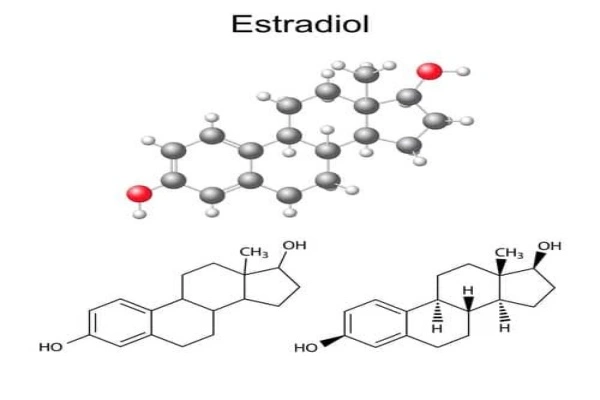
The stereochemical purity of estradiol powder produced by different purification processes directly determines the activity of the raw material. Steroid molecules exist in multiple stereoisomers, and non-target isomers are difficult to bind stably to estrogen receptors, constituting ineffective impurities. The purification process requires multiple crystallizations and chromatographic separations to remove isomeric impurities. If the purification process is simplified, the proportion of isomeric impurities increases, leading to significant fluctuations in cell regulation effects under the same addition conditions, which is detrimental to the stable reproduction of subsequent formulation data. This is a key reason why high-purity estradiol powder is preferred in formulation development.
The balanced lipophilic properties of estradiol powder allow it to diffuse and transport between different tissues. After entering the bloodstream, most estradiol powder binds to specific transport proteins in the blood, reducing rapid molecular degradation and prolonging the in vivo window of action. Only small molecules in their free state can penetrate blood vessel walls to reach target tissues. A dynamic balance is maintained between binding transport proteins and free molecules, ensuring a continuous supply of active molecules to the target tissue without drastic fluctuations in concentration.
Once estradiol powder enters cells, it does not require additional metabolic activation; its native molecular form can recognize and bind to estrogen receptors. Some steroidal precursors require hepatic metabolic modification before being converted into their active form, and activation efficiency is affected by liver function and cellular metabolic enzyme levels, resulting in significant differences in efficacy between different samples. The direct-acting nature of estradiol powder makes its effects more stable in in vitro cell systems, facilitating gradient concentration assessments and formulation adjustments.
⚖️ Receptor binding initiates downstream gene regulation
Estrogen receptors are mostly located inside the cell nucleus. When no active molecules bind, the receptor proteins bind to repressor proteins, remaining quiescent and unable to initiate gene transcription. When the estradiol powder penetrates the cell membrane and reaches the nucleus, it seeks out and binds to estrogen receptors, causing a conformational change in the receptor. The previously bound repressor protein dissociates, activating the receptor molecule. The activated receptors pair up to form dimers, which then bind to specific response sequence regions on the DNA, recruiting transcription-related proteins and initiating the transcriptional expression of downstream genes.
This entire regulatory mechanism can positively or negatively adjust gene expression, with different genes showing different regulatory outcomes. The activation of some genes promotes cell proliferation and differentiation, while the expression of others is suppressed, thus adjusting the overall physiological state of the cell. The estradiol powder does not directly cleave or alter the DNA sequence itself; it only temporarily regulates gene transcription efficiency. As the estradiol powder is gradually metabolized and cleared, the receptors return to their quiescent state, and gene expression levels gradually return to their baseline. The entire regulatory process is reversible and does not result in permanent genome modification.
The distribution of estrogen receptor subtypes varies within different human tissues and cells, primarily falling into two categories. These two subtypes are distributed in different locations, including reproductive organs, bones, blood vessels, and brain tissue. Estradiol powder exhibits good affinity for both types of receptors, covering a wide range of human tissues. This is the underlying reason why estradiol powder can simultaneously regulate the physiological homeostasis of multiple organs. Selective receptor modulators preferentially bind to only a single receptor subtype, resulting in a narrower tissue range of action, a clear distinction from the broad-spectrum regulatory characteristics of estradiol powder.
The intracellular regulatory process involves multi-level signal amplification. After a small amount of estradiol powder molecules activates the receptor, it can drive the synthesis of a large amount of messenger RNA, which is further translated into functional proteins, ultimately altering various physiological behaviors such as cell metabolism, proliferation, and apoptosis. Even trace amounts of the active ingredient can produce considerable physiological changes. Therefore, during the development of endocrine preparations, the dosage of estradiol powder must be strictly controlled; dosage deviations can easily lead to unexpected changes in cellular physiological states.
Cells continuously synthesize new estrogen receptor proteins while simultaneously relying on metabolic enzymes to gradually break down estradiol powder. As the active molecules degrade, the number of activated receptors decreases, and the effects of gene transcription regulation gradually diminish. The body maintains endocrine stability through a dynamic balance between molecular synthesis and degradation. Exogenous addition of estradiol powder temporarily disrupts this balance, adjusting signal intensity to intervene in physiological states. Once the exogenous supply ceases, the entire system gradually returns to its original equilibrium.
🔋 Maintaining physiological homeostasis at multiple tissue levels
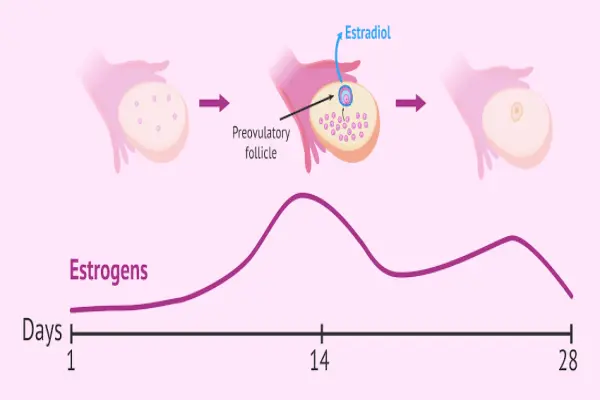
In female reproductive tissues, estradiol powder can regulate the proliferation of endometrial epithelial cells, promote uterine angiogenesis, improve endometrial tissue nutrition, and regulate the physicochemical properties of cervical mucus to meet the physiological needs of different stages of the reproductive cycle. The normal differentiation and renewal of ovarian and breast tissue cells also rely on the continuous signal regulation of estradiol powder to maintain the integrity of reproductive organ tissue structure and ensure the orderly progress of cycle-related physiological changes. Reproductive tissues are highly sensitive to changes in estradiol powder concentration; excessively high or low concentrations can disrupt tissue proliferation rhythms and trigger various endocrine-related abnormalities.
The skeletal system is also an important target of estradiol powder. Estradiol powder can regulate the balance between osteoblasts and osteoclasts, inhibit excessive osteoclast activation, reduce bone loss, and assist osteoblasts in synthesizing bone matrix, maintaining bone density and toughness. When endogenous estrogen levels decline, osteoclast activity becomes unrestrained, accelerating bone loss and increasing bone fragility. Appropriate supplementation with estradiol powder can adjust the ratio of activity between these two types of osteoclasts, maintaining bone structural stability.
Vascular endothelial cells are regulated by estradiol powder, promoting the release of endothelial relaxation-related signaling molecules, improving vasodilation capacity, maintaining vascular elasticity, and simultaneously regulating lipid deposition pathways within blood vessels, reducing the probability of abnormal lipid accumulation on the vascular wall. Intact endothelial cell function ensures smooth vascular function and reduces changes related to arteriosclerosis. Estradiol powder, through receptor regulation, protects endothelial integrity, thus contributing to the maintenance of cardiovascular homeostasis.
Estrogen receptors are distributed in multiple regions of the nervous system. Estradiol powder can regulate synaptic plasticity, maintain neuronal survival, and participate in regulating the release of mood-related neurotransmitters, maintaining central nervous system homeostasis. In addition, dermal fibroblasts also possess corresponding receptors. Estradiol Powder can regulate the expression of genes related to collagen synthesis, maintain dermal collagen reserves, preserve skin tissue fullness, and reduce tissue laxity caused by rapid collagen loss.
Different tissues exhibit significant differences in their response sensitivity to Estradiol Powder. Reproductive-related target tissues have higher receptor abundance, resulting in more pronounced physiological changes at the same concentration. Skeletal and vascular tissues show a relatively slower response. This tissue-differentiated response characteristic necessitates consideration of the administration route and delivery carrier during formulation development to guide the rational distribution of active molecules, ensuring appropriate concentrations in target tissues while minimizing excessive signal stimulation to non-target tissues.
📋 Diverse directions for practical development and application
Estradiol powder is primarily used in the early-stage development of endocrine replacement-related formulations. It serves as a core active ingredient in formulation formulations, evaluating the impact of different excipients and solvent systems on the solubility, transdermal absorption, and mucosal absorption efficiency of active molecules. Different dosage forms have different requirements for the physicochemical properties of the raw material. Oral formulations need to consider first-pass metabolism, while transdermal formulations require optimization of the raw material's permeability. High-purity estradiol powder is the foundational material for all formulation adjustments; excessive impurities can interfere with formulation stability and pose safety risks.
In in vitro cell research, estradiol powder is used to build endocrine-related cell models, construct hormone-regulated environments, observe changes in cell proliferation, differentiation, and apoptosis, and elucidate the biochemical logic behind hormone imbalance-related diseases. In cell differentiation induction systems, estradiol powder is often used as an inducing additive, combined with other active substances, to guide the directed differentiation of stem cells, providing support for pioneering explorations in tissue engineering and cell therapy. Stable, high-purity raw materials ensure cross-comparison of data from multiple batches of cells.
Estradiol powder is also used in the development of combination active formulations, often in combination with progesterone-based steroidal ingredients to simulate hormonal changes throughout the human cycle and assess the synergistic effects of combined hormone regulation on tissues and cells. Single-hormone regulation has limitations; the rational combination of two endogenous steroids can more closely resemble the real human endocrine environment, and is often used to explore reproductive physiology mechanisms, providing fundamental reference data for the development of compound endocrine preparations.

In animal pharmacology evaluation, estradiol powder can be used to construct intervention systems for hormone deficiency models, observing morphological and indicative changes in multiple tissues such as bones, reproductive organs, and blood vessels after exogenous supplementation of active ingredients, and assessing the systemic effects of long-term intervention. This entire evaluation process can refine the safety boundary data of the active ingredient, supporting subsequent formulation transformation and avoiding potential unintended physiological changes during long-term use.
Estradiol powder is a controlled steroidal active ingredient and cannot be directly applied topically or orally. It must undergo a complete formulation development, safety evaluation, and compliance application process before it can be used in relevant clinical settings. The powder itself is highly lipid-soluble, and direct use can easily lead to excessively high local concentrations, causing abnormal cell proliferation. At the same time, without the protection of the formulation, the Estradiol Powder is easily metabolized and decomposed, making it difficult to stably reach the target tissue and exert its effect.
Conclusion
Estradiol powder regulates the proliferation and differentiation of various tissue cells by binding to steroid molecules and intracellular estrogen receptors, maintaining physiological homeostasis in multiple tissues such as the reproductive system, bones, and vascular endothelium. With the continuous iteration of endocrine formulation development technologies, estradiol powder will continue to play a valuable role in endocrine-related development scenarios, and standardized, high-purity estradiol powder can continuously meet the practical needs of various formulation developments.
Xi'an Faithful BioTech Co., Ltd. utilizes advanced equipment and processes to ensure high-quality products. Our Estradiol powder meets international pharmaceutical standards. Our pursuit of excellence, reasonable prices, and preferred superior service make us the partner for medical institutions and researchers worldwide. If you require Estradiol powder research or production,Please contact us Click email: allen@faithfulbio.com Or WhatsApp: +86 13137770562.
References
- Gruber, C. J., Tschugguel, W., Schneeberger, C., & Huber, J. C. (2002). Production and actions of estrogens. The New England Journal of Medicine, 346(5), 340-352.
- Pfeilschifter, J., Krokowski, M., & Ziegler, R. (2002). Estrogen effects on bone metabolism. Hormone and Metabolic Research, 34(11-12), 635-641.
- Mendelsohn, M. E., & Karas, R. H. (2005). Estrogen and the blood vessel wall. Current Opinion in Cardiology, 20(5), 414-418.
- Heldring, N., Pike, A., Andersson, S., Matthews, J., Cheng, G., Hartman, J., Tujague, M., Ström, A., Treuter, E., Warner, M., & Gustafsson, J. A. (2007). Estrogen receptors: How they signal and what they do. Physiological Reviews, 87(3), 905-931.
- Riggs, B. L., Khosla, S., & Melton, L. J. (2006). Sex steroids and the construction and conservation of the adult skeleton. Endocrine Reviews, 27(3), 234-263.
- Sherman, B. M., & Korenman, S. G. (1975). Hormonal regulation of the human menstrual cycle. Journal of Clinical Endocrinology & Metabolism, 41(3), 546-551.
- Kuiper, G. G., Enmark, E., Pelto-Huikko, M., Nilsson, S., & Gustafsson, J. A. (1996). Cloning of a novel estrogen receptor expressed in rat prostate and ovary. Proceedings of the National Academy of Sciences, 93(12), 5925-5930.