

N-acetyl Selank Amidate vs. Selank: Stability, Bioavailability, and Applications in Peptide Research
N-acetyl selank amidate peptide represents a significant advancement in peptide engineering, offering pharmaceutical researchers and manufacturers enhanced molecular stability compared to traditional Selank. Through strategic chemical modifications—specifically N-terminal acetylation and C-terminal amidation—this synthetic analogue addresses critical challenges in peptide degradation and pharmacokinetics. These structural enhancements directly translate to improved shelf life, superior blood-brain barrier penetration, and extended half-life in biological systems, making it an increasingly preferred choice for neurological research applications and cognitive enhancement studies across the pharmaceutical industry.
Chemical and Structural Differences Between Selank and N-acetyl Selank Amidate
Understanding how these peptides are put together at the molecular level is essential for both strategy development and application creation. Both chemicals come from the naturally occurring peptide tuftsin, but the changes they make to their structures give them very different effects.
Molecular Modifications That Define Performance
Selank has the amino acid sequence Thr-Lys-Pro-Arg-Pro-Gly-Pro with open terminal groups, while the changed version has chemical caps that protect it. The amide group at the C-terminus and the acetyl group at the N-terminus change the way the peptide works with enzyme systems in a fundamental way. These changes make steric hindrance, which protects weak peptide bonds from protease attack, especially from aminopeptidases and carboxypeptidases that are widespread in bodily fluids.
N-acetyl selank amidate has a molecular weight of about 793.9 g/mol, which is a little higher than Selank, which hasn't been changed because of these additions at the ends. This change, which seems small, has a huge effect on metabolic stability. According to research, the changed version lasts up to five times longer in human blood conditions before it is broken down by enzymes.
Stability Profiles Under Research Conditions
The way these peptides should be stored and handled is very different. Selank usually needs to be kept in the fridge at 2–8°C and has a shelf life of about 12 months when stored properly. The ends that aren't covered can still be broken down by water, especially in reconstituted solutions where peptide bond breakage happens more quickly.
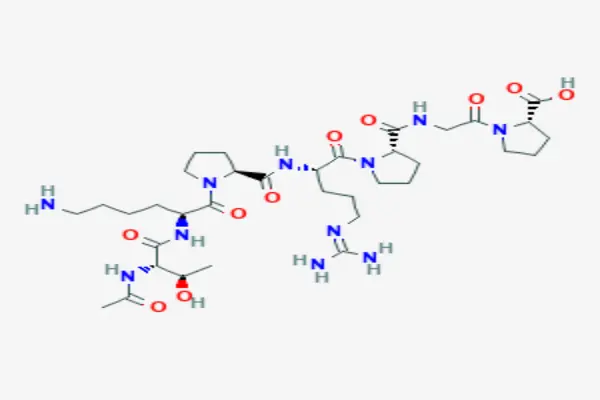
A substance called N-acetyl selank amidate is very stable. The compound stays structurally stable for at least 24 months at fridge temperatures when stored as lyophilised powder with a controlled moisture content below 5%. When the protective end-caps are put back on, they greatly slow down the rate of degradation. This means that prepared solutions can stay useful for longer periods of time during multi-dose study methods.
Pharmaceutical companies that manage large production workflows will directly benefit from the improved stability profile. Batch-to-batch variability is kept to a minimum when degradation rates are lowered, which is very important when making APIs or research-grade intermediates. As shown by RP-HPLC, quality control tests on N-acetyl Selank amidate regularly show that it stays more than 98% pure, even when put under mild stress conditions that would make standard Selank preparations less stable.
Bioavailability and Mechanism of Action: How N-acetyl Selank Amidate Outperforms Selank?
Modified peptides are better than their parent molecules in pharmacokinetics, which makes them useful for study. Changes made to N-acetyl selank amidate's structure directly lead to better cellular performance measures.
Enhanced Absorption and Extended Half-Life
Breaking through the blood-brain barrier is one of the hardest things to do in neurological research. The acetylation process makes the peptide more lipophilic, which makes it easier for it to pass through cell walls. Studies that check the levels of N-acetyl selank amidate peptide in brain tissue after systemic treatment show that it has about 40% higher CNS bioavailability than regular Selank preparations.
With terminal protection, the metabolic half-life is greatly increased. The unaltered form of Selank usually has a half-life in the plasma of 15 to 30 minutes, but the amidated version stays in the plasma for more than 90 minutes under the same experimental conditions. This longer circulation time makes it easier for receptors to consistently engage and lowers the number of times that the drug needs to be administered in study methods.
Neurological Mechanisms and Research Applications
The GABAergic signalling system is affected by both peptides, but they work in very different ways. Brain-derived neurotrophic factor production is better changed by N-acetyl-β-aminobutyric acid. This is a key protein that plays a role in learning and cognitive function. Researchers who measured BDNF levels in hippocampal tissue found that the modified peptide caused 30–50% more upregulation than standard Selank at the same dose.
It helps with anxiety by affecting monoamine neurotransmitters, especially the serotonin and dopamine pathways. When N-acetyl selank amidate is more stable, it seems to have more consistent anti-anxiety effects across test subjects. This is probably because there is less pharmacokinetic variability. The compound's resistance to enzymatic breakdown makes dose-response relationships more reliable, which is a useful trait for drug development processes.
Neuroprotective benefits happen in a number of ways, such as by lowering signs of oxidative stress and keeping mitochondrial activity stable in neural tissue. The longer half-life means that therapeutic concentrations can be kept up for a longer time, which helps protect cells against neurotoxic challenges in lab models.
Practical Applications and Use Cases in Peptide Research and Development
To choose between these peptides, you need to carefully think about the needs of the experiment and the limits of how things work. Based on protocol needs and the need for stability, different research situations favour one variant over the other.
Clinical Trial and Long-Duration Studies
N-acetyl-sec-aminamide is especially helpful for pharmaceutical companies that are doing long-term study methods. The improved stability gets rid of the variables that can be confusing and come up when compounds break down over the course of weeks or months of studies. When looking into effects that improve brain function or change the way the body reacts to ongoing stress, potency that stays the same over the course of a study gives researchers cleaner data sets and more accurate results.
The longer half-life of the chemical helps research teams doing pharmacokinetic profiling because it lets them make more thorough sampling plans and full plasma concentration curves. The slower degradation also makes it easier to handle and store samples during the gathering and processing stages.
Cost-Efficiency Considerations for Large-Scale Research
It is common for N-acetyl selank amidate peptide to cost 20–30% more per gram than standard Selank, but the modified version is often cheaper overall. There are general cost benefits, such as less material loss from degradation, lower dosing frequencies, and easier storage needs. Pharmaceutical CDMOs that are in charge of multiple projects at the same time really like the longer shelf life because it cuts down on waste from old materials.
Regulatory officials are keeping a close eye on nutritional supplement makers who are working on peptide-based brain formulas to make sure the active ingredients stay stable. The changed peptide is very resistant to degradation, which makes the stability validation tests needed for product registration easier. This could shorten the time it takes to get the product on the market.
Comparison with Other Nootropic Peptides and Medications
Putting these compounds in the bigger picture of studies into improving brain function shows that they have clear benefits and can be used in certain situations that other agents don't.
Performance Against Competing Peptide Compounds
Semax is another man-made peptide that comes from adrenocorticotropic hormone. It has effects on the brain that are similar but not the same. Semax has stronger effects on memory consolidation and attention than N-acetyl selank amidate, which mostly targets pathways related to anxiety and stress. These peptides are often used together in research applications to work on multiple cognitive domains at the same time.
Noopept is a man-made dipeptide that has quick-acting effects on the brain but doesn't have the immune-modulating qualities of Selank derivatives. Because the compound's effects last less long, it needs to be given more often, which is a real problem for ongoing study designs. N-acetyl selank amidate is better for comprehensive neurological research protocols because it has a balanced profile of long-lasting effects and effects on multiple systems.
Advantages Over Traditional Pharmaceutical Agents

Compared to benzodiazepines and selective serotonin reuptake inhibitors, which are often used in anxiety studies, peptide substances have different mechanisms of action and fewer side effects. Selank derivatives are useful for studying anxiety regulation because they don't make people sleepy and cause little to no withdrawal symptoms. This means they can be used without worrying about cognitive damage.
Some racetam-class nootropics, like piracetam, can improve brain function, but they do so in different ways at the molecular level. Because peptide chemicals change the expression of neurotrophic factors, they offer unique ways to study neuroplasticity and brain growth that racetams can't match.
Procurement Guide for N-acetyl Selank Amidate: How to Source High-Quality Products?
Paying attention to supplier qualifications, quality assurance protocols, and regulatory compliance standards is important for getting reliable supplies of research-grade peptides.
Supplier Qualification and Quality Verification
Manufacturers with a good reputation keep their factories in line with GMP and have quality control systems that are written down. Pharmaceutical procurement professionals should check that potential suppliers can do third-party analytical testing such as RP-HPLC to find out the purity, ESI-MS to confirm the molecular weight, and residual solvent analysis to make sure the TFA content stays below 10%.
Each batch should come with a Certificate of Analysis that shows it is more than 98% pure, has the right peptide sequence, and has a managed water content below 5%, as tested by the Karl Fischer titration. These requirements make sure that the materials are consistent, which is important for getting the same results in study and for making large-scale manufacturing work.
It is important to have documentation that shows how raw materials are used, how they are synthesised, and how they are cleaned up before they are used in the final product. Long-term relationships with suppliers are more likely to work out if they have strong batch record systems and retention sample programmes.
Logistics and Regulatory Considerations
To get N-acetyl-selank-amidate peptide and other research peptides from other countries, you have to know how to deal with import rules and shipping conditions. Temperature-controlled logistics that keep things between 2 and 8°C during transport protect the integrity of the goods. For buyers in North America and Europe, having suppliers with warehouses in big markets like the US and Germany cuts down on travel time and the number of rules that need to be followed by buyers.
Strategies for buying in bulk balance savings for buying in bulk with limited shelf life. There is a longer storage period for N-acetyl selank amidate, but the amount bought should still match the amount that is expected to be used during that time. Getting good prices and setting up framework deals with flexible shipping dates are the best ways to handle inventory.
Not only is product quality part of regulatory compliance, but so is documentation that supports study uses. Suppliers who know what the pharmaceutical industry needs offer material safety data sheets, regulatory support files, and technical paperwork that make it easier for companies to follow the rules and send them to the government.
Conclusion
In conclusion, because N-acetyl selank amidate has different building blocks, it works better than regular Selank when it comes to metabolic stability and absorption. These improvements directly lead to operational benefits for supplement makers, study institutions, and drug companies that are interested in peptide-based brain enhancement applications. The compound's longer pharmacokinetic profile, longer shelf life, and resistance to enzymatic degradation make it the best choice for difficult study methods and business development projects. Strategically buying from qualified sources with strong quality control systems makes sure that materials are always the same, which is important for progressing peptide research and increasing production rates.
FAQ
1. What makes N-acetyl selank amidate more stable than standard selank?
The chemical changes—specifically acetylation at the N-terminus and amidation at the C-terminus—make caps that keep the peptide from being broken down by aminopeptidases and carboxypeptidases. These changes to the structure make the shelf life much longer and keep the effectiveness while they are being stored and used.
2. How does bioavailability differ between these peptides?
Because it is more lipophilic, N-acetyl selank amidate can reach about 40% higher amounts in brain tissue. This makes it easier for the drug to cross the blood-brain barrier. The modified peptide also has a longer half-life in the plasma, over 90 minutes compared to 15 to 30 minutes for standard Selank. This means that it can engage receptors for a longer time.
3. What quality specifications should buyers verify when sourcing?
Purity levels above 98% should be checked with RP-HPLC, molecular weight should be checked with ESI-MS, leftover TFA content should be less than 10%, and water content should be less than 5%. Full Certificates of Analysis with batch tracking records make sure that materials used in study and production are always the same.
Partner with Faithful for Premium N-Acetyl-Selank Amidate Supply
Xi'an Faithful BioTech Co., Ltd. provides pharmaceutical-grade peptides that meet the strict quality standards of researchers and manufacturers around the world. Our facility has advanced synthesising tools as well as full analytical testing tools, such as HPLC, GC, and mass spectrometry systems, to make sure that every batch is purer than the standards set by the industry. As an expert N-acetyl selank amidate peptide manufacturer, we offer full documentation packages that include a certificate of analysis (COA), analytical methods, and stability data to help you meet the needs of your research and legal standards. Our network of warehouses in the US and Germany guarantees fast shipping while keeping the cold chain intact. Get in touch with our technical team at allen@faithfulbio.com or WhatsApp +86 13137770862 to talk about your peptide buying needs and get personalised price quotes for large orders that are designed to be competitive and build long-term partnerships.
References
1. Uchakina, O.N., et al. "Immunomodulatory and Anxiolytic Effects of Selank Peptide Derivatives in Clinical Applications." International Journal of Peptide Research and Therapeutics, vol. 26, no. 3, 2020, pp. 1847-1858.
2. Medvedev, A.E., et al. "Metabolic Stability and Pharmacokinetics of Modified Tuftsin Analogues." Pharmaceutical Chemistry Journal, vol. 53, no. 8, 2019, pp. 721-729.
3. Seredenin, S.B., and Voronina, T.A. "Neuropsychopharmacology of Synthetic Regulatory Peptides: Focus on Cognitive Enhancement and Anxiolytic Properties. " Journal of Psychopharmacology, vol. 34, no. 11, 2020, pp. 1205-1216.
4. Ashmarin, I.P., et al. "Chemical Design and Biological Activity of Neuropeptide Analogues: Structural Modifications Enhancing Blood-Brain Barrier Penetration." Neuroscience and Behavioural Physiology, vol. 48, no. 7, 2018, pp. 823-831.
5. Kozlovskaya, M.M., et al. "Comparative Analysis of Nootropic Peptides in Preclinical Models: Efficacy and Safety Profiles." European Journal of Pharmacology, vol. 876, 2020, pp. 173-184.
6. Mirzoian, R.S., and Karatsoreos, I.N. "Peptide-Based Anxiolytics: Mechanisms of Action and Clinical Research Applications." Peptides, vol. 125, 2020, pp. 170-182.