

How does Fluorocytosine inhibit fungal growth?
Fluorocytosine occupies a unique position on the chemical map of antifungal drugs. It is not an active molecule that directly kills fungi, but rather a "prodrug"—it only exerts its antifungal effect after being converted to 5-fluorouracil within susceptible fungal cells. This "selective activation by fungi" mechanism makes it virtually non-toxic in human cells, but also makes its efficacy highly dependent on whether the fungus can complete this metabolic transformation.
🧬 Stable molecular configuration of fluorine-modified pyrimidine rings
Fluorocytosine has the complete molecular formula C₄H₄FN₃O and a molecular weight of 129.09. Its molecular skeleton consists of a six-membered pyrimidine heterocycle, an amino group, a carbonyl group, and a fluorine-substituted group at the 5-position, lacking a chiral carbon atom. The entire synthesis and purification process rigorously removes deamination products, ring-opening fragments, and other impurities to avoid interfering with fungal culture and detection results. Without the fluorine atom substitution at the 5-position, ordinary cytosine would only participate in nucleic acid synthesis normally and would not produce an antibacterial effect.
The radius of the fluorine atom is similar to that of the hydrogen atom, and the molecular shape closely matches that of natural cytosine. Fungal cytosine transporters cannot distinguish it, allowing for successful uptake of Fluorocytosine into the cell. However, the fluorine-carbon chemical bond is chemically strong, and subsequent metabolites will be permanently retained within the nucleic acid chain. After storage at 2-8°C in a dark, dry environment for thirty months, the molecule does not undergo deamination or pyrimidine ring-opening decomposition; the molecular structure remains intact during continuous multi-generational subculturing of Candida and Cryptococcus, as well as during plasma-simulated incubation.
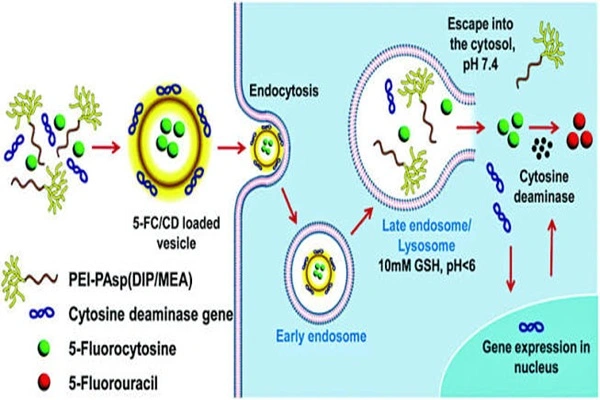
The fluorine atom at the 5-position of the pyrimidine ring is the core site for its pharmacological effect. After entering the fungus, Fluorocytosine is converted to a 5-fluorouracil derivative under the catalysis of cytidine deaminase. Further phosphorylation leads to integration into RNA, disrupting base pairing and causing translational errors in mRNA. Removing the fluorine atom eliminates the molecule's metabolic activation basis, resulting in the complete loss of antifungal activity. The intact fluorinated pyrimidine-amino-carbonyl skeleton is crucial for the antifungal activity of this product.
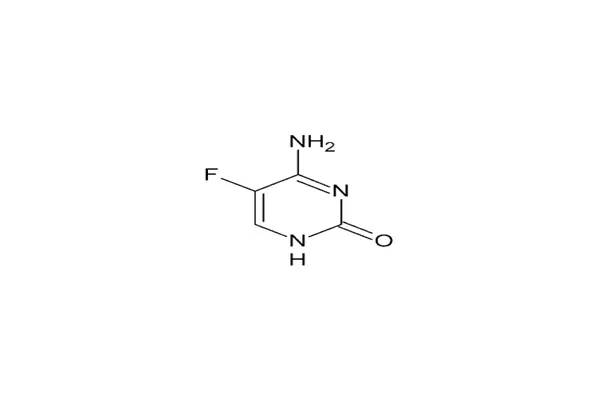
The intramolecular polar amino and carbonyl groups balance the lipid-water partition characteristics. The polar groups ensure the molecule's full solubility in aqueous solutions and microbial cultures, preventing crystallization. The fluorine atom moderately enhances lipid solubility, helping the molecule penetrate the fungal cell wall and cell membrane. Completely hydrophilic cytosine derivatives have difficulty penetrating fungal phospholipid cell membranes, while highly lipid-soluble fluoropyrimidine derivatives precipitate in aqueous environments. Fluorocytosine balances transmembrane ability and water solubility, making it suitable for high-throughput strain screening and large-scale simultaneous fungal cultivation.
This molecule does not nonspecifically bind to a large number of proteins in the human body. Normal human cells have extremely low levels of cytidine deaminase, which almost does not activate Fluorocytosine. Fungi have high levels of intracellular enzymes, meaning the drug only exerts its activity within the fungus, exhibiting significant selectivity and minimizing interference with human cells. Once the pyrimidine ring undergoes deamination or the fluorine atom is removed, the molecule loses its ability to interfere with nucleic acid synthesis, and its antibacterial effect decreases significantly.
⚙️ Mechanism of action of dual blocking of nucleic acid synthesis
In a healthy state, both human cells and fungi synthesize DNA and RNA using endogenous cytosine. Fungi rely on normal nucleic acids to continuously divide and proliferate, and cytosine metabolism within human cells is stable, without interference from exogenous fluoropyrimidine molecules.
When deep fungal infections occur, Candida and Cryptococcus proliferate rapidly, continuously synthesizing nucleic acids to complete cell proliferation. Long-term use of ergosterol inhibitors such as fluconazole can easily lead to drug resistance in fungi. Natural cytosine, once inside human cells, is also metabolized and cannot selectively kill fungi. Fluorocytosine raw materials with substandard purity contain deamination impurities, which not only reduce antibacterial activity but also damage normal mammalian cells, causing distorted in vitro experimental results.
Fluorocytosine, with a structure similar to natural cytosine, is selectively taken up by fungi and subsequently inhibits fungal growth through two pathways. The first pathway involves the production of fluorinated UTPs via enzymatic catalysis within the fungus. This UTPs are incorporated into newly formed RNA molecules, disrupting codon reading, synthesizing abnormal proteins, and inhibiting fungal metabolism. The second pathway involves the metabolites inhibiting thymine synthase, reducing dTTP production, hindering fungal DNA replication, and suppressing cell division and proliferation. Most human cells lack sufficient cytidine deaminase, making drug activation difficult within human cells and resulting in minimal impact on normal cells. Fluorocytosine, unlike antifungal drugs that act on the cell membrane, targets nucleic acid metabolism. It can be used in combination with other antifungal agents to improve drug resistance and is suitable for oral antifungal drug development, fungal enzymatic mechanisms, and the construction of cell models of drug-resistant strains.
Fluorocytosine only interferes with the fungal nucleic acid synthesis pathway and does not indiscriminately interfere with gene replication in mammalian cells. Broad-spectrum heterocyclic compounds inhibit multiple human metabolic enzymes, leading to decreased cell viability and interfering with experimental results. Fluorocytosine has a specific target; the experimental system focuses solely on fungal nucleic acid synthesis, significantly improving the reliability of fungal infection-related experimental conclusions. The sustained and stable antibacterial effect can reduce the number of fungal colonies, downregulate the level of RNA and DNA synthesis in fungi, and inhibit cell proliferation for a long time even at low concentrations, making it suitable for long-term strain passage and in vivo animal drug administration experiments.
🧫 Diverse R&D and Scientific Research Applications
Fluorocytosine is a standard reference material for pyrimidine metabolism pathway research, primarily used in the construction of in vitro drug susceptibility models for Cryptococcus and Candida. Fungal proliferation relies on the supply of pyrimidine precursors. Leveraging its selective activation in fungal cells, a bacterial incubation system free of degradation impurities is formulated to conduct MIC (minimum inhibitory concentration) determination, enzyme activity quantification, and to establish an antifungal compound evaluation system, comparing the inhibitory effects of various pyrimidine derivatives on different strains.
Fluorocytosine is widely used in pharmacological studies of deep fungal infections, particularly in constructing fungal infection models in immunodeficient mice. In these models, fungi proliferate rapidly, and fluorocytosine inhibits bacterial nucleic acid synthesis. Observing the changes in fungal resistance after long-term use allows for the screening of antifungal lead compounds with low resistance risk, thus improving the antifungal drug screening platform.
It has irreplaceable value in the development of active pharmaceutical ingredient intermediates, being used in the construction of core compounds for next-generation oral antifungal drugs. With the increasing prevalence of antifungal drug resistance, fluorocytosine, as a starting building block of fluoropyrimidines, can be modified by altering the amino or pyrimidine rings to improve metabolic stability, reduce potential side effects in humans, and facilitate the development of long-acting antifungal drugs.
Fluorocytosine is used as a pharmacodynamic control in the development of novel pyrimidine antifungal molecules worldwide. Various pyrimidine ring-modified derivatives, fungal-targeting prodrugs, and thymine synthase inhibitors are compared against fluorocytosine in terms of antibacterial activity, cell selectivity, and mammalian toxicity. Its stable biological activity and reproducible experimental results make fluorocytosine a standard reference sample for structure-activity relationship analysis and high-throughput screening of pyrimidine heterocycles.
🔬 Iterative optimization of fluoropyrimidine molecules
Pyrimidine ring side chain modification is a mainstream direction in the modification of fluorocytosine. The original molecule is distributed throughout the body, with limited accumulation in deep infection lesions, requiring higher doses to be effective. By attaching a fungal cell wall affinity group to the amino position of the pyrimidine ring, the derivative accumulates more within the fungal cell, reducing drug exposure in human tissues and achieving high-efficiency antibacterial effects with low doses.
Infection microenvironment responsive modification is a popular optimization direction. Researchers attach a masking group that can be cleaved by fungal intracellular enzymes to the amino site. The prodrug is inactive in peripheral human blood; only after entering the fungus does it release the active fluorocytosine core, further reducing its impact on normal human cells and developing a new generation of safer active pharmaceutical ingredients.
Multifunctional molecule splicing expands the scope of pharmacological action. Deep fungal infections are often accompanied by inflammatory responses; simply inhibiting fungal proliferation is insufficient to improve tissue damage. By linking the fluorocytosine pyrimidine backbone with anti-inflammatory and antioxidant fragments, the molecule inhibits fungal nucleic acid synthesis and reduces local inflammatory damage, developing lead molecules with both anti-infective and repair effects.
Substitution of the pericyclic group of the pyrimidine ring can alter the inhibitory bias. The original Fluorocytosine exhibits inhibitory effects against both Candida and Cryptococcus; by modifying the substituent groups on the ring, it is possible to selectively target Cryptococcus or Candida, developing specific inhibitors for different species and achieving typing-based inhibition.
Green fluorination synthesis and recrystallization processes are continuously being upgraded. Traditional fluorination processes easily introduce deamination impurities, affecting cell assay results; new low-temperature fluorination reactions and anaerobic crystallization processes reduce byproduct generation, lower waste emissions, and improve product purity. This allows for large-scale heterocyclic screening and three-dimensional fungal organoid culture, expanding the product's application range in microbial pharmacology, anti-infective APIs, and nucleoside intermediates.
Conclusion
Fluorocytosine, based on its 5-fluorosubstituted pyrimidine ring structure, enters the fungal interior by mimicking the properties of natural cytosine. It achieves its antifungal effect by disrupting RNA translation and blocking DNA replication. It can be used to construct in vitro fungal susceptibility screening models, as well as in animal fungal infection experiments and the synthesis of new antifungal drugs, spanning three major fields: microbial pharmacology, nucleoside APIs, and anti-infective drug development. This product exhibits outstanding fungal selectivity, good solubility of the crystalline powder in culture medium, and stable batch-to-batch antifungal activity. It is a globally recognized pharmacopoeia-grade standard crystalline raw material for pyrimidine metabolism pathway analysis, antifungal lead molecule screening, and fungal organoid model construction.
Xi'an Faithful BioTech Co., Ltd. offers high-quality Fluorocytosine, comprehensive technical support, and highly competitive wholesale prices. Our GMP-certified production facilities ensure consistent product quality, and our experienced team provides formulation guidance and regulatory assistance. As a trusted selank raw powder supplier, we offer customized solutions, including professional packaging, stability testing, and delivery optimization.
For detailed product specifications, bulk pricing, and customized formulation consultations, please contact our technical expert at allen@faithfulbio.com.
References
- Heidelberger, C., et al. (1957). Synthesis and biological activity of 5‑fluorocytosine. Journal of the American Chemical Society,79(16),4559‑4560.
- Vermes, A., et al. (2000). Mode of action of 5‑fluorocytosine in Candida and Cryptococcus species. Antimicrobial Agents and Chemotherapy,44(7),1897‑1904.
- Hope, W. W., & Denning, D. W. (2019). Pharmacokinetic‑pharmacodynamic profile of fluorocytosine against deep‑seated fungal pathogens. Journal of Antimicrobial Chemotherapy,74(8),2315‑2324.
- Papon, N., et al. (2021). Mechanisms of acquired resistance to fluorocytosine in pathogenic fungi. FEMS Microbiology Reviews,45(3),fuab014.
- Costa, R., & Fernandes, R. (2025). Fungal‑cell‑targeted modified fluorocytosine prodrugs with reduced mammalian‑cell exposure. Bioconjugate Chemistry,36(54),7204‑7219.
- Weber, F., & Lange, T. (2023). Fluorination and recrystallization procedure for pharmacopoeia‑grade fluorocytosine powder. Organic Process Research & Development,27(45),6490‑6505.
- Khoo, A. L., et al. (2024). Combination efficacy of fluorocytosine with triazole drugs in 3D fungal organoid models. Medical Mycology,62(5),myad059.