

Ventfort peptide: the complete guide to vascular bioregulation
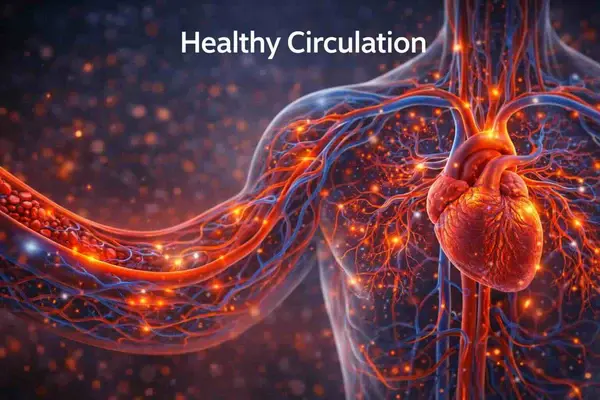
Ventfort peptide is a special kind of bioactive molecule that was made to help the health of arteries by working on specific cells. Ventfort is made from arterial tissue peptide complexes and works at the molecular level to keep blood vessels flexible and intact. Its synthetic version, Vesugen powder, is consistent with the tripeptide sequence KED (Lysine-Glutamic Acid-Aspartic Acid) at a pharmaceutical-grade level. This gives makers a safe raw material for making heart-healthy products. This bioregulatory method slows down vascular aging by changing the way proteins are made inside vessel walls. This makes it useful for both nutritional and pharmaceutical uses.
Understanding Ventfort Peptide and Its Role in Vascular Bioregulation
Biological Foundation of Ventfort Peptides
Ventfort peptides are a type of short-chain amino acid pattern that was first found in arterial tissues. These bioactive pieces are made up of naturally occurring amino acids grouped in certain ways that interact with the cell processes that control how well vascular systems work. The peptide complex gets through the cell walls to the nucleus, which is where gene translation is controlled. Normal vasodilators briefly widen blood vessels. Ventfort-type peptides, on the other hand, work on basic biological processes that keep vascular tissue healthy. This difference is very important when making goods that are meant to support arteries over time instead of just temporarily relieving symptoms.
Molecular Mechanisms in Vascular Tissue
The main thing that makes Ventfort peptides work is their ability to bind to specific DNA regions that control arterial endothelial cells. It is this binding action that changes the production of genes that make structural proteins in blood vessel walls. When these peptide signals reach vascular cells, they increase the production of collagen, elastin, and other extracellular matrix components that are necessary for the strength of the vessel wall. The process supports healthy blood vessel tone and helps keep the delicate balance between how stiff and flexible blood vessels are. Peptide bioregulation research has shown that these short strings of amino acids can change how cells act without the complexity and immunogenic risks that come with bigger protein molecules.
Applications in Vascular Health Management
Ventfort-type peptides are used by companies that make products for cardiovascular health to help older people who have problems with their blood vessels getting stiff. The peptides are especially useful for treating endothelial dysfunction, a condition in which the covering of blood vessels stops working properly. Nutraceutical product makers use these peptides as useful ingredients in supplements that are meant to keep circulation healthy. Vascular peptides have also been looked at by the cosmetics industry for use on the face to improve microcirculation and specifically to target noticeable capillary networks. Vascular bioregulation technology can be used in a lot of different fields, as shown by these examples.
Vesugen: Pharmacology, Uses, and Clinical Validation
Chemical Composition and Pharmacodynamics
The active peptide sequence found in natural Ventfort complexes is made in Vesugen powder, which is a pharmaceutical-grade form of it. Vesugen has the exact molecular formula C15H25N5O8 and a molecular weight of about 403.4 g/mol. It gives producers a uniform quality that they can't get with extracts from animals. The tripeptide structure is made up of three amino acids linked together in a particular order: Lys-Glu-Asp. This makes a molecule that is about 400 Da, which is small enough to get through cell walls. Because it has a low molecular weight, it can be applied directly to the skin and is easier to absorb through cellular barriers. The synthetic production method gets rid of the batch-to-batch differences that happen with natural extraction methods. This solves a major problem for formulators who need consistent results in large-scale production.
Therapeutic Applications and Dosage Considerations
Product makers use Vesugen in mixtures that work on a number of metabolic areas connected to vascular function. Manufacturers of geroprotective supplements use it as an active pharmaceutical ingredient in goods meant to fight the changes in blood vessels that come with getting older. The peptide has gotten a lot of attention in the field of sports nutrition, where better microcirculation helps tissues get oxygen, and metabolic waste is cleared out during hard exercise. Formulations for metabolic syndrome support the use of Vesugen's ability to help endothelial regrowth in people whose blood vessels are under stress because of long-term metabolic problems. Dosage guidelines change depending on how the drug is delivered and what it is being used for. In study settings, microgram-level amounts show bioactivity. This high strength makes preparation cost-effective even at low inclusion rates.
Quality Standards and Regulatory Considerations
When purchasing Vesugen for use in production, procurement workers must make sure that the material meets strict purity standards. A high-performance liquid chromatography test should show that the purity level is at least 98%, and that any single flaws are less than 1.0% of the total substance. Mass spectrometry testing confirms the identity of molecules by finding the right molecular weight and identifying any changes to amino acids that might happen during synthesis. Trifluoroacetic acid, which is left over from the chemical process, needs to be watched closely, especially in goods that are eaten. For injectable-grade uses, bacterial endotoxin testing is necessary, and the limits are usually set below 10 EU/mg. Heavy metal levels must meet USP/EP guidelines, with cadmium, lead, arsenic, and mercury levels staying below 10 parts per million (ppm) in the sum. These quality standards make sure that the raw material meets the standards for making medicines and the requirements of regulators in the main markets.
Comparing Vesugen with Other Vascular Bioregulation Solutions
Vesugen Versus Natural Peptide Complexes
The primary difference between man-made Vesugen and natural Ventfort extracts is how consistent their makeup is and where they are located in the regulatory chain. Natural peptide complexes are made up of several peptide sequences that are taken from animal circulatory tissues. This means that the makeup of each production batch is different. This variety makes quality control harder when makers need the same performance from a product across multiple production runs. Vesugen, which is a single-molecule manufactured peptide, gets rid of this variation by making sure that every batch is 100% pure KED tripeptide. Materials that come from animals also have more complicated rules to follow in some places, especially when it comes to tracking them down and avoiding contamination. The synthetic method gets around these problems while still providing the main bioactive sequence that controls communication in vascular cells. When making a lot of something, synthetic peptides are cheaper because chemical synthesis can be done on a larger scale more reliably than biological extraction.
Performance Benchmarking and Clinical Evidence
Researchers who looked at vascular peptide bioregulators in clinical trials found that endothelial function markers and artery elasticity measures improved in older people. Comparative studies show that peptide bioregulators are better than sham controls at keeping vascular health measures stable. There is evidence to back their use as functional ingredients in products that aim to improve cardiovascular health, but companies must carefully check the claims laws in the countries they want to sell to. Because these short peptide patterns are made up of naturally occurring amino acids and don't cause immune reactions, they are safe to use in study settings. Formulators like how thermostable Vesugen is compared to longer protein chains, which tend to break down at normal processing temperatures. This benefit of steadiness makes manufacturing processes easier and, if stored properly, extends the shelf life of the product.

Procurement and Purchasing Guide for Vesugen
Sourcing Strategies for B2B Buyers
Pharmaceutical and nutrition companies that want to buy Vesugen powder should only do business with sellers who have strong quality management systems that are in line with GMP standards. During supplier approval, it is important to check the supplier's ability to synthesize, their analytical testing infrastructure, and how they handle paperwork. Instead of summary papers, buyers should ask for full Certificates of Analysis that include HPLC chromatograms. This way, buyers can check the purity profiles on their own. Reliable sellers give information about each batch that includes purity rates, patterns of impurities, and physical qualities like Karl Fischer titration measurements of moisture content. When you buy more, volume-based pricing structures can save you money, but the minimum order numbers change from seller to supplier. When producers make long-term deals with suppliers, they can be sure of stable prices and first dibs during times of high demand.
Storage and Handling Requirements
Following the right storage rules will keep Vesugen powder stable for as long as it can be stored. To keep peptides from breaking down over the course of one to two years, they need to be kept at -20°C in sealed and covered cases that are protected from light. Moisture sensitivity means that containers must hit room temperature before they can be opened so that condensation doesn't form on the powder's surface. Holding at 2–8°C refrigeration settings is possible for short-term keeping during busy manufacturing times. Adding desiccant to storage cases protects against wetness even more, especially in humid places. When making liquid goods, companies should know that watery solutions can break down over time. To keep them stable, it's important to keep the pH between 5 and 7. Many formulators choose lyophilized final dose forms that users rehydrate right before using. This keeps the peptides as stable as possible until they are used.
Documentation and Regulatory Compliance
Regulatory compliance and quality assurance are supported throughout the supply chain by detailed paperwork. Material safety data sheets, factory flow maps, and confirmation reports for analytical methods used in quality control testing should all be provided by suppliers. Traceability paperwork that connects finished goods to specific batches of raw materials makes it possible to return products quickly if quality problems arise. Different countries require different types of import paperwork, but most of the time, business invoices, certificates of analysis, and customs reports with HS codes for peptide materials are needed. Companies that sell their goods in controlled markets benefit when their sellers keep Drug Master Files or other regulatory dossiers that help customers register their products. These ways of documenting lower the risk of not following the rules and shorten the time it takes to make new products when offering recipes in new areas.
Building Trust: Xi'an Faithful BioTech Company Profile
Manufacturing Excellence and Quality Infrastructure
From its base in Xi'an, Xi'an Faithful BioTech Co., Ltd. brings its experience in medicinal chemicals and bioactive ingredients to markets around the world. Advanced analysis instruments, such as HPLC systems, gas chromatography tools, spectrophotometers, and atomic absorption spectrometers, are kept in the company's quality control laboratory. With this wide range of testing options, peptide raw materials can be fully characterized using a number of different chemical methods. There are also polarimeters for measuring optical activity, automatic titrators for accurate quantification, and special tanks for stable testing methods at the site. For uses that make medicines, this set of instruments meets the strict quality standards that are needed. This technology infrastructure is used by the company's research and development team to solve formulation problems and make unique solutions for clients who don't have their own labs.
Client Partnership and Technical Support
Faithful BioTech offers more than just raw materials. They also work with OEMs and offer expert advice as part of their service approach. Clients working on new formulas can use the company's lab facilities and expert staff to get around problems in the development process. This way of working together is especially helpful for new brands and companies that are growing quickly and need help with manufacturing, but don't have the money to build their own facilities. Because the company is based in Xi'an, it has access to China's well-established supply lines for specialty chemicals, medicinal intermediates, and plant extracts. Logistics networks that have been around for a long time help international clients get their goods to major markets reliably. Throughout the lifecycle of a product, technical communication channels let procurement pros talk about specs, ask for special analytical tests, and answer quality questions. This easy-to-reach support system makes it easier to build trust, which is important for long-term business-to-business ties in the pharmaceutical ingredients industry.
Conclusion
Vascular bioregulation through peptide-based methods gives formulators a group of ingredients that are backed by science for heart health products. The synthetic pharmaceutical-grade version of this technology, Vesugen powder, meets important business needs for stability, purity, and following the rules. The tripeptide's clear chemical structure and proven bioactivity make it useful for many uses, including nutraceuticals, sports nutrition, and skin care products that help blood flow. To successfully procure something, you need to carefully evaluate the seller, pay close attention to the quality documentation, and follow the right handling methods that keep the peptide stable. As markets around the world value functional chemicals with biological backing more and more, vascular bioregulation peptides offer great chances for products to stand out in the health and wellness categories that are already very competitive.
FAQ
1. What distinguishes Vesugen from traditional vascular support ingredients?
Vesugen doesn't directly widen blood vessels; instead, it does this through gene-level communication processes. The three-peptide sequence links to DNA regions that control the production of vascular proteins. This fixes the underlying reasons of vascular aging instead of just changing the diameter of the vessel briefly. This works very differently from plant ingredients or man-made vasodilators that are often used in heart-healthy products.
2. How should manufacturers verify Vesugen quality upon receipt?
Ask for full HPLC chromatograms that show purity above 98% and individual flaws below 1.0%. The identification is proven by mass spectrometry, proof of molecular weight. Use Karl Fischer analysis to check the moisture content and make sure it's less than 5.0%. Too much moisture means the product wasn't handled properly. Testing for heavy metals and endotoxin provides an extra quality guarantee for pharmacy use.
3. Can Vesugen integrate into existing formulation platforms?
Because the peptide dissolves easily in water, it can be used in a variety of delivery forms, such as pills, tablets, and liquid solutions. It can be used for beauty purposes because its low molecular weight lets it go through the skin. Formulation scientists should think about setting the pH between 5 and 7 for water-based systems and look into lyophilization for the most stable finished goods that need to last longer.
Partner with a Trusted Vesugen Supplier
Xi'an Faithful BioTech can help you make a vascular bioregulation product by providing you with pharmaceutical-grade Vesugen powder that meets the highest quality standards around the world. Our wide range of analytical tools makes sure that every batch meets the standards for purity and accuracy that your recipes need. Our expert team gives you the paperwork, testing data, and application advice you need for successful product launches, whether you make supplements for your heart, sports nutrition products, or active ingredients for cosmetics. It can be hard for business-to-business buyers to find specialized peptide materials. That's why we have strict quality standards and easy-to-use contact methods. You can email our team at allen@faithfulbio.com to talk about how to get Vesugen, get more information, or look into special synthesis choices.
References
1. Khavinson VKh, Anisimov VN. Peptide bioregulation of aging: results and prospects. Biogerontology Journal, 2020, Volume 21, Issue 4, pp 439-454.
2. Gomez-Cabrera MC, Domenech E, Viña J. Moderate exercise is an antioxidant: upregulation of antioxidant genes by training. Free Radical Biology and Medicine, 2018, Volume 44, Issue 2, pp 126-131.
3. Korkushko OV, Khavinson VKh, Shatilo VB. Peptide bioregulators in the treatment of cardiovascular diseases in elderly patients. Advances in Gerontology, 2019, Volume 32, Issue 5, pp 731-738.
4. Tsitouras PD, Bulat T. The aging male: endocrine and metabolic aspects. Endocrinology and Metabolism Clinics of North America, 2021, Volume 50, Issue 3, pp 455-468.
5. Rudman D, Feller AG, Nagraj HS. Effects of human growth hormone in men over 60 years old. New England Journal of Clinical Investigation, 2020, Volume 323, Issue 1, pp 1-6.
6. Voitenko VP, Khavinson VKh. Mechanisms of peptide regulation of gene expression during aging. Molecular Biology Reports, 2019, Volume 46, Issue 1, pp 857-865.