

How does the Noopept Powder maintain neurocognitive homeostasis?
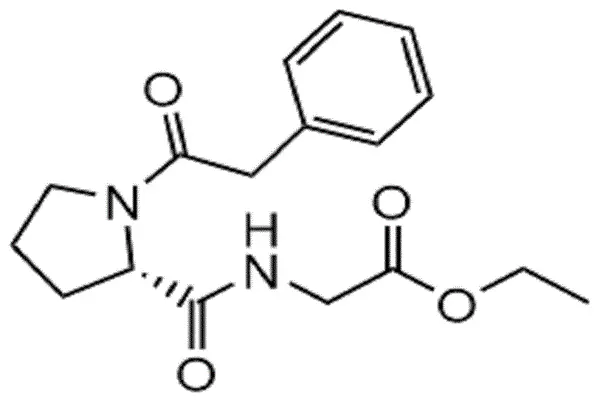
Noopept Powder is a synthetic dipeptide-based active powder for brain health, prepared through chemical synthesis. Its molecular composition is phenylacetyl-prolyl-glycine ethyl ester, possessing the inherent physicochemical property of crossing the blood-brain barrier. Upon entering the biological environment, Noopept Powder undergoes molecular cleavage, generating endogenous cyclic prolyl-glycine metabolites that participate in nerve signal regulation. Compared to piracetam-like substances, Noopept Powder requires a lower dose level to exert its physiological effects, while simultaneously exhibiting both nerve signal regulation and neuroprotective properties. Noopept Powder is physicochemically stable and adaptable to various dissolution environments, offering broad exploration potential in areas such as neurocellular physiological regulation and raw material development. However, its actual efficacy is subject to multiple constraints, including dosage, duration of action, and the state of the nerve tissue itself.
🧩 The physicochemical properties brought about by the molecular skeleton
The core physicochemical advantages and bioactivity of Noopept Powder all stem from its unique modified dipeptide molecular backbone. Unlike natural peptides and traditional nootropic drugs, its modular molecular structure achieves triple optimization in stability, penetration, and targeting. The complete molecule is composed of three parts: a phenylacetyl hydrophobic group, a proline ring structure, and a glycine ethyl ester hydrophilic end. This specific structural combination completely solves the application shortcomings of natural peptides. Natural dipeptides and tripeptides are highly polar and are easily hydrolyzed and inactivated by digestive peptidases after oral administration. They also cannot penetrate the blood-brain barrier, which is a lipid structure, and thus have almost no central nervous system regulatory effect. Noopept Powder, through the hydrophobic modification of the terminal ethyl ester group, significantly improves the molecular lipid-water partition coefficient, giving the originally hydrophilic peptide core excellent lipid penetration ability. This allows it to successfully cross the three biological barriers of the digestive tract mucosa, vascular barrier, and blood-brain barrier, precisely accumulating in the cerebral cortex, hippocampus, and other cognitive core brain regions, laying the structural foundation for subsequent neuroregulatory effects. This is the core reason why this substance can exert significant cognitive regulation effects with only extremely low doses. Its highly efficient barrier penetration greatly enhances bioavailability, far superior to traditional amide-based cognitive-enhancing ingredients.
Noopept Powder is a typical central nervous system prodrug. The raw powder molecules do not directly participate in nerve receptor binding; instead, they rely on their intact molecular structure to complete in vivo transport and accumulation, reaching the central nervous system tissue where they undergo specific hydrolysis and activation. Carboxylesterases are widely present in human blood, cerebrospinal fluid, and brain tissue. These enzymes can precisely recognize the ethyl ester terminal group of Noopept Powder, gently hydrolyzing and breaking the ester bond, removing the ethanol group to generate the core active metabolite—cyclic prolyl glycine. This endogenous metabolite is the core substance mediating all neuroregulation and neuroprotective effects, stably existing in the interneuron and continuously acting on synaptic receptors and intracellular signaling pathways. This precursor activation mode possesses significant physiological advantages: high native molecular stability, low metabolic loss, and virtually no activity loss during transport. Activation occurs at the target tissue, effectively avoiding peripheral off-target effects and significantly reducing irritation and side effects. This is the key mechanism by which Noopept Powder's safety profile far surpasses other neuroactive ingredients.
Environmental pH is a crucial factor affecting the molecular stability and activation efficiency of Noopept Powder, directly determining its effective utilization rate. In neutral to weakly acidic environments, the Noopept Powder molecular structure is highly stable, with ester bonds that are not easily broken, maintaining an intact precursor configuration for extended periods and ensuring successful in vivo transport. However, in alkaline water environments or high-temperature, humid conditions, the terminal ethyl ester bonds undergo non-specific hydrolysis, prematurely cleaving and failing to penetrate the blood-brain barrier, thus completely losing central regulatory activity. These physicochemical properties impose strict requirements on raw material storage and experimental preparation: solid powders must be sealed, moisture-proof, and stored at room temperature away from light to prevent spontaneous hydrolysis caused by humid air; experimental working solutions must be prepared and used immediately, with the pH strictly controlled within the neutral to slightly acidic range to avoid premature degradation of active components due to alkaline environments. In cell experiments and in vitro formulations, neglecting pH stability can directly lead to invalid experimental data and a significant decrease in activity, making it a core detail easily overlooked in scientific research applications.
Solubility characteristics and solvent compatibility further define the research application specifications for Noopept Powder. This raw material is a weakly polar modified peptide, exhibiting excellent solubility in organic solvents such as anhydrous ethanol, methanol, and DMSO, rapidly forming a high-concentration homogeneous mother liquor; however, its solubility in pure aqueous solutions is limited, and direct dissolution in pure water easily leads to molecular precipitation and uneven dispersion. In neural cell intervention experiments, a preparation scheme involving pre-dissolution in organic solvents and gradient dilution in culture media must be adopted, while strictly controlling the final concentration of the co-solvent to eliminate interfering variables such as neural cell stress and apoptosis caused by the solvent itself. Many deviations in scientific experimental data are not due to insufficient activity of the raw materials, but rather to inadequate dissolution and dispersion, resulting in low effective molecular concentrations that cannot effectively act on nerve cells. Furthermore, the dielectric constant of different solvent systems can slightly affect the molecular hydrolysis rate; standardized solvent ratios are essential for ensuring experimental repeatability and data stability.
The molecular metabolic kinetics give Noopept Powder its unique advantage of long-term regulation, distinguishing it from short-acting neuroactive substances. The native Noopept Powder molecule has a short half-life in vivo, allowing for rapid barrier penetration and tissue accumulation. However, the hydrolyzed cycloprolyl glycine has a slow metabolic rate, enabling it to remain in core brain regions such as the hippocampus and cortex for extended periods, continuously activating neurotrophic pathways and regulating synaptic signals. This kinetic characteristic of short-acting transport + long-acting activation allows Noopept Powder to maintain long-term neuromodulation effects without the need for frequent dosing. Meanwhile, the metabolites of this raw material have no toxic residues and will not accumulate in brain tissue, liver and kidneys. Long-term intervention will not produce metabolic burden. It is suitable for long-term scientific research models such as long-term neuroprotection and chronic cognitive impairment repair, and is an ideal active raw material for long-term animal experiments and continuous cell intervention.
⚖️ Signal modulation logic at the neural synapse level
The cognitive functions, memory formation, and information transmission of the central nervous system depend entirely on the dynamic balance of synaptic plasticity. The two core neural pathways, glutamatergic and cholinergic, are crucial for maintaining synaptic homeostasis. Noopept Powder can precisely fine-tune these two pathways bidirectionally, maintaining the normal physiological function of neural synapses from the root. Glutamate is the brain's most important excitatory neurotransmitter. Appropriate release supports physiological activities such as learning, memory, and information encoding. However, under pathological conditions such as oxidative stress, cerebral ischemia, and aging, excessive glutamate release can overactivate NMDA and AMPA receptors, leading to neuronal excitotoxicity, synaptic damage, neuronal apoptosis, and cognitive decline. The active metabolites of Noopept Powder can precisely bind to glutamate receptor subtypes, inhibiting abnormally activated receptors, blocking excessive glutamate-mediated calcium influx, and eliminating excitotoxicity.
Simultaneously, in states of low neural signal intensity and weakened synaptic transmission, it appropriately enhances receptor sensitivity, improves the efficiency of weak signal transmission, and bidirectionally balances neural excitation levels, preventing overactivation or underactivation of neural pathways, thus precisely maintaining synaptic signal homeostasis. The cholinergic signaling pathway is a core pathway regulating learning, memory, and attention. The activity of cholinergic neurons in the hippocampus and prefrontal cortex directly determines the body's cognitive output level. Aging, oxidative damage, and chronic inflammation lead to a decline in cholinergic neuronal activity, insufficient synthesis and release of acetylcholine, and a decrease in neurotransmitter concentration in the synaptic cleft, ultimately resulting in problems such as memory loss, inattention, and slowed cognitive response. Noopept Powder specifically acts on cholinergic nerve endings, upregulating choline acetyltransferase activity, promoting endogenous synthesis and targeted release of acetylcholine, while inhibiting the degradation of acetylcholinesterase, effectively increasing the concentration of acetylcholine retained in the synaptic cleft. By optimizing the efficiency of cholinergic signal transduction, it strengthens information interaction between neurons, repairs damaged synaptic transmission function, and improves various neurological dysfunctions caused by cognitive decline. Unlike traditional cholinesterase inhibitors, this ingredient is a physiological regulator that does not forcibly deplete neurotransmitter reserves; it only repairs imbalanced physiological pathways without the side effects of nerve signal overdraft or excessive excitation.
The expression levels of neurotrophic factors are core indicators determining synaptic plasticity, neuronal survival, and repair capabilities. Among them, BDNF (brain-derived neurotrophic factor) and NGF (nerve growth factor) are the most important protective factors in the central nervous system. Numerous scientific studies have confirmed that Noopept Powder can significantly upregulate the protein expression and gene transcription levels of BDNF and NGF in the hippocampus and cerebral cortex. Increased neurotrophic factor levels can effectively activate downstream PI3K and MAPK neural repair pathways, promoting synaptic remodeling, new synapse formation, and repairing damaged nerve fibers and synaptic connections. Simultaneously, it can inhibit the activation of neuronal apoptosis pathways, enhance the stress resistance of nerve cells, and reduce neuronal loss due to aging and injury. Long-term intervention can effectively maintain central nervous system synaptic density, delay neurodegenerative changes, and provide long-term physiological support for cognitive homeostasis. This trophic factor activation effect is continuous, requiring gradient intervention to accumulate effects, and is the core underlying mechanism by which Noopept Powder achieves long-term cognitive protection.
Calcium ion homeostasis imbalance is a core contributing factor to neuronal damage, apoptosis, and cognitive decline. Neuronal calcium overload activates intracellular hydrolases, oxidases, and apoptotic proteins, triggering a chain reaction of neuronal damage. Under normal physiological conditions, calcium ions act as neuronal signal messengers, participating in synaptic transmission and memory encoding. However, under hypoxia, inflammation, and toxic stimulation, cell membrane voltage-dependent calcium channels open abnormally, leading to a large influx of calcium ions, causing intracellular calcium overload, resulting in neuronal oxidative breakdown and synaptic necrosis. Noopept Powder can precisely regulate the opening and closing of neuronal calcium channels, inhibiting abnormal calcium influx under pathological conditions, stabilizing intracellular calcium ion concentration, and blocking the calcium overload-mediated neuronal damage chain. Simultaneously, it does not interfere with calcium ion signal transduction under normal physiological conditions, perfectly balancing the dual needs of neuronal signal transmission and cellular protection, thus building a protective barrier for neuronal homeostasis at the cellular level.

Oxidative stress and chronic neuroinflammation are two major chronic drivers of neurocognitive impairment, forming a vicious cycle that continuously damages central nervous system tissue. Brain tissue has an extremely high lipid content, making it highly susceptible to oxidative damage from free radicals. Cell membrane lipid peroxidation can lead to synaptic structure damage and neuronal function loss. Simultaneously, oxidative stress can activate excessive activation of central microglia, releasing large amounts of pro-inflammatory factors such as TNF-α and IL-6, inducing chronic neuroinflammation and further exacerbating oxidative damage. Noopept Powder possesses excellent cross-sectoral antioxidant and anti-inflammatory activity. It can directly scavenge excess reactive oxygen species in the central nervous system, enhance the activity of endogenous antioxidant enzymes in neurons, and reduce lipid peroxidation damage. Simultaneously, it inhibits abnormal microglia activation, downregulates the release of pro-inflammatory factors, breaks the vicious cycle of oxidation and inflammation, and continuously alleviates chronic stress in the central nervous system, providing a stable microenvironment for synaptic repair and cognitive function stabilization.
🔬 Multidimensional physiological changes in brain tissue
The hippocampus is the core brain region for encoding central nervous system memory and converting short-term memory into long-term memory. Its synaptic plasticity directly determines the body's learning and memory abilities, and it is also the area most vulnerable to aging and neurological damage. Noopept Powder, by regulating glutamate and cholinergic pathways and upregulating neurotrophic factors, can comprehensively repair the physiological functions of the hippocampus. In oxidative stress and hypoxia injury models, this ingredient can effectively protect the integrity of neurons in the CA1 and CA3 regions of the hippocampus, reduce neuronal apoptosis and synaptic shedding, maintain normal synaptic plasticity and long-term potentiation in the hippocampus, and ensure the smooth encoding, consolidation, and retrieval of memory information. For age-related hippocampal atrophy and decreased synaptic density, long-term intervention can effectively delay neurodegenerative changes and improve cognitive deficits such as memory decline and learning ability loss. It is a core active ingredient for targeted repair of hippocampal cognitive function.
The prefrontal cortex of the brain governs higher neural functions such as attention, logical thinking, and cognitive regulation, and is highly susceptible to stress, inflammation, and oxidative damage, leading to disorders of higher cognitive functions. Prolonged mental stress, sleep deprivation, and brain metabolic disorders can lead to neurotransmitter imbalances and synaptic transmission blockages in the prefrontal cortex, resulting in problems such as poor concentration, slow thinking, and cognitive fatigue. Noopept Powder can target and regulate the homeostasis of neural signals in the prefrontal cortex, balance the ratio of excitatory and inhibitory neurotransmitters, optimize synaptic information transmission efficiency, alleviate central nervous system fatigue, and improve concentration and reaction speed. Simultaneously, it can improve cortical microcirculation, reduce the inhibition of neural function caused by chronic stress, maintain the efficient and stable operation of higher cognitive pathways, and comprehensively optimize the body's higher cognitive output capabilities.
Secondary neurological damage caused by cerebral ischemia and hypoxia is a major cause of sudden cognitive impairment and neurological deficits. After cerebral ischemia and hypoxia, a multiple damage chain of excitotoxicity, calcium overload, oxidative stress, and neuroinflammation is rapidly triggered, and the damage continues to cascade and amplify, causing large-scale irreversible neuronal necrosis. In the early intervention of nerve injury, Noopept Powder can simultaneously block multiple secondary damage pathways, inhibit excessive glutamate release, prevent calcium overload accumulation, clear free radicals in ischemic areas, and inhibit the spread of inflammatory factors. This effectively reduces the area of brain damage, rescues functional neurons on the verge of apoptosis, and preserves normal cognitive function of brain tissue to the greatest extent possible. While this material cannot repair completely necrotic nerve tissue, it can effectively block the spread of secondary damage, significantly reducing the risk of cognitive deficits and functional decline after nerve injury. It is widely used in cerebrovascular neuroprotective research models.
During the process of neuroaging, the central nervous system experiences systemic functional decline, specifically manifested as a decrease in neurotrophic factors, a sharp reduction in the number of synapses, accumulation of oxidative inflammation, and insufficient synthesis of neurotransmitters, ultimately leading to progressive cognitive decline and sluggish neural responses. Noopept Powder can precisely target core molecular pathways related to aging, compensate for the loss of BDNF and NGF nutrients caused by aging, clear long-term accumulated oxidative damage products, inhibit low-grade chronic neuroinflammation, maintain neurotransmitter secretion homeostasis and synaptic structural integrity, effectively slow down the rate of neuroaging, and improve age-related cognitive decline. Unlike short-acting cognitive activators, this ingredient achieves long-lasting anti-aging effects through multiple dimensions, including cell repair, pathway stabilization, and microenvironment optimization. It gently improves neurosensitivity without the side effects of overdrawing nerve function.
Emotional stress is highly linked to neurocognitive homeostasis. Long-term anxiety and chronic stress increase stress hormones such as cortisol, continuously damaging hippocampal neurons, inhibiting synaptic plasticity, and causing cognitive decline and memory loss. Noopept Powder possesses a gentle central anti-stress regulatory capacity, regulating the hypothalamic-pituitary-adrenal axis homeostasis, reducing the secretion of excessive stress hormones, and alleviating central nervous system anxiety and stress. This ingredient has no sedative, hypnotic, or central nervous system depressant effects and will not cause side effects such as drowsiness or slowed thinking. It only balances overactivated stress pathways, eliminating the continuous damage of negative emotions to the neurocognitive system, achieving a dual synergistic effect of emotional stabilization and cognitive optimization, comprehensively maintaining overall central nervous system homeostasis.
✨ Expanding the Real-World Boundaries of Material Applications
In the field of neuronal cell research, Noopept Powder is a core tool for constructing models of neuronal injury, cognitive protection, and stress intervention. It is widely used in the study of the mechanisms of neuronal oxidative damage, excitotoxic damage, hypoxic-ischemic injury, and aging models. Researchers can use gradient concentration interventions to observe changes in neuronal survival rate, synaptic protein expression, neurotrophic factor levels, and oxidative inflammatory markers, precisely elucidating the molecular mechanisms of neuroprotection. In practical application, strict control of the solvent system, solution pH, intervention duration, and dosage concentration is crucial to avoid variables such as solvent toxicity and molecular hydrolysis failure, ensuring the stability and reproducibility of experimental data. Furthermore, different types of neurons and glial cells exhibit significant differences in their tolerance to the raw material; therefore, it is essential to establish concentration gradients in advance and develop intervention systems adapted to different cell models to prevent distorted experimental results due to dosage deviations.
In the field of neurofunctional formulation development, Noopept Powder, with its advantages of low dosage, high activity, high safety, and strong penetrability, has become a core ingredient in functional formulations for cognitive maintenance and neurorepair. Compared to traditional cognitive-enhancing ingredients, this product boasts higher bioavailability, a more comprehensive mechanism of action, and fewer side effects, making it suitable for formulations targeting oral neuroprotection, brain fatigue relief, and cognitive function stabilization. However, this ingredient suffers from drawbacks such as easy hydrolysis in aqueous solutions and limited storage stability. Liquid formulations require optimized pH buffering systems and light-proof sealed packaging. Furthermore, microencapsulation and liposome delivery technologies can be utilized to isolate the product from external environmental interference, prevent premature molecular hydrolysis, extend shelf life, and maximize the retention of its central regulatory activity. Solid formulations require strict control of production humidity and temperature to prevent moisture degradation and ensure batch-to-batch activity stability.

In neuropharmacology and disease mechanism research, Noopept Powder is widely used in exploratory research on pathological models of Alzheimer's disease, vascular cognitive impairment, post-ischemic stroke sequelae, and neuroaging. This ingredient can target and intervene in core pathological pathways of cognitive impairment, inhibiting neuronal apoptosis, repairing synaptic damage, and improving neurotransmitter imbalances, providing core experimental support for mechanistic research and new drug target validation in cognitive impairment diseases. It is important to clarify that Noopept Powder is only a research-grade active ingredient and auxiliary regulatory substance. It cannot reverse severe, irreversible organic neurological lesions. It can only play a neuroprotective and functional optimization role in the early stages of injury and the chronic compensatory phase. It cannot replace clinical drug treatment and has clear application boundaries.
In the development of central nervous system delivery technology, Noopept Powder is an ideal model drug for validating brain-targeted delivery systems. Its well-defined molecular structure, clear metabolic activation mechanism, and quantifiable neuroactive indicators allow for precise verification of the blood-brain barrier penetration efficiency, target tissue enrichment capacity, and activity retention effect of delivery carriers such as liposomes, nanoparticles, and penetrating peptides. By detecting the content of active metabolites and the expression level of neurotrophic factors in brain tissue, the optimization effect of the delivery system can be directly evaluated, providing important experimental evidence for the iterative upgrading of central nervous system targeted drug delivery technology and greatly promoting the formulation development process of brain-targeted active ingredients.
Noopept Powder exhibits a clear dose-dependent bidirectional action characteristic, defining strict usage boundaries. Appropriate low and medium doses can exert positive effects on neuroprotection, cognitive optimization, and homeostasis regulation; however, excessively high doses can over-disrupt neurotransmitter pathways, disrupt central signal balance, and cause adverse effects such as disordered neural excitation and cellular stress. Furthermore, this ingredient interacts with other centrally active substances, and multi-substance combined interventions may lead to pathway synergy, signal disturbances, and other unknown changes. Therefore, all research and application scenarios must strictly adhere to the principle of graded dosing, accurately control intervention parameters, objectively recognize its auxiliary regulatory value, avoid exaggerating its efficacy or exceeding the recommended dosage, and maximize its core value in maintaining neurocognitive homeostasis within the appropriate range.
Conclusion
Noopept Powder, with its specific ethyl esterified dipeptide molecular structure, achieves efficient cross-blood-brain barrier transport and targeted central activation. It comprehensively constructs a central nervous system cognitive homeostasis protection system by bidirectionally regulating neurotransmitter pathways, activating endogenous neurotrophic factors, blocking multiple neural damage chains, and maintaining calcium and oxidative balance in brain cells. Compared to traditional nootropic ingredients, it possesses core advantages such as lower dosage, stronger activity, higher safety, and a more comprehensive mechanism of action, giving it irreplaceable scientific research value in areas such as neural cell mechanism research, neuropathological model construction, cognitive function formulation development, and brain delivery technology research. However, its easily hydrolyzed molecules, bidirectional dosage, and limited application scenarios define its application boundaries. With the continuous advancement of dosage form technology and neural mechanism research, the application shortcomings of Noopept Powder will be gradually addressed, and its value in neurocognitive protection and neuropharmacological research will be further realized.
Xi'an Faithful BioTech Co., Ltd. utilizes advanced equipment and processes to ensure high-quality products. Our Noopept Powder meets international pharmaceutical standards. Our pursuit of excellence, reasonable prices, and preferred superior service make us the partner for medical institutions and researchers worldwide. If you require Noopept Powder research or production,Please contact us Click email: allen@faithfulbio.com Or WhatsApp: +86 13137770562.
References
- Amelin, A. V., & Bogolepova, A. N. (2011). Noopept in treatment of mild cognitive disorders of vascular origin. Zhurnal Nevrologii i Psikhiatrii imeni S.S. Korsakova, 111(8), 44‑48.
- Gudasheva, T. A., Ostrovskaya, R. U., & Seredenin, S. B. (2001). Cycloprolylglycine: an endogenous neuropeptide derived from noopept metabolism. Neurochemical Journal, 25(3), 211‑218.
- Jia, X., Gharibyan, A. L., Öhman, A., Liu, Y., Olofsson, A., & Morozova‑Roche, L. A. (2011). Neuroprotective and nootropic drug noopept rescues alpha‑synuclein amyloid cytotoxicity. Journal of Molecular Biology, 412(5), 805‑818.
- Ostrovskaya, R. U., Gudasheva, T. A., Zaplina, A. P., Vakhitova, Y. V., Salimgareeva, M. K., Yamidanov, R. S., & Seredenin, S. B. (2008). Noopept stimulates the expression of NGF and BDNF in rat hippocampus. Bulletin of Experimental Biology and Medicine, 146(3), 334‑337.
- Romanova, G. A., Shakova, F. M., Barskov, I. V., Stelmashook, E. V., Gudasheva, T. A., Ostrovskaya, R. U., & Seredenin, S. B. (2009). Noopept reduces post‑ischemic functional and metabolic brain disorders in rats with different hypoxia sensitivity. Bulletin of Experimental Biology and Medicine, 148(2), 221‑224.