

Palmitoyl Pentapeptide-4: A Buyer’s Guide to Anti-Aging Formulas
Palmitoyl Pentapeptide-4 powderrepresents a breakthrough in cosmetic science, offering procurement professionals and manufacturers a reliable pathway to develop cutting-edge anti-aging formulations. This synthetic peptide has transformed skincare product development by delivering measurable collagen stimulation without the irritation associated with traditional actives. Throughout this guide, we explore the technical specifications, sourcing strategies, and formulation best practices essential for B2B decision-makers navigating today's competitive cosmetics market.
Understanding Palmitoyl Pentapeptide-4: Science and Benefits
The Molecular Foundation of Collagen Stimulation
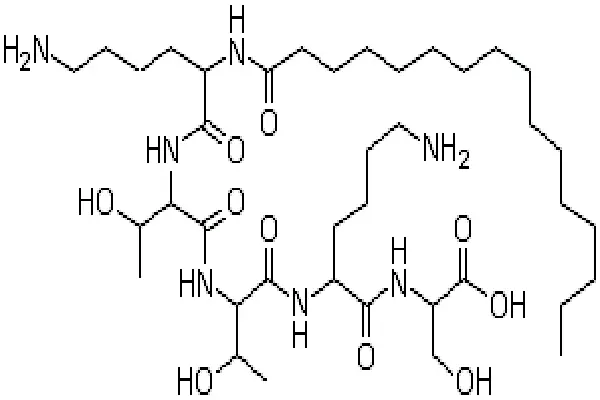
The peptide is made up of five amino acids linked together by palmitic acid: lysine, threonine, threonine, lysine, and serine. This lipophilic change makes it easier for the active to get into the skin and reach the dermal fibroblasts, which are where collagen is made. Clinical tests show that within 28 days, concentrations as low as 3–5% cause Type I and Type III collagen output to rise significantly. It works by pretending to be broken pieces of collagen and telling fibroblasts to start the repair process. This peptide works by directly increasing matrix protein production, while retinoids speed up cell turnover by peeling.
Proven Efficacy Across Formulation Types
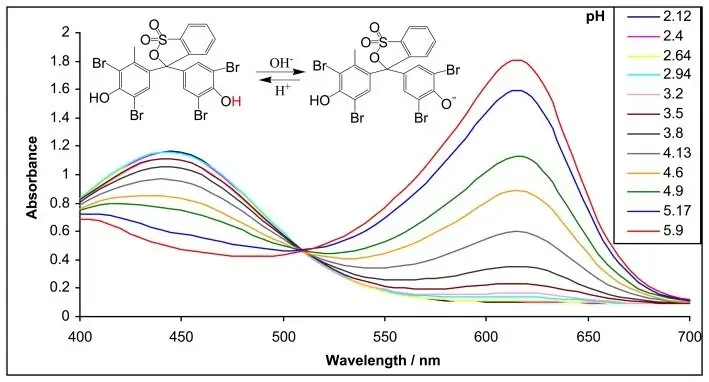
Skin care studies have shown that using products with this peptide can reduce the depth of wrinkles by an average of 17% after eight weeks of regular use. The safety profile is still very good for all Fitzpatrick skin types, with few reports of sensitization or inflammatory reactions. When making products for a wide range of customers, manufacturers value this level of predictability. Stability tests show that the peptide stays active at pH levels between 4.0 and 7.0. This lets formulators make serums, creams, and treatment masks without losing their effectiveness.
Regulatory Compliance and Quality Standards
Peptides used in cosmetics have to meet strict purity standards, usually more than 95%, which can be proven by HPLC analysis. When a supplier gives you a Certificate of Analysis, it should include the amount of peptides, residual solvents, and microbial testing results. GMP-certified factories make sure that each batch is the same, which is a must for brands that want to go from test production to commercial amounts. Teams in charge of buying things should give more weight to sellers who can provide a lot of information, such as data on longevity under rapid aging conditions and studies on compatibility with common cosmetic ingredients.
Comparing Palmitoyl Pentapeptide-4 with Other Popular Peptides and Actives
Peptide Performance Benchmarking
Compared to acetyl hexapeptide-8, which is commonly sold under the brand name Argireline, the pentapeptide is better at building collagen, while the hexapeptide is better at stopping muscles from contracting. Although copper peptides can help heal wounds, they can be hard to mix because they are sensitive to pH and can turn colors. The palmitoyl change in this pentapeptide makes it more stable than peptide sequences that have not been modified. This means that it breaks down less during production and storage. When formulators choose which peptides to use, they should think about the claims they want to make about the targets. For example, this pentapeptide is good at reducing wrinkles, and mixing different peptide mechanisms may help with expression line targeting.
Traditional Actives: Efficacy and Tolerance Comparison
Retinol is still the best anti-aging drug in clinical trials, but it can cause photosensitivity, peeling, and irritation during the adjustment period. Cosmetic peptides are a kinder alternative, and Palmitoyl Pentapeptide-4 powder can be used in formulas for sensitive skin and in products that are meant to be used all the time without stopping. While ascorbic acid is a good antioxidant and brightener, it needs to be carefully mixed with other ingredients to keep it from oxidizing and becoming unstable due to changes in pH. Hyaluronic acid instantly hydrates and plumps up the skin, but it doesn't lead to long-term changes in the structure of the dermis. A lot of effective formulas mix the pentapeptide with these other active ingredients that work well together to fight several signs of age at the same time.
Strategic Ingredient Selection for Product Positioning
Along with niacinamide and plant products, high-end anti-aging lines often contain peptide complexes at amounts of 5 to 8 percent. Mass-market brands might use lower amounts of peptides (2–3%) along with humectants and emollients to keep their marketing claims while keeping the prices low. Knowing about these formulation strategies helps people who work in procurement negotiate prices that are in line with how the brand is positioned. The peptide works well with natural ingredients, which makes it very useful for clean beauty brands that want manmade alternatives to plant-based actives that don't always work well.
Procurement Insights: Where and How to Source Palmitoyl Pentapeptide-4?
Global Supplier Landscape and Selection Criteria
European companies have traditionally made the most peptides because they offer pharmaceutical-grade quality and a lot of legal paperwork. With ISO and GMP certifications that meet foreign standards, Asian suppliers, especially those in China, now offer affordable options. Instead of just comparing prices, procurement teams should look at suppliers' production ability, lead times, and expert support skills. When you ask for reference samples from different batches, you can see if the color, solubility, and analytical specifications are all the same. This is important for making long-term supply agreements.
Pricing Models and Minimum Order Quantities
Cosmetic peptides are usually priced in bulk in a tiered system, with sample amounts (10–100 g) being the most expensive, pilot-scale orders (1–5 kg) being the least expensive, and business numbers (10 kg or more) being the most affordable. For long-term ties, many sellers offer open terms, such as consignment plans for brands that buy a lot. When procurement workers understand these dynamics, they can arrange better terms while still upholding quality standards. Different parts of the world have different ways of making payments. For example, Asian suppliers usually accept T/T terms, while European manufacturers might need L/C for first orders.
Certification Verification and Quality Assurance
In addition to basic COA paperwork, strict providers offer heavy metal analysis, endotoxin tests, and peptide sequence data. GMP certification makes sure that factory conditions are controlled, and ISO 22716 sets standards for making cosmetics. When buyers form partnerships with suppliers to send goods to regulated markets like the US and EU, they should check out the suppliers' facilities. Traceability documentation that connects raw materials to batches of finished peptides gives brands the confidence to answer questions from regulators and meet consumer demands for openness.
Best Practices for Application and Product Formulation
Optimal Concentration and Product Format Selection
High-performance night creams usually have lipid-rich emulsions with 4-6% peptide concentrations that help the skin heal while you sleep. Eye contour serums work best when they have 3-5% amounts in light bases. This way, they can reach the delicate area around the eyes without moving or irritating it. Professional wound healing balms can have up to 8% of occlusive agents mixed in with the active ingredients. These application-specific rules help R&D teams find a balance between claims of effectiveness, the security of the formulation, and the sensory qualities that make people want to buy it again.
Solubilization Techniques and Stability Optimization
Since Palmitoyl Pentapeptide-4 powder has been modified to be lipophilic, it needs to be dissolved properly to prevent clumping. Pre-solubilizing the powder in butylene glycol or glycerin at low temperatures (35–40°C) helps ensure that the substance is evenly dispersed throughout the water phase. Adding the peptide solution while the emulsion is cooling helps reduce heat-related damage. Formulators should avoid harsh conditions, such as very low or high pH and high processing temperatures, as peptide bonds and ester linkages can still break down under these conditions. Tocopherol and EDTA can act as antioxidants and chelating agents to help protect the peptide from oxidation and metal-catalyzed degradation, thereby improving the stability and shelf life of the formulation.
Ingredient Compatibility and Synergistic Combinations
When mixed directly with low-pH L-ascorbic acid, peptide structures can break down. For products that need both actives, safe vitamin C derivatives like sodium ascorbyl phosphate are better. Because lysine molecules are cationic, they may combine with carbomer thickeners that are anionic, which could make the mixture less viscous. Better compatibility is found with non-ionic thickening systems like hydroxyethylcellulose. When you mix the peptide with ceramides and niacinamide, you get a full anti-aging systems that work on barrier repair, color, and structure support all at the same time. These connections help brands make unique goods that offer many benefits that customers value.
Evaluating Brands and Products Containing Palmitoyl Pentapeptide-4
Market Leaders and Formulation Approaches
This peptide has been successfully added to high-end skincare lines by major companies, usually in combination with their own unique delivery systems or botanical complexes. The high prices for these formulations are based on clinical testing and the reputation of the brand. Contract manufacturers offer generic formulations as a cost-effective alternative for new brands, though they might not have the consumer testing and marketing support of well-known brands. Looking at goods that have done well shows patterns in the concentration levels, supporting ingredients, and packaging decisions that appeal to the target audience.
Supplier Quality Assessment Criteria
In addition to analytical specifications, procurement professionals should check how well suppliers can help with technical issues, how knowledgeable they are about regulations, and how quickly they can answer quality questions. Suppliers who give formulation advice, help with stability testing, and help with legal paperwork are more valuable than just providing raw materials. Clear price updates, regular contact, and early notice of changes in the supply chain all point to the possibility of a reliable relationship. When it comes to long-term ties with suppliers, these personal factors are often just as important as price and quality requirements.
Partnering with Experienced Manufacturers
Faithful is a company in Xi'an that makes pharmaceutical intermediates and natural active ingredients for health and beauty products. Our building has a lot of testing tools, like HPLC, GC, and spectrophotometry, to make sure that every batch meets strict quality standards. We sell cosmetic peptides with all the paperwork needed to make sure they are legal in both North America and Europe. Our R&D team provides OEM services for brands that need customized formulations. This helps solve the problem of making new products without having a lot of lab space. This unified method helps purchasing professionals get a steady supply of peptides and get technical help for developing new products.
Conclusion
Finding high-quality beauty peptides means finding a balance between technical requirements, source dependability, and formulation know-how. Palmitoyl Pentapeptide-4 powder is still becoming more popular as companies look for effective, well-tolerated alternatives to standard anti-aging ingredients. When procurement professionals know about peptide science, best practices for formulation, and criteria for evaluating suppliers, they set their companies up for success in the competitive beauty market. Strategic relationships with makers that offer full support, from ensuring the quality of raw materials to providing formulation advice, shorten the time it takes to create a new product while lowering the risk of legal and quality issues.
FAQ
1. How do I incorporate the powder into formulations without clumping?
Mix the peptide powder with water and butylene glycol or glycerin in a 1:1 ratio. Heat the mixture slowly, between 35°C and 40°C. This solution should be added to the water phase or during the last stage of cooling when making an emulsion to make sure that everything is spread out evenly and doesn't stick together.
2. What is the optimal pH range for maintaining peptide stability?
Between pH 4.0 and 7.0, the peptide is most stable. Formulations that aren't in this range could cause peptide bonds or ester links to break down. To keep the product's effectiveness, buffer devices should keep the pH within this range throughout its shelf life.
3. Can this peptide be combined with vitamin C in formulations?
When mixed directly with L-ascorbic acid, which has a low pH, the peptide may break down or form a precipitate. If you don't want to lose the safety of either active ingredient, use stable vitamin C products like sodium ascorbyl phosphate or do two different steps for each application.
Partner with Faithful for Premium Palmitoyl Pentapeptide-4 Supply
Faithful has a wide range of Palmitoyl Pentapeptide-4 powder suppliers that can meet the needs of cosmetic manufacturers and procurement professionals. Our factory in Xi'an makes pharmaceutical-grade peptides and provides full analytical paperwork, such as HPLC verification and stability data to back your regulatory applications. We have reasonable prices for both small batches (pilot-scale) and large volumes (commercial volumes), and our OEM services can be changed to fit your specific formulation needs. Our quality control lab makes sure that each batch is the same, and our experienced research and development team helps you with technical issues as you work on your product. You can ask for samples, talk about special formulation needs, or set up a long-term supply relationship by emailing allen@faithfulbio.com Or WhatsApp: +86 13137770562 .
References
1. Katayama K, Armendariz-Borunda J, Raghow R. "A pentapeptide from type I procollagen promotes extracellular matrix production." Journal of Biological Chemistry, 1993.
2. Robinson LR, Fitzgerald NC, Doughty DG. "Topical palmitoyl pentapeptide provides improvement in photoaged human facial skin." International Journal of Cosmetic Science, 2005.
3. Gorouhi F, Maibach HI. "Role of topical peptides in preventing or treating aged skin." International Journal of Cosmetic Science, 2009.
4. Schagen SK. "Topical peptide treatments with effective anti-aging results." Cosmetics, 2017.
5. Lintner K, Peschard O. "Biologically active peptides: from a laboratory bench curiosity to a functional skin care product. "International Journal of Cosmetic Science, 1997.
6. Zhang L, Falla TJ. "Cosmeceuticals and peptides. " Clinics in Dermatology, 2009.