

How does the Slu-Pp-332 Powder simulate aerobic metabolic signals?
Slu-PP-332 Powder is a synthetically produced small-molecule powder of orphan nuclear receptor agonists, often categorized as a metabolic regulatory tool. The molecule itself is not a polypeptide compound; it works by targeting and activating ERR family nuclear receptors, replicating gene transcription changes that occur only after extensive aerobic exercise within the cell. Slu-PP-332 Powder exhibits the highest activation potency for ERRα and can also act on both ERRβ and ERRγ subtypes. Once the receptor is stably activated, it recruits PGC-1α co-activators, progressively initiating the expression of genes related to mitochondrial formation, fatty acid oxidation, and oxidative phosphorylation, thus driving a holistic remodeling of cellular metabolic patterns. Unlike many metabolic regulators, Slu-PP-332 Powder does not alter the body's appetite or increase spontaneous activity levels; all metabolic benefits derive from changes in cellular energy utilization patterns. This raw material exhibits high lipid solubility and good solubility in organic solvents. It remains stable under light-protected, sealed conditions and is widely used in mitochondrial function analysis, muscle fiber typing, construction of metabolic disorder cell models, and early-stage formulation development. The cellular alterations induced by the Slu-PP-332 Powder are directly influenced by the abundance of ERR receptor expression in target cells, receptor subtype distribution, and cellular energy substrate supply conditions. Only by fully understanding the entire signaling chain of receptor activation can stable and reproducible observational results be obtained.
🧩 Spatial configuration adapted to nuclear receptor binding cavity
The Slu-PP-332 Powder is a complete small molecule with a naphthalene ring planar structure as its core framework, combined with polar side chain groups. This unique molecular shape is the material basis for the recognition of ERR family nuclear receptors (PMC). ERRs are orphan nuclear receptor proteins with specialized ligand-binding hydrophobic grooves. In their native state, they lack high-affinity endogenous ligands and spend most of their time in an inactive conformation, making it difficult to recruit coactivators to initiate downstream gene transcription. The naphthalene ring planar structure of the Slu-PP-332 Powder can embed into the hydrophobic grooves of the receptor ligand domain, relying on π-π stacking to tightly adhere to internal phenylalanine residues. The side chain groups then form hydrophobic interactions with surrounding amino acid residues such as leucine, firmly locking the receptor protein in its activated spatial form. Once the receptor protein conformation is fixed by the small molecule, the surface coactivator binding sites are fully exposed, creating a prerequisite for subsequent PGC-1α protein docking. If the naphthalene ring core structure is oxidized and destroyed, disrupting the molecular planar conformation, it cannot smoothly embed into the hydrophobic groove, significantly weakening the binding force with the receptor and directly losing its biological activity to activate the receptor.
The arrangement ratio of hydrophobic groups to polar sites within the molecule shapes the unique lipid-water partition characteristics of Slu-PP-332 Powder. The entire molecule has a high proportion of hydrophobic aromatic rings and a limited number of polar groups, therefore it is almost insoluble in pure water. Direct dispersion with water only yields suspended particles, failing to achieve uniform molecular-level distribution. Slu-PP-332 Powder dissolves efficiently in organic solvents such as DMSO and anhydrous ethanol, allowing for the preparation of stock solutions with accurate molar concentrations, facilitating subsequent serial dilutions for addition to cell culture systems. Its outstanding lipid solubility helps Slu-PP-332 Powder easily cross the phospholipid bilayer cell membrane, diffusing from the extracellular matrix into the cytoplasm and then continuing its transport to the nucleus, where it contacts the ERR receptor protein distributed in the nuclear region. If the molecular side chains undergo oxidative modification, the hydrophobic-polarity balance is disrupted, significantly reducing the efficiency of transmembrane penetration across the nuclear membrane. Even if some modified molecules can still weakly contact the receptor protein, the number of effective molecules capable of entering the nucleus to exert their effects is insufficient, resulting in a significant weakening of the overall pathway activation effect.
The solid form of Slu-PP-332 powder can maintain molecular integrity for a long time under low-temperature, light-protected, and sealed storage conditions, with impurity generation rates remaining at a low level. However, in a liquid environment, the molecular tolerance conditions are significantly narrowed. Prolonged exposure to strong light can easily lead to photo-oxidative degradation of the naphthalene ring aromatic structure; high temperatures also accelerate the oxidation of side chain groups, disrupting the original planar spatial configuration of the molecule. Once the molecular backbone degrades and breaks, the shape originally adapted to the hydrophobic grooves of the ERR receptor is destroyed, and it can no longer stably induce the receptor to produce an activated conformation, thus losing its receptor activation ability. When preparing in vitro working solutions, it is advisable to avoid light as much as possible, maintain the buffer system in the neutral range, and avoid long-term storage of diluted working solutions; prepare and use them immediately whenever possible. In the storage of solid raw materials, environmental humidity must be strictly controlled, as high humidity conditions accelerate the formation of trace oxidative impurities. The continuous accumulation of inactive oxidative impurities reduces the proportion of biologically active Slu-PP-332 Powder molecules in the same quality of raw material, causing data fluctuations between parallel samples and poor reproducibility in many in vitro systems. This is not due to fluctuations in the cell state itself, but rather to the implicit change in effective concentration caused by raw material degradation.
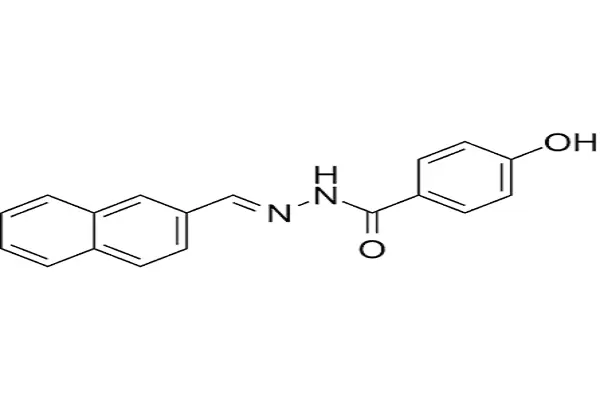
Slu-PP-332 Powder exhibits a clear gradient difference in its activation capacity for the three ERR receptor subtypes, with the strongest activation efficacy for ERRα (EC50 reaching 98 nM), a significant decrease in activation efficacy for ERRβ, and a further increase in the required activation concentration for ERRγ. The root cause of the subtype activity differences lies in the incomplete amino acid residue composition within the ligand-binding groove of the three receptors. The hydrophobic groove size and residue arrangement of ERRα allow it to form the most abundant hydrophobic stacks and van der Waals interactions with the naphthalene ring backbone of the Slu-PP-332 Powder, thus enabling stable induction of the activated conformation at relatively low molar concentrations. In contrast, ERRβ and ERRγ undergo partial amino acid substitution within their binding pockets, resulting in subtle changes in the size of the spatial gaps and the hydrophobicity of the residues. This decreases the match between the molecule and the pocket, requiring a higher concentration of the small molecule to achieve the same level of receptor conformational stability. Understanding this subtype activity gradient explains the varying degrees of metabolic changes observed in different tissues and cells after treatment with the Slu-PP-332 Powder. If target cells primarily express ERRγ, achieving full pathway activation requires a higher concentration than in cells with high ERRα expression; a fixed concentration parameter cannot be directly applied to all cell models.
The Slu-PP-332 Powder exerts its effect through a direct receptor conformational stabilization mechanism, which is distinctly different from the competitive site-occupancy mechanism of many kinase inhibitors. After entering the cell nucleus, the small molecule binds to the hydrophobic groove of the ERR receptor. Instead of displacing endogenous substances, it uses its own group interactions to lock the dynamically changing receptor protein into a three-dimensional morphology suitable for binding coactivators. The ERR receptor, stabilized by the small molecule, has its surface binding pocket fully exposed, allowing it to efficiently capture coactivators like PGC-1α and assemble into a complete transcription complex. This complex further recognizes upstream ERR response element sequences, initiating the transcription of a large number of downstream metabolism-related genes. The more Slu-PP-332 Powder molecules in the system, the more ERR receptor molecules can be locked in the activated conformation, thus increasing the intensity of downstream gene transcription. There is no competition between endogenous ligands and the Slu-PP-332 Powder for binding sites, eliminating the concentration game between substrate and inhibitor. However, the total expression level of ERR receptor proteins within the target cell directly limits the maximum upper limit of pathway activation. Even with continued increases in small molecule dosage, a lack of sufficient receptor proteins prevents the unlimited amplification of downstream transcriptional output.
⚖️ Receptor activation initiates multiple metabolic transcriptional programs
ERR receptors are widely distributed in the nuclei of high-energy-consuming cells such as skeletal muscle, cardiac muscle, and liver. Under physiological conditions, they lack strong endogenous activating ligands, and most receptor molecules remain in a resting state. Downstream mitochondrial and fatty acid oxidation-related genes maintain a low basal expression level of cenexalabs. After the Slu-Pp-332 Powder enters the nucleus and stabilizes the receptor conformation, the activated ERR protein rapidly recruits the PGC-1α coactivator. The transcription complex formed by the two binds directionally to ERR response elements on the genome, initiating the transcription process of a large number of genes related to energy metabolism. This entire transcriptional program highly overlaps with the set of genes activated in muscles after prolonged aerobic endurance training. This is the core reason why this material is called a movement mimic molecule; it does not require cells to endure the physical stress of mechanical contraction, and can replicate corresponding transcriptional changes through small molecule signal input. It is important to distinguish that the Slu-Pp-332 Powder does not directly modify mitochondrial proteins. All improvements in mitochondrial function are indirect results from the synthesis of new functional proteins after the upregulation of nuclear gene transcription.
The gene set directly activated by the ERR-PGC-1α complex can be divided into several clearly defined functional categories. The first category consists of mitochondrial biogenesis-related regulatory factors, including NRF-1, NRF-2, and TFAM. TFAM is responsible for mitochondrial DNA replication and transcription, driving the generation of more novel mitochondrial organelles within the cell. The second category comprises genes encoding various subunits of the oxidative phosphorylation complex, corresponding to protein components of electron transport chain complexes I to V, increasing the number of respiratory chain devices assembled in the inner mitochondrial membrane. The third category encodes a complete set of fatty acid β-oxidation enzymes, increasing the abundance of the entire set of enzymes involved in the uptake and breakdown of fatty acids for energy. The fourth category includes key catalytic enzymes of the tricarboxylic acid cycle, improving the efficiency of carbon skeleton transport within the mitochondria. After simultaneous upregulation of multiple gene groups, the number of mitochondria increases, the respiratory chain devices become more abundant, the overall capacity for fatty acid catabolism is enhanced, and the overall energy output pattern of the cell shifts towards oxidative metabolism.
The abundance of ERR receptor proteins within target cells directly determines the upper limit of transcriptional intensity that Slu-PP-332 Powder can trigger. If the cell itself has a high ERRα expression level and a large reserve of receptor proteins in the nucleus, the ERR-PGC-1α transcriptional complex can be assembled on a large scale at appropriate small molecule concentrations, resulting in a significant upregulation of messenger RNA of various downstream metabolic genes. If the overall expression level of ERR family receptors in the target cell is low, even with the introduction of a high concentration of Slu-Pp-332 Powder, the lack of sufficient receptor proteins as molecular switches makes it difficult to observe significant changes in downstream gene expression. There are significant differences in receptor expression among cells from different sources. Skeletal muscle and cardiomyocytes have high basal ERRα levels and are highly sensitive to Slu-Pp-332 Powder intervention; however, some epithelial cells and tumor cells have very low ERR receptor expression levels, resulting in only slight fluctuations in transcriptional expression after treatment. Before commencing large-scale sample processing, it is crucial to determine the appropriate concentration gradient. This involves analyzing the target cell receptor's basal expression to identify the optimal intervention molar concentration. Insufficient concentration may lead to inadequate pathway activation, while concentrations exceeding the optimal range may cause non-specific cellular disturbances.
The transcriptional network and AMPK pathway activated by the Slu-Pp-332 Powder are two independent regulatory systems. Many motion mimics indirectly enhance PGC-1α protein activity by activating the AMPK pathway. However, the Slu-Pp-332 Powder bypasses the AMPK energy-sensing pathway, directly acting on the ERR nuclear receptor to recruit PGC-1α co-activators. It initiates mitochondrial generation without requiring cells to first sense a decrease in ATP or energy deficiency. This mechanistic difference has significant practical value. In in vitro systems, it can independently activate the ERR-PGC-1α axis without simultaneously triggering other chain reactions such as AMPK-mediated autophagy and rapid glucose uptake. This allows for a focus on changes related to mitochondrial biogenesis and fatty acid oxidation. However, the intracellular metabolic networks are interconnected. Changes in ATP production levels after mitochondrial function enhancement can indirectly affect AMPK activation. In long-term intervention systems, these two pathways still interact, and these secondary indirect changes need to be considered when interpreting long-term treatment phenomena.
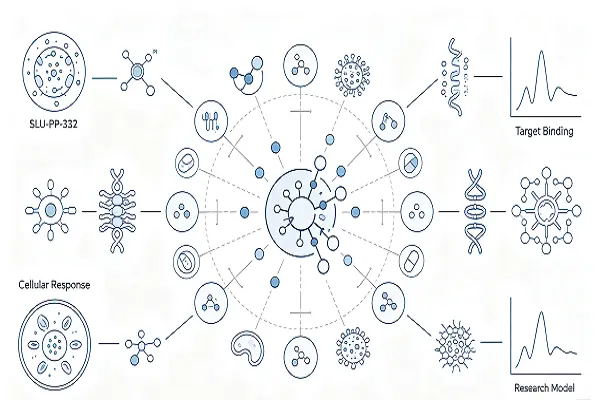
After different ERR isoforms are activated, the downstream gene sets they drive do not completely overlap. ERRα primarily dominates oxidative fiber-related transcriptional programs in skeletal muscle, promoting the transformation of myofibril isoforms towards IIa oxidative fibers; ERRγ is more involved in the regulation of genes related to cardiomyocyte metabolic protection, playing a prominent role in maintaining mitochondrial homeostasis in cardiac tissue; ERRβ is more involved in the metabolic regulation of some endocrine cells. Slu-Pp-332 Powder is a pan-agonist that activates all three isoforms simultaneously. Therefore, in multi-tissue co-culture systems, it can trigger multiple partially overlapping but not entirely consistent transcriptional responses. If target cells simultaneously express multiple ERR isoforms, the final cell phenotype resulting from small molecules is a comprehensive outcome of the activation of multiple receptors, not solely from the ERRα isoform. This explains why, under the same Slu-Pp-332 Powder treatment conditions, the observed phenotypes in skeletal muscle cells and cardiomyocytes are not entirely identical; the expression profile of the cell's own receptor isoforms profoundly influences the final physiological outcome of small molecules.
🔬 Transcriptional reprogramming triggers a shift in cellular energy patterns
Following large-scale upregulation of metabolism-related genes at the nuclear level, a large number of novel functional proteins are translated, gradually reshaping the composition of intracellular organelles and the flow of metabolic substances. The most direct change is the overall enhancement of mitochondrial number and function. In skeletal muscle cells continuously treated with Slu-Pp-332 Powder, upregulated TFAM expression promotes mitochondrial DNA replication, leading to the continuous generation of new mitochondria. Electron microscopy reveals an increase in the total number of mitochondria and a significant expansion of the total surface area of the mitochondrial inner membrane. Simultaneously, the content of oxidative phosphorylation complex proteins increases, the electron transport chain becomes more complete, and the mitochondrial respiration rate increases accordingly. The activity of mitochondrial functional marker enzymes, such as citrate synthase, shows a significant increase. With the overall enhanced mitochondrial respiration capacity, cellular ATP production relies more on mitochondrial oxidative metabolism rather than the anaerobic glycolysis pathway. The cellular energy source shifts, achieving organelle-level changes similar to mitochondrial proliferation after endurance training, even without external mechanical stimulation.
Enhanced fatty acid β-oxidation capacity is another core manifestation of cellular metabolic reprogramming. After the upregulation of expression of fatty acid oxidation-related enzyme proteins, the cells' ability to take up free fatty acids is enhanced, and the number of fatty acid molecules entering the mitochondria for β-oxidation is significantly increased. More fatty acid carbon skeletons enter the tricarboxylic acid cycle for energy supply. The cell's energy substrate selection shifts, and the respiratory exchange ratio decreases, indicating that the cell preferentially uses lipid-derived substrates to produce ATP, resulting in a relatively reduced PMC (progressive cellular metabolism) dependence on glucose consumption. This change occurs internally and does not directly cause the rapid disappearance of large amounts of fat particles in the cell; rather, it enhances the cell's ability to process fatty acid substrates. If the extracellular culture medium has a sufficient supply of fatty acids, the enhanced lipid oxidation phenotype can be fully exhibited; when the external fatty acid concentration is very low, even if oxidase proteins are upregulated, it is difficult to observe significant lipolysis due to a lack of substrate supply. Substrate supply conditions directly affect the final cell phenotype after Slu-Pp-332 Powder treatment, a reality that is easily overlooked in in vitro studies.
Under the signaling drive of Slu-Pp-332 Powder, skeletal muscle cells gradually undergo a shift in myofibril subtypes. Skeletal muscle contains various myofibril subtypes. Type IIa oxidative myofibrils rely more on mitochondrial oxidative metabolism, exhibiting stronger fatigue resistance and corresponding to improved endurance performance. Type IIb glycolytic myofibrils, on the other hand, rely more on anaerobic glycolysis for energy and are prone to rapid fatigue. Continuous intervention with Slu-PP-332 Powder resulted in the sustained output of genes related to oxidative metabolism, driving a shift in myosin heavy chain subtypes within muscle cells, increasing the proportion of Type IIa oxidative myofibrils. This subtype shift enhances the cell's physiological potential for fatigue resistance, which is observed in animals as an increase in exercise duration and distance. It's important to note that this subtype shift is a slow adaptive change, not something that can be completed in a few hours with the addition of a small molecule. It requires continuous, multi-round transcription and translation to accumulate new contractile proteins. Short-term treatments only observe fluctuations at the gene level; only long-term, continuous intervention can reveal measurable changes in fiber subtypes.
In addition to increased mitochondrial numbers and enhanced oxidative metabolism, dynamic changes in oxidative stress also occur within the cell. Mitochondrial respiratory chain activity increases, electron transport rates accelerate, and a small amount of reactive oxygen species are generated. However, the mitochondrial-related proteins that are simultaneously upregulated by Slu-Pp-332 Powder also include some antioxidant protective components. The intracellular antioxidant system is thus simultaneously enhanced, and within the normal effective concentration range, oxidative damage does not accumulate uncontrollably. Only when the concentration of small molecules significantly exceeds the reasonable range, leading to overactivation of the respiratory chain and reactive oxygen species production exceeding the cell's antioxidant buffering capacity, will mitochondrial membrane potential disturbances occur, inducing cellular stress responses. Therefore, when setting the effective concentration, one should not simply pursue higher pathway activation intensity. Excessively high molar concentrations will introduce non-specific oxidative stress interference, confusing the physiological phenotype truly derived from ERR receptor activation. The concentration gradient must cover the entire range from low to high, finding a suitable window that enables pathway activation without inducing cellular stress.
Cells will develop their own adaptive regulation under long-term Slu-Pp-332 Powder intervention. Some cells will downregulate the translation and synthesis of ERR receptor proteins, reducing the total number of receptors in the cell nucleus that can be activated by small molecules, thereby buffering continuous transcriptional stimulation. Some cells adjust the degradation turnover rate of PGC-1α protein, altering the residence time of coactivators in the nucleus and reducing the continuous excessive transcription of downstream genes. Other cells fine-tune the feedback inhibition pathways of mitochondrial-related genes, initiating negative feedback signals once the number of mitochondria reaches a certain level to prevent unlimited organelle proliferation. These multiple negative feedback compensation mechanisms work together, preventing cells from indefinitely increasing mitochondrial numbers and oxidative capacity, ultimately reaching a new metabolic homeostasis. This adaptive phenomenon suggests that when constructing long-term, continuous intervention cell models, it is necessary to periodically monitor the expression levels of ERR receptors, PGC-1α, and mitochondrial markers to promptly identify compensatory adjustments occurring in cells and more rationally interpret various observational indicators obtained from long-term interventions.
✨ Boundary between actual application scenarios and objectively existing effects
In the work related to in vitro cellular pharmacology, Slu‑Pp‑332 Powder primarily serves as a specific tool material for the ERR family nuclear receptor pathway. It is used to artificially construct cell models in which mitochondrial oxidative metabolism is upregulated, allowing for the observation of changes in various downstream indicators following mitochondrial proliferation, fatty acid oxidation, and myofiber type switching. Special attention should be paid to the dissolution step during practical operations. Slu‑Pp‑332 Powder has poor water solubility, necessitating the preparation of a high-concentration stock solution using organic solvents. This stock solution should then be diluted stepwise into the culture system. Strict control of the final concentration of co-solvents is essential to prevent cell stress damage caused by the organic solvents themselves, which could introduce additional interfering variables into the entire system. The expression patterns of ERR receptor subtypes vary significantly among different cells, and some cells have low overall ERR expression levels. Even with increased Slu‑Pp‑332 Powder concentration, full pathway activation may be difficult to achieve. Before formally starting the work, it is necessary to confirm the background expression level of the target cell's ERR receptors. The drug concentration used in other cell systems should not be directly applied to avoid insufficient pathway activation or non-specific cellular perturbations.
In the early development phase of formulations, the physicochemical characteristics of Slu‑PP‑332 Powder, a small molecule, impose significant practical constraints on dosage form design. Due to the insufficient water solubility of this raw material, the development of liquid formulations relies on techniques such as solubilizing excipients and cyclodextrin inclusion to improve dispersion. During storage, exposure to strong light should be avoided to reduce the risk of photooxidative degradation. In the solid processing stage, it is essential to control processing temperature and environmental humidity to minimize the probability of naphthalene ring structure oxidation and deterioration, ensuring that the proportion of active Slu‑Pp‑332 Powder molecules in the finished product remains stable. At the raw material quality control level, oxidative degradation impurities are key control targets. Oxidation products lose receptor activation activity, impurity content increases, and the effective number of molecules decreases under the same input weight, directly leading to a decline in the activity of the finished product. Effective control of impurities in different batches of raw materials and ensuring consistent quality between batches are crucial foundations for achieving stable results in downstream formulation development.

Slu‑Pp‑332 Powder possesses a clear boundary of receptor subtype action. It can activate ERRα, ERRβ, and ERRγ simultaneously, but the activation potency differs significantly among the three, with ERRα being preferentially activated. When the target cells primarily rely on ERRγ to mediate corresponding physiological effects, a higher molar concentration of the small molecule is required to achieve full activation, and only partial pathway output can be achieved at low concentrations. Additionally, Slu‑Pp‑332 Powder can only function in cell systems where ERR receptors are normally expressed. If the target cells lack ERR receptor proteins or if the receptors undergo key site mutations, disrupting the ligand binding groove structure, Slu‑Pp‑332 Powder cannot stably bind and induce an active conformation. Its addition does not bring about changes at the transcriptional level, and there is almost no fluctuation in the cell's metabolic state. It cannot be assumed that the addition of Slu‑Pp‑332 Powder will necessarily enhance mitochondrial function; the intervention effect that can be achieved must be predicted based on the expression background of the target cell receptors.
The substrate supply conditions greatly influence the final phenotype exhibited by Slu‑Pp‑332 Powder. The function of Slu‑Pp‑332 Powder is primarily focused on enhancing the abundance of intracellular oxidation-related enzymes and organelles, which is equivalent to improving the cellular hardware capability for processing lipid substrates. However, it does not create fatty acid substrates out of thin air. When the microenvironment surrounding the cells is abundant in fatty acids, the upregulated oxidation pathway can operate fully, and various indicators of enhanced fatty acid oxidation can be clearly observed. When the external medium is deficient in fatty acids, even if the entire set of oxidase proteins has been upregulated, the lack of substrate input makes it difficult to manifest phenotypes related to lipid decomposition. To fully reproduce the phenotype of enhanced lipid oxidation through corresponding in vitro exploration, a reasonable substrate supply environment is required. This is a prerequisite that cannot be ignored for interpreting relevant cellular data.
Slu‑Pp‑332 Powder is a small molecule belonging to the receptor transcription activation class. It does not directly eliminate intracellular lipid particles, nor does it directly increase the absolute upper limit of cellular ATP production. After an increase in cellular mitochondria, the overall energy output potential is enhanced, but the actual ATP production is still constrained by the combination of nutrient substrates, oxygen supply, and the cell's own physiological state. At the same time, cells can weaken the continuous transcriptional stimulation brought by Slu‑Pp‑332 Powder through multiple compensatory mechanisms such as receptor downregulation, coactivator turnover regulation, and mitochondrial negative feedback pathways. Only by objectively recognizing the full scope of its effects can Slu‑Pp‑332 Powder be reasonably positioned. It is a metabolic pathway tool material targeting the ERR nuclear receptor, not a general mitochondrial enhancer. Only within a system where the target receptor is normally expressed and the substrate supply is suitable can it fully unleash its scientific research and development value.
Conclusion
Slu‑Pp‑332 Powder relies on naphthalene ring skeleton molecules to bind to ERR family nuclear receptors, stabilize the receptor activation conformation, recruit PGC‑1α coactivators to initiate downstream transcriptional programs, promote mitochondrial proliferation and upregulation of fatty acid oxidation pathways, and achieve metabolic reprogramming at the cellular level, mimicking the effects of aerobic exercise. Slu‑PP‑332 Powder exhibits gradient differences in activation efficacy towards different ERR subtypes. The expression level of cellular receptors, external substrate supply conditions, and cellular autologous compensatory regulation all jointly influence the physiological phenotype ultimately output by the small molecule. With the continuous iteration of mitochondrial metabolism-related models and formulation technologies, Slu‑Pp‑332 Powder, as a targeted tool material for the ERR pathway, remains of significant use value in the fields of mitochondrial physiological analysis, metabolic cell model construction, and early-stage formulation development.
Xi'an Faithful BioTech Co., Ltd. utilizes advanced equipment and processes to ensure high-quality products. Our Slu‑PP‑332 Powder meets international pharmaceutical standards. Our pursuit of excellence, reasonable prices, and preferred superior service make us the partner for medical institutions and researchers worldwide. If you require Slu‑Pp‑332 Powder research or production,Please contact us Click email: allen@faithfulbio.com Or WhatsApp: +86 13137770562.
References
- Burris, T. P., et al. (2022). A synthetic ERR agonist alleviates metabolic syndrome without altering food intake or locomotor activity. Molecular Metabolism, 61, 101498.
- Patch, R. J., DeMars, K. M., & Burris, T. P. (2023). Chemical optimization of the exercise mimetic SLU‑PP‑332 enables insight into estrogen‑related receptor signaling. Journal of Medicinal Chemistry, 66(12), 8104‑8118.
- Eichner, L. J., & Giguère, V. (2021). Estrogen‑related receptors: Orphan nuclear receptors at the crossroads of energy homeostasis. Physiological Reviews, 101(3), 1169‑1207.
- Hermance, M., et al. (2024). ERRα‑dependent transcriptional programs mediate skeletal muscle oxidative adaptation. American Journal of Physiology‑Endocrinology and Metabolism, 326(4), E487‑E500.
- Tennessen, J. M., & Burris, T. P. (2023). Exercise mimetics targeting nuclear receptors: Progress and limitations. Pharmacology & Therapeutics, 246, 108423.
- Zhang, Y., et al. (2024). Cardiac ERRγ activation supports mitochondrial function under metabolic stress. Journal of Molecular and Cellular Cardiology, 191, 45‑56.
- Steinbaugh, M. J., et al. (2022). SLU‑PP‑332 drives type IIa fiber remodeling in skeletal muscle independent of AMPK signaling. FASEB Journal, 36(8), e22417.