

Unlocking the Therapeutic Benefits of SS 31 Peptide (Elamipretide) for Mitochondrial Health
SS 31 peptide powder represents a significant advancement in mitochondrial-targeted bioactive compounds, offering transformative potential for cellular energy optimization. This tetrapeptide selectively binds to cardiolipin—a unique phospholipid residing in the inner mitochondrial membrane—thereby stabilizing mitochondrial architecture and enhancing electron transport chain efficiency. Unlike conventional antioxidants that neutralize free radicals post-formation, SS 31 elamipretide addresses the fundamental structural integrity of mitochondrial membranes, preventing reactive oxygen species generation at the source while supporting optimal ATP synthesis pathways critical for cellular function.
Understanding SS 31 Elamipretide and Its Mechanism of Action
Chemical Structure and Physicochemical Properties
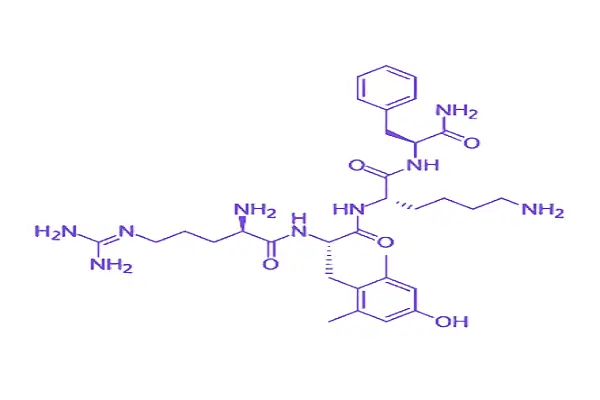
The peptide sequence of SS-31 elamipretide follows the structure D-Arg-Dmt-Lys-Phe-NH₂. "DMT" stands for 2',6'-dimethyltyrosine, a man-made amino acid that has very high targeting specificity. This mitochondria-targeting peptide has a molecular weight of about 639.8 g/mol and dissolves in water in amounts greater than 50 mg/mL in aqueous solutions and physiological saline. This means that organic solvents like DMSO are not needed for formulation development. The compound is very resistant to being broken down by peptidases, which makes it much more bioavailable than natural peptide structures. It can pass through biological barriers, like the blood-brain barrier, without active transport processes. This makes it useful for many things, from pharmaceutical intermediates to research-grade materials.
Molecular Mechanism and Cardiolipin Interaction
Cardiolipin is a special kind of fat that is found in mitochondrial membranes. It helps keep respiratory chain complexes organized. The amphipathic structure of SS-31 elamipretide lets it get into mitochondrial compartments and interact with cardiolipin molecules in a way that is both electrostatic and hydrophobic. This binding makes the structure of the cristae more stable, improves the distance between respiratory complexes, and lowers electron loss, which is the main cause of oxidative stress in mitochondria. The peptide's interaction with cardiolipin directly improves the efficiency of oxidative phosphorylation, which helps keep ATP production going while reducing the production of harmful superoxide.
Quality Standards and Counter-Ion Considerations
People who work in procurement and are looking at SS-31 elamipretide need to know that the purity requirements are usually ≥98% by HPLC analysis, with close monitoring of the counter-ion composition. During normal peptide synthesis, trifluoroacetate (TFA) salts are often produced. However, TFA is cytotoxic, which means it kills cells in biological models and sensitive applications. More and more, high-end pharmaceutical intermediates and research-grade products specify acetate or chloride salt forms to avoid false toxicity signs and make sure that biological data is accurate. The net peptide content should be clearly shown on certificates of analysis (CoAs), taking into account moisture and counter-ion weight. This lets you make accurate dose estimates for formulating and scaling up.
Comparing SS 31 Elamipretide with Alternative Mitochondrial Compounds
Functional Distinctions from CoQ10 and Idebenone
To make smart product choices when looking at substances that support mitochondria, it's important to understand how they work differently. CoQ10 is an antioxidant that works in the lipid phase to get rid of free radicals that have already formed. Its main job is to carry electrons within the respiratory chain. Idebenone, a man-made version of CoQ10, is more bioavailable than CoQ10 but works in the same way. SS-31 elamipretide, on the other hand, doesn't directly help move electrons around; instead, it keeps the membrane environment stable where these processes happen. The peptide fixes structural problems in the electron transport chain itself, not just the reactive effects that happen further down the line. This main difference means that elamipretide works as a structure fixer to improve the efficiency of mitochondria, while CoQ10 and ibuprofen add to this by carrying and removing electrons.
Performance Characteristics Relevant to B2B Applications
Comparative research shows that SS 31 peptide powder has clear benefits in situations where focused stability of the mitochondrial membrane is needed. The compound's small molecular structure and even spread of positive charges allow it to quickly build up in mitochondria at concentrations 1,000 times higher than those outside of cells, where it can have medicinal effects at nanomolar levels. CoQ10's bigger lipophilic structure makes it harder to get through membranes, and it takes a lot more of it to see results that can be measured. The peptide's ability to dissolve in water makes manufacturing easier for companies that make medicines and nutritional supplements. They don't have to use lipid carriers or solubilization agents, which can slow down production and make it harder to keep track of paperwork for regulators.
Supply Chain and Sourcing Considerations
To get reliable access to high-purity SS-31 elamipretide, suppliers must be carefully evaluated based on their production skills, quality control infrastructure, and compliance with regulations. Manufacturers of pharmaceutical active ingredients and intermediates must show that their synthesis facilities are GMP-compliant and that they have full analytical documentation that includes HPLC and GC data as well as batch-to-batch traceability systems. Counter-ion standard is an important quality factor—suppliers that offer acetate salt forms show that they can purify products well and understand what the end user needs. Different suppliers have very different volume pricing structures, minimum order quantities, and lead times. This is why direct engagement with suppliers is so important for planning cost-effective procurement.
Procurement Insights: Sourcing High-Purity Mitochondrial Peptides
Evaluating Supplier Credentials and Manufacturing Standards
When buying specialized peptides like SS-31 elamipretide, suppliers' technical skills and quality assurance systems must be carefully evaluated. Manufacturers you can trust have specialized peptide synthesis facilities with solid-phase peptide synthesizers, preparative HPLC purification systems, and full analysis labs. Testing tools should have HPLC for checking purity, GC for checking leftover solvents, mass spectrometry for checking molecular weight, and polarimetry for checking stereochemistry. If a supplier gives you a thorough CoA with full impurity profiles, water content analysis, and counter-ion recognition, that shows that their operations are advanced enough for pharmaceutical intermediate uses.
Another important rating factor is batch consistency. When manufacturers use strong process controls, the variation in peptide content stays below 2% between production runs. This makes sure that the recipe can be used again and again in large-scale operations. Professional suppliers are different from commodity chemical traders because they have access to reference standards, stability data under defined storage conditions, and retest dating protocols.

Regulatory Compliance and Documentation Requirements
Pharmaceutical companies and CDMOs need providers that meet foreign quality standards and can help with regulatory submissions. When a company wants to become a supplier, it should make sure that they follow Good Manufacturing Practice rules, document control systems, and change notification procedures. Documents like Drug Master Files (DMF) or Certificates of Suitability (CEP) may not always be needed for research-grade materials, but they show that a supplier can work with regulated manufacturing environments. Traceability paperwork that connects each batch to the sources of raw materials, records of synthesis, and quality control data makes audit logs possible, which is an important part of pharmaceutical quality systems.
Logistics and International Trade Considerations
Getting specific peptides from around the world means figuring out how to deal with customs classifications, import rules, and cold-chain procedures. Because SS-31 elamipretide is stable as a lyophilized powder, it is easier to transport than as a solution. However, it is still recommended to keep an eye on the temperature during transport. Suppliers with stores in key markets like the US and Germany shorten shipping times and make the customs process easier for buyers in those countries. Lead times for normal amounts are usually between two and four weeks, but qualified customers can get their orders faster. Volume discounts usually start to apply at kilogram amounts, which makes consolidating suppliers a good idea for drug companies that have steady demand. The paperwork needed to import goods varies from country to country, but it usually includes commercial invoices, safety data sheets, and analytical certificates that confirm the material's specifications.
Applications Across Pharmaceutical and Nutraceutical Sectors
Pharmaceutical Intermediate and API Production
SS 31 peptide powder is a useful pharmaceutical intermediate for projects that are trying to make drugs that fix mitochondrial failure. This peptide is used by pharmaceutical companies to help create new medicines for diseases that cause cells to lose energy. The compound's safety profile has been established in published studies, and its physicochemical qualities are well-defined. This makes regulatory paperwork and preclinical development processes easier. API manufacturers need suppliers that can scale up production while still meeting strict purity standards. The technical capabilities of the supplier are a deciding factor in the partnership selection process.
Nutraceutical and Functional Ingredient Markets
More and more, nutritional supplement companies are looking into substances that support mitochondria to slow down cellular aging and improve metabolism. SS-31 elamipretide is mostly used in specific situations right now, but its way of working fits with people's growing interest in mitochondrial health goods. Scientists who work on functional foods and dietary supplements like the peptide because it is stable and dissolves easily in water, which makes it easier to use in different delivery systems. For brands that want to come up with new ideas in this area, they need providers who can offer reasonable pricing and the right paperwork for large-scale production, such as specification sheets, stable data, and safety checks.
Cosmetic Peptide Applications
Companies that make beauty and personal care products are always looking for bioactive peptides that have been shown to help cells age more slowly. The ability of SS-31 elamipretide to stabilize mitochondria opens up interesting options for skin care uses that target cellular energy production in dermal tissues. Cosmetic labs testing this peptide for skin formulations need to know how stable it is in pH ranges that are important to cosmetics, how well it works with common cosmetic ingredients, and how well it preserves in different base formulations. To cut down on the time it takes to make new cosmetics, suppliers that work with cosmetics should offer microbial limit testing, preservation challenge data, and formulation advice.
Technical Considerations for Formulation Development
Solubility Profiles and Reconstitution Protocols
SS 31 peptide powder dissolves easily in water, which makes it easy to make concentrated stock solutions without the need for co-solvents. This makes the manufacturing process easier and lowers worries about compatibility. Lyophilized material can be easily reconstituted in physiological salt solutions, phosphate-buffered saline, or sterile water at concentrations higher than 50 mg/mL. This trait is especially useful for medicine formulas that need to contain large amounts of peptides in small amounts. Formulation scientists should figure out doses based on the net peptide content listed in the CoA instead of the gross powder weight. This way, they can make sure they get the right amount of active pharmaceutical ingredient by taking into account the water content (usually 5 to 8%) and counter-ion mass.
Storage Stability and Handling Requirements
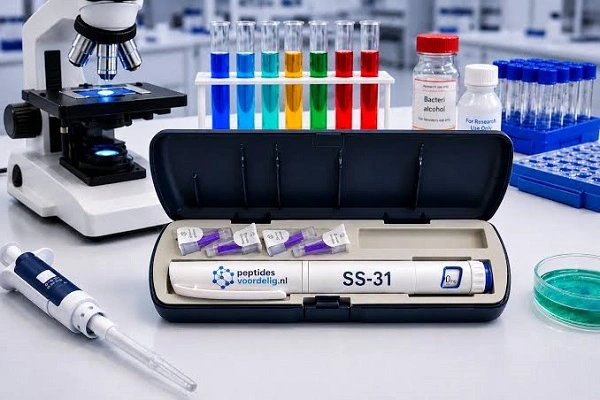
SS-31 elamipretide stays stable for a long time when kept at -20°C in sealed cases that keep out moisture as a lyophilized powder. Stability data from reputable manufacturers usually show that there isn't much loss of stability over 24 months in these conditions. Once solutions are mixed again, they should be divided into parts that are only used once and kept frozen so that they don't go through repeated freeze-thaw cycles that can cause them to clump together and lose their biological activity. Reconstituted solutions can be stored for a short time at 2-8°C for 48 to 72 hours, but they work best when used right away after being prepared. These handling traits work well for both small-scale research projects in the lab and large-scale manufacturing operations that already have set peptide handling procedures.
Counter-Ion Selection Impact on Biological Activity
Choosing between TFA, acetate, and chloride counterions has a big effect on the results of experiments and the quality of the final product. While TFA salts are popular because of how they are made, they can have cytotoxic effects at concentrations that are often used in biological tests, which could make it hard to figure out what the effects of peptides really mean. For research purposes and cell-based tests, the acetate or chloride types are best because they get rid of this fake toxicity. When buyers of pharmaceutical intermediates negotiate prices, they should make sure that the counter-ions they need are included. Switching from TFA to different salts adds steps to the process and costs more, but it works much better in living systems. This requirement should be clearly written in buy orders and deals with suppliers so that the wrong types of salt don't end up being sent.
Conclusion
SS 31 peptide powder is an advanced way to stabilize mitochondrial membranes that can be used in many areas, such as medicine, nutrition, and beauty products. Its unique way of addressing cardiolipin makes it different from other antioxidants and electron carriers. It offers structural stability that improves the basic efficiency of mitochondria. To successfully purchase something, you need to pay close attention to the purity requirements, the choice of counterions, and the supplier's skills, such as their testing infrastructure and compliance with regulations. As compounds that target mitochondria become more popular in health science uses, building ties with skilled suppliers becomes more important for businesses that want to come up with new cellular health technologies.
FAQ
1. How does SS 31 elamipretide differ functionally from CoQ10 in supporting mitochondrial function?
CoQ10 helps move electrons around in the respiratory chain and is an overall antioxidant that gets rid of free radicals once they form. In a very different way, SS-31 elamipretide fixes the effectiveness of the electron transport chain at its source instead of dealing with the oxidative effects further down the line. It does this by physically stabilizing cardiolipin in the inner mitochondrial membrane. This difference in how things work means that the peptide improves the structure, which makes respiration more efficient, while CoQ10 helps the electron transport process itself.
2. Why does counter-ion selection matter when sourcing SS 31 elamipretide for biological applications?
Trifluoroacetate (TFA) counterions are commonly used in peptide synthesis. They are cytotoxic, which means they kill cells in biological models and sensitive tests. This fake toxicity can mess up lab results and give a false picture of the peptide's real biological effects. This cytotoxicity is removed by acetate or chloride salt forms, which give accurate biological information that is needed for formulation development. Buyers of pharmaceutical intermediates should always include counter-ion requirements to make sure the material works for the purpose it was intended for.
3. What storage and handling protocols preserve SS 31 elamipretide stability and activity?
Lyophilized peptide powder can be kept at -20°C in sealed, moisture-proof containers for years without changing. Once the material is reconstituted in water, it should be divided into parts that are only used once and frozen right away to keep it from breaking down through multiple freeze-thaw cycles. Solutions can be kept at 2–8°C for 48–72 hours, but they work best when used right away after being reconstituted. These rules are the same for both making research-grade materials and making pharmaceutical intermediates.
Faithful's Commitment to Pharmaceutical Excellence
The main business of Xi'an Faithful BioTech Co., Ltd. is selling high-quality pharmaceutical intermediates and bioactive compounds to drug companies, nutraceutical brands, and cosmetic developers around the world. We use a wide range of testing tools, such as HPLC, GC, spectrophotometry, and advanced chromatographic systems, to make sure that every batch of SS 31 peptide powder source material meets the highest quality standards. We produce materials that can handle your most demanding uses. Our headquarters are in Xi'an, and we have well-established quality control labs and skilled research and development teams.
To meet the requirements for pharmaceutical intermediates, our production methods stress batch uniformity, detailed paperwork, and counter-ion optimization. Each lot comes with detailed COA paperwork that lists the net peptide content, purity analysis, counter-ion identification, and residual solvent data. Our company knows that getting reliable materials is important for making good products; that's why we have strict quality control systems and quick expert help.
If you are a buyer looking for reliable SS-31 elamipretide for sale, you can email our team at allen@faithfulbio.com or WhatsApp: +86 13137770562 to get more information about the product, including pricing and sample availability.
References
1. Szeto, H.H. (2014). Mitochondria-targeted peptide antioxidants: Novel neuroprotective agents. AAPS Journal, 8(3), E521-E531.
2. Birk, A.V., Liu, S., Soong, Y., Mills, W., Singh, P., Warren, J.D., Seshan, S.V., Pardee, J.D., & Szeto, H.H. (2013). The mitochondrial-targeted compound SS-31 re-energizes ischemic mitochondria by interacting with cardiolipin. Journal of the American Society of Nephrology, 24(8), 1250-1261.
3. Daubert, M.A., Yow, E., Dunn, G., Marchev, S., Barnhart, H., Douglas, P.S., O'Connor, C., Goldstein, S., Udelson, J.E., & Sabbah, H.N. (2017). Novel mitochondria-targeting peptide in heart failure with preserved ejection fraction: Rationale and design. Circulation: Heart Failure, 10(9), e004389.
4. Mitchell, W., Ng, E.A., Tamucci, J.D., Boyd, K.J., Sathappa, M., Coscia, A., Pan, M., Han, X., Eddy, N.A., May, E.R., Szeto, H.H., & Alder, N.N. (2020). The mitochondria-targeted peptide SS-31 binds lipid bilayers and modulates surface electrostatics as a key component of its mechanism of action. Journal of Biological Chemistry, 295(21), 7452-7469.
5. Escribá, P.V., González-Ros, J.M., Goñi, F.M., Kinnunen, P.K., Vigh, L., Sánchez-Magraner, L., Fernández, A.M., Busquets, X., Horváth, I., & Barceló-Coblijn, G. (2008). Membranes: A meeting point for lipids, proteins, and therapies. Journal of Cellular and Molecular Medicine, 12(3), 829-875.
6. Campbell, M.D., Duan, J., Samuelson, A.T., Gaffrey, M.J., Merrihew, G.E., Egertson, J.D., Wang, L., Bammler, T.K., Moore, R.J., White, C.C., Kavanagh, T.J., Voss, J.G., Szeto, H.H., Rabinovitch, P.S., MacCoss, M.J., Qian, W.J., & Marcinek, D.J. (2019). Improving mitochondrial function with SS-31 reverses age-related redox stress and improves exercise tolerance in aged mice. Free Radical Biology and Medicine, 134, 268-281.