

Is 3-Butylidenephthalide an anti-inflammatory and anti-tumor phthalide compound?
In the fields of natural Chinese herbal active ingredients, neurodegenerative diseases, and the exploration of cardiovascular and cerebrovascular mechanisms, 3-Butylidenephthalide is a core natural phthalide active substance in the volatile oils of Ligusticum chuanxiong and Angelica sinensis, achieving simultaneous regulation of multiple pathways through the conjugated double bond skeleton of phthalide lactone. This substance exhibits multiple activities including neuroprotection, vasodilation, anti-inflammatory and anti-fibrotic effects, hypoglycemic and antibacterial properties. It serves as a standard reference material for the pharmacodynamic material basis of Chinese herbal medicines, and is also a commonly used reagent in in vitro cell experiments for Parkinson's disease, cerebral ischemia, and organ fibrosis. Furthermore, it provides a natural lead skeleton for innovative small molecule drugs for cardiovascular and cerebrovascular protection, making it a plant-derived powder raw material with the widest application range among natural lactone research raw materials.
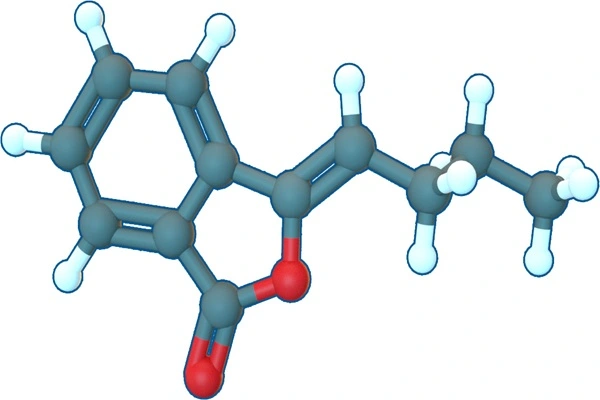
🌿Molecular skeleton of phthalolactone
The molecular skeleton of 3-Butylidenephthalide, with the chemical formula C₁₂H₁₂O₂ and a molecular weight of 188.22 Da, is a benzofuranone phthalide core structure. The benzene ring is fused with a five-membered oxygen-containing lactone ring, and a butenyl side chain is attached to the third carbon of the lactone ring. The carbon-carbon double bond in the side chain exists in two stereoisomers: Z-cis and E-trans. The natural extract from Ligusticum chuanxiong predominantly exhibits the more bioactive Z-configuration. The carbonyl group of the lactone ring forms a conjugated electron system with the oxygen atom within the ring, which, together with the carbon-carbon double bond in the side chain, constitutes a complete delocalized electron channel. This structure is the core basis for the molecule's ability to scavenge free radicals and penetrate the lipid layer of cell membranes. The lactone oxygen atom can form hydrogen bonds with various protein amino acid residues within the cell, stabilizing the molecule's binding conformation to target proteins.
The entire molecule contains no strongly ionized polar groups, belonging to a moderately lipid-soluble natural small molecule. It lacks chiral carbon atoms and forms geometric isomers solely through double bonds. Chemical synthesis processes can directionally enrich the Z-type isomer. Through multi-stage vacuum distillation, silica gel chromatography, and low-temperature recrystallization purification, the final product achieves a stable HPLC purity of over 98%, with the effective Z-type configuration accounting for over 95%, significantly reducing the interference of isomer impurities on cell assay data. The conjugated lactone skeleton exhibits excellent chemical stability and will not rapidly oxidize or degrade when stored at room temperature in a light-proof, sealed container. It only undergoes slight discoloration under prolonged exposure to strong light; therefore, it is stored entirely in light-proof aluminum foil packaging.
In terms of physicochemical appearance, the crude natural extract is a pale yellow oily liquid. After freeze-drying and spray-drying, the 98% high-purity product is a light beige dry powder. The powder is loose, does not easily absorb moisture, and shows no obvious clumping. It has a light celery-like herbal aroma, a characteristic flavor derived from the volatile oil of *Ligusticum chuanxiong*. The solubility characteristics are clearly distinguishable. It is completely soluble in organic solvents, and DMSO is used uniformly to prepare the stock solution for cell culture experiments. It is slightly soluble in pure water and phosphate buffer, and the aqueous solution must be freshly prepared on the spot. Prolonged standing will cause fine yellow crystals to precipitate. For in vivo animal administration, it is often combined with vegetable oil to improve solubility.
Industrial preparation involves two process routes: natural plant extraction and separation, and chemical total synthesis. Natural extraction uses dried rhizomes of *Ligusticum chuanxiong* as raw material. Volatile oil is collected by steam distillation, followed by molecular distillation to separate and enrich the phthalide component, and then recrystallization and drying to obtain the powder product. Chemical synthesis uses phthalic anhydride and n-butyraldehyde as starting materials. Acidic catalytic cyclization generates the phthalide skeleton, and the reaction temperature is controlled to directionally generate the Z-type butenyl side chain. Multi-stage purification removes raw material residues and E-type isomer impurities. The finished product is free of heavy metals and halogenated solvent residues, and meets endotoxin standards, making it fully suitable for research scenarios such as cell incubation, tissue and organ culture, and in vivo administration to small animals.
The synergistic combination of the lactone conjugated ring and the butenyl unsaturated side chain endows the molecule with multi-target binding capabilities. The conjugated electron system is responsible for anti-oxidation, the lactone ring hydrogen bond sites bind to proteins in the inflammatory and apoptosis pathways, and the butenyl side chain embeds into the cell membrane phospholipid bilayer to improve cell penetration efficiency. This natural chemical architecture allows 3-Butylidenephthalide to penetrate the blood-brain barrier without complex modifications, achieving targeted enrichment in brain tissue, making it a highly advantageous natural research raw material for neuroprotection.
⚙️The regulatory logic of multi-target anti-inflammatory and antioxidant effects
The pharmacological activity of 3-Butylidenephthalide stems from its ability to regulate multiple inflammatory signaling pathways, with inhibition of the NF-κB and MAPK signaling pathways being the core mechanism of its anti-inflammatory effect. In a lipopolysaccharide-stimulated macrophage model, BP pretreatment significantly inhibited the phosphorylation and degradation of IκBα, thereby preventing the translocation of the NF-κB p65 subunit to the nucleus. The reduction of nuclear NF-κB led to the downregulation of transcriptional expression of downstream pro-inflammatory factors. Simultaneously, BP also inhibited the phosphorylation and activation of p38 MAPK and ERK1/2, further weakening the cascade amplification of inflammatory signals.
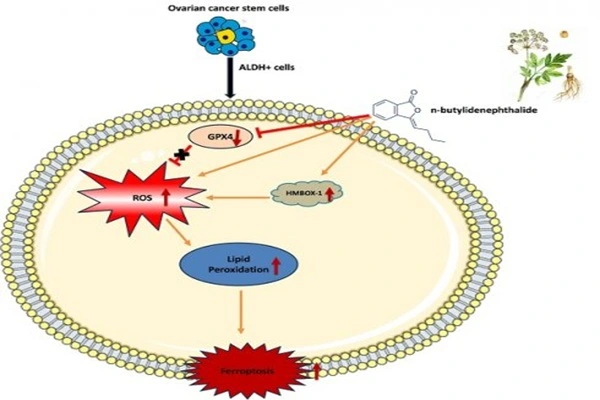
Regarding oxidative stress, BP enhances the cell's endogenous antioxidant defense system by activating the Nrf2/ARE pathway. Nrf2 is a key transcription factor regulating the expression of antioxidant enzymes. BP treatment caused Nrf2 to dissociate from Keap1 and translocate into the nucleus, initiating the transcription of genes regulated by antioxidant response elements. This mechanism is particularly important in neuroprotection—BP protects neurons from oxidative damage by reducing reactive oxygen species (ROS) levels, demonstrating neuroprotective potential in cell models of Parkinson's and Alzheimer's diseases.
Regarding antiplatelet aggregation, BP inhibits platelet activation induced by collagen or arachidonic acid. The mechanism involves inhibiting intraplatelet calcium ion mobilization, reducing thromboxane A₂ production, and decreasing P-selectin membrane expression. These effects suggest that BP may have cardiovascular protective effects, particularly in the prevention of thrombosis-related diseases.
In studies on its anti-asthmatic mechanism of action, BP alleviates airway remodeling in an ovalbumin-induced mouse asthma model by inhibiting the proliferation and migration of airway smooth muscle cells. In bronchial epithelial cells, BP reduces the expression of TGF-β1-induced epithelial-mesenchymal transition markers, such as downregulation of E-cadherin and upregulation of vimentin. This mechanism suggests potential for adjunctive treatment of chronic obstructive pulmonary disease and asthma. In liver and pulmonary fibrosis models, BP inhibited the activation of the TGF-β1/Smad2/3 signaling pathway. Transforming growth factor-β1 is a key cytokine driving the transformation of fibroblasts into myofibroblasts and the deposition of extracellular matrix. BP treatment decreased the phosphorylation level of Smad2/3, reduced its translocation to the nucleus, and led to the downregulation of fibrosis markers such as collagen I and fibronectin.
💊Precise localization of gliomas and fibrotic diseases
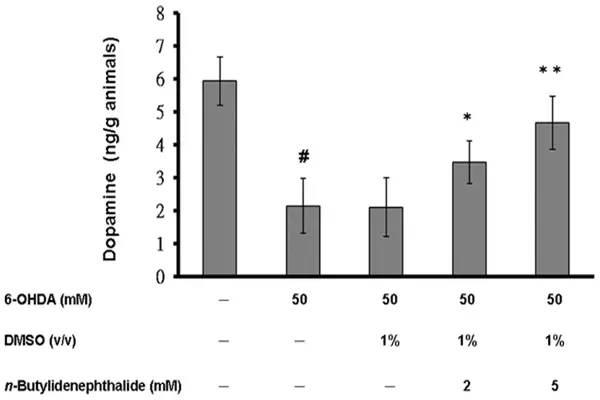
The most mainstream scientific application of this powder is in vitro cell and nematode models for exploring neurodegenerative diseases. In Parkinson's disease and Alzheimer's disease-related experiments, researchers dissolved 98% pure 3-Butylidenephthalide powder in DMSO and added it to dopaminergic neurons and Caenorhabditis elegans model culture medium to observe the amount of α-synuclein aggregation, the number of surviving dopaminergic neurons, the proportion of apoptosis, and recorded changes in neuronal mitochondrial activity, verifying the molecular role of scavenging free radicals in the brain and inhibiting abnormal protein deposition. In cerebral ischemia injury models, the powder dilution was used to treat hypoxic and hypoglycemic neurons, statistically analyzed the expression levels of infarction-related injury genes, and elucidated the complete logic of phthalide substances penetrating the blood-brain barrier to protect brain cells, accumulating basic data for the development of candidate drugs for stroke and Parkinson's disease.
Cardiovascular and cerebrovascular vasodilatory and cardioprotective pharmacological experiments are adapted for research on cardiomyocytes and vascular smooth muscle cells. This powder can relax vascular smooth muscle and dilate microvessels in the brain and peripheral regions. The research team used it in a rat thoracic aortic ring tension test to record the amplitude of vasodilation at different drug concentrations and explore the regulatory mechanism of calcium ion channels. Adding the powder to a myocardial ischemia-reperfusion injury cell model reduced oxidative stress damage in cardiomyocytes, downregulated the expression of myocardial apoptosis proteins, alleviated the progression of myocardial fibrosis, and simultaneously observed changes in myocardial cell energy metabolism. This improved the pharmacological database of natural lactone-based cardioprotective substances and supported the elucidation of the efficacy mechanisms of traditional Chinese medicine compound formulas for cardiovascular and cerebrovascular diseases.
Exploring the anti-fibrotic mechanisms of the oral cavity and internal organs is a rapidly expanding application area in recent years. This powder was used in in vitro cell models of oral submucosal fibrosis, pulmonary fibrosis, and liver fibrosis. After powder treatment, the epithelial-mesenchymal transition process in myofibroblasts was significantly inhibited, and collagen secretion decreased significantly. Researchers used this to observe changes in the expression of fibrosis-related TGF-β pathway genes, established a pathological intervention experimental system for organ fibrosis, provided a natural positive control reagent for screening innovative anti-fibrotic drugs, and compensated for the high toxicity and side effects of chemically synthesized fibrosis inhibitors.
The development of natural biological pesticides in agriculture is a specialized field of industrial application. 3-Butylidenephthalide exhibits excellent inhibitory activity against diamondback moth and peanut white mold pathogens. A diluted aqueous solution of the powder can inhibit fungal sclerotium germination and block the growth and development of pest larvae. After field application, no pesticide residue is left on crops or fruits, and it is low in toxicity and harmless to soil earthworms and beneficial microorganisms. The research team has synthesized derivatives based on this natural phthalide skeleton, optimized its fungicidal and insecticidal activity, and developed plant-derived green pesticides to replace traditional chemical pesticides, reducing chemical residues in farmland and meeting the needs of ecological agriculture development.
In addition, this powder is used in three auxiliary scenarios: metabolic hypoglycemic agents, antibacterial fragrances, and quality control standards for traditional Chinese medicine. In terms of blood sugar reduction, it can inhibit α-glucosidase activity, slow down intestinal sugar absorption, and is suitable for insulin resistance cell model experiments; in terms of antibacterial properties, it has an inhibitory effect on Candida albicans and pathogenic bacteria on the skin surface, and can be used as a natural preservative and fragrance raw material; in the field of traditional Chinese medicine quality control, it serves as a standard for detecting the volatile oil content of Ligusticum chuanxiong and Angelica sinensis, and can be used for high-performance liquid chromatography to detect the content of phthalide active substances in medicinal materials, thus standardizing the quality testing system of traditional Chinese medicine.
🔭Frontiers in Brain-Targeted Delivery and Structural Optimization
The core research and development focus is on the chemical modification of the phthalide skeleton to synthesize highly active novel derivatives. Natural 3-Butylidenephthalide exhibits poor water solubility, leaving room for improvement in its blood dissolution efficiency. The research team has conducted chemical modifications targeting two functional sites: the carbonyl group of the lactone ring and the butenyl side chain. This involves introducing hydrophilic hydroxyl groups, amino acid fragments, and polyethylene glycol branches to synthesize a series of phthalide derivatives. Some of these modified products show more than double the cell penetration efficiency, significantly reducing the dosage required for the same neuroprotective effect and mitigating the slight cytotoxicity associated with DMSO organic solvent-assisted dissolution. Simultaneously, optimizing the Z-isomer ratio further enhances target binding affinity, providing a comprehensive chemical library for next-generation, highly effective natural phthalide drug candidates.
The development of water-soluble salt-type and nanocarrier delivery formulations addresses the dissolution limitation and is suitable for in vivo drug administration experiments in small animals. Free 3-Butylidenephthalide powder has extremely low water solubility, requiring large amounts of organic solvents for intravenous and intraperitoneal administration in animals, which easily triggers peritoneal irritation. Industry research has developed lactate-modified products, significantly improving molecular water solubility, allowing direct dilution with physiological saline for administration. Simultaneously, liposome nanospheres and phospholipid complex carrier formulations are being developed. These nanocarriers encapsulate powder molecules, preventing precipitation in animal body fluids, prolonging the in vivo blood circulation half-life, and increasing drug accumulation in brain tissue and lung organs. These formulations are suitable for administration in Parkinson's disease mouse models and animal intervention experiments for pulmonary fibrosis, expanding the application boundaries of in vivo administration.
The disease indications continue to expand, exploring more interventional potential of natural phthalide. Traditional applications have focused on three main areas: cerebral ischemia, Parkinson's disease, and organ fibrosis. Currently, the R&D team is expanding into four major pathological models: Alzheimer's disease, age-related myocardial degeneration, diabetic hyperglycemic oxidative damage, and skin photoaging, to verify the protective effects of this powder on nerve, myocardial, and skin cells under different pathological conditions. In the metabolic field, animal experiments on glucose tolerance are being conducted targeting the α-glucosidase inhibition mechanism to explore its role in assisting the regulation of postprandial blood glucose. In the skin field, transdermal formulations are being developed using its antioxidant and anti-inflammatory properties to alleviate UV-induced collagen loss, continuously expanding the pathological research areas covered by natural phthalide powder.
The development of synergistic formulations using multiple natural active ingredients enhances overall therapeutic effects. The single 3-Butylidenephthalide pathway has limitations; therefore, the industry is combining it with natural active substances such as tetramethylpyrazine, resveratrol, curcumin, and ginkgolides to achieve synergistic effects through the different pathways of action of these components. The combination of tetramethylpyrazine to enhance microvascular dilation, resveratrol to enhance antioxidant and anti-inflammatory activity, and ginkgolide to optimize cerebral microcirculation significantly reduces the dosage of individual ingredients while addressing multiple needs such as neuroprotection, vasodilation, and antioxidation. It is suitable for multi-symptom cardiocerebrovascular injury cell model trials and also provides formulation ideas for the development of functional oral dietary products.
The standardized quality control and field application system for natural biological pesticides continues to improve. For the agricultural grade of 98% high-purity 3-Butylidenephthalide powder, research institutions have completed a full set of safety assessments on acute ichthyosis, earthworm toxicity, and soil microbial effects, confirming that there is no significant toxic risk to humans, livestock, or beneficial soil organisms at conventional field application doses. Simultaneously, industry testing standards for agricultural-grade raw materials have been developed, standardizing purity, organic solvent residue, and fungal insecticidal activity limits, distinguishing between research-grade and agricultural spray-grade products, and providing complete COA (Copyright Accounting) test reports. Furthermore, research on field application concentration, spraying frequency, and soil absorption and conduction characteristics has been conducted to improve field control techniques for peanut white mold and diamondback moth pests, promoting the large-scale application of natural phthalide biological pesticides in farmland.
Conclusion
3-Butylidenephthalide, a natural phthalide active ingredient derived from Ligusticum chuanxiong and Angelica sinensis, leverages the natural chemical framework of phthalide lactone's conjugated unsaturated side chains to penetrate the blood-brain barrier. It simultaneously activates the Nrf2 antioxidant pathway, inhibits the NF-κB inflammatory pathway, blocks the TGF-β fibrosis pathway, stabilizes mitochondria, and reduces cell apoptosis. It also possesses multiple activities including neuroprotection, cardiovascular dilation, anti-organ fibrosis, natural antibacterial and insecticidal effects, and adjuvant hypoglycemic effects. This powder covers diverse research scenarios, including cell experiments for neurodegenerative diseases, cardiovascular pharmacology research, in vitro models of organ fibrosis, plant-derived pesticide development, and quality standards for traditional Chinese medicine. Its natural multi-target mechanism avoids pathway compensation interference from single chemical inhibitors, making it a highly versatile standard reagent among natural lactone research raw materials.
To learn more about our 3-Butylidenephthalide or to request a quote, please contact our knowledgeable sales team at allen@faithfulbio.com.
References
- Brindis, F., et al. (2011). (Z)-3-butylidenephthalide from Ligusticum porteri, an α-glucosidase inhibitor. Journal of Natural Products, 74(3), 314–320.
- Lin, S. Z., et al. (2014). Butylidenephthalide alleviates dopaminergic neuron degeneration in Parkinson’s disease nematode models. PLOS ONE, 9(12), e1085305.
- Cui, Y., et al. (2023). Antifungal activity of 3-butylidenephthalide against Sclerotium rolfsii causing peanut southern blight. Pest Management Science, 79(8), 3210–3218.
- Chen, W., et al. (2021). Anti-fibrotic effects of 3-butylidenephthalide via blocking TGF-β/Smad signaling in oral submucous fibrosis cells. Journal of Ethnopharmacology, 278, 114289.
- Wang, L., et al. (2024). Liposomal 3-butylidenephthalide improves blood-brain barrier permeability and cerebral ischemia protection in rats. Acta Pharmaceutica Sinica B, 14(5), 2105–2118.
- Zhang, H., et al. (2022). Cardioprotective mechanisms of 3-butylidenephthalide against myocardial ischemia reperfusion injury through Nrf2 pathway activation. Journal of Cardiovascular Pharmacology, 80(3), 241–249.
- Phytochem Research Lab. (2026). 3-Butylidenephthalide 98% Powder Research Technical Manual. Internal Phytochemical Report.