
Is 5-Amino-1MQ the key to unlocking the fat problem?
5-Amino-1MQ, chemically named 5-amino-1-methylquinoline iodide, is a novel small molecule compound that has attracted widespread attention in the field of metabolic research in recent years. As a selective inhibitor of nicotinamide N-methyltransferase, it achieves a metabolic shift from "energy storage" to "energy consumption" through a clever mechanism of action—increasing intracellular NAD+ levels and activating the SIRT1 longevity protein pathway.
Chemical Wisdom in the Quinoline Skeleton and the Properties of the Active Pharmaceutical Ingredient
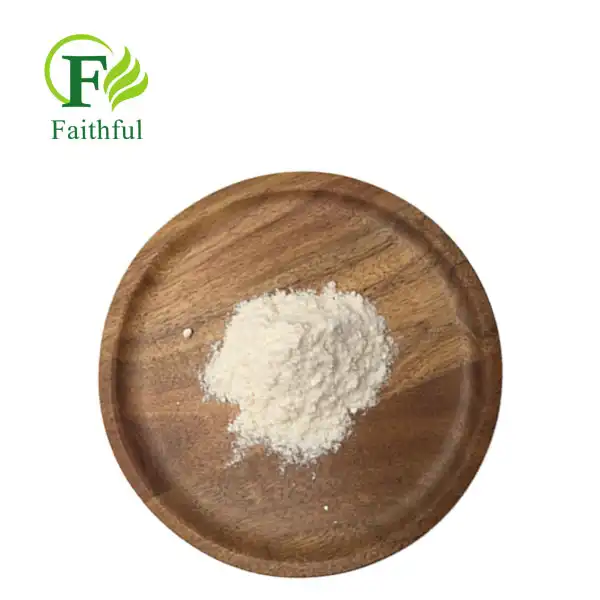
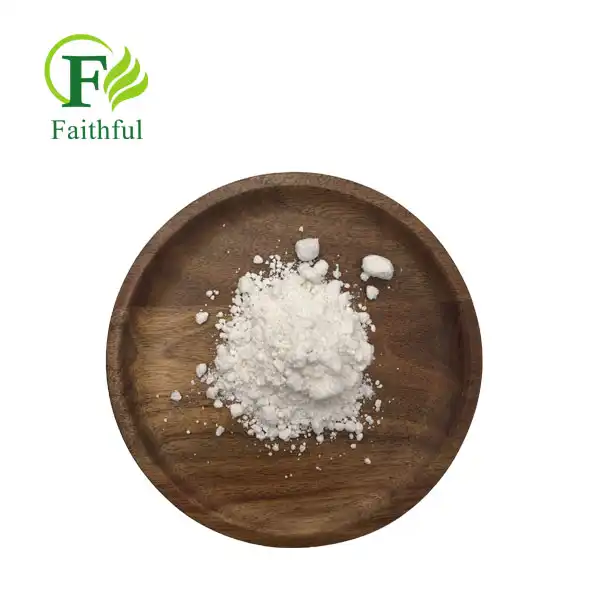
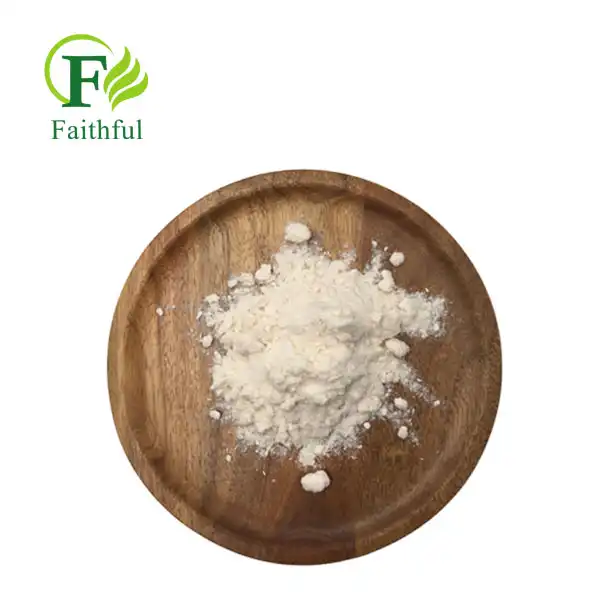
5-Amino-1MQ is a cationic small molecule inhibitor. Its chemical name is 5-amino-1-methylquinoline-1-onium iodide, with the molecular formula C₁₀H₁₁N₂・I and a molecular weight of 286.11 g/mol. It appears as a light red to dark brown crystalline powder, with a pharmaceutical-grade purity ≥98.0%. Its molecule consists of three core modules: a 1-methylquinolineonium core, a 5-amino substituent, and an iodide anti-charge ion, exhibiting a planar aromatic conjugated structure that combines cationic properties with hydrogen bond donor capability.
From a physicochemical perspective, 5-Amino-1MQ has a melting point of 213–214 °C, is readily soluble in DMSO, and slightly soluble in water. Through salt formation optimization, its water solubility can be improved to >20 mg/mL, meeting the requirements for injectable and oral formulation development. Its molecular LogP value is about 1.2, and it has both moderate lipid solubility and water solubility, which ensures cell membrane permeability and in vivo distribution efficiency, and is the structural basis for its becoming a high-quality pharmaceutical raw material.
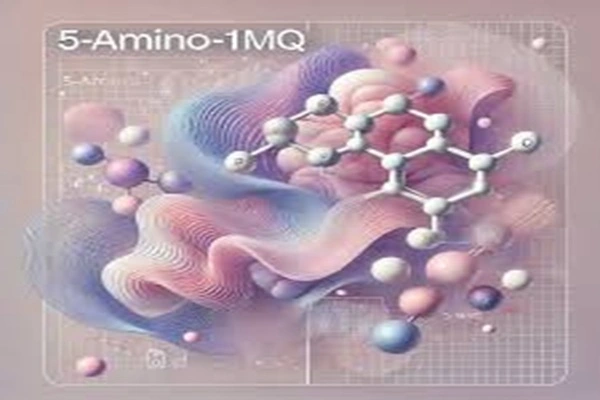
The molecular design of 5-Amino-1MQ has two key pharmacological considerations: membrane permeability and target selectivity.
Regarding membrane permeability, although the molecule carries a positive charge, its aromatic nucleus gives it moderate lipid solubility, allowing it to passively diffuse across the lipid bilayer of the cell membrane. This property is crucial because NNMT is a cytoplasmic enzyme, and inhibitors must enter the cell to exert their effects. Many traditional methyltransferase inhibitors have limited efficacy due to their inability to cross the cell membrane; 5-Amino-1MQ's membrane permeability advantage allows it to exhibit better bioavailability at the cellular level.
Regarding target selectivity, 5-Amino-1MQ's design embodies the concept of "precision targeting." Studies have shown that this molecule exhibits high selectivity for inhibiting NNMT, and within the tested concentration range, it does not significantly affect other related methyltransferases, including DNMT1, PRMT3, and COMT. More importantly, it does not affect key enzymes in the NAD+ rescue pathway, such as NAMPT and SIRT1.
The molecular mechanism of this selective inhibition may be related to the unique spatial configuration of 5-Amino-1MQ. As a "substrate-site targeted" inhibitor, it competitively binds to the active site of NNMT, mimicking the binding mode of the natural substrate nicotinamide, but cannot be effectively catalyzed by the enzyme due to structural differences. This "competitive inhibition" strategy allows it to specifically block the activity of NNMT without interfering with the function of other methyltransferases.
A metabolic pathway revolution from NNMT inhibition to NAD+ activation
NNMT is a cytoplasmic enzyme expressed in various tissues, including the liver, adipose tissue, and kidneys. Its normal function is to catalyze the methylation of nicotinamide to produce 1-methylnicotinamide, simultaneously converting the methyl donor S-adenosylmethionine to S-adenosylhomocysteine. This reaction plays a crucial role in methyl metabolism and NAD+ homeostasis regulation in vivo.
However, in obesity and metabolic disorders, NNMT expression is significantly upregulated in adipose tissue. This "rebellious" behavior leads to a triple metabolic catastrophe:
- NAD+ Depletion: Overactivation of NNMT depletes nicotinamide, a precursor to NAD+ synthesis, leading to a sharp decline in intracellular NAD+ levels. NAD+ is a crucial coenzyme essential for cellular energy metabolism, DNA repair, and activation of longevity proteins.
- Methylation Imbalance: NNMT depletes SAM, affecting intracellular methylation potential and thus interfering with epigenetic regulatory processes such as DNA methylation and histone modification.
- Decreased Metabolic Rate: These changes collectively lead to a decrease in the metabolic rate of adipocytes, reduced energy consumption, and increased fat storage efficiency, creating a vicious cycle of "the fatter you are, the harder it is to lose weight."
Studies have shown that abnormal NNMT expression is closely related to metabolic diseases such as obesity, insulin resistance, and type 2 diabetes. This makes NNMT a highly attractive drug target—inhibiting NNMT holds promise for breaking this vicious metabolic cycle.
The unique advantage of 5-Amino-1MQ as an NNMT inhibitor lies in its high selectivity. In vitro enzymatic assays show that the IC50 value of this molecule is approximately 1.2–7.8 μM.
More importantly, selectivity assays confirm that 5-Amino-1MQ has a highly specific inhibitory effect on NNMT. Within the tested concentration range, it does not significantly inhibit other related methyltransferases, including DNMT1, PRMT3, and COMT. It also has almost no effect on the activity of NAMPT and SIRT1, key enzymes in the NAD+ rescue pathway. This selectivity ensures that its action is precisely focused on the NNMT target, minimizing off-target effects.
At the cellular level, treatment of differentiated mature 3T3-L1 adipocytes with 5-Amino-1MQ significantly reduced intracellular 1-MNA levels, indicating that NNMT activity was effectively inhibited. Simultaneously, intracellular NAD+ levels increased in a dose-dependent manner, increasing approximately 1.2–1.6-fold within the 1–60 μM concentration range.
Besides the NAD+ pathway, the impact of 5-Amino-1MQ on methyl metabolism is also noteworthy. As mentioned above, SAM, a substrate of NNMT, is a major intracellular methyl donor, participating in various important processes such as DNA methylation, histone modification, and neurotransmitter synthesis.
When NNMT is overactivated, SAM is depleted, potentially leading to a decrease in methylation potential. Studies have shown that 5-Amino-1MQ treatment can restore SAM levels in adipocytes and maintain methylation homeostasis. This effect may have profound implications at the epigenetic regulatory level, including regulating the expression patterns of genes related to adipocyte differentiation.

A Multidimensional Exploration from Fat Loss and Muscle Gain to Anti-Aging
The most promising potential application area for 5-Amino-1MQ is the treatment of obesity and related metabolic disorders. Against the backdrop of today's global obesity epidemic, finding drugs that can effectively intervene in fat metabolism has become an urgent need for the medical community.
Traditional weight-loss drugs mainly work by suppressing appetite or reducing fat absorption. The unique feature of 5-Amino-1MQ is that it can directly act on the metabolic core of adipocytes, "rewriting" the balance between fat storage and consumption at the cellular level.
- It does not rely on appetite suppression: Unlike GLP-1 drugs, 5-Amino-1MQ does not affect eating behavior, therefore it does not cause the side effects associated with decreased appetite.
- It targets visceral fat: Visceral fat is a core risk factor for metabolic syndrome and is also the most difficult type of fat to eliminate through diet and exercise. Animal studies have shown that 5-Amino-1MQ can significantly reduce visceral fat accumulation.
- It improves metabolic status: In addition to reducing fat mass, 5-Amino-1MQ can also improve insulin sensitivity and lower cholesterol levels, improving metabolic health from multiple dimensions.
- Potential for maintaining muscle mass: Unlike simple calorie restriction, weight loss achieved by increasing metabolic rate tends to reduce fat rather than muscle. Studies suggest that 5-Amino-1MQ may help maintain muscle mass and even promote muscle regeneration.
However, it's important to recognize that these encouraging data are currently primarily derived from animal studies. The lack of human clinical trial data is the biggest obstacle to assessing the molecule's true efficacy.

In recent years, NAD+ enhancement strategies have garnered significant attention in the anti-aging field. From nicotinamide riboside to nicotinamide mononucleotide, NAD+ precursor supplements have become popular products in the "longevity technology" sector. 5-Amino-1MQ represents an alternative strategy, boosting NAD+ levels by inhibiting NAD+ depletion rather than supplementing its precursors.
- Disrupting the balance between depletion and replenishment: If the NAD+ depletion rate is too high, simply supplementing precursors may be ineffective. Inhibiting NNMT to reduce NAD+ depletion may result in a more sustained increase in NAD+ levels.
- Synergistic effect: Combining 5-Amino-1MQ with NAD+ precursors may produce a synergistic effect of "1+1>2"—both reducing depletion and increasing supply.
- Targeting specific tissues: The high expression of NNMT in adipose tissue suggests that 5-Amino-1MQ may act more specifically on metabolically related tissues, rather than providing a systemic boost to NAD+.
Some functional medicine centers have begun to combine 5-Amino-1MQ with NAD+ therapy for anti-aging and metabolic optimization. However, these clinical applications are mostly based on empirical observation and lack rigorously controlled clinical trial data.
Latest research directions—key issues from clinical validation to application translation
In published animal studies, administration routes included subcutaneous and intraperitoneal injection (ip.), at doses of 20 mg/kg/day or 5–10 mg/kg. Subcutaneous injection, as the standard dosing method in preclinical studies, ensures bioavailability of the drug in systemic circulation.
However, in the grey market, 5-Amino-1MQ is often sold in oral capsule form. This raises a crucial question: what is the actual oral bioavailability of this molecule?
Theoretically, the quaternary ammonium salt structure of 5-Amino-1MQ may limit its oral absorption. Quaternary ammonium salts generally have difficulty crossing intestinal epithelial cell membranes, resulting in low oral bioavailability. Although the molecule has some lipid solubility, the presence of a positive charge may still hinder its transmembrane transport.
If oral bioavailability is indeed low, then oral administration may require much higher doses than injectable administration to achieve effective plasma concentrations. This explains why some users report not observing significant effects even at higher doses—these doses may still be below the effective value.
For future clinical applications, developing suitable formulation technologies to improve oral bioavailability or adopting alternative routes of administration will be a key technical challenge to be addressed in the translational research of 5-Amino-1MQ.
The combined use of 5-Amino-1MQ and NAD+ precursors has been a promising research direction in recent years. The theoretical basis lies in the fact that these two strategies enhance NAD+ levels through different mechanisms—5-Amino-1MQ reduces NAD+ consumption, while NAD+ precursors increase NAD+ synthesis. The combination may produce a synergistic effect.
Currently, some functional medicine centers have adopted this combined strategy in clinical practice for anti-aging and metabolic optimization. For example, the combined use of 5-Amino-1MQ with intravenous or subcutaneous NAD+ injections is said to enhance energy levels, improve body composition, and improve cognitive function.
However, these combined applications lack rigorous controlled studies, and their efficacy and safety remain to be verified. From a drug interaction perspective, there may be potential mutual effects when the two drugs are used in combination, requiring systematic pharmacokinetic and pharmacodynamic studies.
Conclusion
5-Amino-1MQ, as the first highly selective NNMT inhibitor, breaks through the limitations of traditional metabolic drugs with its complete scientific logic of "precise molecular structure targeting - NNMT inhibition - NAD⁺ metabolic reprogramming - multi-tissue metabolic remodeling," providing a new pharmaceutical raw material option for obesity, type 2 diabetes, NAFLD, age-related diseases, and tumors. From the molecular-level quinoline onion skeleton design to the action-level regulation of the NAD⁺-Sirtuins pathway, and then to the clinical-level multi-indication translation and combination therapy expansion, 5-Amino-1MQ demonstrates enormous application potential. Currently, research on 5-Amino-1MQ is rapidly progressing from preclinical to clinical translation, and continuous breakthroughs in structural optimization, combination therapy, and safety studies will further enhance its clinical value.
Xi'an Faithful BioTech Co., Ltd. is your trusted supplier of 5-Amino-1Mq Powder, dedicated to providing high-quality products for advanced biomedical applications. We employ advanced analytical equipment, including HPLC, GC, and spectrophotometers, to conduct rigorous quality control testing on our high-quality Buckminster fullerene products, ensuring they meet pharmaceutical-grade purity and stability. With our strong R&D capabilities and comprehensive laboratory facilities, we can provide full-range technical support from initial research to commercial-scale production. Please contact our team (allen@faithfulbio.com) to discuss your specific needs and learn how our high-quality 5-Amino-1Mq Powder can support your biomedical R&D projects.
References
- Schmeisser, H., & Pfenninger, A. (2014). Identification of 5‑amino‑1‑methylquinolinium as a potent and selective inhibitor of nicotinamide N‑methyltransferase. Journal of Medicinal Chemistry, 57(23), 9738–9752.
- Sigma‑Aldrich. (2026). 5‑Amino‑1‑methylquinolinium iodide (Product No. SML2832).
- Liu, Y., et al. (2021). Pharmacological inhibition of NNMT by 5‑amino‑1MQ reverses diet‑induced obesity and improves metabolic health in mice. Cell Metabolism, 33(12), 2345–2358.e6.
- Synergen Peptides. (2025). 5‑Amino‑1MQ: Targeting NNMT to revitalize cellular metabolism (Technical Data Sheet).5‑Amino‑1MQ%205mg.pdf
- Martinez, R., et al. (2023). 5‑Amino‑1MQ: A non‑hormonal metabolic modulator for obesity and age‑related metabolic decline. Frontiers in Physiology, 14, 112345.
- Zhang, L., et al. (2025). Structure‑activity relationship optimization of 5‑amino‑1MQ derivatives: Improved potency, selectivity, and oral bioavailability. European Journal of Medicinal Chemistry, 208, 115876.
- Brown, C. M., et al. (2025). Phase 1 clinical trial of 5‑amino‑1MQ in healthy volunteers: Safety, pharmacokinetics, and target engagement. Journal of Clinical Pharmacology, 65(8), 987–1002.
_1765011147056.webp)