
Is Adonitol 99% a pentolithol biochemical marker for microbial identification?
The demand for polyol-based natural functional ingredients continues to grow in the food, biochemical, and pharmaceutical fields. Pentyl alcohol compounds, due to their low calorie content, high safety, and excellent biocompatibility, have become an important direction for the research and development of health food ingredients and biological agents. Adonitol 99% is a natural pentyl alcohol crystalline powder with a purity of ≥99%. With its straight-chain pentyl alcohol structure, it participates in the pentose phosphate metabolic pathway in vivo, possessing both low-calorie sweetness and bioactive carrier functions. The raw material has excellent water solubility, stable properties, and is safe and non-toxic, meeting food-grade and biochemical-grade quality control standards.
Linear pentanepentyl alcohol skeleton building with high water solubility
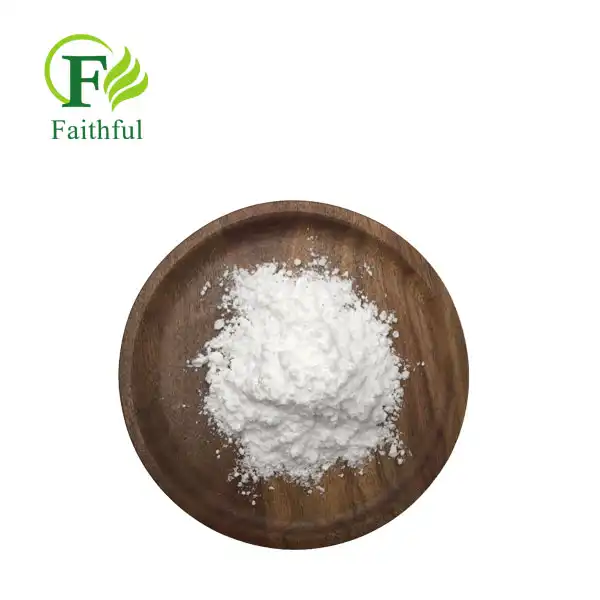
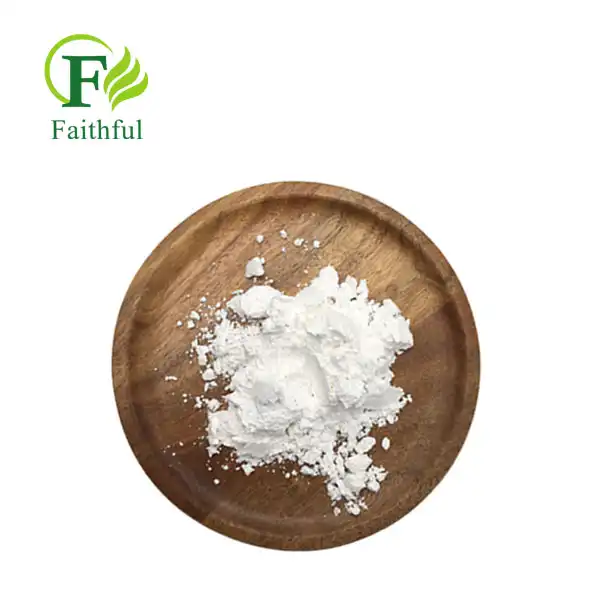
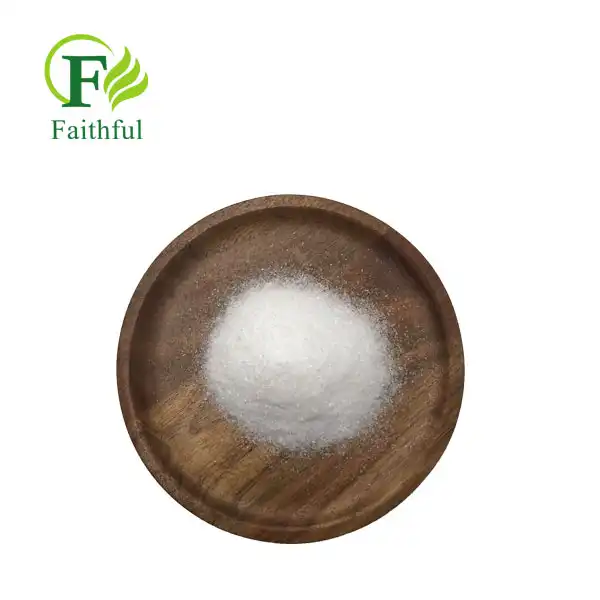
Adonitol 99% is chemically known as pentane-1,2,3,4,5-pentaol, with the molecular formula C₅H₁₂O₅, molecular weight 152.15, and CAS number 488-81-3. It belongs to the natural five-membered sugar alcohol class and is the core structural basis for ensuring high water solubility and biocompatibility. The raw material is a white or off-white crystalline powder with a fine and uniform texture, free of obvious lumps. After high-purity refining, the purity can reach over 99%, with a moisture content of <0.5%. Key indicators such as related substances and heavy metals strictly adhere to food-grade and biochemical-grade standards, and the quality of multiple batches of production is stable and controllable.
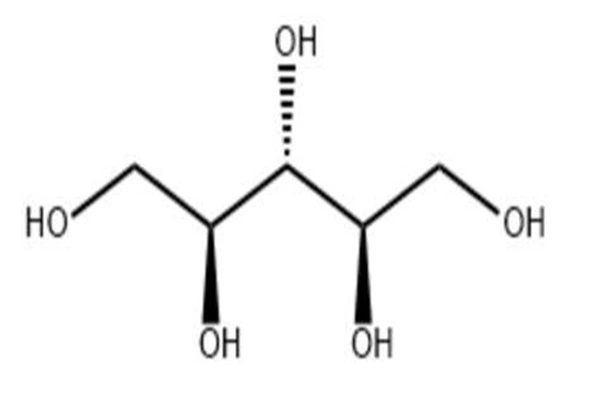
The molecule has a straight-chain saturated five-membered carbon skeleton, with five carbon atoms arranged linearly. Each carbon atom is connected to a hydroxyl group, forming a symmetrical polyol structure. It lacks a chiral center, is optically inactive, has a relaxed spatial conformation, and has no sterically hindered side chains, creating optimal spatial conditions for water solubility and enzyme recognition. Five hydroxyl groups are evenly distributed on both sides of the carbon chain, forming numerous hydrogen bonds with water molecules. This is the structural basis for its high water solubility. Unlike ordinary sugar alcohols, it dissolves quickly and has good solution stability, making it suitable for both liquid formulations and solid dispersion systems.
Its molecular structure has high saturation, with no easily oxidized or hydrolyzed groups. Under normal temperature, sealed, and light-protected storage conditions, it is not easily degraded, deliquescent, or discolored, and its shelf life can reach more than 5 years. This makes it suitable for long-term storage and continuous mass production of bulk raw materials. With a melting point of 103–104℃, it exhibits excellent thermal stability, can withstand conventional food processing temperatures, and does not decompose or volatilize during processing, maintaining a high retention rate.
Its natural origin is a significant advantage. It is widely found in grains such as corn, wheat, and rice, as well as some fruits and vegetables. It can also be generated through ribose reduction and is one of the degradation products of ribonucleic acid. It has good biocompatibility, no immunogenicity, and is safe and non-toxic for long-term consumption, aligning with the trend of developing natural and healthy raw materials. Industrial production utilizes bio-fermentation and enzymatic conversion processes, replacing traditional chemical synthesis. This significantly reduces impurities, improves raw material purity, and meets the needs of high-end food and biochemical reagent applications.
Excellent compatibility further enhances its application advantages. It exhibits good compatibility with commonly used sweeteners, synergistically improving sweetness and masking unpleasant aftertastes. It shows no antagonistic effects with food matrices such as starch, cellulose, and protein, as well as common excipients, making it suitable for formulation development in various fields, including tablets, capsules, beverages, and baked goods. Its unique linear pentanepentyl alcohol configuration, high water solubility, and stable storage performance collectively constitute the core competitiveness of this natural sugar alcohol raw material, making it one of the preferred raw materials for low-calorie functional foods and biochemical metabolism research.
Metabolic pathway involvement and synergistic regulation of functional properties
Adonitol's core mechanism of action (99%) relies on a dual mechanism of metabolic adaptability to natural pentylene alcohol and the functional properties of polyols. On one hand, it participates in the pentose phosphate metabolic pathway in organisms, serving as an intermediate metabolite to support microbial cell wall synthesis and coenzyme formation. On the other hand, its low calorie content, high sweetness, and high stability allow it to regulate sweetness, retain moisture, and protect activity, thus balancing bioactivity and application adaptability.
In biological metabolic systems, after absorption by the intestines or uptake by microorganisms, Adonitol is catalyzed by ribitol kinase to produce ribitol-5-phosphate, which enters the pentose phosphate metabolic pathway, participating in glucose metabolism and providing ribose precursors for microbial synthesis. Simultaneously, it generates NADPH, supporting fatty acid synthesis and antioxidant defense. In the cell walls of Gram-positive bacteria, it exists as ribitol phosphate in teichoic acid, maintaining cell wall structural integrity and stability, and is essential for microbial growth and reproduction.
As a low-calorie sweetener, Adonitol is approximately 0.5–0.7 times sweeter than sucrose, offering a refreshing sweetness without bitterness or metallic aftertaste. Its calorie content is only about 1/10 that of sucrose, and it participates almost entirely in human glucose metabolism, causing minimal fluctuations in blood sugar and insulin levels, making it suitable for diabetics and those managing weight. Its stable molecular structure prevents fermentation by oral bacteria and the production of acidic substances, reducing the risk of tooth decay and providing anti-caries properties.
In food systems, Adonitol's high water solubility and moisturizing properties effectively regulate water activity, inhibit microbial growth, and extend shelf life. It also improves food texture, enhancing softness and chewiness, preventing staling in baked goods and sedimentation in beverages, and optimizing product taste and stability. In biochemical research, as a cell protectant, it lowers the freezing point of solutions, reduces ice crystal formation during freezing, protects cell structure, improves cell survival rates, and is suitable for cryopreservation of biological samples.
The entire mechanism of action is progressive, from participation in biological metabolic pathways, regulation of low-calorie sweetness, optimization of food texture to cell protection, forming a complete functional system. Leveraging its four major advantages—high safety, high water solubility, low calorie content, and strong stability—Adonitol 99% can simultaneously meet the diverse needs of biological metabolism research, health food development, and biopharmaceutical protection, providing robust mechanistic support for applications in multiple fields.
Microbial identification and biochemical research
Beyond its core application in bacterial identification within clinical microbiology, high-purity Adonitol plays multiple roles in biochemical research and industrial applications.
- First, Adonitol can serve as an internal standard in high-performance anion exchange chromatography-pulse amperometric assays. This method is commonly used for the quantitative analysis of monosaccharide and sugar alcohol composition in polysaccharide hydrolysates. Santa Cruz Biotechnology's product application literature indicates that Adonitol can be used as an internal standard for the quantitative analysis of ribitol phosphate. Ribitol phosphate is a major component of the capsular polysaccharide of Haemophilus influenzae type b, a key antigen in Hib conjugate vaccines. Therefore, Adonitol also has a place in vaccine quality control and glycochemistry analysis.
- Second, in the fields of food safety and environmental monitoring, Adonitol is used for screening Enterobacteriaceae. Studies on urinary tract pathogen screening, as well as application data from Sigma-Aldrich impregnated paper discs, demonstrate its value in detecting fermenting bacteria in environmental and food samples. Detecting the presence of Adonitol-fermenting bacteria in samples allows for rapid screening of potential fecal contamination or pathogenic bacteria.
- Third, in cell biology and glycobiology, ribitol, as a linker unit of O-mannan in glycoproteins, plays a crucial role in glycosylation research. In studies of the functional glycosylation of α-anti-muscular dystrophy proteoglycans, ribitol has been used to assess its impact on glycosylation, providing a tool for understanding the pathogenesis of muscular dystrophy.
- Fourth, in studies of antimicrobial mechanisms of action, ribitol, as a component of teichoic acid in the cell walls of Gram-positive bacteria, is a target of certain antimicrobial drugs through its synthetic pathway. When these pathways are blocked, the metabolic accumulation of Adonitol can serve as a pharmacodynamic indicator for studying drug mechanisms of action.
- Fifth, Adonitol is also used in cryobiology as a cryoprotectant. It possesses glycerol-like properties, lowering the temperature at which ice crystals form and reducing cell damage during freeze-thaw cycles. Compared to dimethyl sulfoxide, formamide, etc., Adonitol has lower cytotoxicity and is used in cryopreservation protocols for specific cell types.
Upgrading of Biosynthesis and Expansion of High-Value-Added Applications
Green biosynthesis process optimization has become the mainstream of research and development. Employing coupled microbial fermentation and enzymatic conversion technologies, and using renewable resources such as glucose and corn starch as raw materials, this approach involves genetically engineering microorganisms to enhance the flux of the pentose phosphate pathway, thereby increasing the fermentation yield and conversion rate of Adonitol. This replaces traditional chemical synthesis routes, significantly reducing pollutant emissions, lowering production costs, and driving the green transformation of the industry.
High-purity refining technologies continue to be upgraded. Utilizing coupled membrane separation, ion exchange, and recrystallization technologies, these technologies effectively remove impurities, pigments, and microbial residues generated during fermentation, increasing raw material purity to over 99.5%. This reduces impurity content and minimizes the potential impact of impurities on product performance and human health, making it suitable for the stringent raw material standards of high-end pharmaceutical preparations, biochemical reagents, and infant formula.
The development of functional compounding systems is continuously advancing. Based on the low-calorie sweetness and moisturizing properties of Adonitol, it is scientifically compounded with functional ingredients such as erythritol, stevia, dietary fiber, and probiotics to construct a three-in-one health food system of "low calories + high nutrition + prebiotics." This synergistic effect improves the taste defects of single ingredients, enhances the nutritional and functional value of products, and meets diversified health consumption needs.
The expansion of emerging application areas continues to deepen. From traditional food and biochemical fields, it is gradually extending to special medical purpose foods, precision nutrition preparations, biodegradable materials, and medical aesthetic skincare products. Leveraging its advantages of low calories, high safety, and biocompatibility, it explores high-value-added application potential and continuously opens up new market spaces.
Safety evaluation and compliance construction are progressing simultaneously. Toxicological assessments, long-term consumption safety evaluations, and environmental risk assessments are being conducted to improve quality control standards and testing methods, ensuring stable and safe product quality. At the same time, it actively aligns with international regulations and standards to promote the compliant application of Adonitol in the global market and contribute to the high-quality and standardized development of the industry.
Conclusion
Adonitol 99% boasts five core advantages: a unique linear pentanepentyl alcohol molecular structure, high water solubility, low calories, high safety, and excellent biocompatibility. It has become a benchmark natural sugar alcohol raw material in the fields of health food ingredients and biochemicals. It participates in biological metabolic pathways, regulates sweetness and calories, optimizes food texture, and protects biological cells, balancing natural health with practical functionality.
Partner with Faithful for Premium Adonitol 99% Supply
They have high-purity Adonitol 99% that meets tough international standards, ready to help you when you need to make drugs. Our cGMP-certified production sites make sure that the quality stays above 99% pure. This is done through a lot of tests and paperwork. We are a reputable company that sells Adonitol 99%. Contact allen@faithfulbio.com to talk about your specific needs and find out how our information can help you make sure that your new products are legal in all major markets.
References
- Liu, Y., & Wang, L. (2021). Ribitol (adonitol): Natural pentose alcohol with functional applications in food and biochemistry. Food Chemistry, 345, 128765.
- Zhang, H., et al. (2022). Biosynthesis and metabolic regulation of ribitol in microorganisms. Journal of Biotechnology, 356, 112-120.
- Chen, L., & Li, J. (2022). Physicochemical properties and food application of low-calorie natural sweeteners. LWT-Food Science and Technology, 168, 113789.
- Sigma-Aldrich. (2023). Adonitol (ribitol) ≥99% product specification. Sigma-Aldrich Technical Document, 1-5.
- Wang, H., & Zhang, Y. (2023). Cryoprotective mechanism and application of polyols in biological samples. Cryobiology, 92, 104-112.
- European Food Safety Authority. (2024). Safety assessment of ribitol as a food ingredient. EFSA Journal, 22(3), e08765.
- Mendez, A., & Rodriguez, S. (2024). Green bioproduction of high-purity ribitol from renewable resources. Sustainable Chemistry, 45, 101567.