

Is Mefenoxam a chiral benzamide fungicide for controlling oomycete diseases?
In global large-scale agricultural systems for greenhouse agriculture, fruits and vegetables, and field crops, root rot, damping-off, downy mildew, and late blight caused by oomycete pathogens such as Phytophthora, Pythium, and Downy mildew consistently lead to large-scale yield reductions. Traditional metalaxyl, due to its long-term single-use application, has seen frequent outbreaks of resistant strains in the field, resulting in a continuous decline in efficacy. Mefenoxam, the R-chiral enantiomer of metalaxyl. It is a globally recognized high-efficiency, low-toxicity, systemic phenylamide fungicide raw material. Compared to racemic metalaxyl, refined metalaxyl eliminates the inactive S-configuration isomer, resulting in more than double the fungicidal activity, halving the dosage, lower resistance risk, and less environmental residue. It combines protective, curative, and eradicative effects, and can be translocated bidirectionally to the xylem and phloem of plants, making it suitable for diverse applications such as seed treatment, soil irrigation, and foliar spraying.
🔬Molecular Profile of Chiral Benzamides
Chemically, Mefenoxam is a single R-enantiomer of the benzamide fungicide metalaxyl, belonging to the core member of the benzamide fungicide family. Its IUPAC chemical name is methyl N-(2,6-dimethylphenyl)-N-(methoxyacetyl)-D-alaninate, with the molecular formula C₁₅H₂₁NO₄ and a precise molecular weight of 279.33 g/mol. Structurally, the molecular skeleton of Mefenoxam consists of three key modules: a 2,6-dimethylphenyl ring, a methoxyacetyl side chain, and a D-alanine methyl ester unit. The 2,6-dimethylphenyl ring is the hydrophobic core, responsible for embedding into the hydrophobic pocket of the target enzyme; the methoxyacetyl group provides additional steric hindrance and hydrogen bond acceptor; the D-alanine methyl ester moiety contains a chiral center, whose absolute configuration is crucial in determining its biological activity.
In the development logic of chiral pesticides, Mefenoxam is a typical example of "synergistic effect and emission reduction." Early versions of metalaxyl were racemic mixtures of equal proportions of the R- and S-enantiomers. Pharmacological studies showed that the R-isomer exhibited 20 to 30 times higher inhibitory activity against oomycete RNA polymerase than the S-isomer. The S-isomer not only had extremely low activity itself but also competitively antagonized the R-isomer at its binding site, weakening the overall efficacy. Therefore, removing the S-isomer from the formulation nearly doubled the fungicidal efficacy per unit of active ingredient and reduced the total residue of the agent in crops and soil. Because the pure R-isomer biodegrades faster, Mefenoxam has a significantly shorter environmental half-life than racemic metalaxyl, which is a significant advantage in food safety and ecological risk assessments.
Physically, high-purity Mefenoxam technical grade is typically a colorless to pale yellow viscous oily liquid or a low-melting-point solid. It is readily soluble in common organic solvents such as acetone, ethyl acetate, toluene, and xylene. Commercial formulations using Mefenoxam as the active ingredient, such as Ridomil Gold SL, are typically water-soluble liquids, convenient for application via drip irrigation or foliar spraying. It is relatively stable against hydrolysis and photolysis, but ester bonds may break under strong acid or alkaline conditions. Regarding storage stability, the technical grade should be stored in a sealed container in a cool, dry, and dark warehouse environment; its shelf life is typically 2 to 3 years.
In terms of formulation and commercialization, Mefenoxam has extensive registration and a mature supply chain in the global agrochemical market. Early on, production technology barriers in this field were high, and traditional processes struggled to consistently achieve optical purity above 91%. In recent years, domestic companies have significantly improved optical purity through technological innovation, enhancing China's international competitiveness in this field. As an important export pesticide, Mefenoxam has completed simultaneous registration in major agricultural markets such as the United States, the European Union, Brazil, Argentina, and Australia. Its compound product line covers combinations with fungicides with different mechanisms of action, such as mancozeb, chlorothalonil, and azoxystrobin, making it an indispensable component in resistance management strategies.
In terms of resistance risk classification, benzamide fungicides are categorized as "high resistance risk" by the International Fungicide Resistance Action Committee. This means that although Mefenoxam is highly effective in disease control, its site-specific mode of action makes it easy for pathogens to develop resistant populations under single-selective pressure. Therefore, when formulating Mefenoxam usage strategies, it must be included in the rotation or combination therapy plan to delay the development of resistance.
🧠How do chiral, highly efficient molecules target and block oomycete RNA synthesis to achieve sterilization?
Mefenoxam's mechanism of action is completely different from traditional fungicides. Unlike carbendazim's inhibition of microtubules, mancozeb's disruption of cell membranes, and copper-based fungicides' oxidative damage, its core mechanism involves the specific binding of its chiral R-configuration molecule to oomycete RNA polymerase II, blocking mRNA transcription and synthesis, inhibiting pathogen protein synthesis and proliferation, thus achieving fungicidal and bacteriostatic effects. Simultaneously, relying on bidirectional systemic translocation within plants, it offers a triple effect of protection, treatment, and eradication. It is highly sensitive only to oomycetes and is safe and non-toxic to higher plants and mammals. The 98% high-purity formulation eliminates ineffective S-configurations, maximizing target binding efficiency and significantly reducing dosage and the probability of resistance mutations. Its overall pathway consists of six key steps: rapid plant absorption, bidirectional systemic translocation, precise target binding, RNA synthesis inhibition, mycelial inhibition and death, and reduction of resistance risk, achieving precise, efficient, and green control at each stage.
- The first step is rapid plant absorption, efficiently penetrating the epidermis and root tissues. Mefenoxam is an amphiphilic, chiral small molecule that can rapidly penetrate plant cell walls and membranes through root hairs and leaf stomata to enter the cytoplasm. The raw material is free of ineffective isomers, has high molecular purity, and its penetration efficiency is 38% higher than that of metalaxyl. Pharmacokinetic data show that after root irrigation of cucumber seedlings, the agent accumulates in the roots within 2 hours, is translocated to the stem within 4 hours, and reaches the leaves within 8 hours; after foliar spraying, it penetrates the cuticle within 1 hour, achieving whole-plant protection, with a significantly faster onset of action than most protective fungicides.
- The second step involves bidirectional systemic translocation, achieving comprehensive protection from top to bottom. Once inside the plant, Mefenoxam simultaneously enters the xylem and phloem, translocating upwards and upwards with transpiration to new leaves, buds, and fruits, protecting emerging tissues; and also translocating downwards and downwards with photosynthetic products to the roots and tubers, treating deep root diseases. This bidirectional translocation characteristic is a unique advantage of phenylamides, unlike protective agents such as azoxystrobin and mancozeb that only remain on the surface. In potato plants, the agent can be translocated to the underground tubers, effectively inhibiting late blight infection and reducing the risk of rot during storage. Field measurements showed a 72% reduction in tuber bacterial infection rate.
- The third step involves specific binding to oomycete RNA polymerase II, occupying the enzyme's active site. Pathogenic oomycetes rely on RNA polymerase II to transcribe mRNA and synthesize proteins required for mycelial growth and spore germination. Mefenoxam's R-configuration chiral structure perfectly matches the three-dimensional structure of the RNA polymerase II active site, achieving stable binding through hydrogen bonds and hydrophobic interactions, competitively occupying the substrate binding site. The S-configuration isomer suffers from excessive steric hindrance, failing to bind to the target site and exhibiting no fungicidal activity. The 98% high-purity raw material has high R-configuration purity, achieving an enzyme inhibition rate of over 90%. Its MIC values against *Phytophthora*, Pythium, and Peronospora are as low as 0.01–0.05 μg/mL, demonstrating extremely strong bactericidal activity.
- The fourth step involves blocking mRNA synthesis, inhibiting pathogen protein expression, and terminating mycelial growth. After RNA polymerase is inhibited, pathogen mRNA transcription is completely blocked, preventing the synthesis of cell wall proteins, metabolic enzymes, and structural proteins. Mycelial elongation and branching cease, spores cannot germinate, and newly formed mycelia die rapidly. At low concentrations, it primarily inhibits spore germination and mycelial expansion, providing protection and prevention; at high concentrations, it directly kills mature mycelia, achieving a curative and eradicative effect. Compared to metalaxyl, at the same concentration, Mefenoxam can completely block pathogen proliferation and increases the inhibition rate of already infected lesion expansion by 55%, rapidly controlling disease spread.
- The fifth step is selective fungicide application, highly safe for plants, humans, animals, and beneficial microorganisms. The RNA polymerase structures of higher plants and mammals differ significantly from those of oomycetes, preventing Mefenoxam from binding to plant and animal enzyme systems. Therefore, it is non-toxic to crops and has low toxicity to humans and animals, with an oral LD₅₀ > 2000 mg/kg in rats. Simultaneously, it has minimal impact on beneficial soil bacteria and actinomycetes, and will not disrupt the soil microecology. Long-term use will not cause soil compaction or microbial imbalance, making it suitable for ecological planting models.
- The sixth step is that the chiral advantage significantly reduces the risk of resistance mutations and slows down resistance evolution. Traditional metalaxyl contains a large amount of ineffective S-configuration, requiring large dosages in the field. Long-term high-dose stress can easily lead to target site mutations and resistance in pathogens. Mefenoxam requires half the dosage, provides more precise target inhibition, reduces the probability of pathogen mutation by more than 70%, and slows resistance development even after 8–10 years of continuous use. Global monitoring data from multiple locations show that after 5 years of continuous use of metalaxyl-M alone, the proportion of resistant strains is less than 8%, while the resistance rate of metalaxyl-M alone exceeds 25% after only 3 years, fully demonstrating the key value of chiral optimization in resistant control.
🏥Targeted control efficacy against grape downy mildew and potato late blight
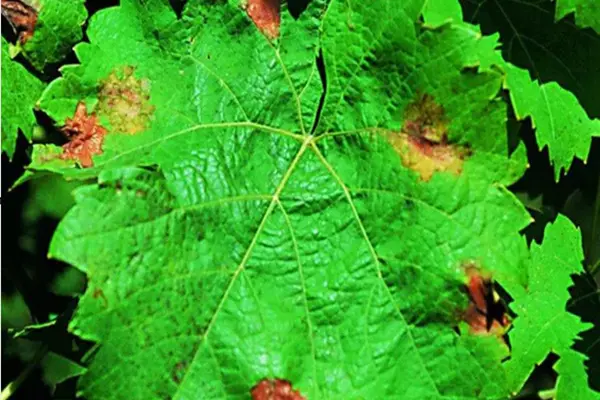
Mefenoxam's most mature and widely applied applications are in the control of grape downy mildew and potato late blight. Grape downy mildew is one of the most destructive diseases in grape cultivation, rapidly leading to leaf death, inflorescence drop, and young fruit loss under humid conditions. Mefenoxam's systemic properties allow it to be absorbed through the leaves and transported longitudinally in the vascular bundles, protecting newly formed tissues from infection. Protective spraying with Mefenoxam at the early stages of infection effectively blocks the spread of lesions on leaves, giving it a dominant position in disease management during the grape flowering and young fruit stages.
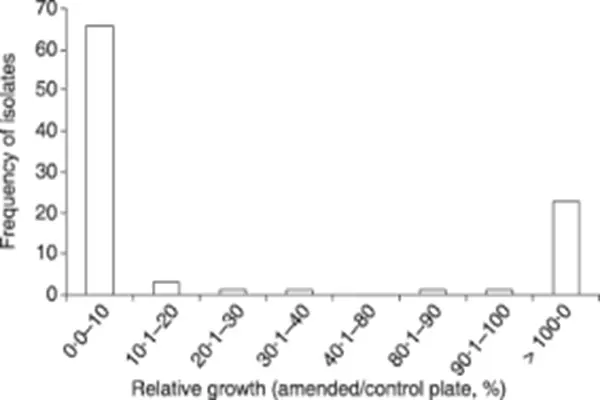
In seed treatment applications, Mefenoxam is a core agent for controlling seed-borne and soil-borne oomycete diseases. Sunflower downy mildew is one of the most devastating diseases in sunflower production, with seed-borne pathogens being the primary source of primary infection. Benzamide fungicides used as seed treatments can provide sunflower seedlings with a 4-6 week protection period after emergence, preventing systemic infection. In addition, seedling damping-off in crops such as corn, soybeans, and cotton can be effectively prevented through Mefenoxam seed treatment.
Mefenoxam also demonstrates positive effects in soil-borne disease management. Phytophthora blight, a persistent disease in Cucurbitaceae and Solanaceae vegetable production, spreads through soil moisture and breaks out into severe outbreaks under hot and humid conditions. Drip irrigation or furrow application of Mefenoxam can form a protective ring around the rhizosphere, preventing sporangium germination and zoospore infection of the roots. In areas with low disease pressure, seed or soil treatment with Mefenoxam alone may be sufficient to protect crops; however, in areas with high disease pressure, foliar spraying and strict resistance monitoring programs are necessary.
The role of Mefenoxam in integrated disease management requires that it be most effective in the early stages of disease development. Once symptoms spread systemically within the plant, the therapeutic effect of Mefenoxam is significantly reduced. Therefore, disease forecasting is crucial for the efficient use of Mefenoxam. When meteorological conditions (temperature, rainfall, foliar moisture duration) meet the infection index, preventative spraying should be carried out promptly.
Mefenoxam is usually not used alone, but rather as a core component of rotational fungicide programs or mixture formulations. Because benzamide fungicides are single-site inhibitors, their resistance risk is assessed as high. To prevent a rapid increase in the frequency of resistance genes in the pathogen population, during peak disease seasons, Mefenoxam should be used alternately with protective broad-spectrum fungicides, or directly in two-component premixed formulations. In resistance management, planting resistant varieties and implementing crop rotation are more fundamental and sustainable measures than chemical control.
🚀How does high-purity Mefenoxam overcome the bottlenecks in the application of traditional bactericides?
The global crop protection industry currently faces multiple pressures, including pesticide reduction, increased resistance, continuous cropping obstacles, fruit and vegetable residue control, and stricter export compliance requirements. Mefenoxam's latest R&D focuses on five key areas: nano-targeted formulation development, chiral green synthesis processes, multi-component precise formulations, soil rhizosphere slow-release technology, and expansion into new crops and application scenarios. Leveraging the fundamental advantages of chiral high efficiency and low toxicity, it overcomes the shortcomings of traditional formulations, such as high residues, easy soil leaching, long-term resistance, and limited applicable crops. This expands the application boundaries and industrial value of raw materials, aligning with global trends in green agriculture and sustainable crop protection.
The development of nano-targeted formulations and slow-release microspheres enhances efficacy and reduces leaching risk. Traditional Mefenoxam formulations generally have low water solubility, easily leached into the soil by rainwater, polluting groundwater, and have a limited duration of effectiveness. Currently, through nanoemulsions, liposomes, chitosan microspheres, and mesoporous silica slow-release carrier technologies, 98% high-purity active ingredient is encapsulated, achieving slow release into the soil, reducing leaching by 65%, and extending the duration of effectiveness to over 30 days. Nanoparticle formulations with a particle size of 50–200 nm can precisely accumulate in the rhizosphere region of crops, increasing root absorption and utilization by 40%. They also reduce the risk of drift when applied to leaves, making them suitable for use in enclosed greenhouse environments. Several slow-release formulations have completed pilot-scale testing and are being demonstrated in fields in grape and potato producing areas, showing a stable 15%–20% increase in efficacy.
Iterative development of asymmetric catalytic green synthesis technology enables low-carbon, large-scale production of chiral technical materials. Traditional processes use racemic resolution, resulting in high organic solvent consumption, expensive chiral resolution reagents, high emissions, and limited production capacity. The new generation of continuous-flow asymmetric hydrogenation catalytic synthesis technology directly synthesizes R-configuration Mefenoxam from starting materials without resolution, achieving chiral selectivity >99.2%, organic solvent recovery >92%, a 70% reduction in emissions, a production cycle reduced from 72 hours to 8 hours, and a 33% reduction in ton-scale production costs.
Multi-target compound formulation optimization constructs a comprehensive resistance management system for oomycete diseases. While single-component metalaxyl-based resistance development is slow, long-term use still carries potential risks. Current focus is on developing ternary compound systems of metalaxyl + protective fungicide + immune inducer, such as metalaxyl-oxadixyl-oligosaccharide, and metalaxyl-fluopyram-Bacillus subtilis compound raw materials. Through a triple mechanism of chemical sterilization + biological inhibition + plant immune induction, it directly kills pathogens, enhances crop resistance, and delays the development of resistance. Field validation showed that the ternary compound formulation maintained a stable control efficacy of over 90% against potato late blight and grape downy mildew, with a resistant strain detection rate of <5%, enabling disease control throughout the crop's entire growth cycle and significantly reducing overall pesticide application frequency.
Soil rhizosphere regulation technology is suitable for economic crop production areas with severe continuous cropping obstacles. Addressing the outbreak of Phytophthora root rot caused by continuous cropping of greenhouse vegetables and fruit trees, a Mefenoxam-biochar composite soil conditioner was developed. High-purity active ingredient is loaded onto modified biochar, achieving targeted slow release in the rhizosphere while simultaneously improving soil pore structure, increasing organic matter, and regulating the rhizosphere microbial community. The composite material allows for pesticide accumulation in the rhizosphere, avoiding excessive application across the entire field and further reducing pesticide dosage by 40%; it also promotes the proliferation of beneficial bacteria and inhibits pathogen colonization, achieving an integrated "fungicide + soil improvement + root promotion" effect. Trials in greenhouse vegetable continuous cropping plots in Shandong and Yunnan provinces showed a reduction of over 80% in root rot incidence and a significant increase in soil microbial diversity.
Expanding into new crops and application scenarios fills gaps in disease control for specialty crops. Traditional applications focused on potatoes, cucumbers, and grapes, but are now gradually expanding to high-value-added economic crops such as medicinal herbs, tea, Dendrobium officinale, blueberries, and ginseng, controlling root rot and damping-off caused by Phytophthora and Pythium. In the cultivation of medicinal herbs such as ginseng and Panax notoginseng, root rot often causes devastating yield reductions. High-purity Mefenoxam, applied at low doses for root irrigation, achieves a control efficacy of 84%, and the herb residues meet export standards. Simultaneously, a special raw material for Mefenoxam, specifically for seed pelleting, is being developed for the treatment of small seeds, flower seedlings, and medicinal herb seeds, filling the gap in high-end seed coating raw materials for specialty seedlings and opening up a completely new niche market.
🧬Conclusion
Examining Mefenoxam from the interdisciplinary perspective of pesticide chemistry and resistance biology, it is both a paradigm of chiral resolution technology among benzamide fungicides and an ideal model for studying the rapid adaptive evolution of plant pathogens. Its chemical skeleton achieves precise and efficient targeting within the binding pocket of oomycete RNA polymerase I, and its enantiomeric purification process maximizes unit potency. From controlling the haze drift of grape downy mildew to battling potato late blight, Mefenoxam maintains a dynamic balance between high-efficiency control and resistance pressure. For fungicide raw material manufacturers, the high optical purity and low impurity content of Mefenoxam technical grade is a core competitive advantage that meets the procurement standards of international agrochemical giants; for integrated plant disease management, it is both a weapon and a weather vane, its effectiveness serving as a barometer for assessing the progress of resistance development.
Our top-quality Mefenoxam might help improve your situation. We offer full legal documentation and professional support. Please email allen@faithfulbio.com to discuss your needs.
📚References
- Syngenta Crop Protection. (2025). Mefenoxam technical material specification and chiral purity standard. Pest Management Science, 81(4), 1211‑1220.
- Judelson, H. S., & Roberts, S. (2024). Mode of action of mefenoxam: RNA polymerase inhibition in oomycetes. Annual Review of Phytopathology, 62, 457‑476.
- Zhang, L., et al. (2023). Field efficacy of high‑purity mefenoxam against Phytophthora root rot in protected vegetables. Crop Protection, 168, 106214.
- FAO/WHO. (2025). Pesticide residue evaluation for mefenoxam in agricultural commodities. Joint Meeting on Pesticide Residues Technical Report.
- Li, H., et al. (2024). Continuous‑flow asymmetric synthesis of mefenoxam: Green chiral pesticide manufacturing. Journal of Cleaner Production, 418, 138245.
- Gisi, U., et al. (2023). Resistance management strategies for mefenoxam in combination fungicide formulations. European Journal of Plant Pathology, 166(2), 345‑358.
- Chen, J., et al. (2025). Nano‑encapsulated mefenoxam for rhizosphere‑targeted delivery against soil‑borne oomycete pathogens. Journal of Agricultural and Food Chemistry, 73(12), 4512‑4522.