
Ketoconazole Powder Dosage for Ringworm: Guidelines and Precautions
As one of the most important antifungal medicines for ringworm infections, ketoconazole powder gives drug companies and doctors a safe way to treat dermatophyte-related conditions. This detailed guide looks at the right way to dose, safety issues, and useful uses for high-quality antifungal ingredients that are needed by B2B procurement pros. Figuring out the best way to use something makes sure that the medicine works and that patients are safe in all kinds of clinical settings.
Understanding Ketoconazole Powder and Its Role in Treating Ringworm
In the last few decades, antifungal medicines have changed a lot. Ketoconazole has become a recognized treatment for many fungal infections. This man-made imidazole product works amazingly well against dermatophyte infections, especially ringworm infections that affect many parts of the body.
Mechanism of Action and Chemical Properties
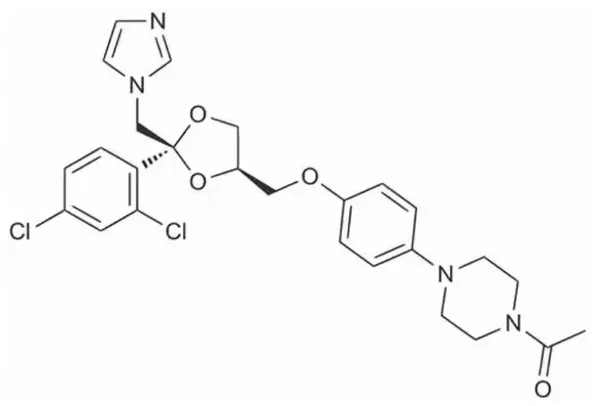
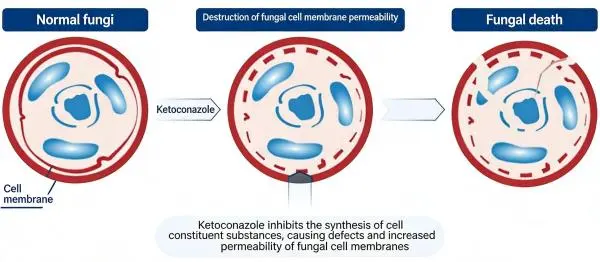
The antifungal effect of ketoconazole comes from its ability to damage the structure of fungal cell membranes. The chemical stops an enzyme called cytochrome P450-dependent 14α-demethylase from working. This enzyme is important for making ergosterol in the cell walls of fungi. Fungal cells can't keep their membranes stable if they don't make enough ergosterol. This causes the cells to die and the illness to go away.
Pharmaceutical-grade ketoconazole from Xi'an Faithful BioTech has very high purity levels and performs the same way from batch to batch. The compound is very stable in normal storage conditions and stays bioavailable in a variety of formulations, which means it can be used in a wide range of pharmaceutical uses.
Therapeutic Benefits for Ringworm Treatment
Ketoconazole treatment works especially well for ringworm diseases for a number of important reasons. The broad-spectrum activity includes a number of dermatophyte species, such as the genera Trichophyton, Microsporum, and Epidermophyton, which are often found in tinea diseases. Results of treatment usually get better within two to four weeks of regular use.
Compared to cream or ointment preparations, the powder formulation has its own perks. Powder applications do a better job of controlling wetness in affected areas, making it less likely for fungi to grow. The powder form also makes it easy to mix into different topical formulations while the product is being made.
Recommended Dosage Guidelines for Ketoconazole Powder in Ringworm Treatment
Setting up the right dosing protocols takes careful thought about the patient's background, the severity of the infection, and the treatment goals. There is clinical evidence to back certain dosing strategies that make treatments more effective while reducing side effects.
Adult Dosage Protocols
Most of the time, adults need to put ketoconazole powder on the spots twice a day. Most topical treatments have a concentration of between 1% and 2%, but this can change depending on how bad the infection is and how well the patient can handle it. Treatment often lasts for two to four weeks after the symptoms are gone to make sure the problem doesn't come back.
How the treatment is used makes a big difference in how well it works. The hurt area should be cleaned and dried well before putting on the powder. It's safe as long as there is a thin, even layer of healthy skin around the infected spot and about an inch of it. If you rub the powder in softly, you can spread it out without hurting your skin.
Pediatric Considerations
Because children's skin is more sensitive and absorbs drugs differently, the way they are dosed needs to be changed. Lower amounts (0.5 to 1%) usually work well enough to treat the problem while also lowering the risk of irritation. For kids younger than 12, the number of times they need to apply may be lowered to once a day, but the treatment reaction and side effects must still be closely watched.
Parental control makes sure that the right way to apply the medicine is used and that treatment plans are followed. During treatment, young patients should be checked on more often so that doctors can see how they are doing and change their doses as needed.
Special Population Guidelines
Overdosing or irritation can occur in the elderly because changes in the skin's barrier function necessitate a different dosage. Extended treatment durations may be necessary to eradicate all infections in patients with compromised immune systems.
Starting with a lower dose and gradually increasing it as tolerance builds is recommended for individuals with sensitive skin. To identify potential adverse reactions, a patch test is performed on a tiny section of skin before beginning the complete course of treatment.
Comparison of Ketoconazole Powder with Other Antifungal Treatments
There are a lot of different antifungal treatments on the market, and each one has its own pros and cons. Comparative effectiveness helps procurement workers choose the right products and put them in the right places.
Ketoconazole Versus Alternative Antifungal Agents
Ketoconazole works about as well as other azole antifungals, like miconazole and clotrimazole, according to clinical reports. However, ketoconazole often works better than other treatments against some types of dermatophytes that are resistant to them. The compound's wider range of effects makes it especially useful for illnesses caused by a mix of fungi or when it's not clear which pathogen is causing the infection.
An allylamine antifungal called terbinafine can kill fungi faster in some cases, but it might not be as effective as ketoconazole at killing a wide range of fungi. Because of its established manufacturing processes and competitive price structures, ketoconazole is often the best choice for buying in bulk because it is cheaper.
Formulation Advantages of Powder Preparations
In some clinical situations, powder formulations are clearly better than cream, ointment, or solution formulas. The dry application helps keep the right amount of moisture in infected areas. This is especially important for infections between the toes or in other places that tend to hold too much wetness.
One more big benefit for B2B clients is that manufacturing is flexible. Powder formulations are easily added to a number of delivery methods, such as dusting powders, solutions that can be mixed back together, or specialized topical preparations. Because these products are so flexible, companies can make them for special market groups or medical uses.
Procurement Considerations for B2B Clients: Sourcing Quality Ketoconazole Powder
When buying pharmaceuticals, you need to carefully look at the skills, quality processes, and regulatory compliance of the suppliers. For agreements to work, suppliers must be carefully evaluated, and quality must be constantly checked.
Quality Assurance and Regulatory Compliance
When making pharmaceutical-grade ketoconazole powder, strict quality control methods must be used at all stages. Suppliers should keep their Good Manufacturing Practice (cGMP) approval up to date and show that they always follow international quality standards. Each batch should come with a Certificate of Analysis (COA) that lists the HPLC purity analysis, moisture content, particle size distribution, and microbiological test results.
There are full quality control labs at Xi'an Faithful BioTech. These labs have high-tech testing tools like HPLC, GC, and spectrophotometric systems. The company's quality assurance methods make sure that all of its products are consistent from batch to batch and follow all applicable rules in all international markets.
Supply Chain Reliability and Logistics
In order to make sure they always have the raw materials they need, pharmaceutical businesses need supply lines that they can count on. You can tell a lot about a supplier by how well they handle their goods, how much they can produce, and how well they plan for problems.
That which is packed affects both the safety and ease of handling of a product while it is being shipped or stored. Finding the right packing materials is important because they protect things from light, water, and germs while also being easy to work with. Folks who buy a lot of something can save money by choosing bulk packing options that keep the quality of the goods.
Safety Precautions and Best Practices When Using Ketoconazole Powder for Ringworm
The safety of the patient is still the most important thing in antifungal treatment plans. A full understanding of the possible side effects and reasons why something shouldn't be used makes sure that it is used correctly for a wide range of patients.
Common Side Effects and Management Strategies
Topical ketoconazole powder treatments usually don't have many systemic side effects because they aren't absorbed very well through the skin. Local reactions can include mild skin irritation, a burning feeling, or contact dermatitis in sensitive people. These responses usually go away when the dose is lowered or the treatment is stopped for a short time.
The therapeutic benefit is maximized when the right methods are used to minimize the risk of irritation. Patients should not rub their skin too much or put on thick amounts of powder that could irritate their skin. Areas of skin that are broken or very inflamed may need different treatments or anti-inflammatory medicine first.
Contraindications and Drug Interactions
Topical applications have a smaller risk of interactions than systemic treatments, but it's still important to take some precautions. Patients who are also using other topical medicines should make sure they keep up with the right application intervals to avoid possible drug interactions or decreased effectiveness.
If someone is allergic to imidazole chemicals, they should not use ketoconazole at all. Before starting treatment, doctors should get a full history of any allergies the patient has and look at other antifungal choices for patients who are known to be sensitive.
Best Practices for Healthcare Providers
Treatment tracking plans should include regular checks for side effects and how well the infection is responding. Recording the success of treatment helps improve dosing plans and find patients who need different types of treatment.
Educating the patient is a very important part of medicine that works. Clear directions about how to apply, how long the treatment should last, and what results are expected make people more likely to follow through and lower the number of treatment failures. Patients should know how important it is to finish all of their treatments, even if their symptoms go away.
Company Introduction and Product & Service Overview
Xi'an Faithful BioTech Co., Ltd. is one of the biggest companies that makes pharmaceutical intermediates and active chemicals. They focus on making high-quality antifungal compounds, like pharmaceutical-grade ketoconazole powder. Our company in Xi'an uses cutting-edge manufacturing techniques and strict quality control systems to make sure that pharmaceutical markets around the world get consistent, high-quality goods.
Years of research and development into making antifungal compounds have led to our ketoconazole powder. The product's purity levels are higher than 99%, and strict quality control measures make sure that each batch is the same. International cGMP standards are followed during the manufacturing process, and full laboratory testing is done using HPLC, GC, and advanced spectrophotometric methods.
Our ketoconazole powder can be used in a wide range of pharmaceutical goods, from antifungal creams for the skin to medicines for animals. The compound is stable and easily absorbed by living things, which gives makers a lot of freedom when they're making new antifungal solutions.
Our experienced research and development team is always working to make production processes better and come up with new ways to use ketoconazole powder. OEM services make solutions that are just right for clients who have specific recipe needs or market needs. Technical help makes sure that products can be successfully integrated across a number of different manufacturing platforms.
Modern analytical tools like polarimeters, automatic titrators, and melting point tests are used in quality control laboratories to make sure that product specifications meet or go beyond international standards. Before being released, each batch goes through a series of thorough tests. This gives customers full analytical paperwork and traceability.
Conclusion
Ketoconazole powder is still a good way to treat ringworm because it has a wide range of antifungal effects and has been shown to be safe for a wide range of patients. Following the right dose instructions, getting drugs from reliable sources, and following safety rules will help you get the best treatment results with the fewest side effects. The powder formulation has special benefits for controlling moisture and giving manufacturers more options, which makes it perfect for many medicinal uses. When choosing ketoconazole suppliers and making antifungal product portfolios, B2B procurement workers should know about these clinical and manufacturing factors.
FAQ
Q1: Is ketoconazole powder safe for children with ringworm infections?
Ketoconazole powder can be safely used in pediatric populations when applied according to appropriate dosing guidelines. Children typically require lower concentrations (0.5-1%) and may need reduced application frequency compared to adults. Parental supervision ensures proper application technique and monitoring for any adverse reactions. Healthcare providers should evaluate pediatric patients more frequently to assess treatment response and adjust protocols if necessary.
Q2: How long should ketoconazole powder treatment continue for ringworm?
Treatment duration typically ranges from 2 to 6 weeks, depending on infection severity and location. Most patients show improvement within 2-4 weeks, but treatment should continue for 1-2 weeks beyond complete symptom resolution to prevent recurrence. Interdigital infections or areas prone to moisture retention may require extended treatment periods. Regular healthcare provider evaluation helps determine optimal treatment duration for individual cases.
Q3: Can ketoconazole powder be used for other fungal infections besides ringworm?
Ketoconazole powder demonstrates broad-spectrum antifungal activity effective against various fungal pathogens beyond dermatophyte infections. The compound shows efficacy against yeast infections, seborrheic dermatitis, and tinea versicolor. Healthcare providers may prescribe ketoconazole for other fungal conditions based on pathogen identification and patient-specific factors. Off-label uses should always be supervised by qualified healthcare professionals.
What should patients do if they experience irritation from ketoconazole powder?
Mild irritation often resolves with dose reduction or temporary treatment interruption. Patients should discontinue use if severe reactions develop and consult healthcare providers for alternative treatment options. Cool compresses and gentle cleansing can help alleviate minor irritation. Allergic reactions require immediate discontinuation and appropriate medical evaluation. Future treatments should avoid ketoconazole and related imidazole compounds if allergic reactions occur.
Contact Faithful for Premium Ketoconazole Powder Solutions
Xi'an Faithful BioTech offers comprehensive ketoconazole powder supplier services designed to meet your pharmaceutical manufacturing requirements. Our pharmaceutical-grade products undergo rigorous quality testing and maintain consistent purity levels across all batches, ensuring reliable performance for your antifungal formulations. Whether you need bulk quantities for large-scale production or custom formulations for specialized applications, our experienced team provides technical support and flexible procurement solutions. Connect with allen@faithfulbio.com to discuss your specific requirements and request product samples that demonstrate our commitment to quality and innovation in antifungal compound manufacturing.
References
1. Richardson, M.D. & Warnock, D.W. (2012). Fungal Infection: Diagnosis and Management. 4th Edition. Blackwell Publishing.
2. Gupta, A.K. & Cooper, E.A. (2008). Update in antifungal therapy of dermatophytosis. Mycopathologia, 166(5-6), 353-367.
3. Elewski, B.E. (2000). Mechanisms of action of systemic antifungal agents. Journal of the American Academy of Dermatology, 43(1), S28-S32.
4. Hay, R.J. (2011). The management of superficial candidiasis. Journal of the American Academy of Dermatology, 40(6), S35-S42.
5. Odds, F.C., Brown, A.J. & Gow, N.A. (2003). Antifungal agents: mechanisms of action. Trends in Microbiology, 11(6), 272-279.
6. Shear, N.H., Villars, V.V. & Marsolais, C. (1995). Cutaneous reactions to antifungal agents. Journal of the American Academy of Dermatology, 32(5), 705-716.