

P21 Peptide: Research in Neurological Disorders
As a synthetic peptidomimetic made from the active area of Ciliary Neurotrophic Factor, the P21 peptide powder is a big step forward in neurological studies. Neuroscience has had a problem for a long time: getting neurogenic molecules into the brain without setting off immune reactions. This engineered substance solves that problem. This peptide is being studied in labs all over the world because it may be able to improve cognitive function and reduce pathological markers linked to neurodegeneration. This makes it a top molecule for pharmaceutical development teams working on brain health uses.
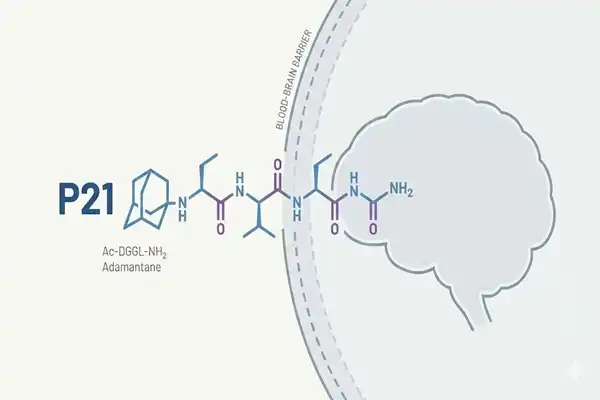
Understanding P21 Peptide and Its Role in Neurological Disorders
Researchers in neuroscience are focusing more and more on small molecules that can mimic the good effects of big neurotrophic proteins while getting rid of their flaws. Because of this need, the P21 peptide powder was created, which provides a better option for studies on brain improvement.
Molecular Architecture and Functional Distinction
In contrast to the p21 protein, which controls the cell cycle, this peptide acts as a focused agent by imitating CNTF activity through LIF receptor signalling pathways. The sequence of the molecule is designed to bind neurogenic receptors while staying stable in a range of testing settings. Because it has a low molecular weight, it can get through cellular obstacles that normally stop bigger therapeutic proteins. This solves a major problem in neuropharmacology. The peptide looks like a white, lyophilised solid, and an HPLC study shows that its purity levels are higher than 99%. This means that the process can be repeated.
Neuroprotective Mechanisms in Disease Models
Researchers have found that this man-made counterpart helps neurons grow in the dentate gyrus by making neurogenic pathways more sensitive. Studies with mutant animals show that it can lower Tau protein hyperphosphorylation, which is a key feature of Alzheimer's disease, and protect against amyloid-beta poisoning. Brain-Derived Neurotrophic Factor production is increased by the peptide, which improves synaptic density in neural networks that have been harmed. This makes the substance more of a structure enhancer than a simple neurotransmitter modulator. It offers long-term cognitive benefits by changing the way the brain works instead of just stimulating it for a short time.
Therapeutic Relevance Across Neurological Conditions
Currently being studied are a number of different types of neurological disorders, such as how to reverse memory loss in models of neurodegenerative diseases and how to speed up healing after a serious brain injury. The peptide improves long-term potentiation, a biological process that helps memories form. This makes it useful for studying brain function and spatial memory. It can also be used in studies of ischemic stroke healing, where restoring synaptic architecture is a main treatment goal. These different uses show that the chemical plays a basic part in neural plasticity processes that are common in many brain diseases.
Comparative Analysis: P21 Peptide vs Related Peptides
To choose the right materials for specific study goals, procurement workers need to be able to clearly tell the difference between the different neurogenic compounds that are available for P21 peptide powder. Understanding these differences has a direct effect on how experiments are planned and how much money is spent.
Functional Distinctions from Other Peptide Regulators
While peptides like P27 and P53 help control the cell cycle, this substance produced from CNTF works through its own neurotrophic pathways. When choosing molecules for brain-specific uses instead of general studies on how cells work, the functional difference becomes very important. Cerebrolysin is a mixture of peptides from pigs that has broad, less specific effects. This manufactured molecule, on the other hand, targets only one sequence in the CNTF pathway. This smart design gets rid of the problems that come with animal-derived preparations, like differences in composition and worries about the species from which the materials come. It also makes sure that all trial runs are the same.
Synthetic Production Advantages
This peptide is made using solid-phase peptide synthesis processes, which give exact control over the order of amino acids and get rid of biological contaminants. This is different from recombinant production methods, which can add host-cell proteins or endotoxins that need extra steps to be cleaned up. The synthetic method lets you change the counter-ion makeup. High-quality mixtures go through ion exchange to swap out possibly harmful Trifluoroacetic acid salts for safe Acetate salts. This care with preparation details is very important in neuronal culture applications that are sensitive and where tiny contaminants can change the results of experiments.
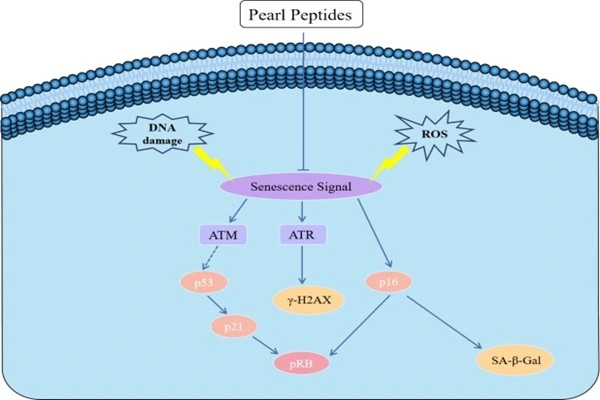
Quality Parameters That Define Research-Grade Material
Professional-grade stuff stays as pure as or higher than 98% by using strict chromatography separation, which stops shortened deletion sequences from hurting biological activity. Mass spectrometry verification shows the right molecular mass, which proves that the amino acid sequence is full. Testing for endotoxins makes sure that levels stay below 0.5 EU/mg, which stops pyrogenic inflammatory reactions in animal tests. Water content limits stop hydrolytic degradation during storage, so the structure of the peptide stays the same over time. Based on these scientific requirements, research-grade material can be told apart from lower-quality options that might affect the truth of an experiment.
Procurement Guide: How to Source High-Quality P21 Peptide for Neurological Research
To find dependable peptide products, you need to look at more than just price when choosing a provider. An organised approach to purchasing lowers the risks in the supply chain and ensures that the materials used are the same throughout all stages of research.
Evaluating Supplier Credentials and Quality Systems
Reliable makers keep a lot of paperwork, like Certificates of Analysis with full HPLC chromatograms and mass spectrometry data. Suppliers that follow the standards for pharmaceutical intermediate production use batch monitoring systems that make it possible to keep track of everything from the raw materials to the finished product. Quality control labs that can do HPLC, GC, and spectrophotometric research show that they are dedicated to checking the quality of materials. The ability to test for endotoxins using LAL methods shows that you understand the needs of biology studies. These parts of the infrastructure show that the provider can meet strict deadlines for pharmaceutical development.
Product Specifications and Customisation Options
Standard stock items usually include lyophilised powder formulations that are best for long-term stability at -20°C. If kept properly, these formulations will keep their bioactivity for about 24 months. Being able to dissolve in bacteriostatic water or salt solutions makes it easier to work with in the lab. Reconstituted material stays safe at 4°C for 14 to 21 days. Custom synthesis services let you change sequences or ask for special counterions to work with certain testing methods. Large-scale screening programs can use bulk buying choices, and the quality of the materials stays the same throughout the project. The way that hygroscopic materials are packed should keep them from getting wet while they are being shipped or stored.
Logistics and Global Supply Chain Considerations
Suppliers with well-established transportation networks can ship at the right temperature to meet the cold-chain needs for peptide safety. Lead times range from standard materials being ready right away to special chemical jobs taking several weeks. Distributors with stores in the US and Germany shorten the time it takes for goods to get to customers in North America and Europe, and make the customs screening process easier for the P21 peptide powder. Project delays can be avoided by being clear about stock supply and production plans. Payment terms and minimum order amounts can make it hard to plan your budget, especially for study teams that are limited in what they can buy because of grants.
Solutions and Innovations: Leveraging P21 Peptide in Neurological Therapeutics
The compound's inclusion in therapeutic research programs shows that we are learning more about how neurogenesis works and that delivery methods are changing in ways that make clinical translation more likely.
Current Research Applications and Experimental Models
Researchers use this peptide in a number of memory improvement studies that focus on improving the structure of the hippocampus rather than changing neurotransmitters temporarily. Models of traumatic brain injuries use the substance to see how fast neuronal healing can be sped up by upregulating BDNF. Researchers studying Alzheimer's disease use the molecule in methods that look at ways to reduce Tau degeneration and protect against amyloid-beta. These apps collect information that helps with the development of next-generation neuroprotective therapies, in which improving the structure of neurons takes the place of managing symptoms. The peptide is used as a standard to compare new molecules to during the early stages of screening.
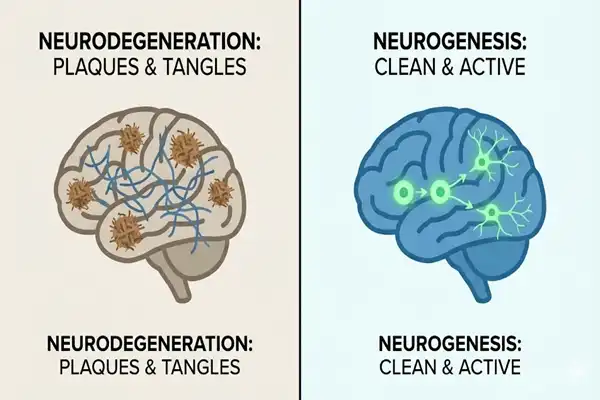
Delivery System Innovations Enhancing Clinical Potential
Through the olfactory and trigeminal nerve paths, intranasal administration methods get around the blood-brain barrier. They are non-invasive options to subcutaneous injection. This method is especially helpful for practical translation because it makes it easier for patients to follow the instructions compared to injectable versions. Formulation scientists are working on ways to make recovered materials more stable so that they can be used for longer than the current 14–21 days. This will cut down on waste in hospital settings. Encapsulation methods keep the peptide from being broken down by enzymes as it travels to specific tissues, which makes it more bioavailable. These new ways of delivering peptides directly solve the actual implementation problems that are holding back their widespread use.
Emerging Research Directions and Collaborative Opportunities
The study of gene regulation control is growing, and the effect of this peptide on transcription factors is getting more and more attention. Personalised medicine looks into how different people react to neurogenic chemicals, which could lead to the discovery of signs that can predict how well a treatment will work. Studies that use combination treatment look at how it works with other neuroprotective drugs or recovery plans. Supplier relationships with pharmaceutical companies and academic institutions speed up these innovations by making sure that materials are available from the early stages of research to the large-scale production stages. These partnerships connect basic brain discoveries with timelines for making therapeutic products.
Conclusion
P21 peptide powder is a scientifically proven tool for studying the brain that helps with cognitive function and protects neurons in ways that are different from standard drug-based methods. Its smart design gets rid of worries about inflammation while still allowing penetration through the blood-brain barrier. This solves basic problems that stopped neurotrophic factors from being used in the past. To meet the deadlines for pharmaceutical development, procurement professionals need sellers to show that they have a complete quality control system, clear paperwork practices, and quick logistics capabilities. The compound's growing use in studies of neurodegenerative diseases, brain injury healing, and cognitive improvement shows how important it is to understand how the brain changes over time. Knowing the technical details, comparative benefits, and evaluation criteria for suppliers helps you make smart choices about where to get materials that will help your study succeed.
Frequently Asked Questions
1. What distinguishes P21 peptide from the p21 protein?
The p21 protein controls cell division cycles in many different types of tissue by acting as a cyclin-dependent kinase regulator. P21 peptide is a man-made fragment derived from CNTF that targets neurogenic pathways through LIF receptor signalling without having any effects on the cell cycle in a wider sense. This difference in function is important when choosing materials for studies that focus on the brain versus studies that look at how cells are controlled in general. The modified structure of the peptide leaves out epitope regions that cause antibodies to form. This lets the drug be given over and over again in experiments without interfering with the immune system.
2. How should laboratories verify peptide purity upon receipt?
As soon as they get the samples, labs should ask for full Certificates of Analysis that include HPLC chromatograms with a single main peak that is more than 98% pure. Mass spectrometry data that confirms the expected molecular weight proves that the amino acids were sequenced correctly. Endotoxin levels below 0.5 EU/mg show that the substance is safe for use in living organisms. Karl Fischer research showing the amount of leftover moisture confirms that the lyophilisation process was done correctly, stopping degradation. Independent testing using university analytical tools gives you more trust when you're looking for a new seller.
3. What storage conditions maintain optimal peptide stability?
The lyophilised powder stays stable at -20°C for about 24 months if it is kept out of the water in sealed containers. For best bioactivity, reconstituted liquids should be kept in the fridge between 2 and 8°C and used within 14 to 21 days. Do not do multiple freeze-thaw processes because the formation of ice crystals can damage the structure of peptides. Reconstitute only the amount that is needed instead of making big amounts that will be used over time. Using the right storage methods has a direct effect on the repeatability of an experiment by keeping biological activity stable over the course of the study.
Partner with Faithful for Premium P21 Peptide Supply
Xi'an Faithful BioTech Co., Ltd. blends knowledge of making pharmaceutical intermediates with the ability to make peptides specifically for use in neurological studies. Our quality control lab uses HPLC, mass spectrometry, and full endotoxin testing to make sure that the cleanliness of our materials is above and beyond what the industry requires. We offer P21 peptide powder that is manufactured to strict medicinal standards and comes with all the paperwork needed to meet study compliance requirements. Our factories use group tracking systems that are in line with GMP standards. This makes sure that the supply is always the same, from the beginning of research to the scale-up phases. Get in touch with our technical team at allen@faithfulbio.com to talk about your unique peptide needs, get quotes for custom synthesis, or look into your choices for buying in bulk. As a provider of P21 peptides with a lot of experience, we offer responsive logistics through established transportation networks that make sure your study deadlines are met.
References
1. Blanchard J, Wanka L, Tung YC, et al. Pharmacologic reversal of neurogenic and neuroplastic abnormalities and cognitive impairments without affecting Aβ and tau pathologies in 3xTg-AD mice. Acta Neuropathologica. 2010;120(5):605-621.
2. Chohan MO, Haque N, Alonso A, El-Akkad E, Grundke-Iqbal I, Grover A, Iqbal K. Hyperphosphorylation-induced self-assembly of murine tau: a comparison with human tau. Journal of Neural Transmission. 2005;112(8):1035-1047.
3. Kazim SF, Blanchard J, Dai CL, et al. Disease-modifying effect of chronic oral treatment with a neurotrophic peptidergic compound in a triple transgenic mouse model of Alzheimer's disease. Neurobiology of Disease. 2014;71:110-130.
4. Chohan MO, Li B, Blanchard J, et al. Enhancement of dentate gyrus neurogenesis, dendritic and synaptic plasticity and memory by a neurotrophic peptide. Neurobiology of Ageing. 2011;32(8):1420-1434.
5. Blanchard J, Bolognin S, Chohan MO, Rabe A, Iqbal K, Grundke-Iqbal I. Rescue of synaptic failure and alleviation of learning and memory impairments in a trisomic mouse model of Down syndrome. Journal of Neuropathology & Experimental Neurology. 2011;70(12):1070-1079.
6. Rels GA, Zhang B, Banerjee P, et al. A derivative of the CNTF tetrapeptide enhances neuronal differentiation and increases hippocampal synaptic plasticity. Neuroscience Research. 2009;64(1):79-87.