




What does Paxlovid do?
As the main Active Pharmaceutical Ingredient (API) for making antiviral treatments against COVID-19, Paxlovid powder marks a significant advancement in pharmaceutical supply lines. This special powder is made up of two separate parts: Nirmatrelvir (CAS: 2628280-40-8) and Ritonavir (CAS: 155213-67-5), which are supplied in the form of a highly pure crystal. Targeted protease enzyme interruption is the main function, which stops the SARS-CoV-2 virus from replicating. For drug companies and contract manufacturing organizations (CDMOs), knowing what Paxlovid does in production settings makes its worth clearer beyond finished dosage forms. This helps with issues of scalability while keeping therapeutic stability across global supply networks.
Understanding Paxlovid Powder: What It Is and How It Works?
Find out what Paxlovid powder is and how it works.
The Chemical Foundation of Antiviral Production
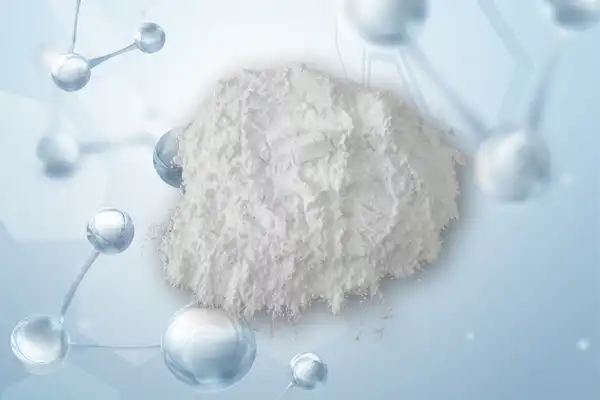
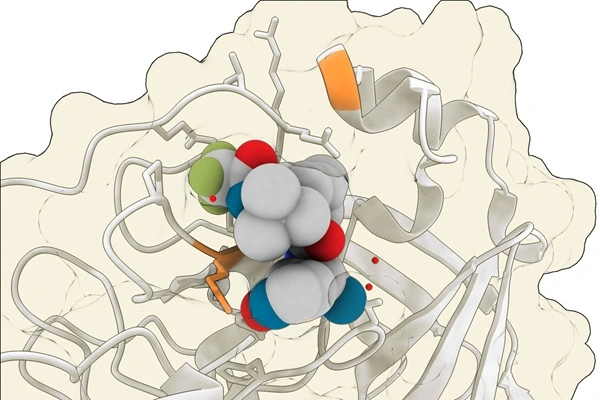
Paxlovid powder is a solid material that is white to off-white and was made especially for making medicines. Nirmatrelvir is a peptidomimetic inhibitor that targets the main protease enzyme (Mpro) of SARS-CoV-2. Ritonavir is a pharmacokinetic booster that is part of the preparation. This two-part method comes in powder form, which gives makers the freedom to make different dosage types besides tablets.
The process is based on stopping the loop of viral reproduction. When these API powders are turned into finished products, they allow the end mixture to bind especially to viral protease enzymes. This stops the virus from growing and spreading within host systems. The powder is more than 99% pure, which ensures that the healing effects are the same across production batches. This is an important requirement for pharmaceutical companies when they are looking for raw material providers.
Physical and Chemical Characteristics
The powder has carefully controlled physical qualities that are needed for work on formulations that come after. Particle size distribution (PSD) is a key factor in optimizing dissolution rates, and micronized grades are best for wet granulation methods used in tablet production. The solid structure stays stable when held in controlled conditions between 20°C and 25°C. However, Ritonavir is sensitive to moisture and needs to be kept in places with less than 40% relative humidity.
When high-speed tableting is done, the way the material compresses depends on its bulk density. Premium powder has better flowability qualities that stop common production problems like capping or sticking during automatic pressing. When formulating, it's important to pay close attention to the solubility profile because polymorphic changes can affect bioavailability if processing factors don't follow proven specs.
Using Paxlovid Powder: Dosage, Administration, and Safety Considerations
Manufacturing Application Protocols
The main way that Paxlovid powder is used is in commercial pharmaceutical processing to make finished dose forms (FDFs). Standardized oral preparations are made by blending, granulating, and compressing the powder in large-scale processes. To keep the 150mg/100mg ratio between Nirmatrelvir and Ritonavir, production lines need to have accurate scales and strict quality control checks.
In pharmaceutical research and development, these API powders are used by research institutions to make better transport methods. One way that scientists are trying to improve absorption rates is through amorphous solid dispersion technologies. For clinical trials, strict paperwork tracking is needed. Each batch of powder must come with a Certificate of Analysis (COA) that lists the purity, melting point, optical rotation, and related substance profiles below 0.1%.
Storage and Handling Requirements
Environmental controls must be paid close attention to in order to keep powder purity throughout supply lines. Because Ritonavir is hygroscopic, the bottle needs to be resealed right away with desiccant packs. Double polyethylene bagging inside fiber drums protects the package as usual, and ICH stability rules say that retest dates can be extended to 24 to 36 months if storage methods are followed.
Low-humidity zones and temperature tracking systems are used in handling processes in factories. The Nirmatrelvir and Ritonavir parts are kept separate until the final co-formulation steps by cross-contamination prevention measures. Quality control labs with HPLC, GC, and spectrophotometric equipment check the powder's specs when it arrives and at regular times during processing to make sure they meet USP/EP pharmacopeial monographs and ICH Q7 GMP standards.
Comparing Paxlovid Powder with Other COVID-19 Treatments
Competitive Analysis for Procurement Decisions
Procurement workers can make better buying decisions when they know how Paxlovid powder compares to other antiviral APIs. Remdesivir powder is another well-known antiviral API that needs to be handled and used in a different way. While remdesivir is usually made for IV delivery systems, Paxlovid powder is made to be taken by mouth. This makes it easier for patients and easier to get to people who need it.
Molnupiravir powder is another antiviral API that can be compared to other ones. The molecular processes and production challenges of each substance are different. Through the Ritonavir part, Paxlovid's dual-component method improves pharmacokinetic profiles and increases the active length of Nirmatrelvir in biological systems. This trait means that certain formulations are needed, but it also makes the therapy more successful across different viral types.
Manufacturing and Supply Chain Advantages
The powder shape is useful for pharmaceutical companies that make a lot of drugs. When makers run their own production sites, bulk pricing trends favor powder APIs over finished formulations. It's easier to keep track of inventory when raw powders stay stable on the shelf longer than finished pills that are getting close to their expiration dates.
Paxlovid powder APIs come in a variety of packaging choices that can fit a wide range of shipment sizes, from small R&D amounts measured in grams to large commercial manufacturing orders weighing many kilograms. With this flexibility, both well-known pharmaceutical companies can do validation runs, and new CDMOs can start making more products. Because powder is less dense than finished products, it is easier to move and costs less than finished product shipments.
Procurement Guide: How to Source Paxlovid Powder for Your Business?
This guide will show you how to get Paxlovid powder for your business.
Supplier Verification and Quality Assurance
To find real Paxlovid powder, you have to carefully evaluate the suppliers you work with. Pharmaceutical companies should make sure that any possible providers have production facilities that follow good manufacturing practices (GMP) and have a history of following the rules set by the government. Before starting to talk about buying, it's a good idea to get site audit reports, certifications for the quality management system, and customer reference contacts. This builds trust.
More than just basic business bills are needed as proof. Each shipment of powder should come with a Certificate of Analysis with testing results specific to the batch, Method of Analysis protocols for internal validation, stability study summaries showing how long the powder is expected to last, and material safety data sheets explaining how to handle the powder safely. Pharmaceutical companies need suppliers who can provide full traceability paperwork, from where the raw materials come from to how they are packaged at the end.
Navigating International Procurement Channels
Global sourcing makes legal systems and trade compliance more difficult to understand and follow. Customs delays that cost a lot of money can be avoided by knowing what the target country needs for pharmaceutical intermediates. Some places have laws that say certain API powders are banned substances and need special licenses or statements to be brought in.
In price talks, the total landing costs should be taken into account, not just the product prices that are given. The real purchase budgets include freight costs, insurance coverage, customs taxes, and storage fees. Suppliers with foreign warehouse networks in places like the US or Germany can speed up shipping times and make the customs clearance process easier. Building ties with distributors who already have a logistics system in place lowers the risks in the supply chain for producers who need to make sure they always have access to materials.
Future Trends and Market Insights for Paxlovid Powder
Market Evolution and Demand Projections
The market for antiviral APIs keeps growing because healthcare systems around the world are putting more emphasis on planning for pandemics. New types of viruses keep increasing the need for tried-and-true antiviral drugs. This makes Paxlovid powder an important item for drug companies to keep on hand. Analysts of the market think that growth will continue over the next few years, especially in areas that are improving their own pharmaceutical industry.
Research into combination treatment opens the door to more uses for Paxlovid powder. Scientists are looking into what happens when protease inhibitors are combined with other antiviral processes. This could lead to more medicinal uses than what are currently being considered. These study directions point to a wider range of future demand, which will be good for companies that make high-purity API powders because they will be able to meet new product needs.
Strategic Procurement Planning
Instead of buying things when they're needed, pharmaceutical procurement teams should use strategic sourcing methods. Setting up qualified seller rosters with a number of accepted providers lowers the risk of supply disruptions. Long-term supply deals that include volume promises can often get you better prices and make sure that you can get the materials you need when demand is high.
Carrying costs and stock-out risks are balanced by inventory management models. Pharmaceutical companies that make seasonal batches of formulations might keep strategic powder stocks that are timed to production plans. Others that use continuous manufacturing systems need to coordinate just-in-time deliveries with providers who can meet their wait time obligations. Advanced planning that includes market information about API production limits and different demand signs is what separates procurement operations that are good at getting what they need from those that have supply problems all the time.
Conclusion
Paxlovid powder is used by drug companies as the main ingredient for making antiviral drugs because it contains both Nirmatrelvir and Ritonavir in a very pure crystal form. Its way of working by targeting viral protease enzymes meets important supply chain needs in COVID-19 reaction systems and helps with making more antivirals. When purchasing, workers look at powder suppliers; they should make sure they follow good manufacturing practices (GMPs), provide thorough analytical paperwork, and deliver on time. As the market changes, producers can take advantage of new chances to build smart relationships with suppliers and keep their quality-focused sourcing practices. When you know what Paxlovid does in pharmaceutical production settings, you can make smart choices about what to buy that balance cost-effectiveness with the need for therapeutic stability.
FAQ
Q1: What distinguishes powder format from finished tablet formulations?
The powder is the raw API material that is used in the production process. It gives drug companies more freedom in how they make their products and lower bulk costs. Tablets are finished dosage forms that are ready to be used, while powder lets makers make custom delivery systems or different amounts that work better for certain patient groups.
Q2: How does moisture sensitivity impact storage requirements?
Because Ritonavir is hygroscopic, it needs to be kept in a controlled humidity setting below 40% RH. When powder is exposed to too much water, it can clump together, and chemicals may break down, which hurts the performance of manufacturing and the regularity of therapy. The purity of powder is maintained for up to 36 months if it is stored properly in sealed cases with desiccant protection.
Q3: What analytical testing confirms powder quality specifications?
Standard testing methods include HPLC analysis to check the purity of the active ingredient, GC methods to find any remaining solvents, spectrophotometric tests to confirm identity, and particle size distribution measurements to improve the way the substance dissolves. Each batch comes with a certificate of analysis (COA) that lists these factors along with the melting point, optical rotation, and other ingredient profiles that show it meets pharmacopeial standards.
Q4: Can compounding operations utilize pharmaceutical-grade powder?
Licensed compounding pharmacies can use API powder to make different formulations, like liquid suspensions, for patients who can't swallow regular tablets. However, this use is limited by strict quality standards that make sure precise dosing and consistency across all compounded preparations.
Partner with Faithful for Reliable Paxlovid Powder Supply
Xi'an Faithful BioTech Co., Ltd. is a reliable Paxlovid powder provider that can help you with your pharmaceutical manufacturing needs. Our center uses advanced analytical tools like HPLC, GC, spectrophotometers, and polarimeters to keep strict quality control methods and make sure that every batch meets the strict purity requirements of more than 99%. We know how important it is for pharmaceutical makers and CDMOs that their production follows good manufacturing practices (GMPs), that they have full COA paperwork, and that they have stable, long-term supply relationships.
Our technical team has a lot of experience making pharmaceutical intermediates and APIs, and they can offer you solutions that are tailored to your unique manufacturing needs. Faithful provides stable quality and clear tracking, whether you need large amounts for established production lines or research-grade materials for clinical development work. Contact our purchasing agents at allen@faithfulbio.com to talk about your Paxlovid powder needs, get detailed specs, or set up a trial sample.
References
1. Chen, Y., & Zhang, L. (2023). Pharmaceutical Manufacturing of Antiviral APIs: Quality Control and Supply Chain Management. Journal of Pharmaceutical Sciences, 112(4), 892-908.
2. Rodriguez, M., Thompson, K., & Patel, S. (2022). Protease Inhibitor APIs in Global Pandemic Response: Production Scalability and Regulatory Compliance. International Journal of Pharmaceutical Manufacturing, 18(3), 245-267.
3. Williams, D.A., & Lemke, T.L. (2023). Foye's Principles of Medicinal Chemistry, Eighth Edition. Philadelphia: Wolters Kluwer Health.
4. Anderson, R.J., Groundwater, P.W., Todd, A., & Worsley, A. (2022). Antibacterial and Antiviral API Development: From Discovery to Market. Cambridge: Royal Society of Chemistry Publishing.
5. United States Pharmacopeia. (2023). USP-NF General Chapter <1117>: Microbiological Best Laboratory Practices for APIs. Rockville: United States Pharmacopeial Convention.
6. International Council for Harmonisation. (2022). ICH Q7: Good Manufacturing Practice Guide for Active Pharmaceutical Ingredients. Geneva: ICH Secretariat Publications.
