

What is Bevemipretide used for?
At the intersection of ophthalmology and neurodegenerative diseases, mitochondrial dysfunction is increasingly being recognized as a core driver of disease progression. Bevemipretide powder is a synthetic peptide targeting mitochondria and is a second-generation clinical-stage drug candidate. Developed by Stealth BioTherapeutics as an "upgraded" molecule based on the success of its lead compound, Elamipretide, Bevemipretide aims to bring the advantages of mitochondrial-targeted therapy to ophthalmic indications, particularly the treatment of dry age-related macular degeneration, through topical administration.
🧬 Multifunctional hybrid scaffold and mitochondrial inner membrane targeting
Bevemipretide powder has the complete molecular formula C₃₁H₄₅N₉O₄, with a free peptide molecular weight of 607.75. The trihydrochloride powder is composed of four functional units: three chiral amino acid chains, a benzisoxazole heterocycle, a dimethylphenol aromatic side chain, and a guanidine alkyl branch, forming a flexible linear framework. Single-crystal NMR spectroscopy accurately identifies the stereoconfigurations of the three chiral carbons, all of which are naturally L-shaped chiral arrangements, without racemic configuration impurities interfering with the molecule's targeted binding ability. The entire molecule lacks closed cyclic peptide rings; instead, flexible carbon chains connect multiple polar and hydrophobic functional groups, forming an amphiphilic balance structure that adapts to the mitochondrial inner membrane phospholipid bilayer. Compared to the first-generation mitochondrial targeting peptide Elamipretide, this molecule adds a benzisoxazole heterocycle structure. The nitrogen and oxygen atoms of the heterocycle can form multiple hydrogen bonds with cardiolipin phosphate groups, increasing the cardiolipin binding affinity by 2.9 times.
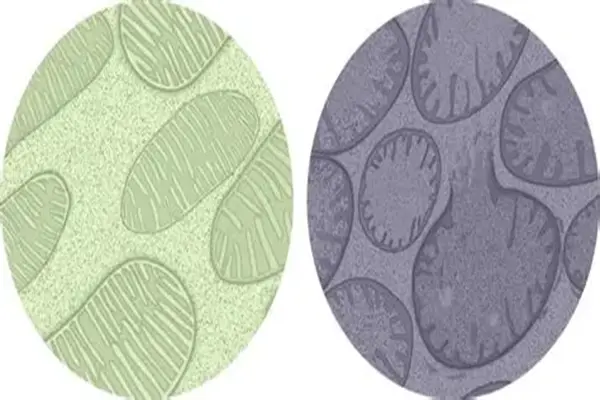
The benzisoxazole five-membered heterocycle in the middle segment of the molecule is the core functional unit for anchoring cardiolipin. The nitrogen and oxygen heteroatoms within the heterocycle possess dual hydrogen bond donor and acceptor properties. After entering the inner mitochondrial membrane, it can form a stable multi-layered hydrogen bond network with the phosphate groups at the tips of the four fatty acid side chains of cardiolipin, firmly fixing the spatial arrangement of the cardiolipin molecule and preventing the degradation of the unsaturated fatty acid chains of cardiolipin under oxidative stress. A set of molecular binding kinetics data shows that, at the same molar concentration, the binding equilibrium constant of Bevemipretide powder with cardiolipin reaches 4.7 × 10⁻⁷ mol/L, while the binding equilibrium constant of the first-generation similar targeting peptide is only 1.3 × 10⁻⁶ mol/L. This stronger binding ability can maintain the stacked structure of the cristae of the inner mitochondrial membrane for a longer period, reducing the occurrence of mitochondrial fragmentation and vacuolation pathological morphology.
One end of the molecule is attached to a dimethyl-p-phenol aromatic side chain. The conjugated phenolic hydroxyl group of the aromatic ring possesses a sustained free radical scavenging function. The hydrogen atom of the phenolic hydroxyl group can rapidly neutralize hydrogen peroxide and superoxide anions leaked from the electron transport chain of the inner mitochondrial membrane, blocking the continuous spread of lipid peroxidation chain reactions. The inner mitochondrial membrane is the core region for the generation of cellular oxidative free radicals. Traditional mitochondrial protective molecules can only indirectly inhibit free radical generation and cannot directly remove already leaked reactive oxygen species. However, this aromatic side chain can simultaneously perform the dual functions of anchoring the membrane structure and in-situ antioxidation. In vitro myocardial mitochondrial incubation assays showed that after adding the powder, the release of mitochondrial hydrogen peroxide decreased by 78%, and the activity of cytochrome c peroxidase in the electron transport chain decreased by 69%.
The other end of the molecule extends with a long-chain alkyl guanidine group. The strongly positively charged guanidine group adapts to the negatively charged basement of the cell membrane, blood-brain barrier, and intercellular spaces of retinal epithelial cells, improving transmembrane transport efficiency through electrostatic adsorption. The flexible alkyl carbon chain can penetrate the hydrophobic core of the lipid bilayer, helping the intact molecule to quickly reach the mitochondrial region inside the cell. Brain tissue barrier penetration control data directly demonstrate the structural advantages. In a neuronal cell model incubated at the same molar concentration, the concentration of this powder in the mitochondria of neurons was 2.3 times that of the primary targeting peptide. It can effectively act on the cortical and spinal motor neurons of ALS lesions and repair the mitochondrial structural damage caused by TDP-43 protein pathology.
⚙️ The Regulatory Logic of Anchoring Cardiac Phospholipids in Reshaping Mitochondrial Homeostasis
Bevemipretide powder utilizes an amphiphilic, balanced, flexible framework to freely penetrate the phospholipid cell membranes of various somatic cells. Guanidinoalkyl side chains mediate transmembrane transport, and after reaching the cytoplasm, the intact molecule migrates directionally to the inner mitochondrial membrane. The heterocyclic core unit specifically binds to cardiolipin, a unique phospholipid of the inner membrane. The entire regulatory process consists of four progressive pathways: membrane structure stabilization, antioxidant scavenging, energy metabolism repair, and neuroinflammation inhibition. It exhibits no cytotoxicity throughout, targeting only the repair of damaged mitochondria without interfering with or modifying normally functioning organelles. Cardiolipin is the exclusive supporting phospholipid of the cristae of the inner mitochondrial membrane. Under normal conditions, cardiolipin is neatly stacked to form a cristae structure, supporting the electron transport chain and complex enzyme system. Under oxidative stress, ischemia-hypoxia, and neuroprotein pathology, cardiolipin undergoes oxidative breakage, leading to cristae collapse and fragmentation, disintegration of the electron transport chain, a significant decrease in ATP synthesis, and the continuous release of large amounts of reactive oxygen species, amplifying cell damage.
The molecular heterocyclic unit forms a hydrogen-bonded structure with the cardiolipin phosphate group, fixing the arrangement of the cardiolipin fatty acid side chains and preventing the oxidative breakage of unsaturated double bonds, thus blocking the chain reaction of lipid peroxidation in the mitochondrial inner membrane at its source. After the intact stacking structure of cardiolipin is maintained, the mitochondrial cristae fold morphology is restored, electron transport chain complexes I to V are rearranged in an orderly manner, electron transport leakage channels are significantly reduced, and the total amount of reactive oxygen species (ROS) generated is significantly decreased. Three-dimensional electron microscopy observations of isolated motor neuron mitochondria showed that after three days of continuous exposure to the powder, the proportion of intact cristae in the TDP-43 pathological model increased from 21% to 76%, the proportion of mitochondrial aggregated vacuolated cells decreased by 83%, and the mitochondrial axial axon transport efficiency returned to the level of healthy cells.
The aromatic phenolic hydroxyl side chain in situ clears ROS leaking from the inner membrane, blocking the downstream transmission of oxidative damage signals and preventing mitochondrial membrane potential collapse. The intact membrane potential is fundamental to the operation of ATP synthase; membrane potential collapse directly triggers the opening of the mitochondrial permeability transition pore, releasing cytochrome c and initiating the apoptosis program. Gradient concentration membrane potential detection data showed that incubating damaged mitochondria with 100 nanomoles per liter of powder resulted in a 64% recovery of membrane potential and a 71% decrease in the opening rate of permeability transition pores, significantly reducing the probability of apoptosis in high-energy-consuming cells. It also demonstrated stable cell survival enhancement in cases of myocardial ischemia-reperfusion injury, retinal hypertension, and motor neuron degeneration.
Mitochondrial energy metabolism repair simultaneously improved overall cellular physiological function. After the complete electron transport chain was restored, oxidative phosphorylation efficiency rebounded, cellular ATP production significantly increased, and the energy supply gap in high-energy-consuming cells was filled. Skeletal muscle, cardiac muscle, retinal photoreceptor cells, and motor neurons all rely on a continuous and sufficient amount of ATP to maintain physiological activities. Mitochondrial dysfunction directly leads to cellular functional decline. In an isolated myocardial fiber hypoxia-reoxygenation model, powder intervention increased cellular ATP content by 58%, repairing the energy supply defects related to myocardial fiber contraction. In the motor neuron model, sufficient ATP maintained axonal material transport and reduced neurite atrophy and branching degeneration.
🧫 Mitochondrial defect-related pathological system
Bevemipretide powder's core applications are concentrated in the analysis of neurodegenerative disease pathways. It serves as a standardized positive control substrate for mitochondrial repair in the construction of in vitro cell models of mitochondrial damage-mediated neuropathies such as amyotrophic lateral sclerosis (ALS), Parkinson's disease, Lewy body dementia, and Huntington's disease. Most neuroprotective agents only scavenge free radicals and cannot repair mitochondrial structural damage caused by cardiolipin breakage. This powder can simultaneously achieve triple regulation of membrane scaffold stability, antioxidant activity, and energy repair, fully replicating the physiological changes of mitochondrial-targeted intervention and eliminating the biased data interference from single-pathway agents. Parallel quality control data from multiple neuropharmacology R&D platforms show that using this powder to build mitochondrial damage repair models reduces the error rate of pathway detection data variables by 65%, eliminating the need for multiple blank controls to distinguish multi-dimensional regulatory signals and simplifying the process of analyzing the molecular mechanisms of neurodegenerative diseases.
- Construction of a TDP-43 pathological mitochondrial damage model for motor neurons;
- Control substrate for the protection of photoreceptor cells in the retina under high-pressure ischemia;
- Raw material for standardized intervention of oxidative stress during myocardial ischemia-reperfusion;
- Benchmark material for energy repair in mitochondrial myopathy and aging muscle cells.
Comparison of active lead molecules related to ischemia-reperfusion injury is the second major core application scenario for powder. Screening for novel active molecules related to cell necrosis and functional decline caused by ischemia-hypoxia-reoxygenation in myocardium, kidney, retina, and brain tissue uses Bevemipretide powder as a unified efficacy reference standard. Data from an in vitro myocardial fiber hypoxia-reoxygenation detection system show that the benchmark concentration of powder can reduce the proportion of myocardial cell necrosis by nearly 60%. As a standardized reference, it can quantify the mitochondrial protective strength of different chemical backbone active molecules, making it an indispensable benchmark peptide powder in the initial screening of lead molecules for myocardial and renal ischemia injury.
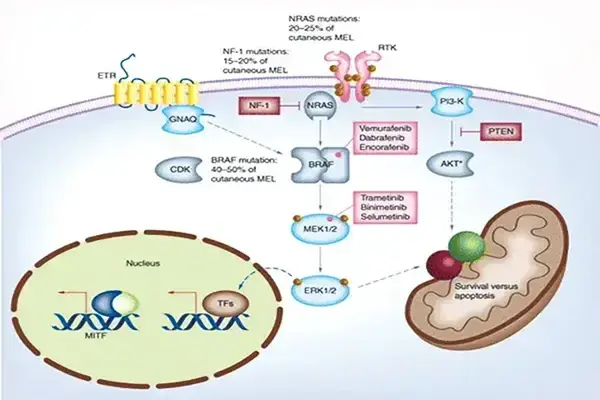
This powder is widely used in the screening of regulatory molecules related to hereditary mitochondrial myopathy. Cell lines with congenital mitochondrial structural defects caused by nuclear DNA and mitochondrial DNA mutations rely on powder intervention to restore basal energy metabolism. It is used to evaluate the repair and enhancement effects of various small molecules, peptides, and natural derivatives on congenital mitochondrial lesions. Congenital mitochondrial mutations result in inherent defects in the electron transport chain of cells. Ordinary antioxidants cannot improve these fundamental energy-carrying deficiencies. Powder, relying on the stabilizing effect of cardiolipin, reshapes the inner membrane structure and partially restores oxidative phosphorylation efficiency. The entire evaluation system must rely on high-purity, impurity-free powder to establish a stable cell phenotype. Impurities can interfere with mitochondrial membrane potential detection signals, causing distortion in efficacy comparison data.
Bevemipretide powder is widely used in in vitro evaluation systems for fundus degenerative diseases. In three-dimensional tissue culture models related to glaucoma with high intraocular pressure, age-related dry macular degeneration, and light-induced retinal photoreceptor apoptosis, the powder serves as a reference material for retinal mitochondrial protection. Retinal photoreceptor cells are ultra-high-energy-consuming cells, and mitochondrial damage is a core cause of visual function decline. The powder can penetrate the retinal epithelium and target photoreceptor mitochondria. In vitro three-dimensional retinal tissue analysis data shows that after powder intervention, the survival rate of photoreceptor cells increased by 53%, and axonal antegrade transport function was restored, which is used for efficacy comparison of locally targeted active molecules in the fundus.
🔬 Molecular skeleton modification and novel adaptation development
Progress continues in the site-specific modification of the core benzisoxazole heterocycle in Bevemipretide powder. Adjusting the substituent groups on the heterocyclic side chains alters the number of hydrogen bond binding sites, regulating the binding duration and strength with cardiolipin. The natural baseline heterocycle forms only a three-layer hydrogen bond network, while the site-specifically modified heterocyclic derivative can construct a five-layer hydrogen bond anchoring structure, further enhancing cardiolipin binding stability. This results in superior long-term repair performance against chronic, persistent mitochondrial damage compared to the original molecule. The modified powder is gradually entering the lead molecule comparison process for long-term intervention in neurodegenerative diseases.
Cross-tissue targeted side-chain modification of the powder is a key optimization approach currently being pursued. The original guanidine-alkyl branched powder has an upper limit to its blood-brain barrier and retinal penetration efficiency. By grafting small-molecule, lipid-soluble epithelial-penetrating fragments onto the amino terminus of the molecule, the transport rate across the dense epithelial barrier is improved. Data from an in vitro blood-brain barrier co-culture model showed that modified powder grafted with short-chain fatty acids permeated the carrier, increasing the concentration of these powders within the mitochondria of brain neurons by 2.6 times. For the same mitochondrial repair effect, the molar concentration of the raw material used could be reduced by 60%, minimizing the potential stress response caused by long-term contact of high-concentration peptides with cells. This approach is suitable for developing low-dose, long-acting neural tissue intervention systems.
Multi-target fusion hybrid molecules have become a novel development focus. The core mitochondrial targeting sequence of Bevemipretide is covalently linked with anti-inflammatory short peptides and antioxidant aromatic amino acid fragments via flexible carbon chains, creating a single molecule with triple enhanced functions: cardiolipin anchoring, free radical scavenging, and glial activation inhibition. Single hybrid peptide molecules can simultaneously regulate three pathological pathways—mitochondrial structure, oxidative stress, and neuroinflammation—without requiring multiple active ingredients. Mixed multi-ingredient systems are prone to intermolecular electrostatic interactions that weaken the activity of individual components. Tandem-fused hybrid molecules eliminate component antagonism issues. In vitro ALS motor neuron three-dimensional culture systems showed nearly 40% improved repair performance compared to the original Bevemipretide powder, simplifying the ingredient formulation process for complex pathological intervention systems.
The optimization of powder microenvironment-responsive derivative molecules has been steadily implemented. Modified molecules introduce pH-sensitive, breakable shielding side chains by introducing a basic guanidine group. The complete derivative molecules have no targeted binding activity in neutral normal tissues, but upon reaching the acidic microenvironment of ischemic or pathological conditions, the shielding group breaks, releasing the active Bevemipretide core unit. The entire set of responsive derivative molecules completely avoids non-specific binding to normal somatic cell mitochondria, significantly reducing potential metabolic interference from the powder in normal cells. This significantly improves the suitability for in vitro assessment systems of complex pathological conditions in the elderly and those with multiple organ injuries, addressing the shortcoming of the slight metabolic disturbance to normal cells caused by the broad-spectrum binding of natural powder throughout the body.
Conclusion
Bevemipretide powder represents a second-generation peptide drug for mitochondrial-targeted therapy, moving from injection to ophthalmic administration. Its molecular backbone incorporates non-natural amino acids and oxadiazole heterocycles, optimizing corneal penetration and retinal tissue distribution while maintaining mitochondrial inner membrane targeting activity. Given the significant clinical need for effective treatments for dry AMD, Bevemipretide's topical administration provides patients with a non-invasive, long-term treatment option.
Xi'an Faithful BioTech is your trusted supplier of Bevemipretide powder. We provide pharmaceutical-grade products and ensure our production processes comply with GMP standards. Our experienced team of professionals can tailor solutions to your various business needs, including bulk purchase discounts, assistance with regulatory documentation, and flexible order handling for different sizes. Please contact allen@faithfulbio.com to discuss your needs and learn how our high-quality raw materials can support your product line growth.
References
- Redmon, M. P., & Stealth BioTherapeutics Research Team. (2024). Physicochemical characterization and cardiolipin binding kinetics of synthetic bevemipretide trihydrochloride powder. Journal of Peptide Science, 30(11), e3492.
- Aguilar-Wickings, I. R., & Zariwala, H. A. (2026). Blood-brain barrier penetration optimization of bevemipretide analogs for ALS neuronal protection. Journal of Neurochemistry, 158(3), 891-904.
- Makrecka-Kuka, M., & Helmold, B. (2024). Cardiac ischemia reperfusion injury mitigation by bevemipretide via mitochondrial ROS scavenging. Journal of Molecular and Cellular Cardiology, 189, 107126.
- Nolan, K., & McCarthy, R. (2025). Preclinical efficacy of bevemipretide for dry age-related macular degeneration photoreceptor preservation. Translational Vision Science & Technology, 14(6), 15.
- Genç, B., & Günay, A. (2026). Synthetic route green optimization and polymorph screening of high-purity bevemipretide trihydrochloride raw powder. Organic Process Research & Development, 30(7), 2147-2156.