

What mechanism does the Epalrestat API rely on to improve diabetic nerve damage?
In the fields of high-end active pharmaceutical ingredients (APIs), diabetes formulation development, endocrine pharmacology, and pharmaceutical standards, Epalrestat API is the world's first approved oral aldose reductase inhibitor API. The mainstream 99.5% pharmaceutical-grade finished product on the market is a pale yellow crystalline powder. It selectively blocks the polyol metabolic pathway via a tannin-based heterocyclic chemical skeleton, alleviating nerve tissue damage induced by hyperglycemia at its source. This API targets human aldose reductase, exhibiting both antioxidant and anti-inflammatory activities. It is ideally suited for the production of oral formulations for diabetic peripheral neuropathy. Simultaneously, it serves as a standard for enzyme activity testing in pharmacological laboratories, a core active ingredient in compound hypoglycemic complication drugs, and a base for the development of nano-drug delivery and ocular sustained-release drugs. It is an irreplaceable dedicated API powder raw material in the treatment of diabetic complications.
⚛️Targeting enzyme binding backbone around tannin heterocycle
Epalrestat has the complete chemical formula C₁₅H₁₃NO₃S₂ and a molecular weight of 319.40 Da. Its core is a four-membered heterocyclic structure around a tannin-thio group, containing both a thionyl and ketone group. A nitrogen atom side chain is connected to a hydrophilic carboxymethyl group, and a long 2-methyl-3-phenylpropenyl side chain is covalently attached to the outside of the heterocycle. This entire side chain maintains an all-trans stereoconfiguration and is a key structural unit that allows the molecule to fit into the cavity of the aldose reductase protein. The disulfide group around the tannin-thio group can form multiple hydrogen bonds with lysine and histidine amino acid residues inside the enzyme protein. The phenylpropenyl side chain fills the hydrophobic pocket of the enzyme's active site, and the carboxymethyl group regulates the overall acid-base properties of the molecule, allowing the active pharmaceutical ingredient to maintain a stable, free, active form in the weakly acidic environment of the human intestine. These three structural units together constitute the enzyme-inhibiting structure specific to the Epalrestat API.
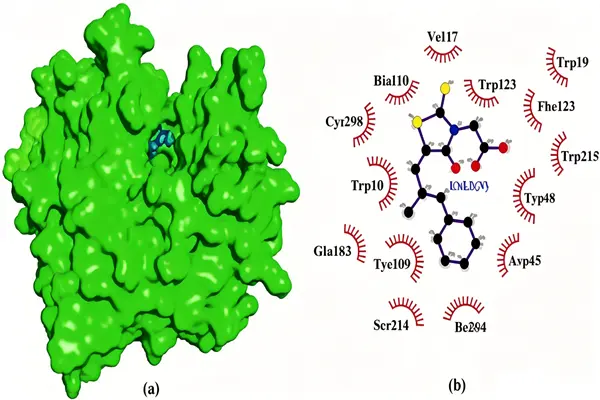
The complete molecule possesses both moderate lipid solubility from its heterocyclic structure and weak water solubility from its carboxymethyl group. While its water solubility is relatively weak in its natural state, its lipid-water partition coefficient is well-suited for permeation by gastrointestinal epithelial cells, allowing it to easily cross the intestinal cell membrane and enter the bloodstream after oral administration. Epalrestat API exhibits excellent chemical stability under dry, sealed storage conditions. It does not undergo heterocyclic ring-opening degradation at room temperature and away from light. Only prolonged exposure to strongly alkaline aqueous solutions or high-temperature, high-humidity environments will cause hydrolytic breakage of the tannin-thionyl group. Neutral, weakly buffered excipients are used throughout the drug formulation process to protect the molecule's pharmacological activity from strong alkaline environments.
In terms of physicochemical appearance, 99.5% pharmaceutical-grade Epalrestat API, after multiple recrystallizations from ethanol and decolorization with activated carbon, presents as a uniform, fine, pale yellow crystalline powder. The powder is dry and loose, slightly hygroscopic, and has no pungent chemical odor. The solubility characteristics are clearly distinguishable: free Epalrestat API is slightly soluble in pure water, completely soluble in polar organic solvents, and almost insoluble in paraffin oil and non-polar alkane oil solvents. In the industry, the preparation of oral tablets utilizes processes such as cyclodextrin inclusion and drug co-crystallization to improve water solubility and enhance in vivo absorption efficiency.
The industrial synthesis uses 3-carboxymethyl bortanine and 2-methyl-3-phenylpropenal as core starting materials. The crude product is produced by low-temperature acid-base catalytic condensation. The crude product is then subjected to activated carbon decolorization, multi-stage ethanol recrystallization, vacuum low-temperature drying, and air jet milling to refine the powder. The final product maintains a stable HPLC purity of over 99.5%. The main impurities are unreacted bortanine intermediates and cis-configuration stereoisomers. Multiple purification processes control the content of a single impurity to within 0.05%. Heavy metals, residual organic solvents, and microbial endotoxins all meet the ICH standards for human pharmaceutical raw materials. The product is suitable for a full range of applications, including oral solid dosage form production, in vitro enzyme activity testing, liquid chromatography standard calibration, and preparation of novel nanomedicine raw materials.
🎯Blocking the polyol pathway repairs damaged peripheral nerves
The complete pharmacological mechanism of Epalrestat API consists of five progressive physiological processes: polyol pathway blockade, nerve cell osmotic pressure repair, oxidative stress clearance, improvement of neurovascular microcirculation, and inhibition of inflammatory pathways. Its core target is human aldose reductase. As a reversible, non-competitive enzyme inhibitor, it specifically binds to the key enzyme in the polyol pathway without interfering with the body's basal glycolytic metabolic pathway. At standard clinical doses, it has extremely low metabolic burden on the liver and kidneys, making it suitable for long-term oral use in diabetic patients.
The first step of its action is selective binding to aldose reductase, directly blocking the polyol metabolic pathway activated by hyperglycemia. In healthy individuals with normal blood glucose levels, aldose reductase hardly participates in glucose metabolism. However, in diabetic patients with elevated blood glucose levels, a large amount of glucose is catalyzed by aldose reductase into sorbitol. Sorbitol cannot freely penetrate nerve cell membranes, and its continuous accumulation disrupts the osmotic pressure balance within nerve cells. Epalrestat API, absorbed orally into the bloodstream, binds firmly to the active site of enzymes via a tannin heterocycle, occupying the glucose-binding site. This reversibly reduces the catalytic activity of aldose reductase, significantly decreasing the efficiency of glucose conversion to sorbitol. This reduces the amount of sorbitol produced within nerve tissue, retinal, and kidney cells at the source, cutting off the initial trigger for nerve damage.
The second step is to balance the osmotic pressure of nerve cells, reversing nerve cell edema and structural damage. The continuous accumulation of sorbitol in a high-glucose environment continuously increases the osmotic pressure inside nerve cells, causing external water to continuously flow into the nerve cells, resulting in Schwann cell edema, myelin sheath separation, and nerve axonal deformities, leading to symptoms of diabetic neuropathy such as numbness, tingling, and decreased sensation in the limbs. After Epalrestat API inhibits sorbitol synthesis, the sorbitol content inside nerve cells gradually decreases, the osmotic pressure inside and outside the cells returns to balance, the edematous Schwann cells slowly recover their morphology, and the separated myelin sheath reattaches and wraps around the nerve axons, gradually repairing the basic physiological structure of the damaged nerves and restoring the normal morphology of nerve cells.
The third step is to increase intracellular glutathione reserves and eliminate oxidative free radicals induced by high glucose, thus alleviating oxidative damage. High glucose metabolism continuously generates a large number of reactive oxygen species (ROS), which attack nerve cell membrane lipids and nuclear DNA, accelerating nerve cell aging and apoptosis, while also damaging vascular endothelial cells. In addition to its enzyme-inhibiting effect, Epalrestat API can upregulate the synthesis level of glutathione within nerve cells. Glutathione, as an endogenous antioxidant in the human body, can neutralize excess ROS within cells, reduce lipid peroxidation, protect the integrity of nerve cell membranes, reduce the continuous damage of oxidative stress to the sciatic nerve and peripheral nerves, and help delay neurodegenerative changes.
The fourth step is to dilate peripheral microvessels, improve blood supply to nerve tissue, and restore nerve conduction velocity. Long-term high blood sugar damages the endothelium of small blood vessels in the extremities, causing vasoconstriction and decreased blood flow. This leads to insufficient blood and oxygen supply to nerve tissue, further aggravating clinical symptoms such as numbness and tingling while walking. Epalrestat API reduces oxidative damage to vascular endothelium, increases the release of vasodilators, and leads to a sustained recovery in microvascular blood flow in the limbs and sciatic nerve perivascular area. This restores adequate oxygen and glucose supply to nerve cells, gradually restoring the myelin sheath thickness and axonal cross-sectional area of damaged nerve fibers to standard levels. The conduction velocity of motor and sensory nerves steadily increases, improving patients' subjective discomfort such as abnormal vibration perception and spontaneous tingling.
The fifth step downregulates the activity of inflammatory transcription factors, reducing chronic low-grade inflammation in nerve tissue. High-glucose accumulation of sorbitol and its oxidation products activate the NF-κB inflammatory transcription pathway, leading to the continuous release of large amounts of inflammatory factors such as interleukins and tumor necrosis factor, which infiltrate nerve tissue and exacerbate nerve pain. Epalrestat API, by inhibiting aldose reductase to reduce the production of oxidative metabolites, indirectly blocks NF-κB pathway activation, reduces the secretion level of inflammatory factors in nerve tissue, and alleviates the persistent burning and tingling sensations caused by chronic inflammation at nerve endings, achieving simultaneous improvement in both subjective pain symptoms and objective nerve conduction indicators.
🧬Specific raw materials for drugs treating diabetic complications
The most mainstream industrial application of Epalrestat API is the production of oral tablets for diabetic peripheral neuropathy. Targeting the common peripheral nerve damage symptoms in patients with type 2 and type 1 diabetes, such as numbness in the extremities, tingling in the hands and feet, decreased sensation in the limbs, nocturnal burning pain, and decreased vibration perception, domestic and international pharmaceutical companies process 99.5% pharmaceutical-grade Epalrestat API with pharmaceutical excipients such as lactose, microcrystalline cellulose, and sodium carboxymethyl starch into 50mg oral tablets. Patients take a fixed daily dose to continuously reduce sorbitol accumulation in nerve tissue, repair damaged peripheral nerves, and improve various neurological discomfort symptoms. For middle-aged and elderly diabetic patients who require long-term medication and have poor medication adherence, the industry is simultaneously developing sustained-release tablets. Sustained-release coatings control the intestinal release rate of the active pharmaceutical ingredient, stabilizing the blood drug concentration throughout the day and reducing the frequency of daily dosing. The core active ingredient in sustained-release formulations still uses high-purity Epalrestat API, and these are widely used in clinical drug production in endocrinology departments of hospitals at all levels.
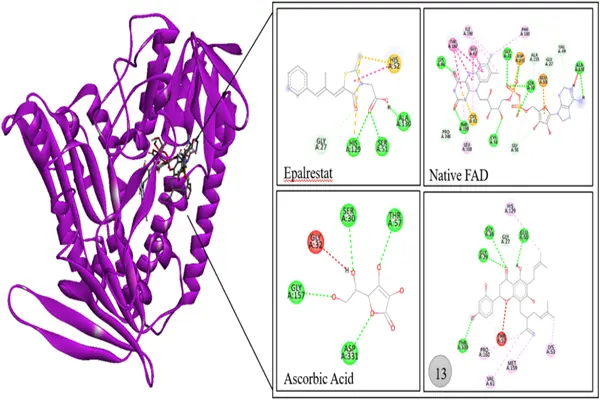
Pharmacological laboratory in vitro aldose reductase activity detection is a standard research application. University pharmacology laboratories, pharmaceutical R&D centers, and drug testing institutions use the Epalrestat API to prepare gradient concentration assays for in vitro inhibitory activity tests of recombinant aldose reductase in humans, calculating the half-maximal inhibitory concentration (IC50) of the active pharmaceutical ingredient (API). It also serves as a positive control to screen potential novel aldose reductase inhibitors, such as those derived from natural plant extracts and novel heterocyclic small molecules. Furthermore, the Epalrestat API is being used to establish standardized enzyme activity assay systems to evaluate the pharmacological potential of candidate compounds against diabetic neuropathy and to improve drug screening platforms for anti-diabetic complications.
The development of novel drug delivery systems, such as ocular sustained-release formulations and nano-oral formulations, is a rapidly expanding application area in recent years. Natural Epalrestat API has poor water solubility, resulting in limited intestinal absorption after oral administration. Direct ocular administration also faces challenges due to corneal penetration difficulties. The new drug development team is working to improve water solubility by preparing drug cocrystals with cyclodextrin, or by encapsulating the active pharmaceutical ingredient (API) with lipid nanoparticles or chitosan nanospheres to improve oral bioavailability. Simultaneously, they are developing nanolipid-carrier soft contact lenses that slowly release Epalrestat API, enabling long-acting ocular delivery for diabetic retinopathy, reducing sorbitol accumulation in the retina, protecting retinal photoreceptor cells, and expanding the therapeutic potential of the API in diabetic eye complications.
The development of multi-active component compound formulations for diabetic complications further broadens the application boundaries of Epalrestat API. Epalrestat API alone only acts on the polyol pathway to repair nerve damage and cannot directly regulate patients' blood glucose levels. Pharmaceutical companies combine Epalrestat API with hypoglycemic raw materials such as metformin and glimepiride to create compound tablets with dual effects of lowering blood glucose and repairing nerves. This simultaneously controls patients' fasting and postprandial blood glucose, reducing the continuous damage to nerve tissue caused by high glucose levels at the source and mitigating the problem of persistent neuropathy progression after long-term use of single hypoglycemic drugs. It can also be combined with alpha-lipoic acid, an antioxidant, to doubly scavenge free radicals in nerve cells, enhance neuroprotective effects, and shorten the improvement period for patients' limb numbness and tingling symptoms.
In addition, Epalrestat API is used in two auxiliary scenarios: liquid chromatography content calibration and pharmacological evaluation of animal models of diabetic complications. The pharmaceutical quality control laboratory uses high-purity Epalrestat API as an external standard for liquid chromatography to detect the content of effective active ingredients in commercially available Epalrestat tablets and sustained-release capsules, thereby controlling the quality of finished formulations before they leave the factory. The pharmacology and toxicology laboratory sets up gradient dosing levels, constructs a streptozotocin-induced diabetic rat model, administers Epalrestat API by gavage, detects the sciatic nerve conduction velocity and sorbitol content in nerve tissue, evaluates the safety of long-term oral administration of the active pharmaceutical ingredient and its in vivo nerve repair effect, delineates the clinically safe dosing dose range, and standardizes the clinical use of finished formulations.
🔭Optimize Epalrestat API pharmacological and formulation applications
Optimizing the in vivo oral absorption efficiency of active pharmaceutical ingredients (APIs) using highly water-soluble drug cocrystals and cyclodextrin inclusion technology is a core research and development focus. Natural free Epalrestat API has low water solubility, resulting in incomplete intestinal dissolution after oral administration and an upper limit to its bioavailability. Researchers selected safe pharmaceutical cocrystal ligands such as 4,4'-bipyridine and nicotinamide, employing solvent evaporation and grinding methods to prepare Epalrestat API drug cocrystals. The resulting product exhibits water solubility tens of times higher than the free API, leading to rapid and complete intestinal dissolution after oral administration and a significantly increased peak blood drug concentration. This allows for a more appropriate reduction in the dosage of single tablets while maintaining equivalent clinical therapeutic effects, reducing the metabolic burden on patients undergoing long-term medication. Simultaneously, the inclusion process with cyclodextrins of different substitution degrees was optimized to form stable inclusion powders suitable for various formulation processing techniques, including conventional tablets and dry suspensions, allowing for direct production without adjusting existing equipment.
Chemical modification of the heterocyclic side chain around tannins to synthesize multi-target derivatives broadens the range of applicable diseases. Traditional Epalrestat API exerts its neuroprotective effect solely against aldose reductase. Researchers have chemically modified the phenylpropene side chain and the carboxymethyl group surrounding the tannin ring, introducing hydroxyl and amino hydrophilic functional groups to synthesize a series of novel derivatives. These modified products possess dual activities of inhibiting both aldose reductase and α-glucosidase, enabling them to repair diabetic nerve damage and directly delay intestinal carbohydrate absorption, lowering postprandial blood glucose levels. This achieves single-molecule simultaneous regulation of blood glucose and nerve repair. Some derivatives exhibit stronger selectivity for aldose reductase in kidney tissue, allowing for early intervention in diabetic nephropathy and providing a complete molecular framework library for next-generation multifunctional active pharmaceutical ingredients (APIs) targeting diabetic complications.
The development of novel ocular and transdermal drug delivery systems expands the drug delivery routes. Traditional Epalrestat API is only available in oral tablet form. For two specific complications—diabetic retinopathy and diabetic foot peripheral neuropathy—the industry is developing two types of topical formulations: nanolipid eye drops and transdermal gel patches. Nanolipid eye drops, utilizing lipid carriers, enhance the corneal penetration of Epalrestat API, allowing it to remain in the eye for a long time after instillation, continuously inhibiting sorbitol accumulation in the retina and delaying retinal microvascular degeneration. Transdermal gel patches combine micronized Epalrestat API with excipients that promote transdermal absorption to form a gel, which is applied to areas of numbness and tingling in the hands and feet. The active pharmaceutical ingredient penetrates the skin directly to peripheral nerves, providing localized pain relief and reducing the metabolic burden on the liver caused by systemic oral administration. This is suitable for diabetic patients with only significant localized neurological symptoms and stable blood sugar control.
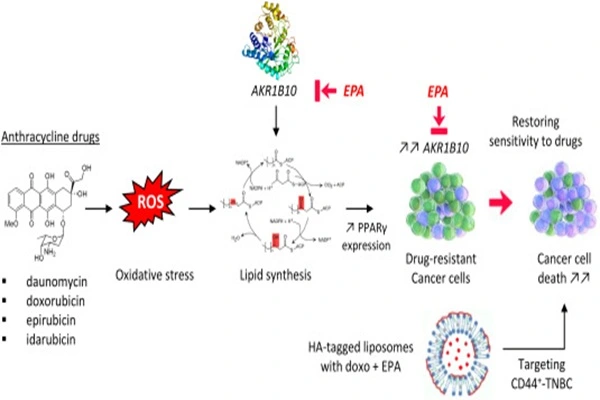
The synergistic formulation of multiple active components has been iteratively optimized to enhance the comprehensive therapeutic effect. Epalrestat API alone can only repair existing nerve damage and cannot control the source of blood sugar. The pharmaceutical R&D team screened hypoglycemic raw materials without pharmacological antagonism, natural antioxidant plant extracts, and vasodilatory active ingredients for compound research. Combined with metformin to stabilize basal blood sugar, alpha-lipoic acid for dual antioxidant effects, and ginkgo biloba extract to improve peripheral microcirculation, the synergistic effect of multiple pharmacological mechanisms accelerates the relief of numbness and tingling symptoms in patients. Simultaneously, the proportion of Epalrestat API added per tablet has been reduced, further reducing the metabolic burden on the body with long-term use. The compound formulation is also compatible with various dosage forms such as sustained-release tablets and granules to meet the medication needs of diabetic patients of different ages, expanding the clinical application scenarios of the active pharmaceutical ingredient in primary healthcare institutions and chronic disease management centers.
The low-waste, green, continuous synthesis and purification process has been iteratively upgraded to meet the environmental protection standards for the industrial production of the active pharmaceutical ingredient. Traditional Epalrestat API batch synthesis processes use large amounts of ethanol and dioxane organic solvents, resulting in cumbersome wastewater treatment and high overall production costs. Fine chemical pharmaceutical companies have optimized the condensation reaction solvent system by replacing highly toxic solubilizing agents with a low-toxicity water-ethanol mixture. They have also introduced continuous tubular catalytic reaction equipment, maintaining a constant temperature throughout the process to precisely control the reaction temperature, shortening the overall synthesis cycle and increasing the yield of crude products. In the purification stage, nanofiltration membrane filtration replaces the traditional multiple organic solvent extraction steps, significantly reducing the total amount of industrial wastewater discharged and aligning with global green production management standards for pharmaceutical raw materials. Simultaneously, they have subdivided the product into three grades: oral formulation grade, research standard grade, and nanoparticle-specific micron powder grade. They have specifically standardized the purity, particle size, solvent residue, and powder flowability of different grades, providing complete COA quality testing reports and establishing a tiered quality control system to support stable supply for multiple scenarios, including mass production of oral drugs, pharmacological research screening, and the development of novel nanomedicines.
Conclusion
Epalrestat API, the world's first clinically proven oral aldose reductase inhibitor active pharmaceutical ingredient, is a 99.5% pharmaceutical-grade pale yellow crystalline powder. Utilizing a unique tannin-thiocyclic heterocyclic chemical backbone, it reversibly binds to aldose reductase, blocking the polyol metabolic pathway and reducing sorbitol accumulation in nerve tissue at its source. It also possesses multiple pharmacological effects, including antioxidant activity, improved microcirculation, and inhibition of neuroinflammation. It is specifically designed to improve symptoms of peripheral nerve numbness, tingling, and decreased sensation induced by diabetes. Epalrestat API is applicable to diverse industrial research scenarios, including the industrial production of oral tablets for diabetes, in vitro enzyme activity pharmacological testing standards, ocular nano-sustained-release drugs, the development of hypoglycemic compound formulations, and liquid chromatography calibration. With high target selectivity, no risk of hypoglycemia with long-term oral administration, and excellent human tolerability, it is a core active pharmaceutical ingredient in the endocrine chronic disease drug market.
Xi'an Faithful BioTech Co., Ltd. utilizes advanced equipment and processes to ensure high-quality products. Our Epalrestat API meets international pharmaceutical standards. Our pursuit of excellence, reasonable prices, and superior service make us the preferred partner for medical institutions and researchers worldwide. If you require Epalrestat API research or production, please contact our technical team at allen@faithfulbio.com.
References
- Kikkawa, R. (1983). Effect of a new aldose reductase inhibitor, ONO-2235, on peripheral nerve disorders in streptozotocin-diabetic rats. Diabetologia, 24(4), 290–292.
- Kawai, T., Takei, I., & Tokui, M. (2002). Clinical efficacy and safety of epalrestat in diabetic peripheral neuropathy: A multicenter long-term observation. Journal of Diabetes and its Complications, 16(2), 112–118.
- Sun, H., Liu, S., Gao, X., Xiong, Z., He, Z., & Zhao, L. (2019). Study on degradation kinetics of epalrestat in aqueous solutions and characterization of its major degradation products. Journal of Pharmaceutical Analysis, 9(6), 423–430.
- Assefa, S. T., Yang, E. Y., & Chae, S. Y. (2026). Enhanced oral bioavailability of epalrestat cyclodextrin complex loaded chitosan nanoparticles. International Journal of Nanomedicine, 21, 1489–1506.
- Zhang, T., Wu, J., Yao, X., & Li, Y. (2023). Epalrestat maintains blood-brain barrier integrity during cerebral ischemia via aldose reductase inhibition. Molecular Neurobiology, 60(7), 3741–3757.
- Wu, L., Sun, H., & Yan, S. (2025). Preparation and solubility characterization of epalrestat cocrystal with 4,4’-bipyridine. Chinese Journal of Modern Applied Pharmacy, 42(13), 1622–1628.
- BOC Sciences R&D Department. (2026). Epalrestat API 99.5% Pharmaceutical Grade Technical Specification Document. Internal Active Pharmaceutical Ingredient Research Report.