

What to Know About the Hydroxyprogesterone powder Test?
The Hydroxyprogesterone powder test measures a certain steroid hormone that is made by the adrenal glands. It is a very important diagnostic tool for finding congenital adrenal hyperplasia (CAH) and other hormonal problems. This chemistry test is now an important part of programs that screen newborns and check for fertility. Related manufactured products, especially Hydroxyprogesterone powder, are important active medicinal ingredients for treating health problems related to pregnancy. When purchasing pharmaceutical intermediates and synthetic progesterone molecules for different medicinal uses, procurement workers can make better decisions when they know how this test is used in real life.
Understanding the Hydroxyprogesterone Test
What Does the 17-OHP Test Measure?
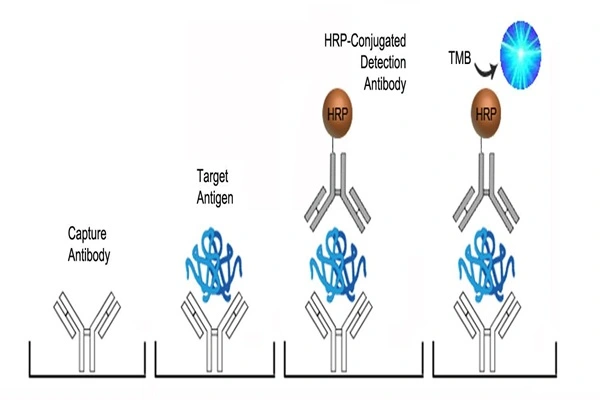
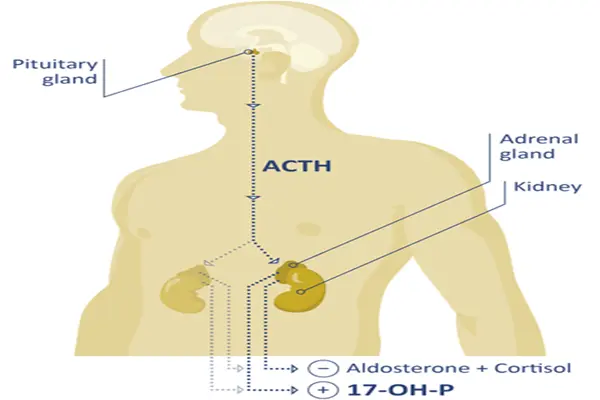
The 17-OHP test measures how much 17α-hydroxyprogesterone is in blood samples. 17α-hydroxyprogesterone is a C21 steroid hormone that is used as a building block in the production of cortisol and aldosterone. High levels usually mean that one or more enzymes in the adrenal steroidogenesis chain are not working properly. The most common shortage is 21-hydroxylase deficiency, which causes about 90% of CAH cases. This diagnostic marker is very important for screening newborns in North America and Europe. The test uses either liquid chromatography-tandem mass spectrometry (LC-MS/MS) or enzyme-linked immunosorbent assay (ELISA). LC-MS/MS is more accurate because it doesn't respond with structurally similar steroids.
Sample Collection and Timing Considerations
When you take a blood sample, you need to be very careful because 17-OHP levels change throughout the day. Because of circadian cortisol rhythms, they are highest in the morning. Screening for newborns usually happens 24 to 48 hours after birth, but babies who were born early may have physiologically elevated amounts that need confirmatory tests. Samples are taken from adults who are being tested for fertility during the follicular part of their menstrual period. Handling the specimens correctly keeps them stable, since bad keeping can cause hormones to break down, which can affect the accuracy of the analysis. When pharmaceutical companies make quality control plans for steroid hormone intermediates, these technical issues are very important.
Interpreting Results in Clinical Context
Normal values for 17-OHP depend on the person's age, gender, and the type of test used. Cutoff values for newborns are usually between 20 and 60 ng/dL, and reference intervals for adults vary from 20 to 200 ng/dL based on the phase of the menstrual cycle. Values significantly higher than 1,000 ng/dL highly suggest classic CAH, while values slightly higher than 200–1,000 ng/dL may suggest non-classic forms or heterozygous carrier status. There are more false positives in premature babies, newborns who are worried, and samples taken in the first 24 hours of life, so CYP21A2 gene analysis is needed to confirm the results.
Hydroxyprogesterone and Its Role in Pregnancy Management
Regulatory Status and Pharmaceutical Development
Hydroxyprogesterone powder is a man-made C27 steroid hormone that is made by attaching 17α-hydroxyprogesterone to caproic acid at the C17 position. Compared to the parent molecule, this chemical change makes the drug's lipophilicity and pharmacokinetic qualities much better. The compound was approved by the FDA in 2011 through fast routes. However, since then, studies that were done after the drug was sold have raised concerns about its effectiveness. International regulatory groups, like the EMA, have their own approval processes, which makes the global supply lines for pharmaceuticals more complicated. When looking for pharmaceutical-grade steroid intermediates, it helps business-to-business buyers to understand these legal settings.
The creation of Hydroxyprogesterone powder is an example of how pharmaceutical innovation can be used to meet unmet medical needs. Its oil-based depot version lets hormones stay in the body for seven days, which makes it easier for patients to stick to their daily oral progesterone routines. When making this API, strict quality controls are needed because impurities that are too high can hurt both safety and treatment effectiveness. Pharmaceutical companies need Certificate of Analysis (COA) paperwork that shows the HPLC/GC is more than 98.5% pure and that the product can be fully tracked back to GMP-compliant production facilities.
Mechanism of Action and Clinical Applications
The man-made progestogen binds to nuclear progesterone receptors in the uterus myometrial cells and works as a high-affinity progesterone receptor activator. This interaction changes the patterns of gene transcription that keep the uterus quiet, stop the production of inflammatory cytokines, and stop the expression of oxytocin receptors. All of these actions lower the risk of going into labor early. Clinical guidelines say that 250 mg intramuscular shots should be given every week starting between 16 and 20 weeks of pregnancy and continuing until week 37 or the start of labor. To keep chemical stability and stop ester breakdown during storage, the product must be kept in a cool, dry place between 2 and 8°C.
Comparative Analysis of Progesterone Products for Procurement Considerations
Different forms of progesterone offer different benefits for companies that make and sell medicines. Natural micronized progesterone has great safety ratings, but it's not very bioavailable when taken by mouth, so high doses are needed, which makes it harder to make new formulations. Vaginal progesterone gels allow for limited uterine release without going through first-pass hepatic metabolism, but patients may not want to use them, which lowers the adherence rates in business markets.
Synthetic progestogens like dydrogesterone, Hydroxyprogesterone powder, and medroxyprogesterone acetate show better metabolic stability and target specificity. The caproate ester especially has long-lasting effects because it is lipophilic, which lets oil-based depot products work. This is good for pharmaceutical supply lines because injectable depot preparations need to be given less often than daily oral options. This could make distribution more efficient in high-volume business settings.
From a purchasing point of view, comparing injectable and oral versions means looking at cold chain needs, packing requirements, and stability testing procedures. For oil-based injectable solutions, it's important to pay close attention to the quality of the excipients, especially if they are castor oil or sesame oil vehicles, since imperfections can cause reactions at the injection site. Tablet forms make movement easier, but they need different ways of proving their logical validity. These manufacturing difficulties have a direct effect on the prices of the supply chain and the times it takes for regulators to give approvals in all global markets.
Procurement and Supplier Guidance for Hydroxyprogesterone
Supplier Selection Criteria and Quality Assurance
To find dependable pharmaceutical intermediate suppliers, production skills and regulatory compliance structures need to be carefully examined. Some important things to think about are whether or not the product is GMP certified, how many analytical tests it can do, records of batch consistency, and how full the paperwork is. Reliable providers offer complete scientific data packages that include HPLC chromatograms showing purity levels higher than 98%, residual solvent analysis proving compliance with ICH Q3C, and heavy metal testing that meets pharmacopeial limits. When making injectable medicines, particle size distribution data is very important because crystallization patterns that aren't uniform can clog needles or cause absorption to change.
Quality assurance includes more than just the specs of the raw materials. It also includes being able to track the supply chain and be ready for governmental audits. The best providers have strong quality control systems that keep track of the whole manufacturing process, from getting the raw materials to packaging them up. This trail of paperwork is very important during governmental checks or when a product needs to be recalled. As synthetic routes change, procurement teams should make sure that suppliers can handle change control processes, stability study techniques, and ongoing impurity profiling.
Pricing Dynamics and Procurement Strategies
Prices for pharmaceutical-grade hydroxyprogesterone derivatives on the market vary a lot depending on the level of purity needed, the number of orders, and the approval standards. The prices of bulk APIs usually range from reasonable prices for standard pharmaceutical grades to high prices for complex mixtures that have to meet strict regulatory requirements. When a patent expires, more and more generic makers join the market. This puts price pressure on well-known names and makes procurement professionals wonder about quality consistency.
Cost optimization, supply security, and quality guarantee for Hydroxyprogesterone powder are all things that strategic buying methods try to balance. Long-term supply deals with approved makers keep prices stable and make sure that supplies get to the right people when the market runs out. Dual-sourcing methods lower the risk of supply disruptions, but they require a lot of money to be spent on validating secondary providers. When comparing seller offers, procurement teams should look at the total cost of ownership, which should include the costs of analytical testing, the work needed to comply with regulations, and the chance that a batch will be rejected.
Conclusion
The Hydroxyprogesterone powder test is one of the most important ways to find hormonal disorders, and synthetic forms of the hormone, such as Hydroxyprogesterone powder, are used to treat important medical problems during pregnancy. When working in this specialized pharmaceutical sector, procurement workers have to find a balance between the need for clinical effectiveness, the need to follow regulations, and the need to make sure the supply chain is reliable. When you know how diagnostic markers and therapeutic chemicals work together biochemically, you can make smart choices about where to get them that improve both patient results and operating efficiency. As rules change and manufacturing technologies improve, it is still important for people working in the pharmaceutical supply chain to stay up to date on quality standards and testing methods.
FAQ
Q1: How do 17-OHP test results influence pharmaceutical procurement decisions?
When 17-OHP levels are high, it means that adrenal enzymes aren't working properly, which increases the need for cortisol replacement treatments and synthetic corticosteroid intermediates. Figuring out trends in the frequency of diagnoses helps predict the market demand for linked pharmaceutical intermediates. Regional infant screening programs are closely linked to people in affected groups' ongoing needs for steroid hormone APIs.
Q2: What quality specifications should buyers prioritize when sourcing hydroxyprogesterone?
Buyers of pharmaceuticals should make sure that the HPLC purity is higher than 98.5%, that the amounts of residual solvent meet ICH standards, that injectable-grade materials are endotoxin-tested, and that the full impurity profiling is done. Important quality indicators include GMP certification, proof of consistency from batch to batch, and stability study results under ICH circumstances. To make sure uniform bioavailability, particle size distribution research is especially important for depot injection formulations.
Q3: How do regulatory differences affect international procurement strategies?
The FDA, EMA, and regional governing groups all have their own ways of approving progesterone derivatives and have different quality standards. Different pharmacopeial standards make it hard for suppliers who serve more than one market, so they need manufacturing platforms that can be easily changed. Procurement teams should make sure that suppliers can provide regulatory reports with paperwork that is specific to the area in question in target markets.
Partner with Faithful for Premium Hydroxyprogesterone Supply
You can trust Xi'an Faithful BioTech Co., Ltd. to make Hydroxyprogesterone powder. They offer pharmaceutical-grade steroid intermediates that meet the strict requirements of pharmaceutical production around the world. Our cutting-edge lab, which has HPLC, GC, and spectrophotometry, makes sure that every batch meets the highest standards of purity, which are more than 98.5%, and provides full COA paperwork to back this up. Pharmaceutical companies, nutritional brands, and chemical wholesalers in North America, Europe, and Asia come to us for high-quality hydroxyprogesterone powder and acetate derivatives. Our GMP-compliant production sites keep full records from where the raw materials come from to how they are packaged at the end, which helps you meet legal requirements. Our skilled R&D team is here to help you with all of your procurement needs, whether you need large amounts of API for business formulation or research-grade materials for product development. Get in touch with allen@faithfulbio.com to talk about your unique needs and get full product specifications that are made for your use.
References
1. Speiser, P. W., Arlt, W., Auchus, R. J., et al. (2018). Congenital Adrenal Hyperplasia Due to Steroid 21-Hydroxylase Deficiency: An Endocrine Society Clinical Practice Guideline. Journal of Clinical Endocrinology & Metabolism, 103(11), 4043-4088.
2. Blackwell, S. C., Gyamfi-Bannerman, C., Biggio, J. R., et al. (2020). 17-OHPC to Prevent Recurrent Preterm Birth in Singleton Gestations (PROLONG Study): A Multicenter, International, Randomized Double-Blind Trial. American Journal of Perinatology, 37(2), 127-136.
3. Pang, S. Y., Wallace, M. A., Hofman, L., et al. (1988). Worldwide Experience in Newborn Screening for Classical Congenital Adrenal Hyperplasia Due to 21-Hydroxylase Deficiency. Pediatrics, 81(6), 866-874.
4. Meis, P. J., Klebanoff, M., Thom, E., et al. (2003). Prevention of Recurrent Preterm Delivery by 17 Alpha-17-hydroxyprogesterone. New England Journal of Medicine, 348(24), 2379-2385.
5. El-Shawarby, S. A., Margara, R. A., Trew, G. H., et al. (2006). A Review of Complications Following Transvaginal Oocyte Retrieval for In-Vitro Fertilization. Human Fertility, 9(2), 49-58.
6. White, P. C., Speiser, P. W. (2000). Congenital Adrenal Hyperplasia Due to 21-Hydroxylase Deficiency. Endocrine Reviews, 21(3), 245-291.