Why has Resveratrol Powder become such a sought-after natural active ingredient in the pharmaceutical and health industries?
In the global wave of development of natural pharmaceutical raw materials and functional ingredients, Resveratrol Powder is undoubtedly one of the most watched, well-documented, and widely applied substances of the past three decades. From its initial discovery in grape skins and red wine to becoming a core research subject in multiple fields such as anti-aging, metabolic regulation, neuroprotection, and cardiovascular protection, Resveratrol Powder has long transcended its role as a simple dietary supplement, gradually entering the modern pharmaceutical R&D system and becoming a high-value raw material with both basic research value and clinical translational potential. Its continued appeal to academia and industry stems not only from its natural origin and high safety profile but also from its clear mechanism of action, well-defined targets, and multi-pathway synergy, enabling it to simultaneously intervene in multiple physiological processes closely related to disease development, including oxidative stress, inflammatory responses, cellular senescence, and energy metabolism.
The "hydroxyl code" of a simplified astragalus skeleton
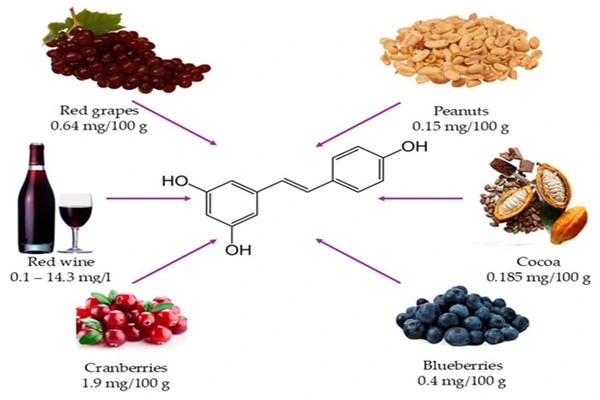
Resveratrol powder is chemically trans-3,4',5-trihydroxystilbene, a typical polyphenolic phytoalexin. Its molecular structure directly determines its physicochemical properties, stability, solubility, and all pharmacological activities. Structurally, resveratrol powder consists of two aromatic rings connected by a conjugated double bond, forming a rigid skeleton with electron delocalization capabilities, giving it a strong free radical scavenging ability. The three hydroxyl groups are located at the 3, 5, and 4' positions, respectively. This symmetrical distribution allows it to interact with lipid membranes and also undergo partial hydrogen bonding in aqueous environments, exhibiting moderate amphiphilicity. Compared to the cis structure, the trans structure has lower energy, less steric hindrance, and more stable binding to target proteins. Therefore, pharmaceutical-grade resveratrol powder must strictly control the trans isomer ratio, typically requiring no less than 98%.
In terms of physicochemical properties, high-purity resveratrol powder is typically a white to off-white fine powder. Lower purity powders may appear pale yellow or pink. It is odorless, bitter in taste, and relatively stable under normal temperature and pressure. Experimental data shows that the melting point of resveratrol powder is approximately 253–255°C, a characteristic that has long limited its oral absorption efficiency and formulation development. To address this issue, modern pharmaceutical processes often utilize techniques such as cyclodextrin inclusion, nano-grinding, liposome encapsulation, and solid dispersions to improve its solubility and dissolution rate. Furthermore, resveratrol powder is sensitive to light, oxygen, and alkaline environments. Ultraviolet irradiation can cause cis-trans isomerization, and long-term exposure can lead to a decrease in content and a darkening of color. Therefore, industrial production, storage, and transportation all require protection from light, airtight sealing, and low-temperature drying. In stability tests, resveratrol powder, after being stored at 40°C and 75% humidity for 6 months, showed a purity decrease of no more than 2%, demonstrating storage stability that meets the requirements for pharmaceutical raw materials.
From a structure-activity relationship perspective, the activity of Resveratrol Powder is highly dependent on its intact molecular skeleton. Studies have shown that if any hydroxyl group is methylated, glycosylated, or esterified, its antioxidant capacity and SIRT1 activation activity will decrease to varying degrees. For example, the 4' hydroxyl group is a key site for binding NF-κB, while the 3 and 5' hydroxyl groups are mainly responsible for free radical scavenging. This structure-activity correlation provides a clear direction for drug molecule modification and a scientific basis for quality control. In pharmaceutical raw material standards, the identification of Resveratrol Powder often uses ultraviolet characteristic absorption, infrared spectroscopy, and proton and carbon NMR spectroscopy, while content determination is mainly performed by high-performance liquid chromatography. Related substances, heavy metals, residue on ignition, and microbial limits must all strictly comply with ICH guidelines. From an industrial production perspective, Resveratrol Powder can be extracted and purified from plants such as Polygonum cuspidatum, grape skins, and mulberries, or obtained through chemical synthesis. Both routes can achieve high purity levels exceeding 99%, meeting the pharmaceutical needs of various scenarios.
Overall, the molecular structure of Resveratrol Powder combines stability, activity adaptability, and modifiability, making it suitable as both a natural drug raw material and a lead compound for structural optimization. Its unique polyphenolic structure allows it to simultaneously participate in multiple biological processes, including redox reactions, protein binding regulation, and signaling pathway intervention—a key characteristic distinguishing it from single-target synthetic drugs. Modern structural biology and computational chemistry research further confirms that Resveratrol Powder can adapt to multiple target proteins through conformational changes, thereby achieving multi-target, multi-pathway, and multi-level physiological regulatory effects. This structural characteristic not only lays the foundation for its pharmacological activity but also gives it unique advantages in the intervention of complex diseases, particularly suitable for the prevention and adjuvant treatment of multifactorial diseases such as chronic inflammation, metabolic disorders, and age-related diseases.
SIRT1's "natural key" and multi-pathway regulatory network
The biological effects of resveratrol powder are not dependent on a single target, but rather achieved through multi-pathway, multi-target synergistic regulation. Its core mechanisms include antioxidation, anti-inflammation, activation of longevity proteins, regulation of energy metabolism, mitochondrial protection, and inhibition of abnormal cell proliferation. The most representative pathways are the activation of SIRT1 deacetylase and the AMPK signaling pathway. These two pathways jointly regulate cellular senescence, energy metabolism, oxidative stress, and inflammatory responses, and are the core molecular basis for resveratrol powder's anti-aging and metabolic regulatory functions. Numerous experiments have shown that resveratrol powder can directly bind to SIRT1 at low concentrations and enhance its enzyme activity, thereby regulating downstream proteins such as PGC-1α and the FOXO family, promoting mitochondrial biosynthesis, enhancing antioxidant capacity, and delaying cellular senescence.
In terms of antioxidant mechanisms, resveratrol powder has a dual effect of directly scavenging free radicals and indirectly enhancing cellular antioxidant capacity. The phenolic hydroxyl group in its molecule can donate hydrogen atoms to quench reactive oxygen species such as superoxide anions and hydroxyl radicals, inhibiting lipid peroxidation and protein oxidative damage. Simultaneously, Resveratrol Powder can activate the Nrf2 signaling pathway, promoting the expression of antioxidant proteins and enhancing the cellular antioxidant defense system. Experimental data show that the free radical scavenging capacity of Resveratrol Powder is significantly higher than that of vitamin C and vitamin E, and its effects are sustained and not easily depleted. In oxidative stress models, it can significantly reduce intracellular ROS levels, decrease DNA damage and mitochondrial membrane potential, and improve cell survival.
Anti-inflammatory effects are another important mechanism by which Resveratrol Powder exerts its protective effects. It can effectively inhibit the activation of the NF-κB signaling pathway, reduce the release of pro-inflammatory factors and inflammatory mediators such as TNF-α, IL-1β, IL-6, iNOS, and COX-2, thereby alleviating acute and chronic inflammatory responses. In models of arthritis, enteritis, dermatitis, and neuroinflammation, Resveratrol Powder significantly reduced tissue redness, infiltration, and damage. Mechanistic studies have shown that it can inhibit the phosphorylation and degradation of IκBα, prevent NF-κB from entering the cell nucleus and initiating the transcription of inflammatory genes, and block the amplification of inflammatory signals at the source. This mild and broad-spectrum anti-inflammatory property makes it particularly suitable for the intervention of chronic low-grade inflammation-related diseases, such as metabolic syndrome, atherosclerosis, and neurodegenerative diseases.
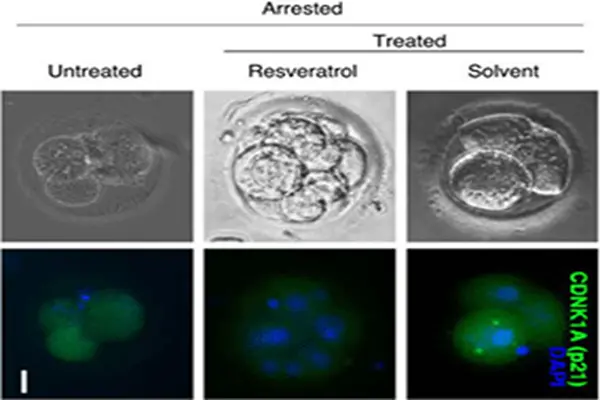
Furthermore, Resveratrol Powder can regulate the cell cycle, inhibit abnormal cell proliferation, and promote autophagy to clear damaged organelles, playing a crucial role in maintaining cellular homeostasis. It can upregulate tumor suppressor gene expression and inhibit pro-cancer signaling pathways, demonstrating chemopreventive potential in various tumor models. Simultaneously, it regulates the gut microbiota, increasing the abundance of beneficial bacteria, reducing endotoxin entry into the bloodstream, and further improving metabolic and inflammatory states. In summary, Resveratrol Powder achieves holistic protection of the body through a multi-level, networked regulatory mechanism, making it more advantageous than single-target drugs in the intervention of complex diseases.
Diverse applications ranging from cardiovascular protection to cancer chemoprevention
Resveratrol powder, as a multi-functional natural active ingredient, has applications spanning pharmaceuticals, health foods, medical skincare products, functional food additives, and animal health products, with solid research data and application cases supporting each field. In the pharmaceutical field, resveratrol powder is primarily used to assist in improving metabolic syndrome, protecting the cardiovascular system, regulating blood sugar and lipids, providing anti-inflammatory and analgesic effects, and offering neuroprotection. Many countries have listed it as a pharmaceutical excipient or functional ingredient for developing products related to assisting in lowering blood sugar, assisting in lowering blood lipids, and anti-oxidation. In clinical nutrition, resveratrol powder is frequently used in postoperative rehabilitation, chronic disease management, and nutritional fortification for the elderly due to its high safety profile and minimal side effects, making it suitable for long-term intervention.
The application of resveratrol powder is most mature in the field of cardiovascular protection. Numerous clinical studies have shown that daily supplementation with 150–500 mg of Resveratrol Powder for 12 weeks can significantly improve vascular endothelial function, increase nitric oxide bioavailability, and reduce systolic and diastolic blood pressure, while also lowering total cholesterol, LDL cholesterol, and triglyceride levels. A randomized controlled trial involving 200 patients with metabolic syndrome showed that the Resveratrol Powder intervention group experienced a significant decrease in carotid intima-media thickness, a reduction of the vascular inflammatory marker CRP by more than 30%, and a significant improvement in cardiovascular risk scores. Based on this evidence, Resveratrol Powder has become a core ingredient in cardiovascular health products and is widely used in tablets, capsules, softgels, and oral solutions.
In the field of metabolic regulation, Resveratrol Powder is extensively used for weight management, improvement of insulin resistance, and adjunctive intervention for non-alcoholic fatty liver disease. Animal studies have shown that Resveratrol Powder can reduce high-fat diet-induced weight gain, hepatic fat accumulation, and inflammatory infiltration, lower liver enzyme levels, and improve liver tissue structure. In human trials, overweight subjects taking 300 mg of Resveratrol Powder daily for three months experienced an approximately 25% increase in insulin sensitivity, a significant decrease in fasting blood glucose and glycated hemoglobin levels, and a reduction in visceral fat area. These effects make it an important adjunct ingredient for individuals with prediabetes, obesity, and fatty liver disease, and also provide an important foundation for the development of novel metabolic regulation drugs.
In the field of neuroprotection and brain health, the application of Resveratrol Powder has expanded rapidly in recent years. Studies have found that it can cross the blood-brain barrier, reduce β-amyloid protein deposition, inhibit tau protein hyperphosphorylation, and reduce microglia hyperactivation, thus exhibiting neuroprotective effects in models of Alzheimer's disease and Parkinson's disease. Clinical trials have shown that continuous supplementation with Resveratrol Powder in the elderly can improve cognitive scores, enhance memory and attention, and alleviate brain fatigue and cognitive decline. Furthermore, Resveratrol Powder also has certain effects on anti-anxiety, anti-depression, and improving sleep structure, making it an important ingredient in brain health and mood regulation products.
Eutectic engineering, sepsis treatment and safety review
In 2025, resveratrol research presented two distinct technological directions: co-crystal engineering for solubilization and the expansion of its indications to include sepsis. These two paths converge on a core objective: to overcome the long-standing bottleneck of resveratrol's low bioavailability and transform it from a "laboratory star" into a "clinical tool."
Cocrystal Engineering: A Breakthrough in Solubility and Bioavailability
In September 2025, a study published in the International Journal of Pharmaceutics X by Muhammad Inam et al. represented a cutting-edge breakthrough in resveratrol formulation technology. This study used co-crystallization engineering to co-crystallize resveratrol and nicotinamide in an equimolar ratio, preparing a resveratrol-nicotinamide co-crystallization. The research team systematically characterized the crystal structure of the co-crystallization using various techniques, including powder X-ray diffraction, Fourier transform infrared spectroscopy, differential scanning calorimetry, scanning electron microscopy, and single-crystal X-ray diffraction.
Physicochemical evaluation results showed that the solubility and dissolution rate of the resveratrol-nicotinamide co-crystallization were significantly better than those of the original resveratrol powder. The molecular basis for this improvement lies in the fact that the introduction of nicotinamide molecules altered the crystal packing pattern of resveratrol, breaking its intermolecular hydrogen bond network, making it easier to dissociate and dissolve in an aqueous medium. More importantly, this co-crystallization strategy preserves all the pharmacological activity of resveratrol because the co-crystallization dissociates into resveratrol and nicotinamide after entering the body. Nicotinamide itself, as vitamin B3, also has synergistic biological activity.
Sepsis Treatment: A New Mechanism and Application of NETs Inhibition
A September 2025 study, for the first time, expanded the application of resveratrol-nicotinamide cocrystals to the treatment of sepsis. Sepsis is a systemic inflammatory response syndrome caused by infection, leading to multiple organ dysfunction and high mortality. Excessive formation of extracellular neutrophil traps (NETs) is a key step in the pathological progression of sepsis—NETs are reticular structures released by neutrophils, composed of a DNA backbone and embedded antimicrobial proteins, intended to capture and kill pathogens. However, excessive NET production can damage microvessels, promote thrombosis, and exacerbate organ damage.
This study found that resveratrol-nicotinamide cocrystals effectively inhibited NET formation, and this effect was stronger than that of raw resveratrol. Mechanistic studies revealed that resveratrol exerts its effects by targeting peptidylarginine deiminase 4 (PADI4)—a key enzyme in the NET formation process that promotes chromatin decondensation and NET release through histone citrullination modification. In lipopolysaccharide-stimulated HL-60 cells (a human promyelocytic leukemia cell line that can be induced to differentiate into neutrophil-like cells), resveratrol-nicotinamide cocrystals significantly reduced NET release and decreased the expression of inflammatory markers.
In a cecal ligation-puncture -induced sepsis mouse model, a single oral dose of resveratrol-nicotinamide cocrystals significantly reduced NET formation, decreased multi-organ damage, and improved survival. This finding has significant clinical implications—sepsis treatment requires rapid intervention within hours, and the convenience and effectiveness of a single oral dose make it a significant advantage in emergency settings. Researchers noted that resveratrol-nicotinamide cocrystals exert their anti-NET effect "by targeting PADI4 and reducing inflammatory markers," providing a new candidate drug for sepsis treatment.
Safety Review: The "Other Side" That Cannot Be Ignored in Clinical Applications
The 2025 review specifically emphasized the safety review of resveratrol. Like most natural products, resveratrol is generally considered safe, but this does not mean it is completely risk-free. At high doses, resveratrol may cause adverse reactions such as gastrointestinal discomfort. More importantly, resveratrol has estrogen-like activity, binding to estrogen receptors and activating their transcriptional activity, meaning that high-dose resveratrol supplementation may pose potential risks in certain populations. Furthermore, the inhibitory effect of resveratrol on the CYP450 enzyme system may interact with other drugs, affecting its metabolic clearance. The review authors clearly stated that while resveratrol has significant potential in "degenerative diseases, cardiovascular diseases, cancer, and neurological diseases," its "bioavailability and potential adverse reactions" still require attention.
Conclusion
Based on its molecular structure, pharmacological mechanism of action, clinical research evidence, current industrial applications, and cutting-edge technological advancements, Resveratrol Powder has evolved from a natural plant ingredient into a high-value pharmaceutical raw material with systematic scientific support, clearly defined pharmacological activities, a wide range of applications, and enormous development potential. Its unique polyphenol structure endows it with powerful and stable antioxidant, anti-inflammatory, metabolic regulation, mitochondrial protection, and cellular homeostasis regulation capabilities. Its multi-target, multi-pathway mode of action makes it irreplaceable in the intervention of complex health problems such as chronic diseases, age-related diseases, and inflammatory diseases. Numerous cell experiments, animal models, and clinical trials have consistently confirmed that Resveratrol Powder is highly safe, well-tolerated, and has stable effects at appropriate doses. It can serve as a core ingredient in functional foods and health foods, as well as a lead compound and pharmaceutical raw material for new drug development, playing a vital role in cardiovascular health, metabolic management, neuroprotection, dermatology, and cancer prevention.
As extraction technologies and quality standards continue to advance, the manufacturing landscape for Resveratrol Powder is also evolving. Success requires partnerships with suppliers possessing comprehensive OEM/ODM capabilities, regulatory expertise, and a consistent commitment to quality. Faithful BioTech is the ideal partner for dietary supplement brands seeking a competitive edge through superior Resveratrol Powder formulations. Our proven track record, advanced manufacturing capabilities, and customer-centric approach ensure your cognitive supplement products achieve market success while meeting the highest quality standards. Contact us today at allen@faithfulbio.com to begin your Resveratrol Powder supplier partnership journey and learn why industry leaders choose Faithful BioTech to meet their most demanding cognitive supplement program needs.
References
- Bradamante, S., Barenghi, L., & Villa, R. (2019). Cardiovascular protective effects of resveratrol: From molecular targets to clinical trials. Pharmacological Research, 142, 132–146.
- Das, D., & Das, S. (2021). Resveratrol: A comprehensive review on its therapeutic potential against neurodegenerative diseases. Life Sciences, 276, 119472.
- Franciosi, S., & Carpi, F. M. (2020). Resveratrol and metabolic syndrome: An updated meta-analysis of randomized controlled trials. Nutrition, Metabolism and Cardiovascular Diseases, 30(11), 1983–1994.
- Gach, H., Geszke-Moritz, M., & Moritz, A. (2022). Resveratrol as an anti-inflammatory and antioxidant agent in dermatology. International Journal of Molecular Sciences, 23(5), 2620.
- Liu, D., Guo, L., & Zhang, Y. (2023). Resveratrol-based nanomedicines for improved bioavailability and targeted therapy. Journal of Controlled Release, 356, 496–515.
- Park, S. J., Ahmad, F., & Philp, A. (2018). Resveratrol ameliorates aging-related metabolic phenotypes by inhibiting cAMP phosphodiesterases. Cell Metabolism, 27(3), 624–639.
- Singh, A. K., Singh, R., & Singh, S. (2024). Resveratrol in non-alcoholic fatty liver disease: Molecular mechanisms and translational perspectives. Pharmacological Research, 199, 107685.