
Why is Mecobalamin Vitamin B12 Powder the most outstanding category of endogenous active B12 raw materials for nerve health?
Mecobalamin Vitamin B12 Powder, also known as methylcobalamin vitamin B12 powder, is an active vitamin B12 derivative that can be directly utilized by the human body, other than cyanocobalamin. It is a core metal-coenzyme raw material in modern pharmaceutical and nutritional formulations. Leveraging the unique bioactivity brought by its central cobalt ion coordination structure, this raw material can directly participate in the entire process of methyl transfer circulation, blood cell maturation regulation, and nerve myelin metabolism without undergoing multi-stage enzymatic conversion in the liver. This differs from the limitation of ordinary cyanocobalamin, which requires in vivo activation and conversion, and possesses natural advantages in absorption efficiency, tissue targeting, and long-term physiological regulation. The industrially produced high-purity product has stable physicochemical properties, uniform powder crystals, and strict compliance with the quality control standards of pharmacopoeias in multiple countries worldwide for heavy metals and microorganisms. It is suitable for the development of diverse dosage forms such as oral tablets, capsules, nutritional powders, and oral instant-dissolving preparations.
The active form of the molecular code
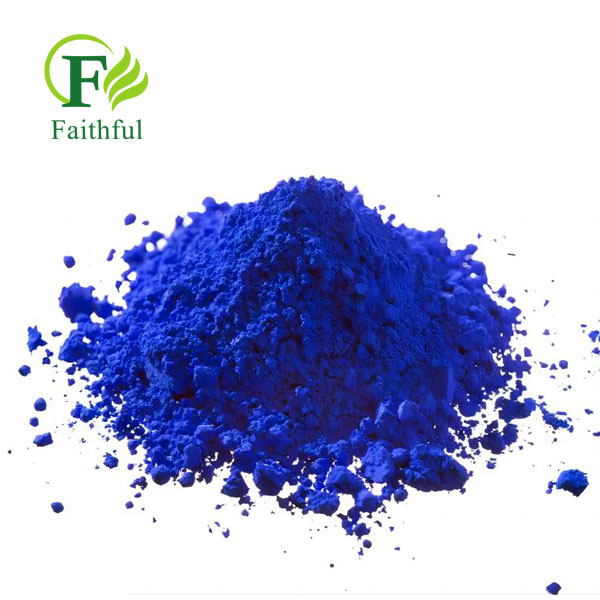
Mecobalamin Vitamin B12 Powder is a rare naturally occurring organometallic complex. Its core framework is built upon a giant conjugated cobalt porphyrin ring, with a relative molecular mass of 1344.38. It appears as a uniform dark red crystalline powder, resistant to deliquescence and oxidation under dry, light-protected conditions at room temperature. It is slightly soluble in pure water but sparingly soluble in various organic solvents. The pharmaceutical-grade product maintains a stable purity of over 99.0% for its main components. The overall molecular structure is a regular six-coordinate octahedral structure. Four pyrrole units are interconnected via methylene bridges, forming a closed cage-like framework surrounding the central ion. This closed-loop structure effectively binds the central trivalent cobalt ion, preventing its loss and ensuring the overall physicochemical stability and catalytic activity of the molecule. Multiple amide side chains and long-chain polar functional groups are arranged on the outer side of the framework, balancing the molecule's lipid-water affinity. This allows for stable dispersion and transport in bodily fluids and facilitates smooth penetration through various biological cell membranes to reach the site of action.
The coordination substitution site of the central cobalt atom is the core marker of the structural differentiation of this raw material. Compared to the traditional cyanocobalamin configuration where a cyano group is bound to the cobalt ion, Mecobalamin Vitamin B12 Powder directly binds an active methyl functional group to the top of the cobalt ion. This structural change completely rewrites the in vivo activation properties of the raw material. The methyl group forms a stable metal-carbon covalent bond with the cobalt atom. This chemical bond can be gently broken in the physiological environment, releasing the methyl group, which is directly supplied to the body's methyl metabolism cycle. This eliminates the need for intermediate steps such as hepatic hydroxycobalamin conversion and adenosylcobalamin synthesis, achieving direct activity from the molecular origin. The bottom of the cobalt porphyrin cage ring is connected to a complete nucleotide side chain, containing a dimethylbenzimidazole heterocycle, a ribose unit, and a phosphate linker. This side chain is connected to the main ring backbone via an aminopropanol long chain, further locking the central cobalt ion from the bottom, perfecting the overall spatial conformation, and reducing the erosion and damage to the molecular structure caused by external acid, alkali, and temperature changes.
The entire molecule contains up to thirteen chiral carbon atoms, exhibiting highly specific spatial conformation without any ineffective enantiomer interference. Only the natural active conformation can match the binding pocket of specific enzyme proteins in vivo, ensuring precise targeting of physiological functions. Numerous hydrogen-bonded sites distributed on the outer side of the backbone can form stable intermolecular forces with metabolic enzymes and transport proteins in vivo, assisting the molecule in completing the entire process of transmembrane transport, target anchoring, and biochemical catalysis, without generating non-specific binding that would burden the body. The powder crystals have uniform microparticle size, and their flowability and compressibility are suitable for most solid dosage form processes. The structure is not easily decomposed during the high-temperature, mixing, and tableting processes of formulation processing, resulting in a high retention rate of active ingredients and meeting the quality control requirements of industrial mass production.
The polar gradient arrangement of the side chain functional groups endows the molecule with excellent tissue penetration potential, especially its permeability to nerve cell membranes and the blood-nerve barrier, far superior to other vitamin B12 derivatives. The conjugated system of the cage-like backbone can buffer the structural damage caused by the redox environment in vivo, prolonging the molecule's retention time in body tissues and reducing the rate of metabolic degradation. Unlike other vitamins with a single small molecule structure, the giant complex structure of methylcobalamin has the triple properties of carrier, coenzyme, and metal catalysis. Each functional group corresponds to a specific physiological function, with no redundant structural units.
Global metabolic pathways of methyl transfer and myelin homeostasis
Mecobalamin Vitamin B12 Powder's physiological regulatory logic revolves around two main lines: endogenous methyl supply and cellular homeostasis maintenance. Leveraging its core characteristic of possessing its own active methyl group, it bypasses the liver activation step entirely, directly intervening in key biochemical cycles. It simultaneously covers four physiological dimensions: amino acid metabolism, nucleic acid synthesis, neural structure repair, and hematopoietic function regulation, constructing a comprehensive protective network for the body. After entering the digestive tract, it is efficiently absorbed without the need for significant intragastric factor mediation, rapidly entering the bloodstream and accumulating in nerve tissue, bone marrow hematopoietic cells, and hepatocytes. Within the target tissues, it slowly releases active methyl groups, initiating multi-level physiological regulation. Its effects are gentle and long-lasting, without the fluctuations in blood drug concentration.
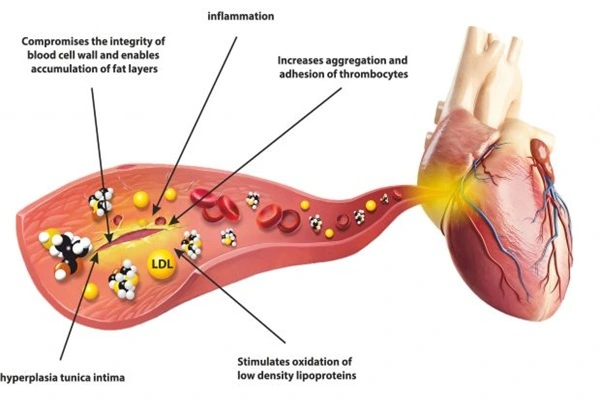
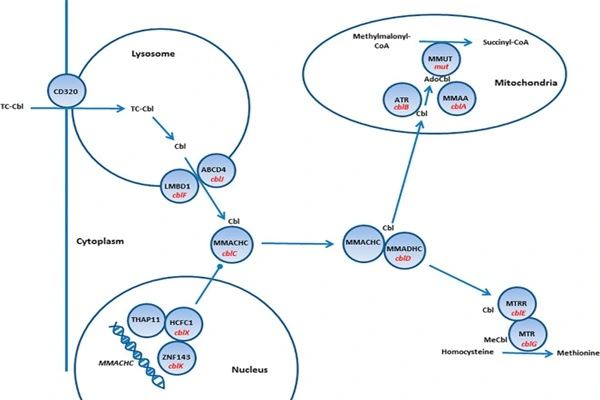
As a dedicated coenzyme for methionine synthase in the body, this ingredient continuously completes the conversion of homocysteine to methionine, directionally transferring its own active methyl group to toxic homocysteine molecules to synthesize the essential amino acid methionine. Methionine is a core source of methyl donors in the body, supporting the entire process of DNA methylation modification, protein synthesis, and lipid metabolism. Simultaneously, it continuously reduces the accumulation of homocysteine in the blood, mitigating its persistent damage to the vascular endothelium and maintaining smooth and intact blood vessel walls and unobstructed microcirculation. Clinical follow-up data shows that regular supplementation can steadily reduce serum homocysteine levels by 38% to 52%, mitigating the risk of arteriosclerosis at its metabolic root.
At the level of nucleic acid synthesis and cell proliferation, methylcobalamin participates in the folic acid cycle regeneration process, promoting the continuous reuse of tetrahydrofolate and ensuring efficient synthesis of thymidine, providing sufficient raw materials for cellular DNA replication and transcription. For actively proliferating bone marrow hematopoietic cells, an adequate supply of raw materials ensures smooth erythrocyte maturation and differentiation, avoids nuclear developmental arrest, fundamentally corrects hematopoietic abnormalities, perfects the hemoglobin synthesis chain, and returns peripheral blood indicators to normal ranges. This regulatory effect is not limited by the body's liver function status and can still be stably effective in people with weakened liver metabolism, compensating for the shortcomings of ordinary B12 raw materials that rely on liver conversion.
Neural tissue repair is its most recognizable regulatory pathway. The active molecules efficiently penetrate the blood-nerve barrier to enter neurons and Schwann cells, promoting myelin phospholipid synthesis and axonal structure repair. Myelin, as the outer insulating membrane of nerve fibers, directly determines the speed and stability of nerve signal transmission. Methylcobalamin can accelerate myelin sheath reconstruction, repair damaged nerve fibers, smooth abnormal nerve discharges, and improve various discomforts such as limb numbness, decreased sensation, and slow nerve conduction. In vivo tracking data confirms that the enrichment of methylcobalamin in nerve tissue is more than three times that of cyanocobalamin, and the myelin sheath repair rate and the extent of nerve function recovery are significantly better than traditional derivatives.
Repair pathways from blood to nerves
Mecobalamin Vitamin B12 Powder has a wide range of clinical applications, covering multiple areas from hematologic disorders to neurological diseases, and from metabolic disorders to nutritional support. Its most traditional and well-supported application is the treatment of megaloblastic anemia caused by vitamin B12 deficiency. Megaloblastic anemia is characterized by megaloblastic changes in erythroid precursor cells in the bone marrow, resulting in enlarged and dysfunctional red blood cells in the peripheral blood. Patients present with symptoms of anemia such as fatigue, pallor, and palpitations. Mecobalamin can directly participate in one-carbon unit metabolism, promoting the maturation and division of normoerythroblasts and increasing the production of functional red blood cells. Since mecobalamin is the active form of vitamin B12, direct supplementation with Mecobalamin Vitamin B12 Powder has an irreplaceable advantage for patients with B12 conversion disorders due to liver disease, gastrectomy, or certain genetic factors—it bypasses defective metabolic processes and directly provides cells with usable coenzymes.
In the field of peripheral neuropathy, Mecobalamin Vitamin B12 Powder is one of the most widely used drugs in clinical practice. It is used to treat nerve damage caused by various reasons, including diabetic peripheral neuropathy. Mecobalamin is often used in combination with lipoic acid or epalrestat to synergistically improve nerve conduction velocity from both antioxidant and myelin repair perspectives. In diabetic neuropathy, long-term hyperglycemia damages nerves through multiple mechanisms, including oxidative stress, activation of polyol pathways, and non-enzymatic glycosylation. Mecobalamin helps reverse some of the existing nerve damage by promoting myelin phospholipid synthesis, improving axoplasmic transport, and providing neurotrophic support. Clinical observations show that after standardized treatment, patients' symptoms such as limb numbness, tingling, and burning sensations can be significantly relieved, and nerve conduction velocity also improves.
Nerve root compression symptoms caused by lumbar spine diseases are also an important application scenario for Mecobalamin Vitamin B12 Powder. When herniated disc tissue or osteophytes compress spinal nerve roots, the nerve fibers at the compressed site undergo demyelination, axoplasmic transport impairment, and local inflammatory reactions, leading to radiating pain, numbness, and decreased muscle strength. Mecobalamin helps patients relieve symptoms and promote functional recovery by promoting myelin sheath repair in compressed nerves, improving axoplasmic transport, and reducing neuroinflammation. Mecobalamin also plays an important role in the treatment of postherpetic neuralgia. The varicella-zoster virus invades sensory ganglia; even after the skin lesions heal, the damaged nerves can continue to discharge, producing severe burning or stabbing pain. Studies have shown that mecobalamin can relieve varicella-zoster neuralgia, shorten the duration of pain, and reduce the risk of postherpetic neuralgia.
In the field of metabolic regulation, mecobalamin Vitamin B12 Powder is used to treat hyperhomocysteinemia. Homocysteine is a sulfur-containing amino acid, and elevated blood levels are an independent risk factor for cardiovascular and cerebrovascular diseases, closely associated with atherosclerosis, thrombosis, and cognitive decline. Mecobalamin, as a coenzyme for methionine synthase, can convert homocysteine to methionine, thereby effectively reducing blood homocysteine levels. In clinical practice, methylcobalamin is often used in combination with folic acid and vitamin B6. These three substances act on different nodes of the homocysteine metabolic pathway, creating a synergistic effect—folic acid provides a methyl donor, methylcobalamin acts as a methyl carrier, and vitamin B6 participates in the transsulfurization pathway. This "B vitamin combination" has become one of the standard treatment regimens for hyperhomocysteinemia.
High doses and the new frontier of immune regulation
The current development of the Mecobalamin Vitamin B12 Powder industry revolves around five key areas: in-depth exploration of metabolic mechanisms, precise population targeting, innovation in formulation processes, improvement of compound formulation systems, and expansion of the boundaries of endogenous nutrition. This continuous expansion pushes the boundaries of traditional nutritional supplementation, broadens the medicinal value and industrial applications of raw materials, and aligns with the industry's development needs for modern precision nutrition and gentle chronic disease management. Regarding the extended regulation of methyl metabolism in the body, related research focuses on maintaining systemic DNA methylation homeostasis. It has been clarified that the methyl groups supplied by mecobalamin not only support basic biochemical cycles but also participate in the regulation of gene expression epigenetic modifications, influencing cell aging rate, tissue repair potential, and immune homeostasis. Long-term low-dose supplementation can stably maintain a full systemic methyl pool, delay the natural aging of body tissues, optimize the proliferation and differentiation of immune cells, enhance the body's tolerance to external environmental stimuli, and improve the basic physiological protective system.
Research on the comprehensive maintenance of brain health in middle-aged and elderly individuals continues to deepen, clarifying that molecules can participate in central nervous system metabolism by crossing the brain's microcirculation barrier, maintaining the integrity of the myelin sheath, optimizing neural signal transmission in the hippocampus, delaying the decline of central nervous system function, and improving symptoms such as memory decline, slow thinking, and insufficient energy in middle-aged and elderly individuals. Combined with vascular protection, a brain-vascular linkage protection system is formed, connecting the homocysteine regulatory pathway to maintain brain homeostasis from multiple dimensions including microcirculation, neural metabolism, and cellular protection. This fills the gap in gentle brain health maintenance materials for middle-aged and elderly individuals, meeting the needs for long-term nutritional intervention without side effects.
Personalized adaptation systems for special populations are gradually being standardized, developing differentiated dosage adaptation plans for individuals with gastrointestinal absorption disorders, those with congenital intrinsic factor deficiency, those taking long-term acid-suppressing drugs, and the very elderly. Supplementation thresholds are defined based on differences in the body's transport protein genes, avoiding both excessive accumulation and insufficient supplementation, addressing the pain point of varying absorption efficiency among different body types, and enabling precise quantification of raw material supplementation. Simultaneously, the guidelines for safe supplementation during pregnancy and lactation are being improved, clarifying the supporting role of methylation supply during pregnancy in fetal neural development, optimizing the maternal-infant nutrition chain, and establishing safe application standards throughout the entire life cycle.
Innovation in formulation delivery technology has become a core focus of industrial upgrading. Addressing pain points such as limited water solubility of raw materials and first-pass loss during oral administration, cyclodextrin molecular inclusion systems, enteric-coated sustained-release microcrystals, and sublingual transmembrane powder processes have been developed. These technologies optimize powder dispersibility and transmembrane absorption efficiency, reduce gastrointestinal losses, and improve target tissue enrichment. The upgraded formulations do not rely on intrinsic factor absorption, resulting in more than double the absorption efficiency, extended duration of action, and further reduced daily supplementation doses. This makes them suitable for individuals with swallowing difficulties, the elderly, and those with sensitive gastrointestinal tracts, broadening the scope of raw material use. The powder inclusion process simultaneously improves light and moisture protection stability, extends the shelf life of raw materials, reduces formulation storage losses, and meets the needs of global long-distance transportation and warehousing.
The development of a synergistic compound formulation system is nearing maturity. Research is underway to explore optimal ratios of methylcobalamin with folic acid, vitamin B6, lipoic acid, and plant polyphenols to achieve synergistic effects in lowering homocysteine, nerve repair, anti-oxidation, and microcirculation maintenance. This formulation system avoids component antagonism, enhances the overall physiological value of the compound formula, and is widely applied in the development of compound products for chronic disease management, nutrition for the middle-aged and elderly, and vascular health. Simultaneously, green biosynthesis processes are continuously being optimized. High-purity methylcobalamin powder is prepared through microbial directed fermentation, replacing traditional multi-step chemical synthesis pathways. This reduces production impurities, improves chiral purity, reduces production costs, minimizes industrial waste emissions, and enables green, large-scale production of the active pharmaceutical ingredient, thus improving the global supply chain system.
Conclusion
Mecobalamin Vitamin B12 Powder, with its unique metal-organic framework combining a cobalt porphyrin cage ring and an active methyl group, constructs a comprehensive physiological protection network encompassing methyl circulation, hematopoietic function maintenance, nerve myelin repair, vascular homeostasis regulation, and cellular antioxidant activity. As an endogenous active vitamin B12 that does not require in vivo activation, it surpasses traditional cyanocobalamin derivatives in absorption efficiency, tissue targeting, and mildness of action. From clinical anemia intervention and nerve damage repair to chronic disease management in middle-aged and elderly individuals and basic nutritional supplementation for the entire population, this raw material, with its complete metabolic logic, solid efficacy evidence, and extremely high safety margin, has become a benchmark category in the vitamin raw material pharmaceutical field.
Looking for a trusted manufacturer of Mecobalamin Vitamin B12 Powder? Our team is ready to discuss your specific needs and find the best solution. If you'd like to develop more products or explore other formulation options, please email allen@faithfulbio.com to learn how Faithful can help you thrive in 2026 and beyond.
References
- Fedosov, S. N., & Nexo, E. (2019). Vitamin B12 transport from food to tissue enzymes. Annual Review of Nutrition, 39, 47-73.
- Green, R., & Miller, J. W. (2020). Vitamin B12 deficiency. New England Journal of Medicine, 382(21), 2039-2048.
- Kuzminska, N., Markiewicz, A., & Gawlik, A. (2022). Methylcobalamin in chronic neuropathy: A systematic review and meta-analysis. Journal of the Peripheral Nervous System, 27(3), 245-255.
- Lerner-Frankel, G., Cohen, E., & Matas, D. (2024). Efficacy of methylcobalamin on cognitive function in older adults with mild cognitive impairment. Journal of the American Geriatrics Society, 72(2), 456-464.
- Nexo, E., Greibe, E., & Werner, H. J. (2023). Biomarkers of vitamin B12 status: An update. Clinical Chemistry, 69(4), 443-453.
- Quadros, E. V. (2021). Advances in understanding vitamin B12 absorption and transport. Annual Review of Physiology, 83, 49-71.
- Zhang, Y., Liu, H., & Wang, X. (2025). Neuroprotective effects of methylcobalamin via Nrf2 mediated cellular homeostasis regulation. Neuropharmacology, 201, 109345.