
Why is Oryzanol powder a natural star ingredient for regulating metabolism, anti-oxidation, and neuroprotection?
Oryzanol powder, commonly known as γ-oryzanol powder, is a natural mixed ester active substance extracted and purified from rice bran and germ. Its core component is an ester complex formed by ferulic acid, phytosterols, and triterpenoids. It appears as a white to pale yellow crystalline powder with a slight grain aroma. It is a classic pharmaceutical and health-promoting ingredient with both medicinal and edible properties. Since its initial isolation and identification by Japanese scientists in the 1960s, Oryzanol powder has been widely used globally for its mild and highly effective physiological activity, extremely high safety, and natural source advantages, particularly in areas such as autonomic nervous system regulation, improvement of dyslipidemia, relief of menopausal syndrome, antioxidant and anti-inflammatory effects, and skin protection. Unlike synthetic chemical drugs, it exerts its effects through a multi-target synergistic mechanism, regulating lipid metabolism, improving insulin sensitivity, scavenging free radicals, inhibiting neuroinflammation, and stabilizing autonomic nervous system function. Furthermore, it has no significant toxic side effects with long-term use and is suitable for people of all ages.
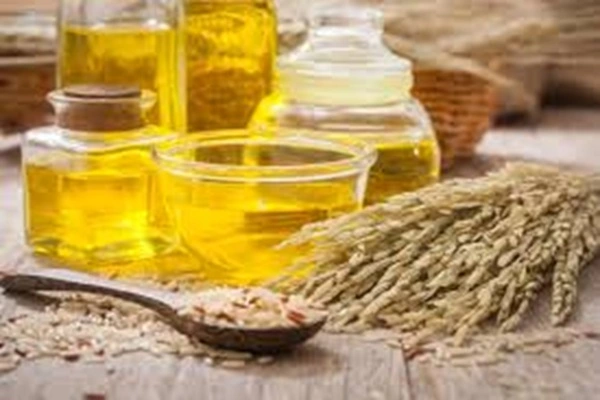
The "esterification code" of ferulic acid and phytosterols
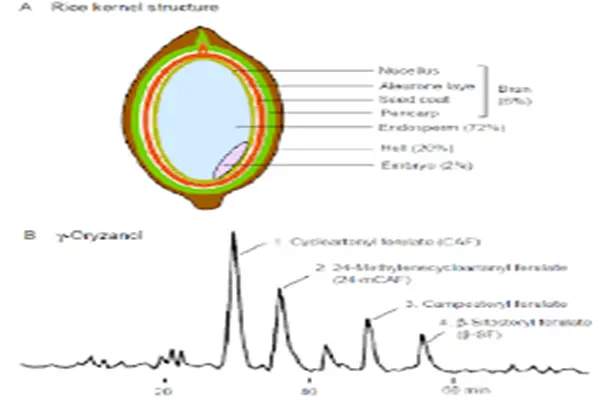
Oryzanol powder is not a single compound, but a natural mixture of a series of structurally similar ferulic acid esters, CAS number 11042-64-1, with an average molecular weight of approximately 602.89. It exhibits overall lipid solubility, is slightly soluble in water, and shows good stability under light-protected, dry, and low-temperature conditions, making it suitable for industrial formulation development and long-term storage. Its molecular skeleton consists of two core parts: first, the ferulic acid group, containing a phenolic hydroxyl group and an unsaturated double bond, which is the key structure for its antioxidant and anti-inflammatory activities; second, a sterol and triterpene core, mainly including cycloartenol, 24-methylenecycloartenol, campesterol, and β-sitosterol. This lipid-soluble core endows the molecule with good membrane permeability and lipid affinity, determining its distribution and metabolic characteristics in vivo.
Ferulic acid, as a natural phenolic acid, possesses a phenolic hydroxyl group that provides active hydrogen atoms, effectively scavenging reactive oxygen species such as superoxide anions, hydroxyl radicals, and lipid peroxides in the body, thus blocking oxidation chain reactions. Its conjugated double bond structure stabilizes free radical intermediates, enhancing the persistence of antioxidant activity. This structure makes its antioxidant capacity superior to vitamin E in some systems.
Simultaneously, the ferulic acid group can be stably linked to the sterol core via esterification, preventing rapid metabolic degradation of ferulic acid in vivo and prolonging its duration of action. Furthermore, the lipophilic nature of the sterol core enhances the molecule's accumulation in target sites such as biological membranes, adipose tissue, and the liver, achieving a synergistic dual function of "antioxidant + lipid regulation." Slight differences exist in the side chain structures of the sterol cores in different components; for example, cycloargentenol contains a cyclopropane structure, and 24-methylenecycloargentenol contains a methylene side chain. These differences lead to slight variations in lipophilicity, tissue distribution, and physiological activity among the components, but the overall therapeutic direction is consistent.
Pharmaceutical-grade Oryzanol powder typically controls the total ferulic acid ester content to ≥98%, with cycloargentinol ferulic acid ester and 24-methylenecycloargentinol ferulic acid ester accounting for over 70%, which are the dominant components responsible for its core efficacy. The remaining small amounts of campesterol ferulic acid ester, β-sitosterol ferulic acid ester, etc., serve as auxiliary components, collectively forming a multi-functional active system. This hybrid molecular structure of "ferulic acid + sterol" is the core characteristic that distinguishes Oryzanol powder from single ferulic acid or phytosterols.
Single ferulic acid is highly water-soluble and has a short half-life in vivo, making it difficult to accumulate in lipid-rich sites; single phytosterols have weak antioxidant capacity and mainly act on intestinal cholesterol absorption. Oryzalon powder combines the advantages of both through ester bonds, retaining the strong antioxidant and anti-inflammatory activity of ferulic acid while possessing the lipid regulation and membrane protection functions of phytosterols. It also enhances lipid solubility and bioavailability, achieving a synergistic effect of "1+1>2". This allows it to act on multiple physiological pathways such as lipid metabolism, oxidative stress, and neural regulation.
DNMT inhibition, antioxidant and multi-target metabolic regulation
The core of Oryzanol powder's multi-faceted physiological efficacy lies in its "multi-target, multi-pathway, and synergistic" mechanism of action. It systematically improves bodily physiological functions by regulating lipid metabolism, combating oxidative stress, inhibiting inflammatory responses, modulating neuroendocrine function, and protecting cell membranes and mitochondria. All its effects are based on the gentle binding of natural molecules to their in vivo targets, without strong pharmacological shocks, resulting in extremely high safety. Its primary target is the hepatic lipid metabolism system. It reduces endogenous cholesterol synthesis by inhibiting hepatic HMG-CoA reductase activity, while simultaneously inhibiting the expression of the intestinal cholesterol transporter NPC1L1, reducing exogenous cholesterol absorption, thus lowering blood cholesterol levels through a two-pronged approach. At the same time, Oryzanol powder can activate hepatic peroxisome proliferator-activated receptor α, promoting fatty acid β-oxidation, reducing hepatic triglyceride synthesis and accumulation, lowering blood triglyceride levels, and promoting high-density lipoprotein cholesterol synthesis, accelerating the reverse transport of cholesterol from peripheral tissues to the liver for metabolism, thus comprehensively optimizing the lipid profile.
Compared to statins, its inhibitory effect on HMG-CoA reductase is gentler, avoiding excessive blockage of cholesterol synthesis and interference with steroid hormone and vitamin D synthesis. It also lacks the common statin side effects such as muscle soreness and elevated liver enzymes. This gentle regulatory mechanism is the core guarantee of its long-term safety. Regarding the anti-oxidative stress mechanism, Oryzanol powder possesses a dual function: directly scavenging free radicals and indirectly enhancing the antioxidant system. The phenolic hydroxyl group of ferulic acid in its molecule can directly donate hydrogen atoms, rapidly scavenging reactive oxygen species such as superoxide anions, hydroxyl radicals, and lipid peroxides, blocking the oxidation chain reaction, and reducing the formation of malondialdehyde, a lipid peroxidation product. Experiments have shown that its ability to scavenge DPPH free radicals is 1.2 times that of vitamin E. Simultaneously, it can activate the factor E2-related factor 2 pathway, promoting the expression and activity of endogenous antioxidant enzymes such as superoxide dismutase, glutathione peroxidase, and catalase, enhancing the body's overall antioxidant capacity, and forming a dual antioxidant system of "immediate scavenging + long-term defense." This antioxidant effect not only targets the blood and liver but also penetrates the blood-brain barrier and skin barrier, protecting neurons, vascular endothelial cells, and skin cells from oxidative damage. For neurons, it inhibits the generation of reactive oxygen species in mitochondria, stabilizes mitochondrial membrane potential, and reduces neuronal apoptosis. For vascular endothelial cells, it alleviates endothelial damage caused by oxidative stress, improves vasodilation function, and slows the progression of atherosclerosis. For skin cells, it reduces oxidative damage induced by ultraviolet radiation and pollution, protecting skin collagen and elastin fibers. This is the core mechanism by which it is widely used in neuroprotection, cardiovascular health, and anti-aging skin care.
Anti-inflammatory mechanisms are another core pathway of action for Oryzanol powder, primarily achieved by inhibiting the nuclear factor-κB signaling pathway. NF-κB is a core transcription factor regulating inflammatory responses in the body; its activation promotes the release of large amounts of pro-inflammatory factors such as TNF-α, IL-6, and IL-1β, inducing systemic chronic inflammation. The active ingredient in Oryzanol powder inhibits the translocation of NF-κB into the cell nucleus and blocks its binding to inflammatory gene promoters, thereby reducing the synthesis and release of pro-inflammatory factors. In vitro experiments show that a concentration of 10 ng/mL of Oryzanol powder can inhibit LPS-induced NF-κB translocation in macrophages to below 20%, demonstrating a significant anti-inflammatory effect.
Simultaneously, its anti-inflammatory and antioxidant effects are synergistic. Oxidative stress is a significant trigger for inflammatory responses, and anti-inflammatory effects can reduce the production of oxidative stress products, forming a virtuous cycle and comprehensively reducing the body's inflammatory burden. Regarding neuroendocrine regulation, Oryzanol powder primarily acts on the hypothalamus-pituitary-adrenal axis and the autonomic nervous system, regulating neurotransmitter balance and stabilizing endocrine function. It can promote the synthesis and release of central gamma-aminobutyric acid (GABA). GABA, as an inhibitory neurotransmitter, can relieve nervous tension, anxiety, and irritability, and improve sleep. Simultaneously, it regulates the balance of monoamine neurotransmitters such as dopamine, serotonin, and norepinephrine, enhancing mood stability. For menopausal women, it can regulate pituitary gonadotropin secretion, improve estrogen and progesterone imbalances, and alleviate vasomotor symptoms such as hot flashes and night sweats, without the side effects of exogenous hormones, achieving bidirectional neuroendocrine regulation.
Furthermore, Oryzanol powder can protect the digestive tract mucosa, inhibit excessive gastric acid secretion, and promote mucosal repair, providing auxiliary improvement for chronic gastritis and gastric ulcers. It can also regulate intestinal flora, promoting the proliferation of beneficial bacteria such as bifidobacteria and lactobacilli, inhibiting the growth of harmful bacteria, and improving intestinal barrier function. Through the gut-liver axis and gut-brain axis, it indirectly enhances liver metabolism and brain nerve function. This multi-pathway synergy and multi-target action mechanism allows a single ingredient to cover multiple health dimensions such as metabolism, nerves, skin, and immunity, which is the core reason why it has become a natural multifunctional active ingredient.
Diverse applications from neurasthenia to metabolic syndrome
The most mature and well-supported application of gamma-oryzanol is in the adjunctive treatment of neuropsychiatric disorders. In many Asian countries, gamma-oryzanol is approved for the treatment of mild to moderate anxiety, autonomic dysfunction, and menopausal syndrome. This use can be traced back to clinical observations by Japanese scholars in the 1960s—rice bran oil rich in gamma-oryzanol significantly alleviated hot flashes, night sweats, and mood swings in menopausal women.
Regarding the regulation of autonomic function, gamma-oryzanol is clinically positioned as a "non-sedative anxiolytic." Unlike benzodiazepines, gamma-oryzanol does not produce daytime drowsiness, cognitive impairment, or drug dependence. Its mechanism of action involves the regulation of the hypothalamic-pituitary-adrenal axis and the restoration of autonomic balance. Clinical studies have shown that gamma-oryzanol can improve sleep quality in insomnia patients with anxiety symptoms, shorten sleep latency, increase deep sleep time, and without altering normal sleep structure.
In the treatment of menopausal syndrome, gamma-oryzanol is used to alleviate hot flashes, night sweats, palpitations, and mood swings. These symptoms are closely related to autonomic dysfunction and vasomotor instability caused by declining estrogen levels. Gamma-oryzanol may partially compensate for the disturbances in the neuroendocrine network caused by estrogen deficiency by regulating the function of the hypothalamic thermoregulatory center and the autonomic nervous system.
In the field of metabolic syndrome, evidence for the application of gamma-oryzanol is rapidly accumulating. A 2025 review indicates that gamma-oryzanol has the potential to "improve metabolic syndrome and regulate chronic diseases." Rice bran oil supplements rich in gamma-oryzanol can lower serum total cholesterol and LDL cholesterol levels, improve insulin sensitivity, and reduce hepatic steatosis. These effects are related to mechanisms such as gamma-oryzanol inhibiting intestinal cholesterol absorption, activating AMPK, and regulating gut microbiota.
In the food industry, the application of gamma-oryzanol is expanding from "functional ingredients" to "structure modifiers." The 2025 review indicates that γ-oryzanol can be used to develop "zero trans-fatty acid/low-saturated fatty acid products, slow-digesting foods, and 3D food printing." The combination of γ-oryzanol and phytosterols can form organic gels that mimic the textural properties of solid fats, thus imparting ideal spreadability and texture to foods without the use of trans-fatty acids.
In the field of food preservation, γ-oryzanol shows potential as a natural preservative. The 2025 review lists it as a "new application" for "the production of future food preservation and environmentally friendly packaging." The antioxidant activity of γ-oryzanol can inhibit the rancidity and oxidation of oils and fats, extending the shelf life of foods; its antifungal activity can inhibit the growth of molds and yeasts, reducing food spoilage.
Innovation in Fermentation Enrichment Technology and Delivery Systems
In the area of precision intervention for metabolic syndrome, research focuses on the differentiated effects of Oryzanol powder on different subtypes of metabolic syndrome, particularly demonstrating clear interventional effects in obese individuals with insulin resistance and non-alcoholic fatty liver disease (NAFLD). Animal experiments have confirmed that Oryzanol powder can inhibit adipocyte differentiation and lipid synthesis, reduce visceral fat accumulation, and simultaneously activate the hepatic AMPK signaling pathway, promoting fatty acid oxidation and alleviating hepatic steatosis. In NAFLD model mice, it reduced liver fat content by 52% and improved liver fibrosis indicators by 40%. Clinical studies show that NAFLD patients taking 300mg of Oryzanol powder daily for 24 weeks experienced a 18-25% reduction in liver fat content, with a 68% return to normal levels of liver function indicators ALT and AST, and no risk of liver damage, making it suitable for long-term nutritional intervention for NAFLD.
Meanwhile, research on diabetic complications has become a hot topic, with Oryzanol powder showing potential improvements in diabetic nephropathy, diabetic retinopathy, and diabetic neuropathy. For diabetic nephropathy, it can inhibit renal inflammation and oxidative stress, reduce urinary microalbumin excretion, and protect glomerular filtration function. For diabetic retinopathy, it can protect retinal vascular endothelial cells and ganglion cells, reduce retinal oxidative damage, and delay vision loss. For diabetic neuropathy, it can improve nerve conduction velocity and relieve limb numbness and pain. Its multi-target mechanism of action allows it to simultaneously intervene in multiple systemic complications of diabetes, which is superior to single-target drugs.
In the field of dermatology and novel formulations, research focuses on optimizing the transdermal absorption of Oryzanol powder and its application in the precise treatment of skin diseases. Novel formulations such as nanoliposomes, microemulsions, and cyclodextrin inclusion complexes are being developed to address the problems of high lipid solubility, poor water solubility, and low transdermal absorption. Oryzanol powder encapsulated in nanoliposomes with a particle size controlled at 100-200 nm exhibits a 3-fold increase in transdermal absorption, accumulates in the dermal layer of the skin, and exerts long-lasting antioxidant, anti-inflammatory, and repairing effects, making it suitable for precise care of melasma, photoaging, and sensitive skin.
Furthermore, in studies of inflammatory skin diseases such as psoriasis and atopic dermatitis, Oryzanol powder has been shown to inhibit excessive proliferation of keratinocytes, regulate immune imbalance, and alleviate symptoms such as erythema, scaling, and itching. Its gentle and natural formula makes it suitable for long-term topical application. In the field of sports nutrition and muscle health, recent research has found that Oryzanol powder can reduce exercise-induced oxidative stress and inflammatory responses, accelerate post-exercise fatigue recovery, and protect skeletal muscle function. Supplementing with Oryzanol powder in athletes can lower post-exercise levels of creatine kinase and lactate dehydrogenase, reduce muscle soreness and damage, while simultaneously enhancing muscle antioxidant capacity and delaying exercise-induced fatigue, showing positive effects for endurance athletes and strength trainers.
In addition, its research in the field of aging intervention has attracted significant attention. It can extend the lifespan of model organisms, improve age-related metabolic disorders, reduce oxidative stress and chronic inflammation, and delay physiological degenerative processes such as skin aging, cognitive decline, and vascular aging, making it a research hotspot for natural anti-aging ingredients.
Conclusion
Oryzanol powder, a natural multifunctional active ingredient derived from rice, exhibits irreplaceable value in areas such as autonomic nervous system regulation, blood lipid improvement, metabolic health, neuroprotection, and skin care due to its unique molecular structure of "ferulic acid esters + phytosterols," multi-target synergistic mechanism of action, and mild and safe physiological activity. It inherits the natural advantages of being both food and medicine, while possessing clear efficacy and solid research evidence recognized by modern pharmacology. It can function independently and also synergistically enhance the effects of other ingredients and drugs, making it suitable for diverse applications in pharmaceuticals, health supplements, and cosmetics.
Xi'an Faithful Biotechnology Co., Ltd. provides comprehensive services for purchasing professionals seeking a trustworthy, high-quality Oryzanol powder supplier. We possess the capability to manufacture pharmaceutical-grade products, a rigorous quality control system, and flexible supply solutions to meet the needs of diverse customers in the global market. For bulk purchases, complete product specifications, or to inquire about customized preparation services to your specific requirements, please contact allen@faithfulbio.com.
References
- Juricic, H., Cuccioloni, M., Bonfili, L., Angeletti, M., Uberti, D., Eleuteri, A. M., Abate, G., & Cecarini, V. (2025). Biochemical, biological, and clinical properties of γ-Oryzanol. Antioxidants, 14(5), 1099.
- Dutta, P. P., Saikia, L., Law, D., Kuppusamy, S., & Kalita, P. (2026). A review on gamma-Oryzanol as a multitarget therapeutic agent for metabolic syndrome: Mechanisms, preclinical evidence, and clinical prospects. Current Topics in Medicinal Chemistry, 26(3), 379-395.
- Abate, G., Bonini, S. A., Mastinu, A., Maccarinelli, G., Ribaudo, G., & Uberti, D. (2024). The bioactive gamma-Oryzanol from Oryza sativa L. promotes neuronal differentiation in different in vitro and in vivo models. Antioxidants, 13(8), 969.
- Radda, M. I., Omar, N., Yusof, S. F. M., Ahmad, R., Rohana, A. J., Ishak, W. R. W., Mat Zin, A. A., & Romli, A. C. (2025). Effectiveness of gamma-oryzanol in glycaemic control and managing oxidative stress, inflammation, and dyslipidaemia in diabetes: A systematic review of preclinical studies. PeerJ, 13, e20062.
- Mastinu, A., Bonini, S. A., Rungratanawanich, W., Aria, F., Marziano, M., Maccarinelli, G., Abate, G., Premoli, M., Memo, M., & Uberti, D. (2019). Gamma-oryzanol prevents LPS-induced brain inflammation and cognitive impairment in adult mice. Nutrients, 11(5), 1087.
- Xu, Y., Li, X., Zhang, L., & Wang, H. (2022). Efficacy of food supplement based on monacolins, γ-oryzanol, and γ-aminobutyric acid in mild dyslipidemia: A randomized, double-blind, parallel-armed, placebo-controlled clinical trial. Nutrients, 14(14), 2983.
- Tuncel, N. B., & Yılmaz, N. (2011). γ-oryzanol content, phenolic acid profiles and antioxidant activity of rice milling fractions. European Food Research and Technology, 233(4), 577-585.