

Antarctic ice sheet melts at a record high in a century.
In April 2026, the European Space Agency and NASA jointly released the latest satellite monitoring data showing that the Antarctic ice sheet has melted at its fastest rate in a century, becoming one of the most severe warning signs of the global climate crisis. Over the past thirty years, Antarctica has lost a cumulative 12,800 square kilometers of land ice, equivalent to ten times the size of Los Angeles. From 2025 to early 2026 alone, Antarctic sea ice cover decreased by nearly 2 million square kilometers compared to the 1981-2010 average, roughly equivalent to the area of two Egypts. Once considered a "stabilizer of global warming," Antarctica is rapidly transforming from a frozen paradise into an "amplifier" of drastic climate change. The chain reaction triggered by its melting—sea level rise, ocean current turbulence, and ecological collapse—has transcended geographical boundaries, directly threatening the survival of 630 million coastal residents and the balance and stability of the Earth's ecosystem. This "white crisis" at the southernmost tip of the Earth is not a distant natural wonder, but an urgent and real challenge concerning the survival of human civilization.
The startling data and abrupt change trajectory of ice sheet melting
As the Earth's largest solid freshwater reservoir, the Antarctic ice sheet stores approximately 70% of the world's freshwater. Its volume and stability directly determine the global sea-level baseline and the balance of the climate system. For a long time, the Antarctic ice sheet was considered the most stable component of the global climate system. Even during decades of continuous shrinkage of the Arctic ice sheet, Antarctic sea ice briefly expanded, leading the scientific community to hold optimistic expectations regarding its stability. However, since 2014, this balance has been completely disrupted, and the Antarctic ice sheet has entered a phase of "abrupt melting," with the speed, scope, and depth of melting all setting records in a century of observation.
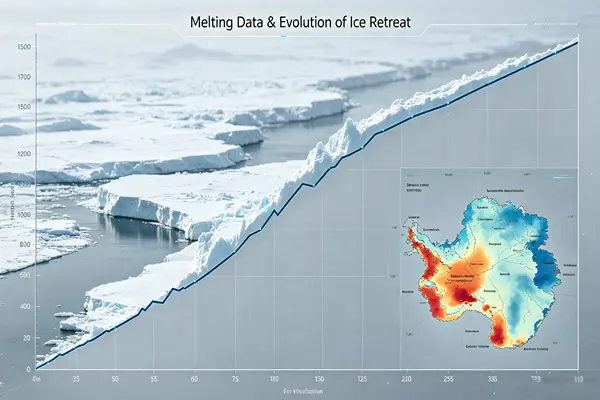
From a long-term perspective, the melting of the Antarctic ice sheet exhibits a three-stage characteristic: "slow accumulation – accelerated abrupt change – uncontrolled exacerbation." During the century from the late 19th to the late 20th century, the Antarctic ice sheet was in a relatively stable state, with an average annual ice loss of less than 50 billion tons and a sea-level rise contribution of only 0.1 millimeters per year, almost impossible to detect through routine observations. From 2000 to 2014, with the continuous rise in global greenhouse gas emissions, the Antarctic ice sheet began to slowly accelerate its decline, with an average annual ice loss of 120 billion tons. Sea level rise contributed 0.3 millimeters per year, and small-scale collapses began to occur at the edge of the West Antarctic ice shelf, but the overall situation remained manageable. 2014 became a critical turning point, with the first large-scale abnormal retreat of Antarctic sea ice, the rate of ice sheet melting suddenly doubling, and the average annual ice loss exceeding 250 billion tons. After 2020, the melting entered an uncontrolled phase. In 2023, the Antarctic sea ice cover area reached its lowest value since satellite observations began (1979), decreasing by nearly 2 million square kilometers compared to the average. From 2025 to early 2026, the melting rate further surged, with a single-season ice loss exceeding 300 billion tons, equivalent to the melting of 36 standard swimming pools of ice per minute, completely breaking a century-old record.
Significant regional differences in ice ablation have emerged, with West Antarctica becoming the hardest hit area, while East Antarctica and the Antarctic Peninsula are experiencing simultaneous intensification. Data shows that approximately 77% of the Antarctic coastline ice sheet remains stable, mainly concentrated in large ice shelf areas such as the Ross Ice Shelf and the Filchner-Ronnie Ice Shelf; however, the remaining 23% of vulnerable areas, especially the Amundsen Sea in West Antarctica, the Goetz Ice Shelf in East Antarctica, and the western side of the Antarctic Peninsula, are experiencing alarming ice sheet retreat. The baseline of the Svetsky Glacier ("Doomsday Glacier") in West Antarctica is retreating at a rate of 2.1 kilometers per year, double the rate between 2011 and 2019, resulting in an annual ice loss of over 50 billion tons. If it were to completely collapse, it would cause global sea levels to rise by more than 3 meters. The Pine Island Glacier, Thwaites Glacier, and Smith Glacier have retreated by 33 kilometers, 26 kilometers, and 42 kilometers respectively over the past thirty years, with a cumulative ice loss exceeding 5,000 square kilometers. Glaciers on the Antarctic Peninsula have retreated an average of 16 kilometers over the past 30 years, with several small ice shelves completely disintegrating, making it one of the most actively melting areas in Antarctica.
Frequent iceberg disintegration events and the normalization of giant icebergs being removed from the iceberg register serve as direct evidence of the accelerated melting of the ice sheet. In April 2026, A23a, once the world's largest iceberg, completely disintegrated, leaving only 35 square kilometers of remaining area, falling below the iceberg numbering threshold and officially exiting the iceberg register. This giant iceberg, which broke off from the Antarctic ice shelf in 1986, initially had an area of 4,170 square kilometers and a thickness of nearly 400 meters. After drifting at sea for 40 years, it completely disintegrated, releasing trillions of tons of fresh water. Following closely behind, the A81 iceberg in the northern Weddell Sea, with an area of 1,400 square kilometers, entered a phase of accelerated melting and is expected to complete its disintegration by the end of 2026 or early 2027. Statistics show that from 2020 to 2026, more than 20 giant icebergs with an area exceeding 100 square kilometers have disintegrated in the Antarctic Ocean, five times the number from 2000 to 2019, fully demonstrating that the ice sheet melting has entered an irreversible accelerated phase.
Cross-validation of ice core and historical observation data reveals that the current melting rate is unprecedented in a century. Scientists, through analysis of Antarctic ice cores, historical navigation records, and early meteorological observation data, have discovered that in the past 500 years, the Antarctic ice sheet experienced only one brief period of accelerated melting in the mid-19th century, but its rate was only one-third of the current rate; since the 20th century, there has never been such a continuous, intense, and widespread melting trend as in the last decade. A study published in *Nature* in 2025 clearly points out that the Antarctic ice sheet has undergone a fundamental "state change," transitioning from a relatively stable state to a continuously shrinking, low-ice-volume state, and this change in magnitude and speed far exceeds the natural variability of the past few centuries, constituting a once-in-a-century climate anomaly.
Ice sheet collapse mechanism driven by global warming
The unprecedented accelerated melting of the Antarctic ice sheet is not caused by a single factor, but rather by the combined and reinforcing effects of multiple factors against the backdrop of global warming, including rising atmospheric temperatures, ocean warming, abnormal ocean currents, and the inherent structural fragility of the ice sheet itself. Human-induced greenhouse gas emissions are the fundamental driving force, and Antarctica's unique geographical and climatic environment makes it far more sensitive to global warming than other regions; even small temperature fluctuations can trigger a chain reaction of ice sheet collapse.
The surge in global greenhouse gas emissions and rising atmospheric temperatures directly exacerbate the melting of the ice sheet surface. Since the Industrial Revolution, the massive burning of fossil fuels and deforestation have led to a continuous rise in the concentration of greenhouse gases such as carbon dioxide and methane in the atmosphere. In 2025, the carbon dioxide concentration exceeded 420 ppm, an increase of more than 50% compared to pre-industrial levels. The "warming effect" of greenhouse gases has caused the global average temperature to rise by 1.3°C compared to pre-industrial levels, with the Antarctic region experiencing more than twice the global average, and some areas seeing a temperature increase of up to 3°C, making it one of the most significantly warming regions globally. Atmospheric warming directly leads to accelerated melting of the Antarctic ice sheet. In the 2025 Antarctic summer, the melt area of the ice sheet reached 3.2 million square kilometers, an increase of 60% compared to 2000. Warming has also altered Antarctic snowfall patterns. Although snowfall has increased slightly in some areas, the new ice volume is far from sufficient to offset the melting losses, creating a vicious cycle of "income not meeting expenditure."
Ocean warming is the core driver of ice sheet melting at the base, with deep warm water intrusion accelerating ice shelf collapse. Of the heat generated by global anthropogenic greenhouse effects, 90% is absorbed by the ocean, leading to a continuous rise in global sea surface temperatures, with a particularly significant warming in the Southern Ocean. Antarctic ice shelves are a crucial link between the land ice sheet and the ocean, with most of their bases below sea level and in constant contact with seawater. In recent years, the temperature of deep warm water in the Southern Ocean (circumpolar deep water) has risen by 0.5-1°C, and its density has decreased, making it easier to intrude into the base of ice shelves and glaciers. Warm water continuously erodes the ice shelves from the bottom, thinning them, loosening their structure, and significantly reducing their load-bearing capacity. Simultaneously, the warm water causes the glacier base to melt, weakening the "anchoring effect" between the glacier and the land, accelerating the glacier's sliding and disintegration towards the ocean. Data shows that the melting at the bottom of the West Antarctic ice shelf accounts for more than 70% of the total melting, making it the main cause of ice sheet loss.
The abnormally strong Antarctic westerly winds have become a catalyst for warm water intrusion and ice sheet melting. Influenced by global warming and the recovery of the Antarctic ozone hole, the Antarctic circumpolar westerly winds have continuously strengthened and shifted southward over the past decade, with wind speeds increasing by 15% compared to the end of the 20th century, expanding their influence to the edge of the Antarctic continent. The strengthened westerly winds, on the one hand, accelerate the flow of surface seawater in the Southern Ocean, creating stronger upwelling currents that lift deep warm water to the bottom of the ice shelves, exacerbating ice shelf melting; on the other hand, the westerly winds block the outward diffusion of cold air from the Antarctic continent, further increasing inland temperatures and intensifying surface melting of the ice sheet. Furthermore, anomalies in the westerly winds have led to an imbalance in the distribution of Antarctic sea ice. Sea ice in regions such as the Weddell and Amundsen Seas is retreating rapidly, leaving ice shelves directly exposed to warm water and waves, significantly increasing the risk of collapse.
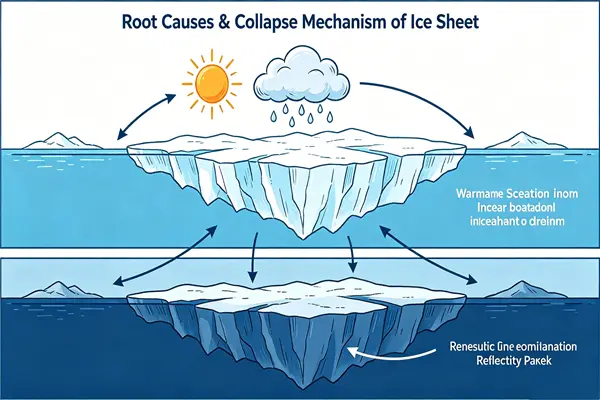
The inherent structural fragility of the ice sheet and its feedback loop amplify the melting effect, pushing for irreversible collapse. The Antarctic ice sheet, especially the West Antarctic ice sheet, has a basin-like structure with its base below sea level. Once the edge ice shelves collapse, the inland ice sheet loses support and slides rapidly towards the ocean, creating a positive feedback loop of "ice shelf collapse – accelerated glacier growth – thinning ice sheet – increased susceptibility to collapse." Simultaneously, as the ice sheet melts, its surface reflectivity decreases, allowing more solar radiation to be absorbed, further exacerbating warming and melting, creating a vicious cycle of "melting – decreased reflectivity – warming – further melting." This feedback mechanism makes ice sheet melting, once initiated, difficult to reverse. Even with significant reductions in greenhouse gas emissions in the future, the ice sheet will continue to melt for decades or even centuries.
The indirect impacts of human activities are exacerbating environmental degradation in Antarctica and further weakening ice sheet stability. Besides greenhouse gas emissions, human activities leading to global atmospheric circulation disruptions, marine pollution, and biodiversity loss all indirectly affect Antarctic climate and ecology. For example, abnormal global atmospheric circulation has led to frequent extreme weather events in Antarctica; in 2025, Antarctica experienced several historically rare heat waves and strong storms, accelerating ice sheet melting and ice shelf collapse. Marine pollution has reduced phytoplankton in Antarctic waters, disrupting the food chain and affecting ocean heat circulation, indirectly exacerbating sea surface warming. Furthermore, while the increased tourism and scientific research activities in Antarctica have a limited impact, they still disrupt local ice sheets and ecosystems, increasing environmental vulnerability.
The Multidimensional Crisis of Ice Cap Melting and the Challenges to Human Survival
Rapidly rising sea levels pose a catastrophic threat to coastal cities and island nations, displacing hundreds of millions of people. If all the freshwater stored in the Antarctic ice sheet were to melt, global sea levels would rise by 58 meters, enough to submerge all major coastal cities and low-lying areas worldwide. Currently, the melting of the Antarctic ice sheet is the primary contributor to sea level rise. From 2020 to 2025, the global sea level is projected to rise by an average of 4.5 millimeters per year, double the rate from 1993 to 2002, with 40% of this rise attributed to the melting of the Antarctic ice sheet. At the current rate of melting, it is estimated that by 2100, the melting of the Antarctic ice sheet alone will cause sea levels to rise by 0.5-1 meter; by 2200, the rise could exceed 1.5 meters. Rising sea levels will directly submerge global megacities such as Shanghai, New York, Tokyo, and Mumbai, as well as low-lying island nations like the Maldives and Tuvalu. The homes of approximately 630 million coastal residents worldwide will be swallowed by the sea, and 150 million will be forced to relocate, becoming "climate refugees." Furthermore, rising sea levels will exacerbate coastal erosion, storm surges, and seawater intrusion, leading to coastal land salinization, freshwater pollution, reduced agricultural production, and infrastructure damage, resulting in incalculable global economic losses.
Disruptions to the global ocean current system and an imbalance in the climate "conveyor belt" will exacerbate the food crisis due to frequent extreme weather events. The waters surrounding Antarctica are the starting point of global deep ocean currents (overturning circulation). The currents formed by the sinking of cold Antarctic waters carry heat, carbon, oxygen, and nutrients, connecting the global oceans and regulating the global climate; they are known as the Earth's "climate conveyor belt." The large amounts of freshwater released by the melting Antarctic ice sheet, with a lower density than seawater, will form a "freshwater barrier" on the surface of the Southern Ocean, hindering the sinking of cold water and causing the overturning circulation to slow down or even stop. A 2026 study published in *Nature* warns that by 2050, the melting of the Antarctic ice sheet will slow global deep-sea currents by 40%, triggering global climate turmoil. Slower ocean currents will lead to warming in tropical regions and cooling in high-latitude regions, significantly increasing the frequency and intensity of extreme cold waves, heat waves, torrential rains, floods, and droughts. Simultaneously, slower ocean currents will disrupt the marine nutrient cycle, causing a sharp decline in global fisheries resources; major fishing nations like Peru may see a 40% reduction in catches. The combined effects of extreme weather and fisheries decline will lead to reduced global food production, threatening the food security of billions and exacerbating the global food crisis and social unrest.
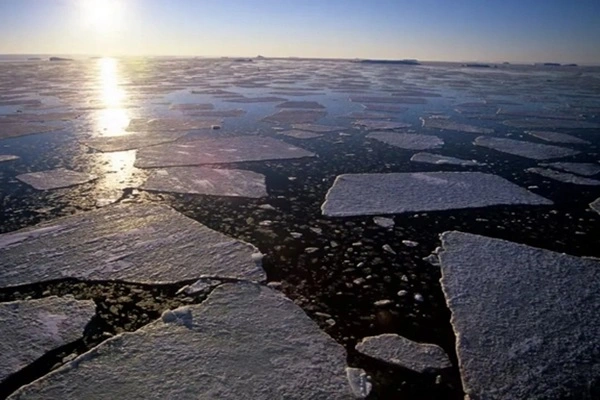
The collapse of the Antarctic ecosystem and the sharp decline in biodiversity pose a risk of disrupting the global food chain. Antarctica is a vital part of the global ecosystem; its unique icy environment nurtures endemic species such as penguins, seals, krill, and polar fish, forming a simple yet fragile food chain. Ice sheets and sea ice are the habitats and food sources for Antarctic life. Emperor penguins rely on sea ice to lay and hatch their eggs, krill feed on sea ice algae, and seals rest and reproduce on ice shelves. The accelerated melting of ice sheets and the rapid retreat of sea ice directly lead to the shrinking of Antarctic habitats, food shortages, and a sharp decline in populations. Data shows that the reproductive success rate of Antarctic emperor penguins has decreased by 50% in areas where sea ice has disappeared, and some populations have experienced mass mortality of pups due to premature sea ice melting, potentially leading to extinction of emperor penguins by 2100. Krill populations have decreased by 30% in the past decade, directly impacting the survival of penguins, seals, whales, and other species that feed on krill. The collapse of the Antarctic ecosystem will trigger a chain reaction, affecting the global marine ecological balance, leading to a further sharp decline in global biodiversity, and a significant reduction in the stability and self-repair capacity of the Earth's ecosystems.
Global climate governance faces severe challenges, geopolitical risks are intensifying, and human development models are being forced to restructure. The accelerated melting of the Antarctic ice sheet highlights the urgency and complexity of global climate governance. Current greenhouse gas emission reduction commitments and actions by various countries are far from sufficient to curb the melting trend. The escalating climate crisis will trigger global competition for resources, particularly freshwater, food, and coastal land, exacerbating geopolitical conflicts. Simultaneously, the melting Antarctic ice sheet improves navigation conditions in the Antarctic Ocean. With the opening of the Arctic shipping routes, the Antarctic routes will also become new shipping channels, intensifying competition among countries for Antarctic resource development and control of shipping routes, further aggravating geopolitical risks. Faced with the increasingly severe climate crisis, humanity must fundamentally change its traditional high-consumption, high-emission development model, accelerate energy transition, industrial upgrading, and low-carbon living, and build a new global climate governance framework; otherwise, it will face an irreversible civilizational crisis.
Conclusion
The Antarctic ice sheet is melting at a record rate in a century, serving as the strongest climate warning Earth has issued to humanity and a critical survival test for the 21st century. From a century of stability to accelerated collapse, from polar ice capping to a global chain reaction of crises, the trajectory of the Antarctic ice sheet's melting clearly demonstrates that the global climate crisis is no longer a distant threat, but an ongoing reality. The balance between human activity and the natural ecosystem has been disrupted, and restoring that balance is urgent.
The root cause of this crisis lies in humanity's long-term excessive exploitation of nature and unrestrained emissions. The key to resolving the crisis lies in all countries setting aside their differences and cooperating with unprecedented determination and action to advance climate governance. On the one hand, it is imperative to drastically reduce greenhouse gas emissions, accelerate the phasing out of fossil fuels, vigorously develop renewable energy, promote the low-carbon transformation of industries, and limit global warming to below 1.5°C, thus slowing down or even halting further ice sheet melting. On the other hand, it is crucial to strengthen Antarctic environmental monitoring and protection, improve the global climate early warning mechanism, enhance the ability of coastal areas to cope with sea-level rise, protect Antarctic biodiversity, and maintain global ecological balance.
The fate of the Antarctic ice sheet is essentially the fate of human civilization; protecting the Antarctic ice sheet is protecting humanity's shared home. Faced with this once-in-a-century climate crisis, no country can remain unaffected, and no individual can stand idly by. Only through the concerted efforts and immediate action of all humanity, treating nature with reverence and protecting the Earth with a sense of responsibility, can we curb the out-of-control melting of the Antarctic ice sheet, avert a global chain of crises, and leave a safe, stable, and sustainable home for future generations. This "battle" concerning humanity's future has no turning back; it must be won.
Disclaimer: The information published on this website is sourced from the internet and does not represent the views of this website, nor does it guarantee the accuracy of its content. Please be aware of the distinction. Furthermore, the products provided by our company are for scientific research purposes only. We are not responsible for any consequences arising from improper use. If you are interested in our products, have any criticisms or suggestions regarding our articles, or are not completely satisfied with the products you received, please contact us by email: allen@faithfulbio.com; our team is dedicated to ensuring complete customer satisfaction.