

New rare disease drug approved for market launch
Rare diseases have long been called "orphan diseases." There are over 7,000 known rare diseases worldwide, affecting hundreds of millions of people, but less than 10% of these diseases have available treatments. The long development cycle, huge upfront investment, and limited target audience are among the factors that have long constrained the development of the rare disease drug industry. Many rare disease patients have long faced the predicament of having no access to treatment, expensive medications, and limited access to drugs. Recently, a novel mechanism of action for rare disease treatment completed simultaneous review by drug regulatory agencies in multiple countries worldwide and was officially approved for marketing. This new drug targets a class of genetic rare diseases for which there has long been a lack of effective interventions. It utilizes cutting-edge biotechnology to build a new treatment pathway, not only filling a clinical treatment gap in this field but also injecting new vitality into the global rare disease drug development race.
Innovative mechanisms break through clinical treatment gaps
Most rare diseases are caused by gene mutations and are characterized by their heritability, lifelong nature, and high rate of disability. Many patients experience symptoms such as organ damage, motor function decline, and cognitive impairment from infancy, with their condition continuing to worsen with age, even threatening their lives in adolescence. Before the advent of this new rare disease drug, clinical treatment could only alleviate some of the patient's discomfort through symptomatic supportive care, without addressing the root cause of the disease or slowing its progression. Patients' families had to bear the continuous expenses of long-term care, rehabilitation, and emergency treatment, resulting in a generally low quality of life.
This newly approved rare disease drug uses targeted gene regulation technology, unlike traditional drugs that simply relieve symptoms. It can accurately identify abnormal products produced by disease-causing genes, block disease signal transduction, and inhibit the continued development of pathological damage from the source of the disease. The entire research and development process spanned more than ten years, bringing together basic research laboratories, top-tier specialized hospitals, and rare disease treatment centers in more than twenty countries and regions worldwide. The research team undertook multiple rounds of target screening, molecular optimization, and safety verification, continuously adjusting the administration method and dosage, and solving several technical challenges, including insufficient drug delivery efficiency, short in vivo retention time, and management of potential adverse reactions.
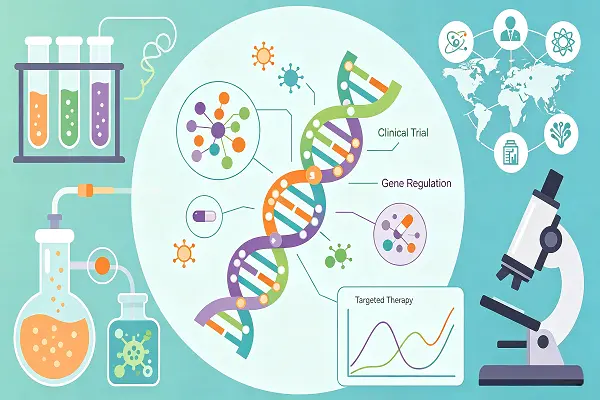
During the clinical trial phase, the research team recruited eligible rare disease participants from multiple centers worldwide, setting a long-term follow-up period to continuously track key indicators such as organ function, activity level, and self-care ability. Complete data showed that participants receiving standard treatment with the new drug experienced a significant slowdown in disease progression, a substantial reduction in the risk of damage to vital organs, stable maintenance of motor function and cognitive status in most participants, and a manageable incidence of serious adverse events, with overall safety meeting clinical drug use standards. Complete clinical trial data was simultaneously submitted to drug regulatory authorities in various countries, and after rigorous scientific review and risk-benefit assessment, it successfully obtained market approval.
Industry clinical experts stated that the launch of this new drug is of landmark significance. Previously, there were no etiological treatment options for patients with this disease, often leaving doctors in a passive position in clinical practice, relying only on rehabilitation therapy and nutritional support to control complications. With the launch of this new drug, clinicians will have access to treatment tools that address the root cause of the disease, enabling intervention to begin early in the diagnosis process and minimizing irreversible physical damage. This will change the current situation where diagnosis of this rare disease often means waiting for it to worsen. Furthermore, the target screening, vector delivery, and multi-center clinical collaboration paradigm established in this research can provide a mature reference template for the development of new drugs for other hereditary rare diseases, shortening the development cycle of subsequent orphan drugs.
The challenges of new drug accessibility are becoming increasingly apparent, posing multiple tests to the supply chain
The successful approval and market launch of an innovative drug is merely the first step for patients with rare diseases to access treatment. The cost of payment, supply stability, and supporting resources for diagnosis and treatment all jointly determine whether the drug can truly benefit those in need. Rare disease drugs generally face the objective challenges of high R&D investment, a small target patient base, and difficulties in amortizing R&D costs. This directly results in orphan drug pricing remaining consistently high, becoming the biggest hurdle between patients and new drugs.
The initial pricing of this new rare disease drug, once announced, immediately sparked widespread discussion among patients, health insurance institutions, and charitable organizations worldwide. Based on a complete treatment course, the annual expenditure for patients is enormous, and most ordinary families cannot afford the full cost independently. Even in developed countries with comprehensive healthcare systems, full out-of-pocket medication costs still place a heavy financial burden on families. In developing countries and low-income regions, patient families have virtually no independent purchasing power, making it difficult for the benefits of new drug launches to reach grassroots patient groups. Balancing the reasonable demands of pharmaceutical companies to recoup their R&D investment and continue investing in subsequent drug development with the public's need for affordable medication has become a core contradiction that policymakers in various countries must weigh.
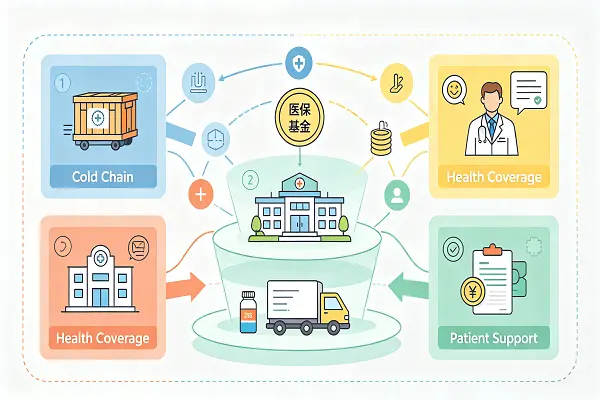
Negotiations for inclusion in health insurance programs are a core pathway to promoting accessibility for high-priced innovative drugs. However, significant differences exist in the affordability of health insurance funds across countries. For health insurance systems, the total number of patients with rare diseases is relatively small, and the annual expenditure on a single drug is high. Large-scale inclusion in the health insurance catalog would put pressure on the health insurance budget. Local health insurance departments need to conduct health technology assessments, calculate the comprehensive benefits of long-term drug use, assess the upper limit of the health insurance fund's affordability, negotiate lower drug prices, and explore innovative payment models such as payment based on efficacy and risk-sharing. Some countries have already initiated relevant negotiations, attempting to establish special funds for rare diseases, jointly sharing drug costs with commercial insurance and charitable assistance, and building a multi-tiered payment guarantee system.
Besides pricing and payment issues, insufficient drug supply chains and inadequate primary healthcare capabilities also hinder the implementation of new drugs. This new drug has strict requirements for warehousing, cold chain transportation, and administration, requiring stable temperature control throughout the process. Some remote areas lack supporting cold chain logistics systems, making drug delivery difficult. At the same time, most primary healthcare institutions lack specialists in rare diseases, resulting in many patients not receiving accurate diagnoses for extended periods, leading to missed diagnoses and misdiagnoses. Even with the availability of new drugs, patients may still miss the optimal window for intervention if they cannot receive a clear diagnosis early on. Some regions still suffer from inadequate rare disease screening systems and a scarcity of genetic testing resources, meaning a complete diagnosis and treatment chain has not yet been established.
To build a global collaborative and long-term mechanism and promote the improvement of the rare disease diagnosis and treatment ecosystem
The successful launch of a single new drug cannot completely solve the long-standing systemic problems in the global rare disease field. Of the more than 7,000 rare diseases, the vast majority remain without available treatments. To continuously produce more safe and effective orphan drugs that benefit hundreds of millions of rare disease patients, a complete ecosystem of cross-border collaboration, industry-academia-research-medical linkages, and comprehensive policy support is needed, with simultaneous efforts across multiple dimensions including research and development, treatment, insurance, and public education.
At the research and development collaboration level, global data sharing channels should be further opened up. Patients with rare diseases are scattered around the world, making it difficult for a single country to collect sufficient samples for clinical trials. Research institutions, pharmaceutical companies, and treatment centers in various countries should establish compliant data-sharing platforms to share pathogenic gene databases, clinical follow-up data, and drug development experimental data, while strictly protecting patient privacy. This will avoid duplicating resources for similar studies, shorten the research and development cycle, and reduce research and development costs. International organizations can lead the establishment of rare disease research and development alliances, set up special research funds to support early basic research on niche rare diseases, encourage small and medium-sized biotechnology companies to invest in orphan drug pipelines, improve industry support policies, and provide supporting measures such as tax breaks, R&D subsidies, and fast-track approval channels for market entry to reduce the R&D risks for companies.
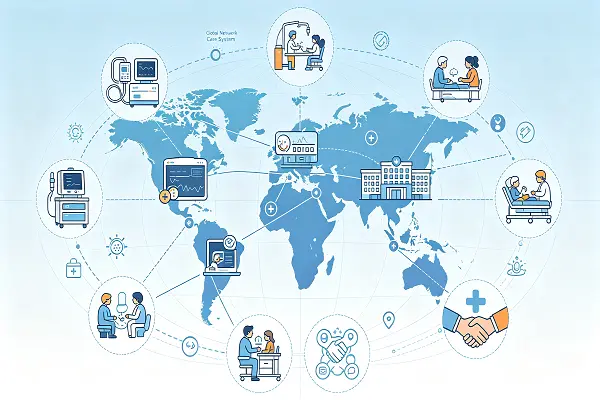
At the level of clinical diagnosis and treatment system construction, it is necessary to improve the entire chain of services for rare disease screening, diagnosis, treatment, and rehabilitation. The newborn screening system should be expanded to include more hereditary rare diseases in the early screening list to achieve early detection and early intervention; national and regional rare disease diagnosis and treatment centers should be established, and a tiered referral mechanism should be established to achieve a model of initial screening at the grassroots level, diagnosis at regional centers, and long-term follow-up management by specialized institutions. At the same time, continuing education for medical personnel should be strengthened, and rare disease identification training should be conducted for general practitioners and pediatricians to improve the ability of grassroots medical workers to identify rare diseases and reduce misdiagnosis and delayed treatment. Comprehensive rehabilitation guidance and psychological intervention services are essential. Rare disease patients not only suffer from physical pain but are also prone to psychological problems such as anxiety and low self-esteem. Their families also endure immense psychological stress. A complete treatment service should include psychological support and family care guidance.
Policy guarantees and increased social awareness are equally indispensable components. Countries are continuously optimizing laws and regulations related to rare diseases, clarifying incentive policies for orphan drug development, intellectual property protection rules, and medical insurance access mechanisms. They are exploring cross-border drug mutual recognition mechanisms to accelerate the approval and marketing process of innovative drugs in different countries and reduce the time costs caused by repeated reviews. Public education on rare diseases should be conducted to eliminate misunderstandings and discrimination against rare disease patients, create an inclusive and friendly social environment, and promote the protection of the legitimate rights and interests of rare disease patients in education, employment, and public services. Various social organizations and volunteer teams can continuously carry out science popularization lectures and patient mutual aid exchange activities, build bridges for doctor-patient communication, collect patients' real needs, and provide reference opinions from the patient community for policy formulation and drug development.
Conclusion
The approval of this novel rare disease drug represents a significant breakthrough in humanity's fight against rare diseases. It fills a clinical treatment gap for this specific disease, bringing new hope to tens of thousands of patients suffering from illness, and setting a collaborative example for the global orphan drug development industry. While we are delighted by the significant progress in biotechnology, we must not ignore the pressing challenges: the financial burden of drug pricing, the uneven distribution of medical resources across regions, and the lack of a comprehensive rare disease diagnosis and treatment system all require concerted efforts to resolve.
Disclaimer: The information published on this website is sourced from the internet and does not represent the views of this website, nor does it guarantee the accuracy of its content. Please be aware of the distinction. Furthermore, the products provided by our company are for scientific research purposes only. We are not responsible for any consequences arising from improper use. If you are interested in our products, have any criticisms or suggestions regarding our articles, or are not completely satisfied with the products you received, please contact us by email: allen@faithfulbio.com Or WhatsApp: +86 13137770562; our team is dedicated to ensuring complete customer satisfaction.