

Berberine Chloride Powder: How can traditional Chinese medicine alkaloids become core raw materials in the fields of metabolism and infection?
Berberine Chloride Powder, commonly known as berberine hydrochloride, is an isoquinoline quaternary ammonium alkaloid hydrochloride extracted and isolated from traditional Chinese medicinal herbs such as Coptis chinensis, Phellodendron chinense, and gentiana macrophylla. It is one of the most widely used and extensively studied natural plant-derived medicinal raw materials. As a classic ingredient in the traditional Chinese medicine system that has been passed down for thousands of years, Berberine Chloride hydrochloride was initially used only for the treatment of intestinal infections such as bacterial gastroenteritis and dysentery. Due to its safety, effectiveness, and low cost, it has become a common medicine in primary healthcare and households. With the development of modern pharmacology and molecular biology, its multiple pharmacological effects, such as broad-spectrum antibacterial, potent anti-inflammatory, antioxidant, regulation of intestinal flora, activation of the AMPK pathway, improvement of glucose and lipid metabolism, and protection of cardiovascular and neurological functions, have been systematically revealed. Its application scope has rapidly expanded from single anti-infective to many major chronic disease areas such as type 2 diabetes, hyperlipidemia, non-alcoholic fatty liver disease, obesity, cardiovascular disease, adjuvant cancer treatment, neurodegenerative diseases, and immune inflammatory disorders.
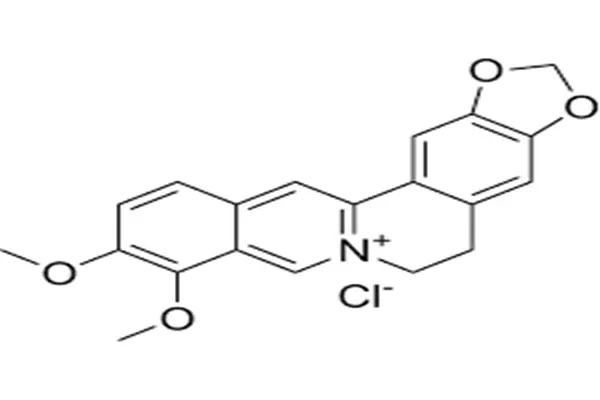
The merits and demerits of the planar quaternary ammonium skeleton
Berberine Chloride hydrochloride is chemically a quaternary ammonium isoquinoline alkaloid in its hydrochloride salt form. Its full chemical name is 5,6-dihydro-9,10-dimethoxybenzo[g]-1,3-benzodioxanepenteno[5,6-a]quinazine-7-onium chloride, with a molecular weight of 371.81 g/mol. Structurally, the core skeleton of this molecule is a highly conjugated planar tetracyclic system composed of two fused isoquinoline rings, with a methoxy group at C9 and C10, and a methylenedioxy bridging ring at C2 and C3. The entire molecule carries a permanent positive charge, which is why it is classified as a "quaternary ammonium alkaloid," with chloride ions forming an ion pair with it as a counter ion.
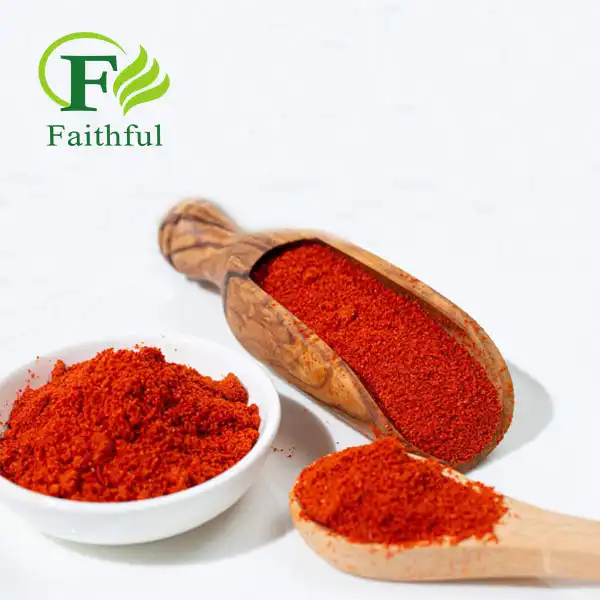
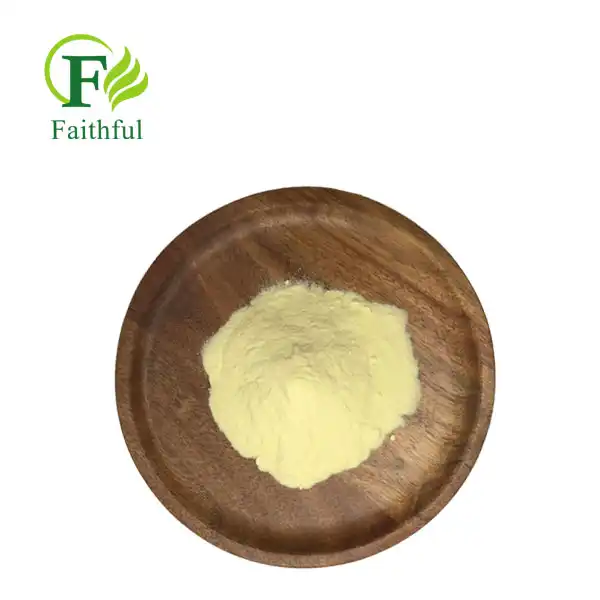
This structural characteristic of Berberine Chloride hydrochloride determines its unique physicochemical properties and biological behaviors. Its most obvious characteristic is its color—high-purity berberine hydrochloride is a bright yellow to orange-yellow crystalline powder that emits a strong yellow-green fluorescence under ultraviolet light. This fluorescent property historically led to its use as a textile dye, and today it is widely used in histochemical staining, such as for labeling heparin in mast cells. In terms of solubility, berberine hydrochloride is insoluble in cold water, slightly soluble in boiling water, has low solubility in ethanol and methanol, and good solubility in DMSO. Specifically, the hydrochloride form has a solubility of 1:500 in water, meaning that 500 ml of water is needed to dissolve 1 gram of the drug. This extremely low water solubility has been a long-standing challenge in the development of its oral formulations. However, its solubility in water increases with temperature, so heating is often used to aid dissolution when preparing solutions. Berberine hydrochloride has a melting point above 200°C and decomposes during this process, indicating that its crystal structure is very stable.
In pharmaceutical chemistry classification, Berberine Chloride hydrochloride is categorized as a Class III drug in the biopharmaceutics classification system, meaning it is highly soluble but has low permeability. This implies that while it dissolves in the gastrointestinal tract, its ability to penetrate intestinal epithelial cells and enter the bloodstream is very poor. Animal experiments and human studies consistently confirm that the absolute bioavailability of orally administered Berberine Chloride hydrochloride is typically less than 5%, resulting in extremely low blood concentrations. However, this "defect" has not hindered its pharmacological effects. Modern research reveals that the primary target of Berberine Chloride hydrochloride may not be in the blood or distant organs, but rather locally in the intestine—it indirectly produces systemic metabolic effects by regulating the intestinal flora structure, stimulating the release of glucagon-like peptide-1 from intestinal endocrine cells, and inhibiting the absorption of glucose and lipids in the intestine. This explains the seemingly contradictory phenomenon of "low blood concentration and high pharmacological activity."
From the perspective of raw material quality control, key indicators for Berberine Chloride hydrochloride powder include a purity of not less than 98%, typically determined by thin-layer chromatography or high-performance liquid chromatography; an appearance of yellow to orange-yellow powder; a loss on drying of less than 5%; and a residue on ignition of less than 0.2%. Due to its photosensitive nature, it should be stored in a light-proof, sealed container and can be stably stored for more than two years at 4°C. The natural sources of berberine hydrochloride are the rhizomes of various plants, primarily including the dried rhizomes of Coptis chinensis, Coptis triangularis, and Coptis chinensis (all belonging to the Ranunculaceae family), as well as some plants from the Berberidaceae, Menispermaceae, and Rutaceae families. In traditional Chinese medicine, optis chinensis, Phellodendron chinense, and Smilax china are the main sources of berberine. Currently, industrial production of berberine hydrochloride mainly employs extraction and separation processes from these plants, obtaining high-purity raw materials through acid extraction, salting out, and recrystallization.
AMPK's "natural activator" and multi-target regulatory network
The pharmacological mechanism of Berberine Chloride hydrochloride is extremely broad and complex, making it difficult to explain all its biological effects using a single target. Current research consensus classifies it as a multi-target "hybrid" drug, producing synergistic therapeutic effects by acting on multiple signaling pathways and molecular targets. This multi-target characteristic precisely reflects the "multi-pharmacological" concept championed in modern drug discovery.
In the field of metabolic regulation, the core mechanism of action of Berberine Chloride hydrochloride is the activation of adenosine monophosphate-activated protein kinase (AMPK). AMPK is an intracellular "energy sensor." When the cellular energy state changes, AMPK is activated, thereby shutting down ATP-consuming anabolic pathways and simultaneously opening ATP-producing catabolic pathways. Berberine Chloride hydrochloride can directly activate AMPK without altering the cellular energy state, a characteristic similar to the classic hypoglycemic drug metformin. After AMPK activation, it increases glucose uptake and utilization by skeletal muscle and adipose tissue, while inhibiting hepatic gluconeogenesis, thereby lowering fasting blood glucose. Simultaneously, AMPK phosphorylates and inactivates hydroxymethylglutaryl-CoA reductase—the rate-limiting enzyme in cholesterol synthesis—thereby exerting a cholesterol-lowering effect. Research data from Memorial Sloan Kettering Cancer Center indicates that berberine hydrochloride exerts its anti-atherosclerotic effect by increasing the expression of hepatic low-density lipoprotein receptor, reducing PCSK9 levels, and improving endothelial function.
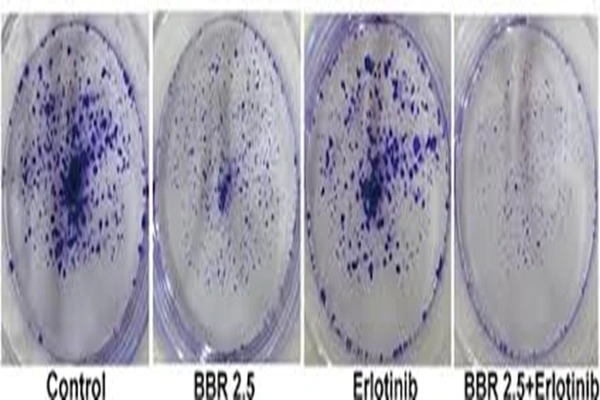
Berberine Chloride hydrochloride also has a wide range of effects in anti-inflammatory and immunomodulatory aspects. It can inhibit the nuclear translocation of the transcription factor NF-κB and reduce the production of pro-inflammatory cytokines, including tumor necrosis factor-α, interleukin-6, interleukin-12, and nitric oxide synthase. A 2025 study by He et al. published in BBA - Molecular Basis of Disease revealed that berberine hydrochloride selectively inhibits the polarization of M1 macrophages by inhibiting PI3K expression and Akt phosphorylation, without affecting M2 macrophage polarization. M1 macrophages exhibit a pro-inflammatory phenotype, playing a central role in tissue damage and inflammatory responses; M2 macrophages, on the other hand, exhibit a repair phenotype, participating in tissue remodeling and healing. This "selective regulation" gives them a unique therapeutic advantage in inflammatory diseases. In this study, a mouse model of postoperative intestinal obstruction showed that berberine hydrochloride administration significantly improved intestinal motility dysfunction, reduced leukocyte infiltration in the intestinal muscle layer, and decreased the expression of inflammatory mediators. Network pharmacology analysis and in vitro experiments further confirmed that the PI3K/Akt signaling pathway is the key pathway mediating this effect—the anti-inflammatory effect of berberine hydrochloride was significantly reversed when treated with the PI3K agonist 740 Y-P.
In the field of anti-tumor therapy, Berberine hydrochloride exhibits multi-mechanism anticancer activity. The NIH Oncology Information Database indicates that it can regulate the expression of various proteins and genes related to tumorigenesis and inflammation. Through these regulations, Berberine hydrochloride can induce cell cycle arrest and apoptosis, inhibiting tumor cell proliferation. Furthermore, clinical studies suggest it may reduce the risk of recurrence after colorectal adenoma resection, indicating potential for chemoprevention.
Analysis of target databases shows that berberine hydrochloride has been shown to interact directly or indirectly with multiple protein targets. Among these, the most extensively studied are acetylcholinesterase, butyrylcholinesterase, cytochrome P450 2D6 and 3A4, α-2B and α-2C adrenergic receptors, 5-HT2B serotonin receptor, and sigma opioid receptors. This broad target spectrum explains its diverse pharmacological activities but also suggests potential drug interaction risks. In particular, the inhibitory effect of berberine hydrochloride on the activity of three cytochrome P450 enzymes implies that it may affect the metabolic clearance of multiple concurrently administered drugs. Clinical studies have confirmed that co-administration of berberine hydrochloride with immunosuppressants such as cyclosporine and tacrolimus can lead to significantly increased blood concentrations of these drugs, increasing the risk of nephrotoxicity.
Furthermore, berberine hydrochloride can regulate the enteroendocrine axis, promote incretin secretion, and further enhance the hypoglycemic effect; inhibit hepatic lipogenesis and bile acid reabsorption, improving lipid metabolism; regulate immune cell function, enhancing the body's immune surveillance and anti-inflammatory capabilities; and protect target organs such as the kidneys and liver, improving complications such as diabetic nephropathy and fatty liver. This multi-pathway synergistic and multi-target regulatory mechanism of action gives it unparalleled advantages over single-target drugs in the intervention of complex chronic diseases, with high safety, wide applicability, and comprehensive efficacy, making it a model for the study of the mechanism of action of natural drugs.
Core medicinal uses and clinical applications of Berberine Chloride Powder
The pharmaceutical applications of Berberine Chloride powder can be divided into two core areas: traditional anti-infectives and modern metabolic regulation. It also shows broad potential for expansion in cardiovascular, neurological, oncological, and immune-inflammatory fields, forming a comprehensive application framework covering both acute infections and chronic diseases. In traditional clinical applications, its position as an intestinal anti-infective is irreplaceable. It has significant inhibitory effects on various Gram-positive and Gram-negative bacteria, including Shigella, Escherichia coli, Vibrio cholerae, Staphylococcus aureus, and hemolytic streptococci. It exhibits particularly strong antibacterial activity against Shigella, making it one of the first-line drugs for treating bacterial dysentery, acute gastroenteritis, and traveler's diarrhea. It has a long history of clinical application and proven efficacy. Compared to antibiotics, Berberine Chloride has advantages such as not disrupting the normal intestinal flora, being less likely to induce drug resistance, and having very few adverse reactions. After oral administration, only a small amount is absorbed into the bloodstream, with the majority remaining in the intestines to exert antibacterial and anti-inflammatory effects, quickly relieving symptoms such as abdominal pain, diarrhea, and mucus in stool. There is no risk of dysbiosis after discontinuation, making it particularly suitable for children, the elderly, and sensitive populations. It is also an important reserve drug for primary healthcare and public health emergencies.
With in-depth modern research, Berberine Chloride has become a star ingredient in the field of metabolic diseases. Its role in regulating glucose and lipid metabolism has been confirmed by numerous clinical studies, with efficacy comparable to first-line hypoglycemic drugs like metformin and lipid-lowering drugs like statins, but with superior safety. In the treatment of type 2 diabetes, it can significantly reduce fasting blood glucose, postprandial blood glucose, and glycated hemoglobin levels, and improve insulin resistance. It is especially suitable for obese diabetic patients and can be used alone or in combination with metformin and sulfonylureas to reduce the dosage and side effects of Western medicine. In the field of hyperlipidemia, Berberine Chloride can simultaneously lower serum total cholesterol, triglycerides, and LDL cholesterol while raising HDL cholesterol. Its mechanism differs from statins, posing no risk of liver or kidney damage. It is particularly effective for mixed hyperlipidemia, making it a top choice among natural lipid-lowering ingredients. Furthermore, it has clear intervention effects on non-alcoholic fatty liver disease, obesity, and metabolic syndrome, reducing liver lipid deposition, improving liver function, and decreasing weight and waist circumference. Through multi-target regulation, it achieves metabolic homeostasis, aligning with modern comprehensive chronic disease management concepts.
In the field of cardiovascular disease, Berberine Chloride exhibits multiple protective effects, including antiarrhythmic, anti-myocardial ischemia, antihypertensive, and anti-atherosclerotic effects. It can be used as an adjunct treatment for arrhythmias such as ventricular premature beats and atrial premature beats, improving myocardial blood supply, reducing myocardial ischemia-reperfusion injury, lowering blood pressure by dilating blood vessels and inhibiting vascular remodeling, slowing the progression of atherosclerosis, and protecting vascular endothelial function. In the field of digestive system diseases, besides intestinal infections, it can also be used as adjunctive therapy for chronic cholecystitis, ulcerative colitis, and Helicobacter pylori infection. Combined with trisulfite, it can improve symptoms and reduce inflammatory factor levels in chronic cholecystitis. Combined with mesalazine, it can enhance anti-inflammatory effects, promote mucosal repair, inhibit Helicobacter pylori growth, and reduce gastric mucosal inflammation in ulcerative colitis.
In the field of oncology, Berberine Chloride shows good potential for adjunctive therapy. It can inhibit the proliferation of various tumor cells, induce apoptosis, arrest the cell cycle, and inhibit invasion and metastasis. Simultaneously, it reverses multidrug resistance in tumors and enhances the sensitivity to radiotherapy and chemotherapy. In vitro and animal studies have provided evidence of its effectiveness against colorectal cancer, gastric cancer, liver cancer, and breast cancer. Furthermore, it exhibits low cytotoxicity to normal cells, making it suitable as a natural raw material for adjunctive cancer therapy and recurrence prevention. In terms of neuroprotection and cognitive improvement, it can cross the blood-brain barrier, inhibit neuroinflammation, reduce β-amyloid protein deposition, decrease tau protein phosphorylation, and protect neuronal and synaptic function. It has protective effects against Alzheimer's disease, Parkinson's disease, and cerebral ischemia-reperfusion injury, and can improve learning and memory abilities and delay cognitive decline. Furthermore, Berberine Chloride also possesses antioxidant, immunomodulatory, antifungal, and anti-amoebic effects, and its application scope continues to expand, making it a rare multi-target, broad-spectrum active ingredient among natural drugs.
In industrial applications, Berberine Chloride powder, due to its stable properties and high compatibility, can be formulated into various dosage forms, including oral tablets, capsules, granules, dispersible tablets, and enteric-coated tablets. It can also be used as a core ingredient in health foods and foods for special medical purposes to develop functional products for lowering blood sugar, lowering blood lipids, promoting gut health, and weight management. Meanwhile, high-purity Berberine Chloride is an important tool and reagent in pharmacology, molecular biology, and gut microbiota research. It is used in scientific research scenarios such as antibacterial experiments, AMPK pathway activation, cell metabolism regulation, and animal model construction. Its high degree of standardization, controllable quality, and stable effects have made it a widely used natural alkaloid raw material in global scientific research and industry.
Vitiligo, New Formulations, and Deepening Clinical Evidence
From 2025 to early 2026, research on Berberine Chloride is expected to focus on three major areas, each representing an innovative application of this ancient molecule in modern medicine.
The first area of focus is a breakthrough in the treatment of vitiligo. In August 2025, a study published in the International Journal of Pharmaceutics developed a berberine nanoemulsion gel formulation rich in clove oil and validated its efficacy in a benzophenone-induced C57BL/6 mouse model of vitiligo. Vitiligo is an autoimmune disease caused by the destruction of melanocytes, resulting in skin depigmentation, with a global prevalence of approximately 0.5% to 1%. Traditional treatments include corticosteroids, calcineurin inhibitors, phototherapy, and surgery, but each method has its limitations.
The potential of Berberine Chloride to protect melanocytes from oxidative stress damage and promote melanin production has long been recognized, but its extremely poor skin penetration efficiency—log P = -1.5, pKa = 2.47 and 15.7—severely limits the development of topical formulations. This study used nanoemulsion technology to control the droplet size of berberine to approximately 20 nanometers with a polydispersity index of 0.178, and then converted it into a nanoemulsion gel using 1% Carbopol Ultraz 10NF. In vitro transdermal experiments showed that the flux of the berberine nanoemulsion gel was 1.7 times that of ordinary berberine gel. In animal experiments, the mRNA levels of JAK1, JAK3, TNF-α, IL-6, and IFN-γ in the skin of vitiligo model mice were significantly increased. After treatment with berberine nanoemulsion gel, the expression of these inflammatory factors significantly decreased, and the protein expression of JAK1 was also significantly reduced. The researchers believe that berberine nanoemulsion gel promotes the recovery of melanocytes and skin repigmentation by synergistically inhibiting inflammatory mediators, and has the potential to be transformed into a clinically usable vitiligo treatment product.
The second hot topic is dosage form innovation and breakthroughs in transdermal delivery technology. The low oral bioavailability of Berberine Chloride is a core bottleneck in its clinical application, while the development of topical formulations attempts to circumvent this obstacle by directly targeting local skin lesions. The aforementioned nanoemulsion gel research represents a low-cost, easily scalable delivery strategy. Compared to nanovesicles, nanoemulsion gels face fewer challenges in laboratory and industrial scale-up, exhibiting better stability, reproducibility, and lower cost. Nanoemulsion gels integrate the transdermal advantages of nanoemulsions with the skin-feel advantages of gels, possessing ideal formulation characteristics such as easy application, non-greasy texture, smoothness, long-lasting effect, and transparency. Clove oil, as a natural plant oil rich in eugenol, has anti-inflammatory, antioxidant, and melanin-promoting effects, and its combined use with berberine produces a synergistic effect. This research opens new avenues for the application of Berberine Chloride in dermatological diseases.
The third hot topic is the advancement of high-quality clinical trials. The Iraqi randomized, double-blind trial, published in March 2026, is one of the few high-quality RCTs in the field of Berberine Chloride metabolism. The value of this study lies in its placebo-controlled and double-blind design, a sample size of 100 patients, a treatment period of 12 weeks, and the reasonable and objective design of the primary and secondary endpoints. Data analysis followed the intention-to-treat principle. These design features significantly enhance its level of evidence compared to most previous berberine studies. The research team comprised members from multiple Iraqi medical institutions, including the School of Pharmacy at Baghdad University and several teaching hospitals, and the study protocol was registered with the Iraqi Ministry of Health. The results clearly support berberine chloride as an adjunct to routine treatment of type 2 diabetes. However, the researchers acknowledged that larger-scale, longer-term studies are needed to confirm its long-term safety and cardiovascular benefits. Currently, clinical research on berberine chloride is expanding into other areas, including chemoprevention for non-alcoholic fatty liver disease, polycystic ovary syndrome, and colorectal adenomas.
Furthermore, a postoperative bowel obstruction study published in 2025 provides mechanistic support for the perioperative application of berberine chloride. Postoperative intestinal obstruction is a common complication after abdominal surgery, caused by inflammation of the intestinal muscle layer, and currently lacks effective prevention and treatment methods. This study found that Berberine Chloride reduces intestinal inflammation and restores intestinal motility by selectively inhibiting M1 macrophage polarization through the PI3K/Akt pathway. This mechanistic study provides a theoretical basis for repurposing Berberine Chloride for postoperative intestinal obstruction.
Conclusion
Berberine Chloride Powder, a natural alkaloid raw material with a history spanning millennia, has undergone a remarkable transformation from a traditional intestinal anti-infective drug to a core raw material for modern metabolism and chronic disease treatment, thanks to its unique quaternary ammonium conjugated structure, stable physicochemical properties, multiple pharmacological activities, and extremely high safety. It serves as a model connecting the wisdom of traditional Chinese medicine with modern pharmaceutical science. Its mechanism of action covers multiple dimensions, including antibacterial and anti-inflammatory effects, intestinal flora regulation, AMPK pathway activation, mitochondrial protection, and signaling pathway regulation. Its multi-target synergistic effect makes it applicable to a wide range of fields, including infections, diabetes, hyperlipidemia, fatty liver, cardiovascular diseases, and adjuvant cancer treatment, with its clinical application value continuously increasing. From a production process perspective, the plant extraction and chemical synthesis technologies are mature, quality standards are stringent, and the industrial scale is large. Green manufacturing and formulation innovation are constantly driving industrial upgrading to meet global market demands. Against the backdrop of a global high incidence of chronic diseases, antibiotic resistance, and increasing demand for natural medicines, berberine hydrochloride, with its clear efficacy, reliable safety, controllable quality, and affordable price, demonstrates enormous clinical value and industrial prospects. In the future, with the deepening of basic research, the accumulation of clinical evidence, and technological innovation, berberine hydrochloride will play a more important role in the global pharmaceutical and health field, providing strong support for the modernization and internationalization of traditional Chinese medicine, and also providing a natural and efficient solution for mankind to cope with major chronic disease challenges.
Xi'an Faithful Biotechnology Co., Ltd. combines advanced production technology with a comprehensive quality assurance system to provide high-quality Berberine Chloride Powder that meets international pharmaceutical standards. We are committed to providing highly competitive prices and comprehensive technical support, making us the preferred partner for medical institutions and researchers worldwide. Please contact our technical team (allen@faithfulbio.com) to learn how our products can improve your formulations.
Below is a list of key scientific literature I referenced and relied upon in writing this article. These publications provide reliable scientific evidence for the efficacy and mechanisms mentioned in this article.
- Imenshahidi, M., & Hosseinzadeh, H. (2021). Berberine: A review of its neuroprotective potential. Phytotherapy Research, 35(1), 108–122.
- Kong, W., Wei, J., Abidi, P., Lin, M., Inaba, S., Li, C., et al. (2004). Berberine is a novel cholesterol-lowering drug working through a unique mechanism distinct from statins. Nature Medicine, 10(12), 1344–1351.
- Yin, J., Gao, Z., Liu, D., & Ye, J. (2012). Berberine improves glucose metabolism through induction of glycolysis. American Journal of Physiology-Endocrinology and Metabolism, 302(1), E148–E156.
- Zhang, L., Zhang, Y., Li, X., & Zeng, Z. (2019). Gut microbiota-mediated mechanisms of berberine in the treatment of metabolic diseases. Pharmacological Research, 148, 104394.
- Pang, B., Li, Y., Zhang, Y., & Wang, Y. (2021). Antimicrobial activity and mechanism of berberine against drug-resistant bacteria: A review. Microbial Pathogenesis, 159, 105094.
- Liu, Z., Wang, X., & Zhang, H. (2023). Berberine for cardiovascular diseases: Pharmacological effects and molecular mechanisms. Pharmacological Research, 195, 106897.
- Bruschi, F., & Calderone, V. (2022). Berberine in non-alcoholic fatty liver disease: A systematic review and meta-analysis of randomized controlled trials. Phytomedicine, 99, 153895.
_1763453900884.webp)
_1756118003946.webp)