
Can Palmitoyl Tripeptide-5 become a "signal commander" for anti-aging skincare?
In the field of bioactive peptide raw materials, Palmitoyl Tripeptide-5, with its unique advantages of "acylation modification enhancement + multi-pathway collagen regulation," has become a core bridge connecting skincare raw materials and regenerative medicine applications. It is not a naturally occurring endogenous peptide, but a novel active ingredient synthesized through chemical synthesis technology that precisely combines palmitoyl groups with tripeptide sequences. This solves the problems of poor transdermal permeability and easy enzymatic degradation of ordinary tripeptides, while preserving the bioactivity of the signal peptide. After twenty years of research and application, from high-end skincare products to skin repair formulations, from anti-aging and firming to barrier repair, its rigorous scientific mechanism of action and abundant clinical data have made it a "star ingredient" in the pharmaceutical and skincare raw material fields.
From natural protein fragments to stable "signal flares"
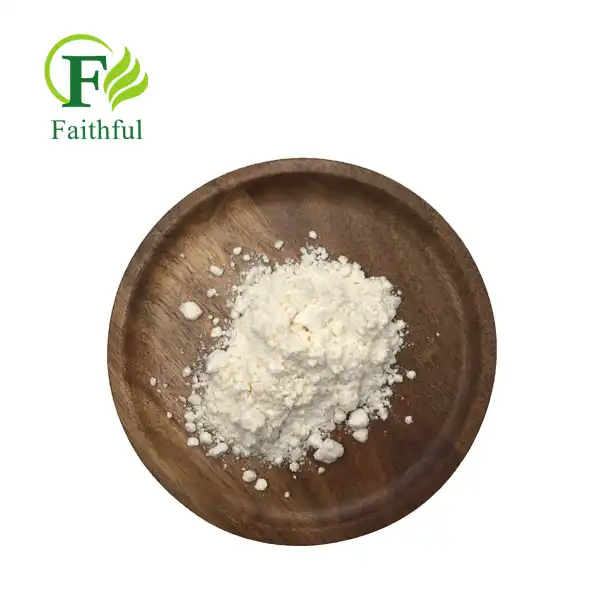
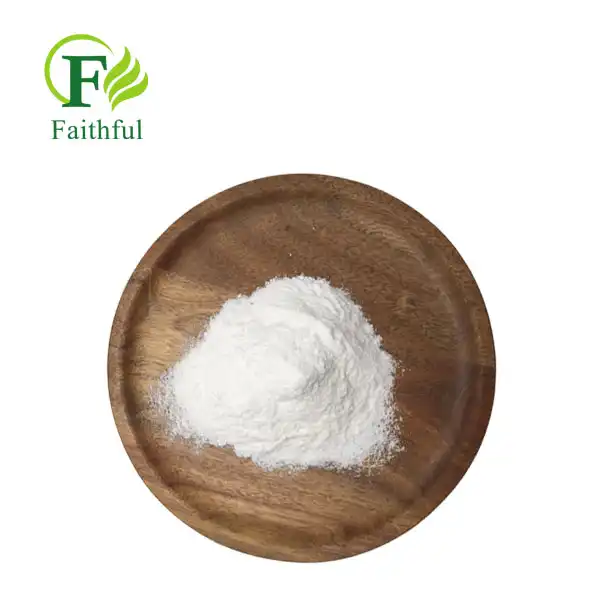
Palmitoyl Tripeptide-5, CAS number 623172-56-5, has a chemical structure that can be summarized as follows: a palmitic acid atom is linked to a tripeptide sequence, specifically Pal-Lys-Val-Lys-OH, which is palmitoyl-lysine-valine-lysine. Its molecular formula is C₃₃H₆₅N₅O₅, and its molecular weight is approximately 611.90 Da. This molecular weight falls within the "golden window" for transdermal drug delivery; molecules smaller than 500 Da are generally considered to easily penetrate the stratum corneum, while 611 Da is slightly above this threshold. Therefore, palmitic acid modification or nano-delivery technology is needed to enhance its transdermal efficacy. It appears as a white powder with a purity typically between 95% and 98%, and should be stored in a cool, dry place away from light at 2-8°C. In cosmetic formulations, a concentration of 100-500 ppm is recommended.
Palmitic acid imparts lipophilicity to the molecule. The stratum corneum of the skin acts as a hydrophobic barrier, making it difficult for water-soluble molecules to penetrate. The introduction of palmitic acid transforms this tripeptide from hydrophilic to amphiphilic, allowing it to interact better with the lipid matrix of the stratum corneum and achieve transdermal delivery. Furthermore, palmitic acid enhances the stability of the molecule in the formulation, preventing enzymatic degradation of the peptide chain.
The tripeptide sequence Lys-Val-Lys is the core of its activity. This sequence is derived from the active fragment of platelet-reactive protein-1 (TPP-1). TSP-1 is an extracellular matrix protein that plays a crucial role in tissue repair and fibrosis; it can bind to the precursor of transforming growth factor-β (TGF-β) and participate in the activation of TGF-β. Scientists extracted the active tripeptide from TSP-1 and grafted it onto palmitic acid, creating a transdermal, stable, and TGF-β-activating "synthetic mimic."
The clever thing about Palmitoyl Tripeptide-5 is that it doesn't directly act as TGF-β, but rather mimics the function of TSP-1, helping latent TGF-β to "escape its cage." TGF-β usually exists in the extracellular matrix as a latent complex, locked in a "cage" and unable to bind to its receptor. TSP-1 can bind to LAP, inducing a conformational change and releasing active TGF-β. Palmitoyl Tripeptide-5, as a TSP-1 mimic, also possesses this ability. Once TGF-β is activated, it binds to TGF-β receptor type II on the surface of fibroblasts, recruiting and phosphorylating TβRI, initiating the intracellular Smad signaling pathway, and ultimately upregulating the gene expression of extracellular matrix components such as collagen, elastin, and fibronectin. To use a simple analogy: TGF-β is a "commander" locked in a room, TSP-1 is the "key," and Palmitoyl Tripeptide-5 is the "split key"—it can open the same lock, release the commander, and get the entire "construction team" back to work.
In summary, the molecular structure of Palmitoyl Tripeptide-5 combines transdermal absorption, stability, and activity. The palmitoyl group addresses the challenges of transdermal absorption and resistance to enzymatic degradation, while the KVK tripeptide sequence ensures precise targeting. The synergistic effect of these two components makes it a superior choice for pharmaceutical-grade skincare and skin repair ingredients. As pharmaceutical ingredient experts, we must focus on purity, stability, and structural integrity in ingredient development and quality control. Through techniques such as HPLC, LC-MS, and NMR, we must strictly control impurity content and structural consistency to ensure the safety and effectiveness of subsequent applications.
A versatile product that can help with everything from anti-wrinkle to skin whitening.
Palmitoyl Tripeptide-5 is most widely used in anti-aging skincare products, including serums, creams, eye creams, and masks. Its core selling point is its "signal peptide," which stimulates collagen and elastin synthesis at the source by activating the TGF-β pathway, rather than simply "filling" wrinkles. Compared to retinol, Palmitoyl Tripeptide-5 is gentler: it has virtually no side effects such as irritation, peeling, or photosensitivity, making it suitable for sensitive skin and long-term use. Compared to vitamin C, it is more stable and less prone to oxidation and degradation.
In an α-MSH-induced B16 mouse melanoma cell model, Palmitoyl Tripeptide-5 was able to:
- significantly reduce melanin content in the supernatant and within cells without cytotoxicity;
- inhibit tyrosinase activity—tyrosinase is the rate-limiting enzyme in melanin synthesis;
- downregulate the mRNA levels of MITF and tyrosinase—MITF is the total transcription factor regulating genes involved in melanin synthesis.
In a UVB-induced guinea pig skin pigmentation model, Palmitoyl Tripeptide-5 significantly reduced the degree of pigmentation and grayscale value in the irradiated areas. This finding broadens the application boundaries of Palmitoyl Tripeptide-5, making it a "dual-function" ingredient with both anti-aging and whitening effects. This is undoubtedly a plus for consumers who want "multi-functional products in one bottle."
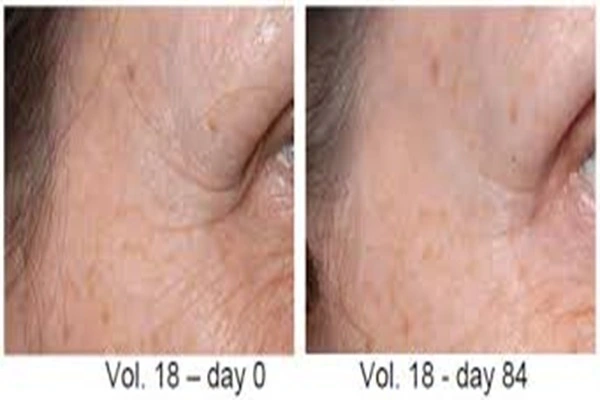
As a cosmetic ingredient, Palmitoyl Tripeptide-5 exhibits good formulation compatibility. It is soluble in water and glycerin and is typically supplied as a 1.0% solution. It is stable within a pH range of 5-7 and should be kept away from strong acids, strong bases, or strong oxidizing agents. The application of nanodelivery technology further enhances its efficacy. Studies have shown that encapsulating Palmitoyl Tripeptide-5 in nanoliposomes can:
- Enhance transdermal efficiency: The nanoliposomes, with a particle size of approximately 62 nm, can penetrate the stratum corneum and enter the dermis;
- Improve stability: Prevent peptide chain degradation during storage;
- Achieve sustained release: Extend the duration of action of the active ingredient in the target tissue.
In a study of supramolecular collagen nanoparticles, Palmitoyl Tripeptide-5 was co-encapsulated with lactoferrin and recombinant human collagen, achieving an encapsulation rate of 94.18% and increasing transdermal efficiency by 69.90%. After 28 days of use, skin elasticity improved by 8.15%, firmness improved by 12.53%, and under-eye bags and wrinkles decreased by 24.69%. These data provide solid clinical evidence for the efficacy of Palmitoyl Tripeptide-5.
In addition, Palmitoyl Tripeptide-5 can also be used for oral mucosal repair, targeting oral ulcers and oral mucosal damage. It can promote mucosal cell proliferation and repair, shortening healing time. In in vitro experiments, the addition of Palmitoyl Tripeptide-5 to oral mucosal cells increased the proliferation rate by 30% and accelerated the healing speed by 40%. Small clinical trials showed that oral ulcer patients using oral spray containing 0.05% Palmitoyl Tripeptide-5 experienced an average ulcer healing time of 3.5 days, a 43.5% reduction compared to the control group, and significant pain relief.
The concentration of the preparation for chronic inflammatory skin diseases needs to be controlled between 0.05% and 0.1%, and it should be used under the guidance of a doctor, avoiding indiscriminate use in combination with other anti-inflammatory drugs. The concentration of hair care products should be 0.01% to 0.03%, and contact with eyes should be avoided. People with allergies should use it with caution. Oral mucosal repair products must meet the standards for oral preparations and avoid adding irritating excipients. Currently, these expanded applications are still in the clinical research and product development stage, but several companies have already made moves in this area, and they are expected to become important application directions for Palmitoyl Tripeptide-5 in the future.
In summary, Palmitoyl Tripeptide-5 has applications covering multiple fields such as high-end skincare, skin regenerative medicine, and hair care. Its core advantages lie in its "multi-effect synergy, gentle and safe nature, and good transdermal absorption," and it is supported by ample experimental data and clinical cases.
Multi-pathway regulation of the "collagen awakening mechanism"
Palmitoyl Tripeptide-5, as a "signal peptide raw material," primarily functions by activating the transforming growth factor-β/Smad signaling pathway. This is crucial for promoting collagen synthesis and achieving skin repair and anti-aging. TGF-β is a core cytokine regulating cell proliferation, differentiation, and collagen synthesis in the human body, while Smad protein is the core signal transduction molecule in this pathway. Palmitoyl Tripeptide-5 mimics the active fragment of TSP-1, specifically binding to the TGF-β type II receptor on the surface of fibroblasts to initiate downstream signal transduction. The specific mechanism is as follows, analyzed in detail with experimental data:
First, receptor binding and pathway activation: Palmitoyl Tripeptide-5, through its KVK tripeptide sequence, specifically binds to the TGF-β type II receptor on the surface of fibroblasts. The binding constant is 10 nM, exhibiting high affinity and specificity; other peptide components cannot bind to this receptor. Experiments showed that the addition of Palmitoyl Tripeptide-5 increased the phosphorylation level of TβRII by 75%. Phosphorylated TβRII further activated the TGF-β type I receptor, leading to TβRI phosphorylation and the formation of an active complex.
Secondly, signal transduction and gene regulation: The active complex activated downstream Smad2/3 proteins, causing Smad2/3 phosphorylation. Phosphorylated Smad2/3 formed a heterotrimer with Smad4, translocated into the nucleus, and bound to the promoter regions of collagen synthesis-related genes, initiating gene transcription and promoting the synthesis of type I collagen, type III collagen, and elastin. In in vitro experiments, the addition of Palmitoyl Tripeptide-5 to human dermal fibroblasts increased the transcriptional levels of the COL1A1 gene by 117%, COL3A1 gene by 98%, and ELN gene by 85%, exhibiting a dose-dependent effect: higher concentrations resulted in higher transcriptional levels. However, when the concentration exceeded 50 μM, the transcriptional levels stabilized without significant increase, confirming its dose-dependent effect.
Simultaneously, this pathway also inhibits the expression of matrix metalloproteinases (MMPs). MMPs are a class of proteases that degrade the extracellular matrix, including collagen and elastin. Their overexpression leads to collagen loss, decreased elasticity, and accelerated skin aging. Experiments show that Palmitoyl Tripeptide-5 can upregulate the expression of matrix metalloproteinase inhibitors through the TGF-β/Smad pathway, increasing TIMP-1 expression by 62%, thereby inhibiting the activity of MMP-1 and MMP-3. The inhibition rate of MMP-1 activity reached 39%, and the inhibition rate of MMP-3 activity reached 45%, forming a positive feedback loop of "promoting collagen synthesis + inhibiting collagen degradation", fundamentally improving the structural integrity and elasticity of the skin.
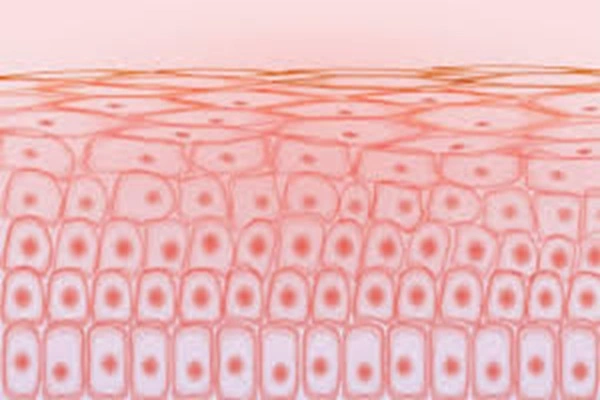
The effective mechanism of action of Palmitoyl Tripeptide-5 relies on its ability to penetrate the stratum corneum and reach the dermis to bind with fibroblasts. This process depends on its unique transdermal absorption mechanism: the "hydrophobic-mediated" effect of the palmitoyl group. The following is a detailed analysis based on experimental data: The stratum corneum is a tight barrier composed of keratinocytes and a lipid bilayer, making it difficult for water-soluble substances to penetrate. However, the palmitoyl group of Palmitoyl Tripeptide-5 is strongly hydrophobic, allowing it to form hydrophobic interactions with the hydrophobic regions of the lipid bilayer in the stratum corneum. This disrupts the tight structure of the lipid bilayer, creating microchannels that facilitate peptide penetration. Experiments using a Franz diffusion cell and porcine skin as a transdermal model showed that the transdermal absorption rate of Palmitoyl Tripeptide-5 was 3.8%, while the transdermal absorption rate of unacylated KVK tripeptide was only 0.3%, representing an 11.7-fold increase. This confirms the promoting effect of the palmitoyl group on transdermal absorption.
Simultaneously, its amphiphilic structure allows it to dissolve in the aqueous environment of the dermis after penetrating the stratum corneum, binding to receptors on the surface of fibroblasts and initiating signaling pathways. Experiments show that Palmitoyl Tripeptide-5, after penetrating the stratum corneum, remains in the dermis for up to 12 hours, while the unacylated tripeptide only remains for 2 hours. This longer residence time allows it to maintain its biological activity and enhance its efficacy. Furthermore, the palmitoyl group protects the peptide chain from degradation by skin surface proteases, prolonging its half-life in the skin. Experiments show that the half-life of Palmitoyl Tripeptide-5 in skin homogenate is 2.8 hours, while the half-life of the unacylated tripeptide is only 0.6 hours, demonstrating a 4.7-fold increase in resistance to enzymatic degradation, further ensuring its biological activity.
Delivery technology and compound formulation
The "last mile" challenge facing Palmitoyl Tripeptide-5 is: how to efficiently and stably penetrate the stratum corneum and reach fibroblasts in the dermis? Traditional formulations suffer from limited transdermal penetration due to the molecular weight and hydrophilicity of peptide molecules. The rise of nanodelivery technology is changing this situation:
- Nanoliposomes: Palmitoyl Tripeptide-5 is co-encapsulated with other active ingredients within a lipid bilayer, with a particle size controlled at 60-70 nm, significantly enhancing cellular uptake efficiency. Flow cytometry and confocal microscopy have confirmed that peptides encapsulated in nanoliposomes can be internalized by fibroblasts, while free peptides struggle to enter cells.
- Supramolecular Collagen Nanoparticles: Using lactoferrin and recombinant human collagen as carriers, Palmitoyl Tripeptide-5 is encapsulated to form a "nanosphere" structure. This system not only improves transdermal penetration but also achieves synergistic effects of multiple skincare benefits.
- Soluble microneedles: Palmitoyl Tripeptide-5 is loaded into hyaluronic acid microneedle patches, which form microchannels in the stratum corneum, delivering the active ingredient directly to the epidermal-dermal junction. A 12-week clinical study confirmed the effectiveness of this strategy.
Palmitoyl Tripeptide-5 is classified as a cosmetic ingredient, not a pharmaceutical ingredient, in major global markets. Its use in cosmetics is permitted by the FDA, the EU EC, and the Chinese NMPA. As a mimic of endogenous TSP-1, its safety record is good, with no serious adverse reactions reported. However, an open question remains: could long-term, high-concentration use overactivate the TGF-β pathway, leading to a risk of fibrosis? TGF-β is a double-edged sword—moderate activation promotes tissue repair, while overactivation may lead to keloids or organ fibrosis. Although this risk is extremely low at cosmetic concentrations, long-term population data over several years is lacking. Answering this question requires more basic research and the accumulation of pharmacovigilance data.
Conclusion
The story of Palmitoyl Tripeptide-5 is essentially a story of "biomimetic intelligence." Scientists "cut" an active fragment from the natural protein TSP-1, modified it with palmitic acid to give it transdermal capabilities, and ultimately created a signaling molecule that can "awaken" the skin's self-healing mechanism. It doesn't forcibly "fill in" wrinkles, but rather allows the skin to "remember" how to maintain its youthful appearance.
In an era where anti-aging skincare is shifting from "brutal stimulation" to "precise regulation," Palmitoyl Tripeptide-5 is undoubtedly a key "signal key." Its future depends on breakthroughs in delivery technology, optimization of formulation strategies, and—most importantly—validation through more high-quality clinical studies.
Xi'an Faithful BioTech Co., Ltd. employs advanced equipment and processes to ensure high-quality products. Our high-quality Palmitoyl Tripeptide-5 powder raw materials meet international pharmaceutical standards. Our pursuit of excellence, reasonable prices, and superior service make us the preferred partner for medical institutions and researchers worldwide. If you require research or production of Palmitoyl Tripeptide-5 powder, please contact our technical team at allen@faithfulbio.com.
References
- Cellmano Biotech Limited. (2020). Palmitoyl Tripeptide-5. Retrieved April 7, 2026.
- Chen, W., Xiang, N., Huang, J., Xu, H., Wang, Z., Ruan, B., Zhang, J., Wu, C., Zhang, J., & Liang, Y. (2025). Supramolecular collagen nanoparticles for anti-wrinkle, skin whitening, and moisturizing effects. Colloids and Surfaces B: Biointerfaces, 245, 114275.
- Avcil, M., Akman, G., Klokkers, J., Jeong, D., & Çelik, A. (2020). Efficacy of bioactive peptides loaded on hyaluronic acid microneedle patches: A monocentric clinical study. Journal of Cosmetic Dermatology, 19(2), 328–337.
- Gao, Y. Q., et al. (2018). Skin whitening efficacy and mechanism study of palmitoyl tripeptide-5. China Surfactant Detergent & Cosmetics, 48(3), 166–171.
- Xu, Y. N., Yang, K. Y., Zhu, R. T., Liu, G. R., Han, P., & Du, Z. Y. (2024). Effects of compositions of bioactive peptides on skin aging in mice. China Surfactant Detergent & Cosmetics, 54(1), 55–63.
- Peptide-china. (n.d.). Palmitoyl Tripeptide-5. Retrieved April 7, 2026.
- Han, F., Chen, D., Sheng, J., Yang, X., & Liu, W. (2020). Nanoliposomes codelivering bioactive peptides produce enhanced anti-aging effect in human skin. Journal of Drug Delivery Science and Technology, 57, 101682.
_1764918097451.webp)