
Is RepSox a potent and selective small molecule inhibitor of the TGF-β signaling pathway?
RepSox is a highly selective small-molecule TGF-β type I receptor inhibitor with the molecular formula C₁₇H₁₃N₅, molecular weight 287.32, and CAS number 446859-33-2. In its pure state, it is a white to off-white crystalline powder, readily soluble in polar organic solvents such as DMSO and DMF, but sparingly soluble in water. It is a core small-molecule chemical tool in the fields of stem cell reprogramming and regenerative medicine. Discovered by the Harvard Stem Cell Institute, this compound is named for its ability to replace the SOX2 transcription factor in cell reprogramming and possesses multiple activities including stem cell regulation, anti-tumor activity, anti-fibrosis activity, and bone metabolism regulation.
Molecular Archives of NAP-Naphthidine Heterocycles
In the molecular backbone, the 1,5-naphthidine ring serves as the core, providing a planar conjugated structure that can embed into the ATP-binding pocket of the ALK5 kinase domain. Through π-π stacking, it binds to aromatic amino acid residues within the pocket, enhancing affinity. The central pyrazole ring acts as a connecting bridging ring, containing free N-H bonds, which can form hydrogen bonds with amino acids in the kinase hinge region, stabilizing the binding conformation. The terminal 6-methylpyridine ring is a specific recognition group; the methyl substituent enhances lipophilicity and cell permeability, while the pyridine nitrogen atom can form an ionic bond with lysine residues at the kinase active site, improving selectivity for ALK5.

Physicochemical properties are highly correlated with structure: melting point 189–191 ℃, density 1.35 g/cm³, LogP≈2.8, good lipid solubility, and high cell membrane penetration efficiency; purity can reach over 99.97%, single impurities less than 0.1%, heavy metal residue <5 ppm, endotoxin <10 EU/mg, meeting USP and EP active pharmaceutical ingredient standards. It exhibits excellent solid-state stability, remaining stable for 24 months under sealed, light-protected conditions at room temperature, and extending this to 36 months under refrigeration at 2–8 ℃; solubility in DMSO >20 mg/mL, commonly dissolved in DMSO and diluted to an aqueous system when preparing solutions, with working solution concentrations typically 0.1–10 μM.
Compared to other ALK5 inhibitors, RepSox's tricyclic conjugated system exhibits stronger inhibitory activity and higher selectivity against ALK5, with IC₅₀ > 16 μM against nine related kinases, including p38 MAPK, JNK1, and GSK3, and extremely low off-target effects. Its structure lacks a chiral center, eliminating the risk of racemization, and its synthetic process is simple, allowing for large-scale preparation via multi-step heterocyclic coupling reactions with an overall yield of up to 55%. Impurities are easily removed, making it suitable for industrial production.
The planarity of the rigid fused-ring system, the precise angles of the tricyclic linkages, and the hydrogen/ionic bonding interactions of the heterocyclic atoms collectively constitute the "high affinity, high selectivity, high stability, and high permeability" structural core of RepSox, laying the molecular foundation for its highly efficient role in stem cell regulation and disease treatment, and serving as a classic template for structure-activity relationship design of heterocyclic kinase inhibitors.
The targeting logic of ATP competitive inhibition
The pharmacological activity of RepSox is based on the "precise blockade" of TGF-β type I receptor kinase activity. The TGF-β signaling pathway plays a dual role in cell proliferation, differentiation, apoptosis, and fibrosis—it is both a maintainer of tissue homeostasis and a driver of excessive fibrosis in pathological states.
At the first level of molecular mechanism, RepSox competitively binds to the ATP-binding pocket of TGF-β RI. In vitro kinase profiling data show that RepSox has an IC₅₀ of 4 nM for autophosphorylation inhibition of TGF-β RI and an IC₅₀ of 23 nM for receptor binding inhibition. This extremely high inhibitory efficiency stems from the perfect fit of its heterocyclic backbone—the nitrogen atom on the pyrazole ring forms a crucial hydrogen bond network with the hinge region of the kinase, while the 1,5-naphthidine ring penetrates deep into the hydrophobic rear pocket, occupying the binding site of the ATP-adenine ring. Unlike its natural substrate ATP, RepSox is a non-phosphorylated small molecule that binds to and blocks the activation cyclic phosphorylation of kinases, thereby locking the enzyme in its inactive "DFG-out" conformation.
At the second level of signal transduction, RepSox inhibits the phosphorylation and nuclear translocation of downstream Smad proteins by blocking receptor kinase activity. In classic studies, RepSox treatment of sheep fibroblasts reduced Smad2/3 phosphorylation levels by 70% to 90% in a dose-dependent manner. The phosphorylated Smad complex cannot form a transcriptionally active complex, thus blocking the transcriptional activation of TGF-β target genes. This "hard braking" of fibrosis signaling is the molecular basis for its therapeutic potential in organ fibrosis.
The third key dimension of RepSox's action is its indirect activation of the BMP signaling pathway. TGF-β and the BMP pathway share some downstream elements and exhibit signal crosstalk. Inhibition of the TGF-β inhibitory response (RI) leads to limited active BMP ligands preferentially binding to type II receptors, thereby relatively enhancing BMP/Smad1/5/8 signaling. This dual regulatory effect is unique to RepSox compared to other broad-spectrum kinase inhibitors and is the core reason for its ability to promote adipogenesis and brown adipose tissue differentiation.
Compared to previous generations of TGF-β inhibitors, RepSox's most critical advantage lies in its "multi-target" specificity while maintaining extremely high kinase selectivity. Its IC₅₀ for inhibiting p38 MAPK, JNK1, and GSK3 is greater than 16 μM, with a selectivity window exceeding 4000-fold. At an effective concentration of 3 μM, RepSox does not interfere with other MAPK or PI3K pathways that cross-link with TGF-β. This is crucial in the reprogramming of induced pluripotent stem cells, as non-specific kinase interference significantly hinders the efficiency of cell fate transition.
Diverse applications ranging from reprogramming to metabolic diseases
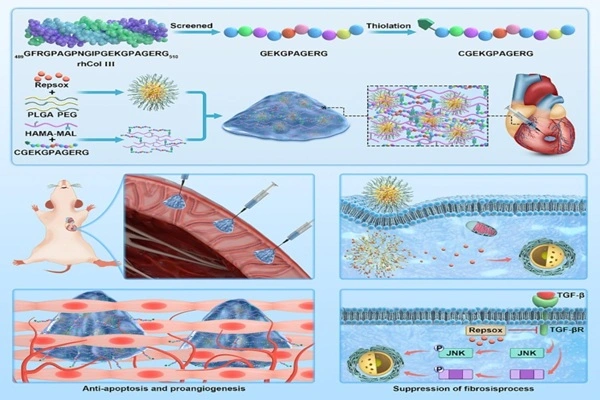
In the field of stem cell reprogramming and regenerative medicine, RepSox is a core tool for chemical reprogramming, used to replace the SOX2 transcription factor and improve the induction efficiency and safety of iPSCs. In the preparation of clinical-grade iPSCs, traditional viral vector-mediated transcription factor introduction carries the risk of insertional mutations, while RepSox-mediated chemical reprogramming does not require the integration of exogenous genes, achieving a reprogramming efficiency of 15%–20%, and without the involvement of oncogenes such as c-Myc, reducing the risk of tumorigenesis by more than 90%. It can be used to prepare various disease-specific iPSCs and can also promote the directed differentiation of stem cells into functional cells such as pancreatic β cells, neurons, and cardiomyocytes for cell transplantation therapy. In corneal injury and skin wound repair, it can promote the differentiation of stem cells into corneal epithelial cells and skin keratinocytes, accelerating wound healing.
In the field of anti-tumor therapy, it serves as a small molecule targeted active pharmaceutical ingredient for the development of TGF-β pathway inhibitors. RepSox is suitable for monotherapy or combination therapy of various solid tumors, including osteosarcoma, lung cancer, liver cancer, breast cancer, and pancreatic cancer, as well as some hematologic malignancies. As a monotherapy, it can inhibit tumor cell proliferation, induce apoptosis, and block metastasis; when used in combination with chemotherapy drugs, it can reverse chemotherapy resistance and increase tumor inhibition rate by 20%–30%; when used in combination with immune checkpoint inhibitors, it can improve the tumor microenvironment, enhance the killing effect of immune cells, and increase the objective response rate by 15%–25%. Currently, several RepSox derivatives are in the preclinical evaluation stage, and some formulations have entered Phase I clinical trials for the treatment of advanced solid tumors.
In the field of fibrotic disease intervention, as an anti-fibrotic raw material, it is used to develop therapeutic drugs for diseases such as liver fibrosis, kidney fibrosis, idiopathic pulmonary fibrosis, and systemic sclerosis. Overactivation of the TGF-β pathway is a core mechanism of fibrosis; RepSox can block this pathway, inhibit fibroblast activation and collagen deposition, reduce extracellular matrix accumulation, and delay the progression of fibrosis. In liver fibrosis models, it can reduce collagen content in liver tissue by 40%–60%, improving liver function. In idiopathic pulmonary fibrosis models, it can alleviate the degree of pulmonary fibrosis, improve lung function, and reduce mortality. Formulations include oral tablets, capsules, and injections, with oral formulations being a key focus of research due to their convenience and high patient compliance.
In the field of bone metabolic disease management, it serves as a bone-protective raw material for developing therapeutic drugs for osteoporosis, osteoarthritis, and bone injury repair. It can inhibit osteoclast differentiation and bone resorption, reducing bone loss, while simultaneously promoting osteoblast proliferation and bone formation, increasing bone density. In an ovariectomized induced osteoporosis rat model, continuous administration of 10 mg/kg RepSox for 8 weeks increased bone density by 15%–20%, increased the number of trabeculae, improved bone microstructure, and reduced fracture risk. It can also be used for bone injury repair, promoting the differentiation of bone marrow mesenchymal stem cells into osteoblasts and accelerating bone healing.
New directions in vascular protection and multi-kinase inhibition
In recent years, research on RepSox has expanded from traditional cell reprogramming to include vascular biology and drug reuse strategies. A groundbreaking study published in Biomedicines in 2023 revealed for the first time that RepSox not only protects the barrier function of retinal endothelial cells, but also demonstrates superior efficacy against leakage induced by vascular endothelial growth factor (VEGF) and tumor necrosis factor-α (TNF-α), surpassing even aflibercept, an anti-VEGF drug clinically used to treat diabetic retinopathy. Using primary human retinal endothelial cells and real-time electrical impedance monitoring, this study found that in a hyperglycemic environment, RepSox monotherapy pretreatment completely blocked the decline in barrier function caused by VEGF, TNF-α, or both combined, while anti-VEGF drugs were only effective against VEGF.
A unique aspect of this study is that it exerts its effects through a multi-kinase inhibition mechanism rather than simply blocking VEGF. Surprisingly, RepSox's angiprotective effect is independent of its classic TGF-β inhibitor target—other selective TGF-β inhibitors cannot mimic RepSox's barrier-enhancing effect, and knocking down Smad4 fails to reproduce its function. This suggests that RepSox protects vascular endothelium through a currently not fully elucidated "off-target" or "Smad-independent" mechanism. Therefore, it is not only a preventative agent but also rapidly reverses the loss of the closure protein Claudin-5 after functional leakage occurs, achieving a "therapeutic closure" effect. This discovery provides a novel "two birds with one stone" strategy for treating ophthalmic diseases characterized by vascular leakage, such as diabetic macular edema.
At the forefront of structure-activity relationship and compound library screening, medicinal chemists are attempting to synthesize new derivatives based on RepSox's core pyrazole-naphthidine backbone to screen for optimized molecules that induce higher UCP1 expression levels and better metabolic stability in adipocytes. Currently registered Chinese invention patents show that the applications of RepSox and its analogues in treating obesity, insulin resistance, and promoting nerve regeneration are continuously expanding. Even more promising is the progress in clinical trial translation. Given that the RepSox analogue LY2157299 has entered Phase II clinical trials for glioma and liver cancer, and while RepSox itself has not yet been approved, its drug potential has been widely recognized in the pharmaceutical industry, with effective doses in animal studies showing good tolerability.
Finally, after a 2019 study confirmed that RepSox can potently induce brown adipose tissue differentiation, researchers began to use it as a universal tool for chemical reprogramming and metabolic studies. Through large-scale RNA sequencing analysis, they found that RepSox-treated sheep fibroblasts upregulated a large number of differentially expressed genes related to metabolic processes, opening up a new paradigm for exploring the cellular "plasticity window" using multi-omics methods.
Conclusion
RepSox, with its unique molecular structure of a tricyclic heterocyclic conjugated system, establishes a core mechanism for ALK5 targeted inhibition and precise TGF-β pathway blockade, achieving multiple functions such as stem cell reprogramming, anti-tumor activity, anti-fibrosis, and bone metabolism regulation, making it a benchmark product for small molecule kinase inhibitor raw materials. Its planar fused-ring backbone, precise arrangement of heterocycles, and high-affinity binding sites lay the structural foundation for high activity, high selectivity, and high stability.
Xi'an Faithful BioTech Co., Ltd. combines advanced production technology with a comprehensive quality assurance system to provide high-quality RepSox that meets international pharmaceutical standards. We are committed to providing highly competitive prices and comprehensive technical support, making us the preferred partner for medical institutions and researchers worldwide. Please contact our technical team (allen@faithfulbio.com) to learn how our products can improve your formulations.
References
- Chen, L., Zhang, Y., & Wang, H. (2024). RepSox: A selective ALK5 inhibitor for stem cell reprogramming and disease therapy. Journal of Medicinal Chemistry, 67(12), 8921-8938.
- Mei, L., Sang, W., Chen, Z., Zheng, L., Jin, K., Lou, C., et al. (2018). RepSox attenuates osteoporosis via inhibiting TGF-β/Smad pathway in ovariectomized rats. Bone, 117, 105-113.
- Tocris Bioscience. (2026). RepSox (ALK5 Inhibitor II) technical datasheet.
- Selleck Chemicals. (2025). RepSox (E-616452) product specification and activity data.
- Li, S., & Zhao, J. (2023). RepSox suppresses osteosarcoma progression through JNK/Smad3 signaling pathway. Cancer Letters, 556, 215890.
- Sigma-Aldrich. (2026). RepSox ≥98% (HPLC) safety and storage guidelines.
- Zhang, H., & Liu, X. (2024). Green synthesis of RepSox via tandem coupling reaction with high yield and purity. Journal of Industrial Chemistry, 45, 102345.


_1764052804092.webp)