
Oxytocin: A remarkable transformation from "love hormone" to a multi-target therapeutic agent?
When we talk about love, trust, and the mother-child bond, the name of a molecule inevitably comes to mind—Oxytocin. Romantically dubbed the "love hormone" or "embracing chemical" by the mass media, it seems to be the molecular cornerstone of human emotions. The pharmacological history of oxytocin begins with childbirth; as a classic uterine contraction drug, it saves countless lives worldwide each year from postpartum hemorrhage. But scientists quickly discovered that this molecule's capabilities extend far beyond "inducing labor." It's like a multi-functional molecular key, unlocking the mysterious doors of the brain related to social, emotional, and cognitive processes. In recent years, with breakthroughs in structural biology, neuroscience, and drug delivery technology, oxytocin is undergoing a remarkable transformation: from a classic obstetric drug to a potential multi-target star molecule for treating depression, autism spectrum disorders, and even promoting neurogenesis after stroke.
The Relationship Between Molecular Structure and Activity: Unlocking the "Three-Dimensional Code" of Nonapeptides
Oxytocin is a classic model for structure-activity relationship (SOR) studies of peptide drugs. Scientists have synthesized numerous analogues, analyzing the "functional role" of each amino acid residue and chemical bond.
The irreplaceable nature of the disulfide bond: One of the most crucial findings concerns the disulfide bond connecting cysteine residues at positions 1 and 6. Previously, it was believed that the sole function of the disulfide bond was to stabilize the cyclic structure. However, a 2023 study overturned this understanding. Researchers discovered that when oxytocin is used as a positive allosteric modulator of μ-opioid receptors, this disulfide bond is not only structurally supportive but also functionally crucial. They synthesized linear analogues by replacing the disulfide bond with amide bonds or ethylene bridges, and found that these analogues completely lost their ability to enhance MOR signaling. This clearly demonstrates that the disulfide bond itself, or the precise cyclic conformation it determines, is the core structural basis for oxytocin to exert certain new functions. It acts like a "molecular switch," its integrity determining whether the molecule can exhibit its allosteric regulatory "hidden skills" on certain receptors.

The decisive role of the tail: The exocyclic tail is also a core active component. Oxytocin's tail begins with a proline residue, which, due to its unique cyclic side chain, often acts as a conformation disruptor or inflection point in the peptide chain. A 2005 study replaced the proline residue at position 7 with a cis-conformation mimic, finding that the mimic's agonistic activity decreased by approximately 10-fold. This study proposed an interesting hypothesis: when oxytocin activates its receptor, the molecule itself may undergo a conformational change from "trans" to "cis," and artificially locking it in the cis conformation, while maintaining binding force, prevents further conformational rearrangement required for activation. This suggests that the flexibility of the tail, particularly the rotational isomerism of the 7-8 peptide bond, is crucial for translating the binding event into a biological signal.
Furthermore, the glycine residue at position 9, although the smallest amino acid, is equally indispensable. The aforementioned studies on the positive allosteric regulation of MOR also indicate that the three residues in the tail are necessary for its PAM activity. Deleting or modifying this tail severely weakens its function.
A deep understanding of the structure-activity relationship of oxytocin has guided the design of better drug molecules. One of the most successful examples is carbetocin. It is a long-acting synthetic analog of oxytocin, its structure modified by deaminating the amino group at position 1 and replacing the leucine at position 8 with a more stable ortholeucine. This small change significantly prolongs the half-life of carbetocin in vivo and increases its bioavailability. This allows carbetocin to be administered via a single intravenous or intramuscular injection for the prevention of postpartum hemorrhage, replacing the cumbersome method of continuous intravenous infusion of oxytocin, greatly facilitating clinical application.
Therefore, when we talk about the molecular structure of oxytocin, we are talking about far more than just an amino acid sequence. We are talking about a sophisticated "structural code": the disulfide bond is the seal that "locks in the active conformation," the cyclic moiety is the "receptor recognition card," and the tail is the trigger for the "activation signal." Unlocking this code will not only allow us to understand how this "love hormone" works, but also enable us to design next-generation oxytocin drugs with higher activity, better selectivity, and stronger stability.
From the cornerstone of obstetrics to a panoramic view of cross-disciplinary new drugs in clinical practice
If oxytocin's application were limited to obstetrics, it would already be a classic in medical history. However, in the past few decades, this molecule has successfully crossed disciplinary boundaries, its applications expanding from the "uterus" to the "brain," becoming a rising star in the field of mental illness treatment. Its application is rapidly expanding from classic obstetric indications to a wide range of areas such as depression, autism spectrum disorders, and even cognitive impairments.
Oxytocin's most well-known and crucial clinical application is in obstetrics. During labor, the sensitivity of uterine smooth muscle to oxytocin increases dramatically. Exogenous oxytocin, administered intravenously or intramuscularly, acts directly on oxytocin receptors in uterine smooth muscle, inducing a rise in intracellular calcium ion concentration and triggering rhythmic, powerful uterine contractions. This effect is widely used in two areas: induction and stimulation of labor, and, more importantly, the aggressive management of the third stage of labor to prevent postpartum hemorrhage.
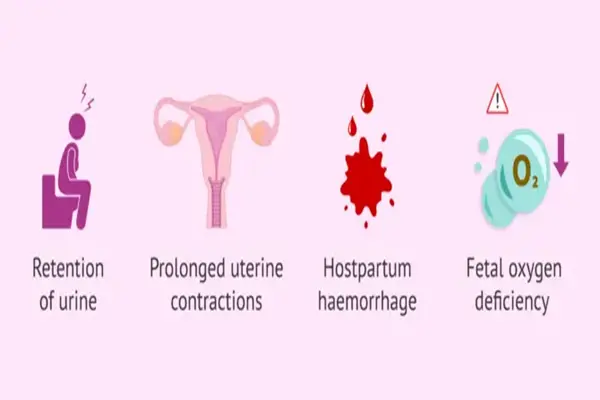
Postpartum hemorrhage is one of the leading causes of maternal death. The World Health Organization clearly states that routine use of oxytocin in all deliveries is a core intervention for preventing postpartum hemorrhage. This simple, low-cost, and highly effective intervention saves hundreds of thousands of women's lives globally each year. From this perspective, oxytocin is one of the cornerstones of modern obstetric safety.
A systematic review published in 2025 analyzed 15 randomized controlled trials, yielding encouraging results. The study confirmed that oxytocin showed therapeutic potential in several subtypes of depression:
- Postpartum Depression: For patients with postpartum depression, oxytocin appeared to enhance the mother's perception and response to infant cues. For example, studies found that after receiving oxytocin, patients with PPD exhibited stronger protective behavior towards their infants in the presence of strangers and perceived infant cries as more urgent events. While results regarding its effects on maternal mood are inconsistent, its positive impact on mother-infant interaction provides a new strategy for breaking the vicious cycle of PPD.
- Major Depression and Treatment-Refractory Depression: For both common MDD and the more challenging TRD, the review noted that oxytocin showed efficacy as an adjunct therapy. When used in combination with psychotherapy or conventional antidepressants, oxytocin enhanced therapeutic effects. This may be related to its ability to improve patients' social avoidance, enhance trust and empathy towards others, thereby helping patients better benefit from psychotherapy.
- Gender differences: Interestingly, the study also found significant gender differences in the antidepressant effect of oxytocin. This may be related to the regulatory role of estrogen on the oxytocin system, suggesting that future clinical applications may require different treatment strategies based on gender.
Mechanism of Action – A Multi-Level Molecular Symphony
Oxytocin's primary "partner" is the oxytocin receptor, which belongs to the G protein-coupled receptor family. When oxytocin binds to OXTR, it triggers a conformational change in the receptor, activating the Gq protein it is coupled with. The Gq protein then activates phospholipase C, which breaks down phosphatidylinositol diphosphate on the membrane into inositol triphosphate and diacylglycerol. IP3 triggers the release of calcium ions from intracellular calcium stores, causing a rapid spike in intracellular calcium ion concentration.
In uterine smooth muscle cells, the end result of this signaling pathway is muscle contraction. Calcium ions bind to calmodulin, activating myosin light chain kinase, leading to smooth muscle contraction. In mammary myoepithelial cells, the same pathway facilitates milk expulsion. In peripheral tissues, this is a rapid, direct "contraction" signal.
However, in neurons, oxytocin's role is more subtle. Besides rapidly triggering calcium ion fluctuations, it can also regulate gene transcription and protein synthesis through signaling pathways such as MAPK, producing long-term effects, such as alterations in synaptic plasticity. This combination of "fast signals" and "slow adjustments" is the basis for its ability to both adjust behavior instantly and change the structure of neural networks over the long term.
A groundbreaking study in 2023 revealed a completely unexpected mechanism of action for oxytocin—its ability to act as a positive allosteric modulator of the μ-opioid receptor. This means that oxytocin does not directly activate the MOR (molecularly modified receptor), but rather enhances the effects of endogenous or exogenous agonists on the MOR by binding to another site on the MOR.
This research is not only a novel mechanistic discovery but also has significant implications for drug development. While traditional MOR agonists have powerful analgesic effects, they are accompanied by serious side effects such as respiratory depression, addiction, and tolerance. PAM (polymorphonuclear agonists) act in a "synergistic" manner: they only act at the site and time when the body releases endorphins, thus potentially enhancing analgesia while reducing side effects caused by over-activation of receptors.
The study further revealed the structural basis of oxytocin as a MOR-PAM: its cyclic structure and C-terminal tail are key. This suggests that oxytocin is a "multifunctional" molecule; it can not only activate its own receptor but also allosterically modulate other receptor systems, especially the opioid system associated with pain and reward. This provides a completely new molecular framework and design ideas for developing novel and safer analgesics.
Frontiers of Pharmaceutical Raw Material Innovation and Clinical Translation
Oxytocin, as a natural polypeptide, has less than ideal pharmacokinetic properties: a short half-life in vivo, extremely low oral bioavailability, and, due to its structural similarity to the vasopressin receptor, potential side effects such as antidiuresis at high doses. Therefore, modern medicinal chemists are dedicated to refining its structure to overcome these shortcomings.
- Long-acting and oral administration: The success of carbetocin is an example, but scientists are still exploring better approaches. Replacing disulfide bonds with more stable thioether bonds, introducing non-natural amino acids onto the ring, or PEGylation at the tail are common strategies for extending the half-life. Furthermore, utilizing novel delivery technologies to improve its ability to cross physiological barriers is also an important direction for central nervous system drug delivery.
- Highly selective analogues: To reduce cross-reactivity with the vasopressin system, researchers are working to design agonists or antagonists with higher selectivity for OXTR. For example, developing "biased ligands" that activate only the G protein pathway without activating the β-arrestin pathway holds promise for separating therapeutic effects from side effects.
- The discovery of allosteric modulators: The discovery of oxytocin as a MOR-PAM has opened up a completely new direction in drug design. Researchers are no longer focusing solely on oxytocin itself, but have begun to search for small molecule compounds that can mimic the allosteric modulatory effects of oxytocin on OXTR or MOR. These small molecules may possess oral activity and better blood-brain barrier permeability, and hold promise as innovative drugs for the next generation of treatments for social disorders, depression, or pain.

Despite the promising future of oxytocin, its clinical translation faces two core challenges: administration method and individual variability in its effects.
Administration Method: Current clinical trials primarily utilize intranasal sprays, aiming to allow the drug to directly reach the brain via the olfactory or trigeminal nerve pathways, bypassing the blood-brain barrier. However, precise dosage and distribution with intranasal administration remain challenging, with some drug still being absorbed into the peripheral circulation. Therefore, developing more precise centrally targeted delivery systems or finding orally available small-molecule alternatives are key technological breakthroughs for the future.
Individual Variations: The effects of oxytocin vary from person to person, influenced by multiple factors including genes, environment, sex, and hormone levels. In the future, oxytocin therapy will inevitably move towards precision medicine. Before administration, it may be possible to screen individuals most likely to benefit by testing their oxytocin receptor genotype, individual oxytocin levels, or neuroimaging characteristics, and to develop personalized treatment plans.
In conclusion, recent research on oxytocin is shifting from a simple, "one-size-fits-all" drug to a complex therapeutic tool requiring careful design and individualized application. It is not only a "love hormone," but also an epitome of human wisdom in exploring the mysteries of molecules and transforming them into healing power. In the next decade, we can expect to witness oxytocin and its derivatives opening up a vast new world in multiple fields such as mental health, neurorehabilitation, and pain management.
Conclusion
From a cornerstone of obstetrics for over a century to a cutting-edge innovative target, Oxytocin, with its minimalist nine-peptide ring structure, embodies the dual mission of classic heritage and cutting-edge breakthroughs in the pharmaceutical field. Its precise modification of molecular structure, cross-disciplinary expansion of clinical applications, in-depth analysis of its mechanism of action, and continuous innovation in research directions not only highlight the unique value of peptide pharmaceutical raw materials but also provide a benchmark paradigm for drug repurposing, precision drug delivery, and green pharmaceutical manufacturing. With the maturation of long-acting formulations, highly selective analogs, and targeted delivery technologies, oxytocin will transcend its public image as a "love molecule," releasing far-reaching value in clinical treatment and the pharmaceutical industry, becoming a classic molecule that continues to shine in the field of peptide drug development.
Xi'an Faithful BioTech Co., Ltd. provides superior pharmaceutical-grade raw materials with comprehensive quality assurance and technical support. Our advanced production capabilities and rigorous testing processes ensure consistent raw material performance to meet your formulation needs. As a trusted supplier of Oxytocin Powder, we offer highly competitive prices, detailed analytical reports, and flexible packaging solutions tailored to your specific requirements. Please contact our team at allen@faithfulbio.com to discuss your sourcing needs and learn how our expertise can contribute to your product development success.
References
- Waltenspühl, N., et al. (2022). Structural basis for the activation and ligand recognition of the human oxytocin receptor. Cell Research, 32(7), 654–668.
- Carter, C. S. (2021). Oxytocin and love: Myths, metaphors and mysteries. Comprehensive Psychoneuroendocrinology, 9, 100107.
- Jones, C., et al. (2017). Oxytocin and social functioning. Dialogues in Clinical Neuroscience, 19(2), 193–201.
- Shorey, S., et al. (2023). Influence of oxytocin on parenting behaviors and parent-child bonding: A systematic review. Developmental Psychobiology, 65(2), e22359.
- Gossen, A., et al. (2012). Oxytocin plasma concentrations after single intranasal oxytocin administration: A study in healthy men. Neuropeptides, 46(4), 211–215.
- Sun, B. L., et al. (2025). Unlocking potential of oxytocin: Improving intracranial lymphatic drainage for Alzheimer's disease treatment. Progress in Neurobiology, 242, 102432.
- Manning, M., et al. (2018). Oxytocin receptor agonists and antagonists: Medicinal chemistry and therapeutic potential. Journal of Medicinal Chemistry, 61(13), 5451–5477.