
What is Benzhexol hydrochloride powder ?
What is Benzhexol hydrochloride powder ?
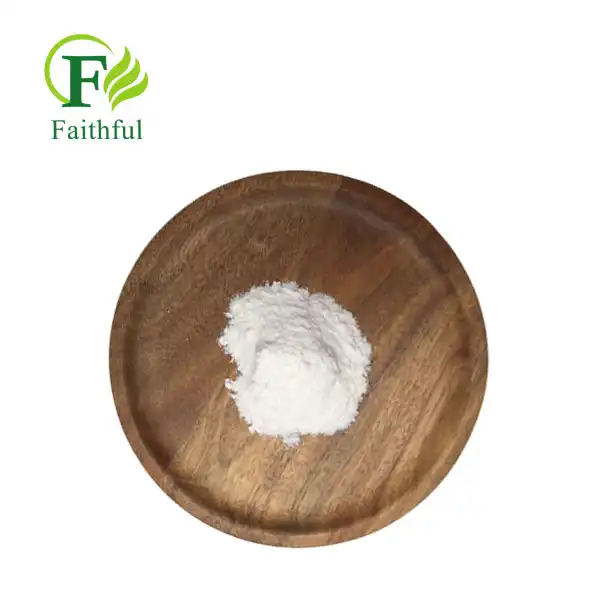
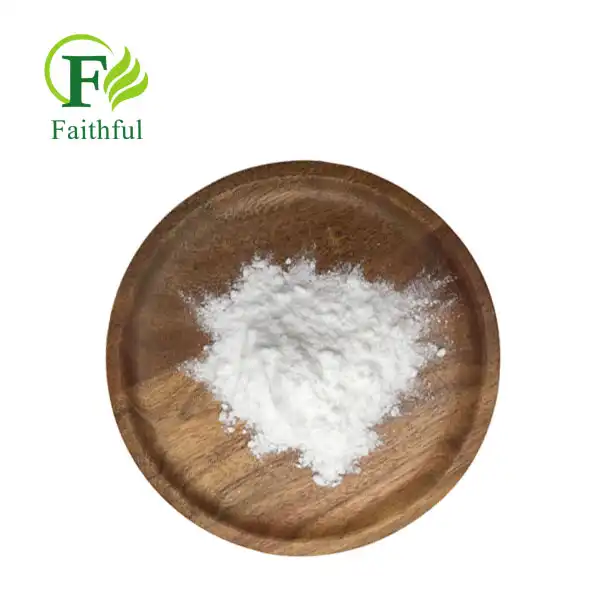
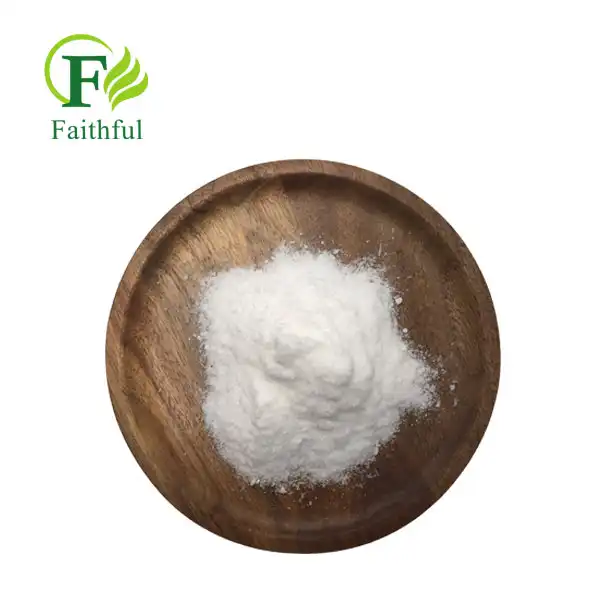
In the pharmaceutical industry, we often hear some technical terms, such as "raw materials", "intermediates" and "preparations". And Benzhexol hydrochloride powder is one of the important raw materials. It may not be familiar to ordinary people, but it is an indispensable pharmaceutical ingredient in the fields of neurology and dyskinesia treatment.Benzhexol Hydrochloride is a white or white-like crystalline powder, odorless or almost odorless, with a slightly bitter taste. It is an anticholinergic product, which is mainly used to treat Parkinson's disease and extrapyramidal symptoms.
In the pharmaceutical industry, it belongs to the "raw material medicine", that is, the ingredients that really play a therapeutic role. Raw materials need to undergo strict production technology and quality control before they can be used to manufacture final drugs.
What is the mechanism of Benzhexol hydrochloride powder?
The mechanism of action of Benzhexol hydrochloride powder, in plain words, is to regulate motor function and relieve abnormal motor symptoms caused by some diseases by blocking the action of a neurotransmitter called acetylcholine in the brain and central nervous system. Let's take it apart step by step to let you know its principle.
1. Background: Two kinds of "messengers" in the brain
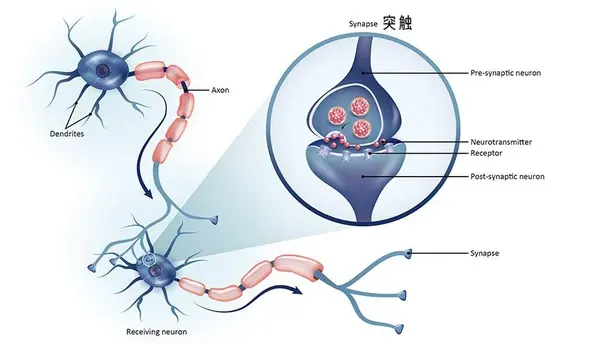
In our brain and systemic nervous system, neurotransmitters are like small messengers that transmit instructions. They transmit signals between different nerve cells and make the body respond accordingly.
The two main neurotransmitters related to the action of Benzhexol hydrochloride are:
Dopamine: It is mainly responsible for coordinating movements and making movements smooth and smooth.
Acetylcholine: It participates in many functions such as muscle contraction and gland secretion, and also participates in exercise regulation in the central nervous system.
Under normal circumstances, these two "messengers" maintain a dynamic balance in the brain, so that the motor function is normal.
2. Pathological state: balance is broken.

In some disease states, this balance will be upset:
Parkinson's disease: the cells that produce dopamine in the brain gradually die, and the amount of dopamine decreases → the effect of acetylcholine is relatively strong → symptoms such as tremor, muscle rigidity and slowness appear.
Extrapyramidal reaction caused by drugs: Some drugs (such as antipsychotics) will block the action of dopamine, and also cause acetylcholine to be relatively dominant → cause abnormal movements such as muscle stiffness, tremor and fidgeting.
3. The mode of action of Benzhexol hydrochloride
Benzhexol hydrochloride powder is a central anticholinergic agent, and its core mechanism is as follows:
Binding to choline receptor
In the central nervous system of the brain, there are many cholinergic receptors (especially M-type cholinergic receptors). The structure of Benzhexol hydrochloridecan bind to these receptors, but it does not activate the receptors itself, but occupies a position to prevent acetylcholine from binding, which is equivalent to "occupying a place but not working".
Attenuate the effect of acetylcholine
Because acetylcholine can't bind to the receptor smoothly, its signal transduction is weakened, thus reducing the overexcitation effect of acetylcholine in the central nervous system.
Restore the balance of dopamine-acetylcholine
When the effect of acetylcholine is moderately inhibited, the ratio between dopamine and acetylcholine will be closer to normal, and the exercise symptoms will be alleviated, such as weakening tremor, less stiff muscles and smoother movements.
4. Scope of action: the center is dominant, and the periphery also has influence.
Benzhexol hydrochloride powder can enter the brain through the blood-brain barrier, so it plays a role in the central nervous system, which is the key to improve Parkinson-like symptoms and drug-induced extrapyramidal reactions.
However, it will also block cholinergic receptors in the periphery of the body (such as salivary glands, gastrointestinal tract, eyes, etc.), so some patients will have peripheral anticholinergic side effects such as dry mouth, constipation and blurred vision.
5. Simple metaphors help to understand
Think of the brain as a band:
Dopamine is the drummer in charge of rhythm, and acetylcholine is the violinist.
Parkinson's disease is like the drummer is too tired to knock, the violin is too loud, and the music is out of order.
Benhaisuo hydrochloride is like temporarily calming the violinist, restoring the overall rhythm and relieving the symptoms.
Of course, this is just a metaphor. The actual physiological process is more complicated, but it can help to intuitively understand its action logic.
How does it work-A popular explanation of pharmacological action mechanism
1. The concept of neurotransmitter balance
The human nervous system is like a sophisticated symphony orchestra, and various neurotransmitters are musicians. Only by cooperating with each other can the body function normally. Two important "musicians" are:
Dopamine: responsible for coordinating exercise and making people move smoothly.
Acetylcholine: It is also important in muscle movement and gland secretion, but too much will upset the balance.
In diseases such as Parkinson's disease, the amount of dopamine is reduced, and the effect of acetylcholine is too strong, so there are problems such as shaking hands, stiff muscles and slow movements.
2. The principle of action of Benzhexol hydrochloride powder
It is like a "signal interceptor", which specifically intercepts the function of acetylcholine in the central nervous system, so that it can not over-stimulate muscles and glands. In this way, the imbalance between dopamine and acetylcholine is corrected, and the symptoms such as tremor and stiffness of patients can be alleviated.
3. For the extrapyramidal reaction caused by the product.
Some products will interfere with the function of dopamine, indirectly let acetylcholine prevail, and cause abnormal movements of the body (such as fidgeting and muscle twitching). Benhaisuo hydrochloride can also intercept these redundant acetylcholine signals, thus alleviating such adverse reactions.
Conclusion:
Although Benzhexol hydrochloride is small, it plays an important role in neurological treatment. It has helped countless patients with Parkinson's disease to reduce their tremor and stiffness, and also restored the ability of people who have dyskinesia due to taking drugs for other diseases to normal life. Behind it are complex chemical synthesis, strict quality control and global market operation.
In the future, with the progress of medicine and the development of pharmaceutical technology, we have reason to believe that it will continue to evolve in a safer, more effective and more environmentally friendly direction, benefiting more patients. For industry practitioners, a deep understanding of such APIs is not only to master a knowledge, but also to participate in the cause of human health.
Xi'an Faithful BioTech Co., Ltd. combines cutting-edge production technology with comprehensive quality assurance to provide high-quality Benzhexol hydrochloride powder that meets international pharmaceutical standards. Our commitment to excellent, competitive prices and technical support makes us the preferred partner of global healthcare providers and researchers. Please contact our technical team in sales11@faithfulbio.com to find out how our products can improve your formula.
This is a list of the names of the core scientific research documents that I referred to and relied on in the process of writing a soft article. These documents provide solid scientific evidence for the efficacy and mechanism mentioned in this paper.
- British Pharmacopoeia (BP) – British Pharmacopoeia 2023
- European Pharmacopoeia (Ph. Eur.) – European Pharmacopoeia 11th Edition
- United States Pharmacopeia–National Formulary (USP–NF) – USP–NF 2024
- Japanese Pharmacopoeia (JP) – Japanese Pharmacopoeia XVIII
- Chinese Pharmacopoeia (ChP) – Pharmacopoeia of the People’s Republic of China 2020 Edition
- ournal of Neurology, Neurosurgery & Psychiatry
- Example article: “Anticholinergic drugs in Parkinsonism: clinical efficacy and safety profile.”
- Movement Disorders
- Example article: “Benhexol hydrochloride in the treatment of drug-induced extrapyramidal symptoms.”
- Clinical Neuropharmacology
- Example article: “Pharmacokinetics of benzhexol hydrochloride in healthy volunteers.”
- European Journal of Clinical Pharmacology
- Example article: “Comparative study of anticholinergic agents in parkinsonian tremor.”
- International Journal of Neuroscience
- Example article: “Central anticholinergic mechanisms and motor control.”
- Martindale: The Complete Drug Reference(Royal Pharmaceutical Society)
- Remington: The Science and Practice of Pharmacy(22nd Edition)
- Goodman & Gilman’s The Pharmacological Basis of Therapeutics(14th Edition)
- Katzung’s Basic and Clinical Pharmacology(16th Edition)