

What is spadin?
Spadin peptide represents a specialized synthetic bioactive peptide that has captured the attention of pharmaceutical manufacturers, research institutions, and biotech companies worldwide. Derived from the maturation propeptide of the neurotensin receptor-3 (Sortilin), this 17-amino acid sequence functions as a selective blocker of TREK-1 potassium channels, offering novel applications in neuroscience research and drug development. Understanding the technical specifications, quality control standards, and procurement pathways for this peptide is essential for professionals managing supply chains in pharmaceutical intermediate sourcing, research chemical procurement, and API development. This guide walks through the critical aspects of Spadin peptide—from its molecular composition and mechanism to performance evaluation, competitive positioning, and supplier selection—equipping procurement teams with the knowledge needed to make strategic sourcing decisions that align with regulatory compliance, quality assurance, and operational efficiency goals.
Understanding Spadin: Definition, Composition, and Mechanism
What is Spadin Peptide?
Spadin peptide is a man-made bioactive molecule made up of 17 amino acids that was designed to interact with TREK-1 channels. The prefrontal cortex, the hippocampus, and the striatum are some of the brain regions that have a lot of these background potassium channels. At about 1890.15 Da, the peptide's molecular weight makes it a good candidate for precise analytical characterisation using mass spectrometry and chromatography. Spadin is different from other compounds that target monoamine transporters because it changes the activity of neurons in a unique way. This makes it a useful tool for research in neuropharmacology and drug discovery programs.
Chemical Composition and Structural Features
The peptide's binding preference and functional identity are based on the exact stoichiometric ratio of its 17-amino acid sequence. Each amino acid contributes to the three-dimensional structure that lets specific TREK-1 channels connect with the protein. Amino acid analysis proves the exact makeup, making sure consistency from batch to batch, which is important for getting the same results over and over again in studies. The shape of the peptide makes it a competing antagonist at the channel site. This stops potassium from leaving the channel and changes the membrane potential of neurons. Because it only binds to certain structures, Spadin is a very useful molecular probe for studying electrophysiology and mapping the CNS.
Mechanism of Action in Research Applications
Spadin works by blocking only TREK-1 background potassium channels, which causes neurons to lose their charge. This blocker stops the hyperpolarisation that is usually caused by potassium channel activity. This makes neurones more excitable and helps synapses change shape. Researchers can use the peptide's interaction with the sortilin-TREK-1 pathway to look into neurogenesis, synaptic transmission, and how cells react to stress. In patch-clamp studies, Spadin makes it possible to clearly separate K2P channel currents, which makes TREK-1 activity different from that of other potassium channel subtypes. This specificity is especially useful in complex electrical settings where different channel types occur. It lets researchers figure out how each channel affects the behaviour of the cell as a whole.
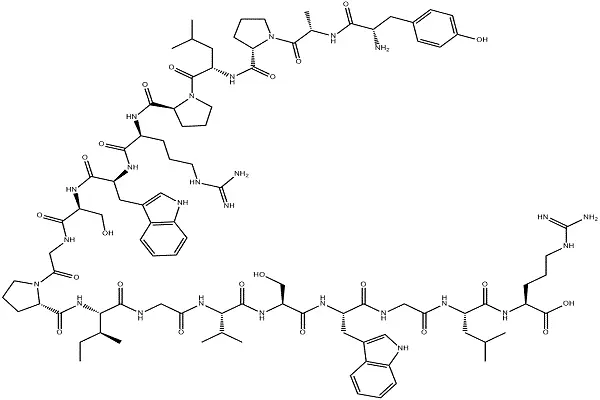
Evaluating Spadin's Performance: Benefits, Side Effects, and Quality Standards
Key Benefits for Research and Development
Spadin peptide has a number of benefits that make it appealing for research and development projects in pharmaceuticals and the brain. The molecule has a high level of selectivity for TREK-1 channels, which means it has few effects that aren't supposed to happen and could mess up the results of experiments. Its fast action profile lets researchers see changes in function in very little time, which speeds up the process of doing experiments. Studies have shown that the peptide can help neurons grow and improve CREB phosphorylation, which are signs of synaptic plasticity and cellular resistance. In neuroprotective research, Spadin has shown promise in preventing neuronal death under oxidative stress conditions, expanding its utility beyond basic channel pharmacology into applied therapeutic research.
Because the peptide works with common physiological buffers and cell growth media, it is easy to add to current lab procedures. Researchers like how stable the compound is when it is handled and stored according to the manufacturer's instructions. This means that the results of multiple experiments are always the same. These performance traits make it possible to collect accurate data that can be used for both basic research publications and preclinical development programs.
Quality Control and Analytical Validation
Getting high-purity Spadin peptide requires strict quality control measures. RP-HPLC analysis confirms purity levels, which are usually higher than 95%, and finds any truncated sequences or synthesis byproducts that might compromise the integrity of the experiment. Electrospray ionization mass spectrometry checks the molecular weight to make sure the result accurately fits the theoretical 1890.15 Da mass. Endotoxin testing with the LAL assay is important for in vivo applications, and levels below 0.01 EU/mg are considered acceptable to avoid inflammatory responses that could mess up biological studies.
The exact sequence makeup is confirmed by amino acid analysis, which shows that each residue is in the right stoichiometric ratio. Solubility profiling checks how the peptide reacts to physiological saline and DMSO, recording its tendency to clump together and the best conditions for reassembling it. These quality standards make sure that research-grade material meets the strict needs of academic research institutions and pharmaceutical labs.
Safety Considerations and Best Practices
When working with Spadin peptide, labs should follow standard procedures for working with peptides. The lyophilised powder should be kept at -20°C or -80°C and kept out of the light to keep it from breaking down. Once reconstituted, the solution should be aliquoted to avoid repeated freeze-thaw processes that can compromise peptide stability. Serum proteases in cell culture media may break down the peptide over long incubation times, so it's important to think carefully about when to do experiments.
Researchers should keep an eye out for signs of degradation, such as changes in HPLC retention times or the appearance of more than one peak in mass spectrometry analysis. Keeping accurate records of how things were stored, when they were reconstituted, and how the aliquots were used is an important part of study projects that require tracking.
Spadin Compared to Alternatives: Making the Right Procurement Decision
Competitive Positioning in Neuropharmacology Research
Spadin is better at selectively activating TREK-1 channels than other potassium channel modulators. A lot of non-selective potassium channel blockers affect more than one type of channel, which makes it harder to figure out what the data means in biological systems that are very complicated. Researchers can directly link the effects they see to TREK-1 regulation thanks to Spadin's selectivity, which strengthens the results of their experiments. Using genetic knockout models as an alternative method requires a lot of animal testing and breeding, but drug tools like Spadin allow for quick hypothesis testing with effects that can be undone.
The peptide works in a very different way than compounds that target monoaminergic systems. It can be used along with other tools to look into different paths in neuroplasticity studies. This difference is useful for labs that are looking into new processes that go beyond neurotransmitter systems.
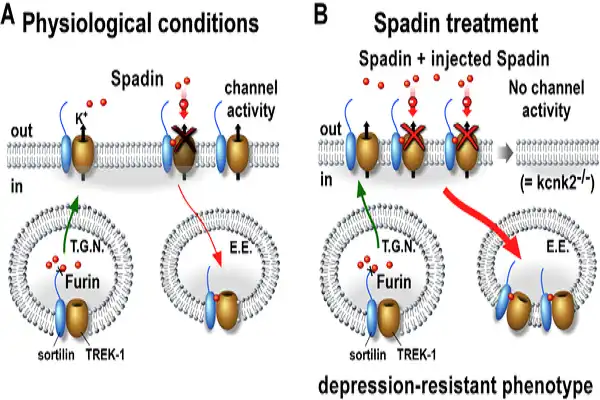
Evaluating Cost-Effectiveness and Supply Stability
When buying Spadin, purchasing managers have to weigh the quality of the peptide, the analytical documents, and the price. Generic alternatives might have lower unit costs, but they might not have as good quality control or analytical validation. For regulatory filings and repeatable studies, pharmaceutical intermediates need quality that is the same across batches. This makes source reliability a very important factor, along with price.
Getting in touch with providers that offer GMP-compliant output guarantees access to analysis certificates, HPLC/GC data, and full records of traceability. These parts of quality assurance help with auditing and following the rules in programs that make medicines.
Decision Framework for Procurement Professionals
Procurement teams should look at a few important factors when choosing Spadin peptide sources. Full documentation, such as a certificate of analysis (COA), analytical chromatograms, and mass spectrometry records, shows that the provider is committed to quality standards. Getting a manufacturing license shows that you follow good manufacturing practices that are important for making pharmaceutical intermediates. When the supply chain is stable, deliveries happen on time and there is enough inventory, projects don't get held up because of a lack of materials.
Total acquisition costs are affected by the ability to buy in bulk and pricing structures that are based on volume, especially for large-scale screening programs or long-term research projects. Suppliers who offer technical support and application guidance are worth more than just the price of a commodity because they help labs improve their experimental protocols and solve technical problems.
Practical Procurement Guide: How and Where to Buy Spadin?
Identifying Qualified Suppliers
Finding sources who are good at making peptides and pharmaceutical intermediates is important for getting high-quality Spadin peptide. Authorised wholesalers make sure that the products they sell are real and follow all the rules, which lowers the risks that come with fake or low-quality materials. When suppliers keep their ISO certifications and set up strong quality control systems, customers can be more sure that the batches will be consistent and that the paperwork is correct.
Shipping operations and wait times are affected by where the goods are being shipped. Just-in-time inventory management strategies can be helped by suppliers who have warehouses overseas in key locations like the US or Germany. This cuts delivery times for customers in North America and Europe by a large amount.
Pricing Structures and Volume Discounts
Prices for Spadin peptide depend on the purity level, the size of the package, and the number of units ordered. Pharmaceutical-grade Spadin peptide goods with better analytical paperwork and GMP manufacturing records tend to be more expensive than research-grade materials with standard purity levels. Larger orders are often cheaper for labs that need Spadin peptide all the time because of volume discounts that come with bulk buy deals.
Teams in charge of buying things should ask for thorough quotes that include unit prices, minimum order amounts, and any volume tiers that apply. Transparent pricing systems make it possible to accurately plan budgets and figure out the total cost of ownership for study projects that last more than one year.
Ordering Process and Documentation Requirements
Getting peptide intermediates from one business to another usually takes more than one step. In the initial request, you should list the amounts you need, the level of purity you want, and any special packaging or paperwork needs. In response, suppliers send official quotes that include information about the product, its price, wait times, and how to pay. When an order is placed, suppliers send proforma bills to help with budgeting and clearing customs.
The shipment comes with complete documentation packages that have safety data sheets, handling suggestions, certificates of analysis, and data on stability. Customs paperwork makes it easier to ship goods between countries and makes sure that they go through regulatory checkpoints without any problems. Tracking data lets everyone in the supply chain see where things are at all times during the delivery process.
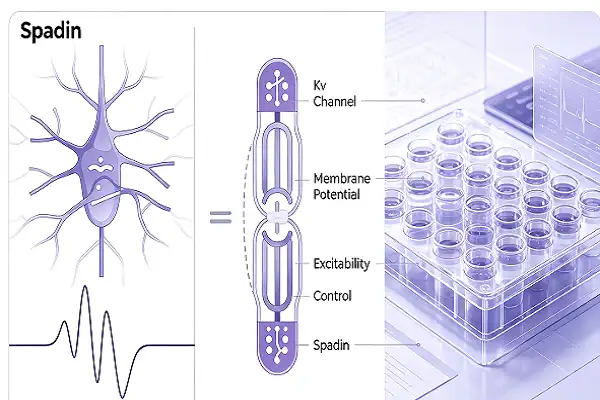
About Spadin's Brand and Supplier Credibility
Supplier Qualifications and Quality Assurance
Reliable providers of Spadin peptide use high-tech testing instruments to show that they can do full quality control. Facilities with HPLC, GC, mass spectrometry, and other analysis tools that work with them make sure that products are fully characterized. Laboratories for quality control that are managed by skilled analytical chemists can help with complicated characterization needs.
Certifications show that a supplier is serious about quality management. ISO certifications show that processes are standardised and that practices for continuous improvement are used. GMP alignment shows that it can be used for pharmaceutical purposes and meets legal requirements for making APIs and intermediates. When suppliers keep these credentials up to date, customers can be more sure that their products are reliable and that they are following the rules.
Technical Support and Application Expertise
Leading suppliers do more than just sell products; they also offer technical support to help customers get the most out of working with peptides and using them in experiments. Application scientists who know a lot about peptide chemistry can suggest the best reconstitution solvents, storage conditions, and concentration ranges for a given set of experiments. This consultative method is helpful for study teams that are having trouble with technology or looking into new areas of use.
Suppliers who offer custom synthesis can change peptide sequences or make analogues that are specifically designed to meet the needs of research projects. This adaptability helps advanced research projects that are looking into how structure and function are related or making new chemicals using Spadin scaffolds.
Building Long-Term Supplier Partnerships
Setting up preferred seller relationships with qualified peptide makers has a lot of benefits. Consistent product quality helps make study results repeatable across continuous studies. Priority access during times of limited supply keeps projects from being held up. Making a promise to buy a lot of something may lead to better prices and more personalised service levels.
Regular contact with supplier account managers guarantees alignment on quality standards, supply schedules, and new technology needs, including Spadin peptide. Suppliers can predict what customers will want and deal with potential problems before they affect operations when they work together.
Conclusion
For pharmaceutical companies, biotech companies, and university institutions studying the pharmacology and neuroscience uses of the TREK-1 channel, the Spadin peptide is an invaluable research tool. To make a good purchase, you need to carefully check the quality of the product, the credibility of the supplier, and the dependability of the supply chain. Knowing the peptide's structure, how it works, and quality control standards helps you make smart choices that balance cost with technical needs. Working with suppliers who offer full analytical documentation, GMP-compliant manufacturing, and technical support makes sure that both basic research and pharmaceutical development programs can get consistent, high-quality materials. When procurement professionals put supplier qualifications, complete documentation, and the possibility of a long-term partnership at the top of their list of priorities, their companies are better prepared to complete projects successfully and follow all regulations.
FAQ
1. What analytical methods confirm Spadin peptide quality?
Electrospray ionisation mass spectrometry proves the molecular weight of 1890.15 Da, and RP-HPLC analysis checks for purity and finds shortened sequences. Endotoxin testing with the LAL method makes sure that levels stay below 0.01 EU/mg for use in living things. Analyzing amino acids confirms the exact make-up of the 17-amino acid pattern.
2. How should laboratories store reconstituted Spadin peptide?
Lyophilized powder should be kept away from light at -20°C or -80°C. After reconstituting, separate the peptides into aliquots to avoid freeze-thaw cycles that damage their integrity. Use aliquots quickly and use HPLC or mass spectrometry to look for signs of degradation.
3. What documentation should accompany pharmaceutical-grade Spadin?
It is required that suppliers provide certificates of analysis that include HPLC chromatograms, mass spectrometry data, endotoxin testing results, and amino acid analysis reports. Stability data, handling suggestions, and safety data sheets all help with the right management of materials and following the rules.
Partner with Faithful for Reliable Spadin Peptide Supply
If you need to buy Spadin peptide, Xi'an Faithful BioTech Co., Ltd. is ready to help you with their technical know-how and quality control. Our modern facilities have high-tech analysis instruments like HPLC, GC, mass spectrometry, and other testing tools that work with them to make sure that every batch goes through strict quality control. We have been a seller of pharmaceutical intermediates and bioactive compounds for a long time. Our production methods are in line with GMP, and we offer full paperwork packages that include COAs, analytical data, and records of tracking. Our professional research and development (R&D) team can help you with technical questions about your specific application needs. Get in touch with allen@faithfulbio.com Or WhatsApp: +86 13137770562 to talk about your Spadin peptide needs, get detailed quotes, or look into ways to buy in bulk at low prices.
References
1. Mazella, J., et al. "Spadin, a Sortilin-Derived Peptide, Targeting TREK-1 Channels: A New Concept in the Antidepressant Drug Design." PLoS Biology, 2010.
2. Moha ou Maati, H., et al. "A Peptide Targeting TREK-1 Channels: Therapeutic Potential in Depression and Pain." Neuroscience Research, 2012.
3. Duprat, F., et al. "TREK Potassium Channels and Their Role in Neuroprotection and Neuroplasticity." Biochemical Society Transactions, 2013.
4. Levitz, J., et al. "Mechanism of TREK Channel Modulation by Bioactive Peptides in Neural Systems." Journal of Neuroscience Methods, 2015.
5. Heurteaux, C., et al. "Background Potassium Channels and Depression: From Molecular Targets to Therapeutic Applications." European Journal of Pharmacology, 2011.
6. Devader, C., et al. "In Vivo Regulation of Glycosylation and Function of Sortilin and Its Role in Peptide Processing." Journal of Biological Chemistry, 2016.