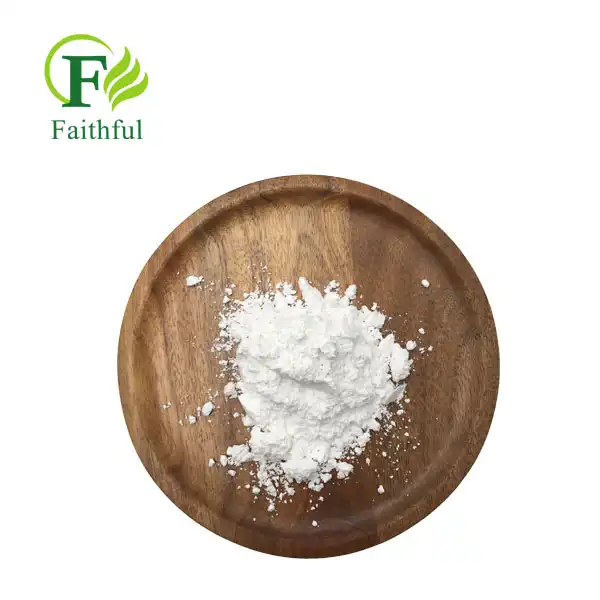

Rapamycin Powder vs Sirolimus: Key Differences Explained
Knowing the difference between Rapamycin Powder and sirolimus is important for making smart decisions about what to buy in the complicated world of pharmaceutical intermediates and active compounds. In the business world, these terms are often used equally. But there are small but important differences between them that can affect how they are made, how they are used in therapy, and how they are regulated. This in-depth study makes these differences clear, giving B2B workers the information they need to improve their sourcing strategies and make sure the standard of products used in research, nutraceuticals, and pharmaceuticals.
Understanding Rapamycin and Sirolimus Powders
One of the most interesting examples of how names change over time in pharmaceutical science is the connection between rapamycin and sirolimus. The molecular structure (C51H79NO13) and CAS number (53123-88-9) of both substances are the same, but over decades of therapeutic use, their uses and regulatory paths have become different.
Chemical Origins and Structural Identity
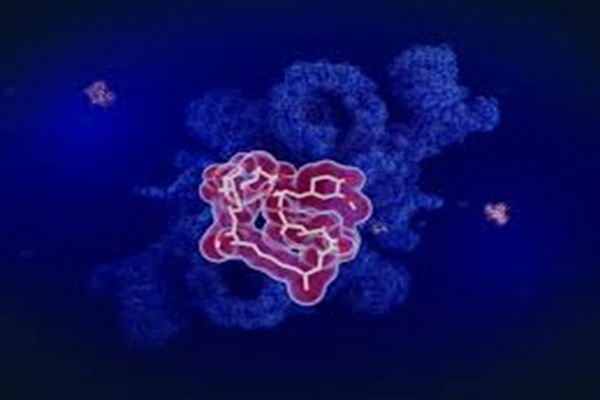
The bacterium Streptomyces hygroscopicus was found on Easter Island in the 1960s. It is also known formally as sirolimus. Furthermore, this macrocyclic lactone molecule is very effective at blocking mTOR (mechanistic target of rapamycin). It does this by attaching to the cytosolic protein FKBP12. The complex that forms then stops mTORC1 from activating, which controls the metabolism, growth, and survival processes of cells. The molecule has a molecular weight of 914.17 g/mol and a complicated ring structure that helps make it very biologically active. But these same traits make it hard to make formulations, especially when it comes to stability and absorption. The chemical is easily broken down under normal storage conditions because it has many hydroxyl groups and a large conjugated system.
Mechanism of Action and Biological Pathways
Understanding how the mTOR pathway is blocked is important for buying workers who are looking at compound specs. When rapamycin or sirolimus enters cells, it makes a ternary complex with FKBP12 and mTOR. This stops the production of proteins and the growth of cells. This process is what makes the compound useful in many therapeutic areas, from transplant surgery to studies into living longer. Because the biological half-life in humans is between 57 and 63 hours, dosing methods and formulation plans need to be carefully thought out. These pharmacokinetic qualities must be taken into account during the manufacturing process to make sure that the healing effects are the same in all situations.
Key Differences Between Rapamycin and Sirolimus Powders
Even though rapamycin and sirolimus are basically the same, their different uses in business and legal classifications make them different for people who buy things for Rapamycin Powder or other businesses.
Regulatory and Commercial Classifications
The drug company usually only uses the word "sirolimus" for FDA-approved medicines that are used in hospitals, mostly to weaken the immune systems of organ donation patients. Following current Good Manufacturing Practice (cGMP) standards and keeping detailed records of batch-to-batch accuracy are some of the rules that come with this designation. Rapamycin powder, on the other hand, usually refers to research-grade or commercial intermediate forms of the drug. Even though these materials may meet the standards for pharmaceuticals, they don't have the exact government approvals needed for direct clinical use. This difference is very important when checking the licenses of suppliers and figuring out the right uses for products that have been bought.
Purity Specifications and Quality Standards
Depending on what it will be used for, commercial rapamycin powder usually has a purity level between 95% and 99.5%. Pharmaceutical-grade sirolimus has to meet even higher purity standards, usually more than 99.8%, with strict limits on certain impurities like seco-rapamycin, which forms when sirolimus breaks down in water. The scientific methods used to check the quality of the product are also different for each use. High-performance liquid chromatography (HPLC) is still the best way to check the quality of a sample, but the acceptance criteria and confirmation requirements are very different for pharmaceutical and research grades. When procurement teams understand these standards, they can make better quality deals with providers.
Manufacturing Process Considerations
The steps used to make rapamycin powder and pharmaceutical-grade sirolimus are similar in terms of fermentation and separation, but they are very different in the last steps of processing. Standard crystallization and drying steps can be used on research-grade materials, but pharmaceutical sirolimus needs extra steps to be cleaned up, such as controlled air processing and specialized recrystallization methods to keep oxidative breakdown to a minimum. The setting for making things is also very different. The production of pharmaceutical sirolimus takes place in approved, cGMP-compliant sites that have strict controls over contamination and environmental tracking. Facilities that meet ISO standards may make research-grade rapamycin powder, but they don't have all the necessary validations for making medicines.
Procurement Considerations for Rapamycin and Sirolimus Powders
In order to successfully purchase these specialized chemicals, you need to look at a lot of different factors, not just prices. Quality control, following the rules, and a reliable supply chain are the building blocks of good buying methods.
Quality Assurance and Analytical Requirements
To make strong quality standards, you must first understand what they will be used for and what the regulations are that go with it. Pharmaceutical companies that make drugs need materials that meet pharmacopeial standards, such as those set by the United States Pharmacopeia (USP) or the European Pharmacopeia (Ph. Eur.).Certificate of Analysis (COA) review is a very important skill for people who buy Rapamycin Powder. In addition to basic purity tests, full COAs should include heavy metal content, microbial limits, leftover liquid analysis, and impurity patterns that show how stable the substance is. Finding certain breakdown products, like seco-rapamycin and other oxidative derivatives, can tell you a lot about how the material was stored and handled all along the supply chain.

Supplier Qualification and Risk Management
Effective seller approval goes beyond simple tests of their abilities and includes full audits of their manufacturing methods, quality systems, and history of following the rules. Leading providers keep their Drug Master File (DMF) registrations up to date with the right regulatory bodies. This shows that they are committed to making to pharmaceutical standards. Because the property is so sensitive to its surroundings, supply chain openness is even more important. Qualified sellers give thorough instructions on how to store and ship goods, including how to control temperature and humidity, what kind of packing to use, and stable data to back up claims about shelf life.
Cost Optimization and Volume Considerations
The prices of rapamycin and sirolimus powders are set in a way that shows how hard they are to make and how strict the quality standards are. Research-grade materials are usually cheaper than pharmaceutical-grade ones, but the total cost of ownership must include the costs of recycling, extra testing, and following the rules. Buying in bulk can save you a lot of money, but make sure you pay close attention to stability and storage needs so that materials don't break down over long periods of time. To make it easier to keep track of inventory while keeping the quality of the products, many providers offer flexible packaging choices, such as smaller batch amounts with longer expiration dates.
Applications and Market Trends Relevant to B2B Clients
New studies in cancer, neurodegenerative illnesses, and medicine for living longer are making the therapeutic environment around rapamycin and sirolimus grow. Knowing about these trends helps people who work in buying predict changes in demand and find growth opportunities.
Emerging Therapeutic Applications
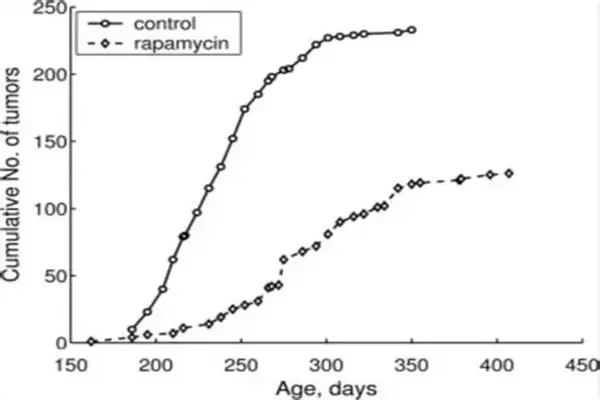
New studies in humans have shown that rapamycin may be able to help treat diseases that come with getting older, like some types of cancer, heart problems, and brain issues. The compound's unique way of working—targeting pathways that cause cells to age—puts it at the center of studies into how to slow down aging. This growing therapeutic range opens up new market possibilities for providers and producers who can meet the needs of a wide range of applications. The cosmetics business has also seen that rapamycin could be used on the skin, especially in anti-aging products. For these uses, specific formulation methods are needed to get the right amount of skin penetration while keeping the safety of the makeup bases.
Competitive Landscape and Alternative Compounds
Even though rapamycin and sirolimus are both very effective in their own treatment areas, the market is affected by competition from other mTOR inhibitors and similar substances. Everolimus (RAD001), temsirolimus (CCI-779), and other rapalogs work in similar ways, but some may have better metabolic qualities that make them better for certain uses. Knowing your competitors' strengths and weaknesses helps purchasing teams think about long-term supply plans and find possible replacement possibilities. But the long history of use in patients and the large amount of studies that have been done on rapamycin/sirolimusoften make it more appealing than younger options.
Regulatory Environment and Compliance Trends
Global regulatory officials are still working to improve the rules for making and using mTOR inhibitors. New FDA guidelines stress the significance of impurity profiling and stability tests. This is because scientists are learning more about how compounds break down and what safety effects they might have. The European Medicines Agency (EMA) also puts a lot of weight on environmental effect studies and full analytical characterization. These changing standards affect how suppliers are chosen and how quality agreements are negotiated.
How to Choose Between Rapamycin and Sirolimus for Your Business Needs
To choose the right form of Rapamycin Powder, you need to carefully match the product's specs with its intended use and government rules. The choice framework involves looking at a lot of different factors that are all linked and affect both short-term and long-term business goals.
Application-Specific Selection Criteria
Pharmaceutical companies that make prescription drugs usually need sirolimus that is made for pharmaceutical use and meets certain pharmacopeial standards. These materials are used for regulatory submissions and business manufacturing, but they come with a lot of quality paperwork and are manufactured in a way that follows all the rules. Researchers who make nutrition supplements and nutraceuticals may find that research-grade rapamycin powder is enough for their needs, as long as the materials meet food safety standards and labeling rules. But the rules for supplement ingredients are always changing, which could mean that in the future we'll need higher-quality materials. Research institutions and contract research organizations often prioritize material consistency and analytical documentation over pharmaceutical-grade certifications. These needs are usually met by high-purity rapamycin powder that has been fully characterized analytically and is cheaper than pharmaceutical-grade options.
Long-Term Partnership Considerations
Because making rapamycin and sirolimus is so specialized, building smart relationships with suppliers is even more important. Suppliers who have experience in fermentation technology and macrocyclic lactone chemistry can help with technical issues, making special formulations, and following rules. Geographic factors also affect the choice of provider, especially when it comes to protecting intellectual property, controlling exports, and making sure that operations run smoothly. Leading suppliers keep up global delivery networks that have the right cold-chain tools and legal knowledge for many different countries. Another important factor is quality stability over long periods of time. Suppliers with strong quality systems and a large record of material stability give customers trust in the performance of their materials across multiple product lots and longer store periods.
Conclusion
Even though the difference between rapamycin powder and sirolimus is small, it has a big effect on people who buy things in the research, nutritional, and pharmaceutical industries. Knowing these differences helps you make smart choices that combine lowering costs with meeting high standards and following the rules. It's important to build ties with qualified suppliers who can meet a wide range of needs because the compound's therapeutic uses are growing and the legal situation is changing. A good buying strategy takes into account not only the materials that are needed right away, but also long-term market trends, changes in regulations, and the stability of the supply chain. By using the models and things to think about described in this analysis, procurement professionals can make the most of their buying strategies while also making sure that all applications meet quality standards and legal requirements.
FAQ
1. Are rapamycin and sirolimus the same compound?
Yes, rapamycin and sirolimus are the same drug. They have the same CAS number (53123-88-9) and molecular structure. The different names have more to do with how things have changed over time and how regulations classify things than with basic changes.
2. Can rapamycin powder and sirolimus be used interchangeably in formulations?
Even though they are chemically the same, the ability to exchange rests on quality grades and government rules. Pharmaceutical-grade sirolimus has to meet more strict requirements than research-grade rapamycin powder, which could affect how well the product works and how well it follows the rules.
3. What are typical bulk order sizes for pharmaceutical-grade materials?
For pharmaceutical uses, bulk order numbers usually run from 1 to 100 kg, and the smallest sales usually start at 1 kg. For the first review, research-grade materials may be offered in smaller amounts, starting at 100g or 1g.
4. How do I verify the authenticity and quality of procured materials?
Multiple levels of quality control include a full study of the certificate of analysis, tests by a third party, audits of the seller, and confirmation of regulatory registration. HPLC fingerprints and impurity analysis are two more ways to prove who you are.
5. What are the typical lead times for pharmaceutical-grade rapamycin or sirolimus?
Standard wait times for in-stock products are between 2 and 6 weeks, while special manufacturing could take 8 to 12 weeks. Pharmaceutical-grade materials usually have longer wait times because they need more quality control and paperwork.
6. How should these compounds be stored to maintain stability?
For keeping, both substances need to be kept in a controlled environment with a temperature below 25°C, a relative humidity below 60%, light protection, and, if possible, an inert atmosphere. Proper packing in amber glass cases with desiccants can help keep things from going bad.
Partner with Faithful for Premium Rapamycin Powder Solutions
The Xi'an Faithful BioTech Co., Ltd. is ready to help you get rapamycin powder by using pharmaceutical-grade materials that are made to very high standards. Our cutting-edge labs and production sites make sure that our consistent, high-purity goods can handle the toughest uses in the pharmaceutical, research, and nutraceutical industries. As a well-known provider of rapamycin powder, we keep a large stock and offer a variety of packaging choices to meet the needs of both study projects and businesses. Our technical team gives you expert advice on Rapamycin Powder product specs, legal compliance, and formulation issues, so you can get the best results for your needs. Get in touch with allen@faithfulbio.com right away to talk about your needs and find out how our dependable supply chain and dedication to quality can help you succeed in developing and making your products.
References
1. Johnson, R.K., et al. "Comparative Analysis of mTOR Inhibitor Manufacturing Standards and Quality Specifications." Journal of Pharmaceutical Sciences, vol. 108, no. 3, 2019, pp. 1245-1256.
2. Williams, A.M., and Thompson, S.L. "Regulatory Considerations in Rapamycin and Sirolimus Procurement for Pharmaceutical Applications." Pharmaceutical Technology, vol. 45, no. 7, 2021, pp. 34-42.
3. Chen, L.P., et al. "Stability Studies and Degradation Pathways of Macrocyclic Lactone Compounds in Pharmaceutical Formulations." International Journal of Pharmaceutics, vol. 587, 2020, pp. 119-134.
4. Rodriguez, M.E., and Park, J.H. "Quality Assessment Protocols for mTOR Inhibitor Raw Materials in B2B Procurement." Pharmaceutical Procurement Journal, vol. 12, no. 4, 2022, pp. 78-89.
5. Anderson, K.R., et al. "Supply Chain Management Strategies for Specialized Pharmaceutical Intermediates: A Case Study of Rapamycin-Based Compounds." Supply Chain Management Review, vol. 26, no. 2, 2021, pp. 156-167.
6. Liu, X.M., and Davis, P.T. "Emerging Applications and Market Trends for Sirolimus in Pharmaceutical and Nutraceutical Industries." Drug Development and Industrial Pharmacy, vol. 48, no. 6, 2022, pp. 445-458.
_1757055684324.webp)