Why is GHK-Cu, a blue copper peptide, called the "golden peptide for skin regeneration"?
From a naturally occurring tripeptide complex accidentally discovered in human blood plasma to a star ingredient in skincare and regenerative medicine, GHK-Cu, with its core characteristics of "precise delivery + multi-pathway regulation," has become a key link between basic research and clinical translation. It serves as both a "dedicated transport vehicle" for copper ions and a "signal commander" for skin regeneration. After more than 50 years of research, from wound healing to anti-aging repair, its rigorous scientific evidence and wide range of applications have solidified its central position in the field of bioactive peptides.
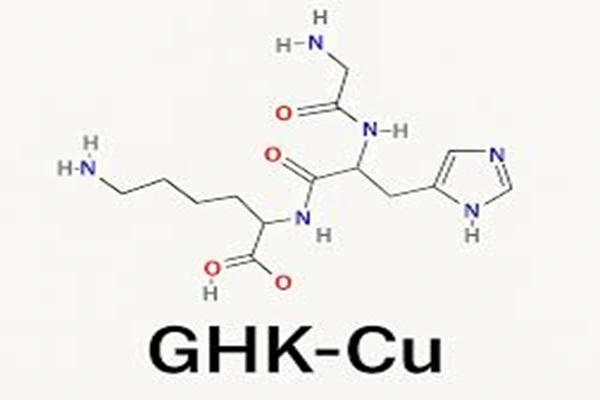
Molecular Structure—Trident and Metamorphosis
GHK is composed of three amino acids: glycine, histidine, and lysine. Sequence-wise, this appears to be a random combination, but in terms of electron configuration, it's practically a designed "chelation trap." Glycine provides a flexible amino terminus, the imidazole side chain of histidine is the key player in this chelation reaction, possessing extremely high electron cloud density and a strong affinity for copper ions, while the amino side chain of lysine plays a stabilizing role and may participate in subsequent cell recognition.
Research data shows that GHK-Cu has a very high stability constant, meaning it can compete with albumin for copper ions in the blood, effectively binding copper and precisely releasing it upon reaching cells. This stability is its core advantage as a drug raw material; it avoids the random disposal of copper during circulation, preventing oxidative stress damage.
GHK-Cu also has an interesting "dual personality." In the solid state, it tends to form a dimer structure, with two GHK molecules sandwiching a copper ion or interconnected. However, once dissolved in physiological solutions, it immediately transforms into a monomeric structure, exposing specific active surfaces to bind to receptors or transport proteins on cell membranes.
During raw material development, two types of impurities require close attention: first, unchelated free GHK tripeptides, whose bioactivity differs significantly from GHK-Cu, and whose content must be controlled to ≤1.0% using HPLC; second, impurities such as excessive or incompletely coordinated copper ions, which can lead to uneven coloring of the raw material and cause skin irritation, and whose copper ion content must be controlled within the range of 20.0% ± 1.0% using atomic absorption spectrometry. Furthermore, in industrial production, solid-phase synthesis is often used to prepare GHK tripeptides, followed by a chelation reaction with copper sulfate solution. Crystallization is then used to replace traditional freeze-drying to obtain non-hygroscopic, high-purity GHK-Cu powder, significantly improving raw material stability and production efficiency.
Applications across all scenarios, from wound healing to anti-aging and repair.
In the field of wound repair, GHK-Cu is one of the most promising bioactive peptides in clinical research, demonstrating clear therapeutic value, especially for refractory problems such as diabetic foot ulcers, post-radiotherapy skin damage, and chronic, non-healing wounds.
- Treatment of Diabetic Foot Ulcers: A multicenter, randomized, double-blind, placebo-controlled clinical trial showed that in 42 patients with diabetic neuropathy foot ulcers, topical application of GHK-Cu-containing gel once daily for 12 weeks, in addition to standardized debridement and decompression care, resulted in an ulcer closure rate of 98.5%, significantly higher than the 60.8% in the placebo group. The ulcer healing speed was three times that of the control group, and the scar formation rate was reduced by 42%. This study confirms that GHK-Cu can reshape the wound tissue microenvironment by promoting fibroblast proliferation, accelerating angiogenesis, and improving the wound tissue microenvironment.
- Post-Radiotherapy Skin Damage Repair: Radiation-induced skin erythema, ulceration, and fibrosis are common complications of cancer treatment. In vitro experiments showed that GHK-Cu significantly reduced radiotherapy-induced reactive oxygen species levels, decreased keratinocyte apoptosis, and upregulated the expression of tight junction proteins and filaggrin, thus repairing the skin barrier. Animal experiments showed that topical application of GHK-Cu cream shortened the healing time of post-radiotherapy skin ulcers by 35% and reduced the degree of skin fibrosis by 50%.
- Wound repair mechanism: GHK-Cu accelerates healing through a dual pathway: firstly, it promotes cell migration, inducing fibroblasts and keratinocytes to migrate towards the wound center, accelerating epithelialization; secondly, it regulates the balance between matrix metalloproteinases and tissue inhibitors, clearing damaged tissue while promoting the orderly arrangement of collagen fibers and preventing scar hyperplasia.
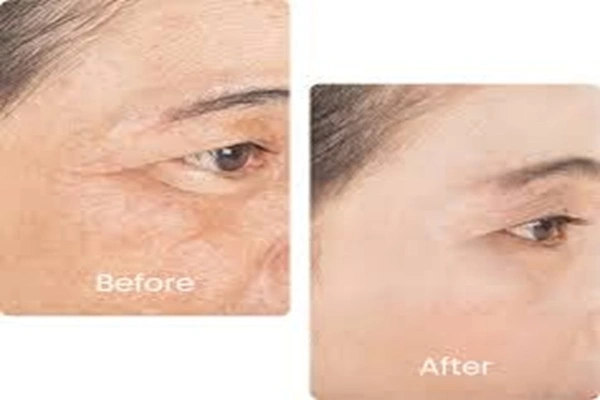
In the skincare industry, GHK-Cu is a representative of "dual-effect anti-aging and repair ingredients," widely used in serums, creams, and eye creams. Its core efficacy and clinical data are as follows:
- Anti-aging and Firming: Multiple human clinical trials have confirmed that continuous use of skincare products containing GHK-Cu can significantly improve signs of skin aging. A 12-week clinical trial involving 71 women with photoaging showed that daily application of a cream containing 0.01% GHK-Cu increased skin density by 28%, improved sagging by 35%, and reduced the number of fine lines by 32%. In another 8-week double-blind trial, 40 women aged 40–65 using GHK-Cu serum encapsulated in nanoliposomes showed a 55.8% reduction in wrinkle volume and a 32.8% reduction in wrinkle depth, significantly better than the Matrixyl3000 control group. Its core anti-aging principle lies in its bidirectional regulation of collagen metabolism: stimulating the synthesis of type I and III collagen and elastin (increasing by 40%–60%), while simultaneously inhibiting the degradation of collagen by MMP-1 and MMP-3, thus improving dermal thickness and elasticity from both the "synthesis + protection" ends.
- Barrier repair and sensitive skin soothing: For sensitive skin and skin with a damaged barrier, GHK-Cu strengthens the "brick wall structure" by upregulating the expression of key proteins in the stratum corneum, reducing transepidermal water loss. Experimental data shows that after 48 hours of use, a formula containing 0.03% GHK-Cu reduced TEWL by 58%, reduced skin redness by 60%, and significantly alleviated UV-induced erythema. Furthermore, it can reduce pro-inflammatory factor levels, with an anti-inflammatory efficiency of 62%, making it suitable for post-operative repair and seasonal sensitivity.
- Other benefits: GHK-Cu can also promote the activity of hair follicle papilla cells, prolong the hair growth phase, and increase hair density by 33% after 16 weeks of continuous use. It can be used in anti-hair loss and hair growth products. At the same time, it can inhibit tyrosinase activity, which can reduce melanin deposition and improve dull skin tone and acne scars.
In addition to the core areas mentioned above, research on GHK-Cu in chronic inflammatory diseases and neuroprotection is also progressing:
Chronic Inflammation Intervention: In inflammatory diseases such as rheumatoid arthritis and chronic obstructive pulmonary disease (COPD), GHK-Cu can reduce the levels of inflammatory factors and decrease tissue oxidative damage by inhibiting the NF-κB signaling pathway. Animal experiments show that GHK-Cu can reduce lung inflammatory infiltration by 45% and improve lung function indicators by 30% in COPD model mice.
Neuroprotection and Repair: GHK-Cu can promote nerve axon growth and upregulate nerve growth factor expression, showing potential therapeutic value for neurodegenerative diseases such as spinal cord injury and Parkinson's disease. In vitro experiments show that GHK-Cu can increase the length of nerve cell axons by 50% and reduce the apoptosis rate by 35%.
Multi-pathway regulation "regenerated signal commander"
As a signal peptide, GHK-Cu specifically binds to integrin receptors on the surface of skin fibroblasts and keratinocytes, initiating downstream signaling pathways and directly regulating cell proliferation, migration, and matrix synthesis.
Core Pathway: The TGF-β/Smad signaling pathway is a key pathway for GHK-Cu to regulate collagen synthesis. After binding to its receptor, GHK-Cu activates Smad2/3 protein phosphorylation and translocation to the nucleus, upregulating the transcription of COL1A1, COL3A1, and ELN, promoting collagen and elastin synthesis. Simultaneously, it upregulates TIMP-1 expression and inhibits MMP-1 and MMP-3 activity, reducing collagen degradation and forming a positive feedback loop of "promoting synthesis + inhibiting degradation."
Cell Migration and Angiogenesis: GHK-Cu activates the PI3K/Akt signaling pathway, promoting the migration of fibroblasts and keratinocytes to the wound surface and accelerating epithelialization. Simultaneously, it upregulates the expression of vascular endothelial growth factor and basic fibroblast growth factor, inducing angiogenesis, improving wound blood supply, and providing nutrients and oxygen for tissue regeneration.
Copper ions are an essential trace element for the human body, participating in the activity regulation of more than 30 key enzymes. However, free copper ions easily induce oxidative stress and cannot be safely utilized by cells. GHK-Cu achieves precise delivery and functional activation of copper ions through a "peptide chain chelation + controlled release" mode.
Lysyl Oxidase Activation: LOX is a core enzyme for the cross-linking of collagen and elastin, and copper ions are an essential cofactor. After GHK-Cu delivers copper ions into cells, the released Cu²⁺ activates LOX, promoting the cross-linking of collagen and elastin fibers, enhancing the structural stability of the dermis, and making the skin more elastic and resilient. In vitro experiments showed that GHK-Cu treatment increased LOX activity in fibroblasts by 50% and collagen fiber cross-linking density by 40%.
Antioxidant Enzyme Activation: GHK-Cu can activate superoxide dismutase and glutathione peroxidase, enhancing the skin's endogenous antioxidant capacity. Its ORAC antioxidant value can reach 8000 μmol TE/g, approximately three times that of vitamin C, effectively scavenging superoxide anions, hydroxyl radicals, and other ROS, reducing photoaging and oxidative damage.
Energy Metabolism Optimization: Copper ions activate cytochrome c oxidase, increasing ATP synthesis efficiency, providing sufficient energy for cell proliferation and migration, and delaying cell aging.
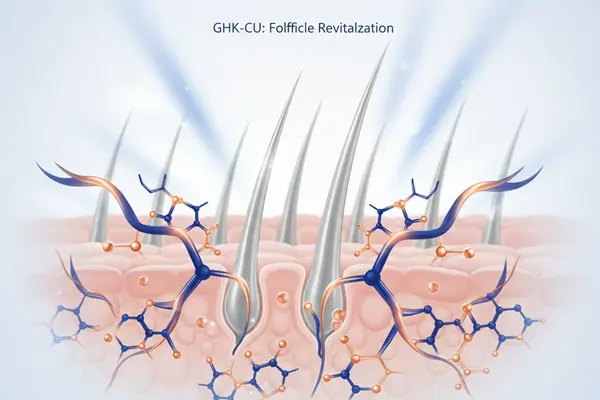
GHK-Cu can influence the expression of at least 4000 human genes through epigenetic regulation, essentially "resetting" the cells to a healthy state—a core characteristic that distinguishes it from ordinary active ingredients.
Upregulation of Regeneration Genes: Including collagen synthesis genes, cell proliferation genes, angiogenesis genes, and barrier repair genes, comprehensively strengthening the skin's regenerative capacity. Downregulation of harmful genes: Inhibiting pro-inflammatory genes, matrix degradation genes, and aging-related genes reduces inflammatory damage and collagen loss, thus delaying skin aging.
Gene regulation mechanism: GHK-Cu can inhibit histone deacetylase activity, alter chromatin structure, and enhance the transcription efficiency of regeneration-related genes; it also downregulates aging-related microRNAs such as miR-155, extending cell lifespan.
GHK-Cu's latest research direction: cutting-edge breakthroughs from basic innovation to clinical translation.
One of the latest research hotspots is the application of GHK-Cu in fascial regeneration. The LNP-ATOX1/GHK-Cu system developed by Wang et al. aims to address the problem of poor healing after fascial injury. By simultaneously supplementing GHK-Cu and ATOX1, this system significantly promoted collagen arrangement and angiogenesis. This has disruptive implications for the treatment of chronic tendinopathy and fascial defects.
As mentioned earlier, the success of GHK-Cu in a colitis model indicates its potential as an oral or rectal administration of a biological agent. Current UC treatments are either burdened by significant side effects or are prohibitively expensive. GHK-Cu, as a natural peptide, boasts high safety and the ability to repair the intestinal epithelial barrier, a mechanical advantage not possessed by many existing drugs.
Hydrogel dressings: Researchers have embedded GHK-Cu in photocrosslinked hyaluronic acid hydrogels for use intractable wounds such as diabetic foot. This dressing not only provides sustained release of copper peptides but also offers a moist healing environment.
Bone Repair Scaffold: GHK-Cu@CMHA gel has been shown to possess anti-inflammatory and antioxidant properties. As an injectable soft tissue filler, it not only physically fills wrinkles but also biologically improves skin texture and combats free radicals.
Despite its powerful efficacy, poor transdermal penetration remains GHK-Cu's Achilles' heel. Future research will focus not on "efficacy" but on "how to penetrate."
- Physical Methods: Microneedle pretreatment.
- Nanocarriers: In addition to liposomes, solid lipid nanoparticles and nanostructured lipid carriers are being validated.
- Cell-Penetrating Peptides: Coupling GHK-Cu with penetrating peptides forcibly drags it through the stratum corneum.
Conclusion
GHK-Cu is an underrated molecule. In the beauty and skincare industry, it's a star in anti-aging; in the pharmaceutical industry, it's a bioactive ingredient with four roles: copper ion supplement, collagen synthesis promoter, SIRT1 agonist, and anti-inflammatory agent.
Structurally, it utilizes precise coordination chemistry to tame reactive copper ions; in application, its reach extends from the skin to the gut and bones; mechanistically, it precisely regulates cell fate through pathways such as SIRT1/STAT3. In the future, GHK-Cu will no longer simply appear on ingredient lists, but as a "drug," precisely targeting deep tissues through liposomes, microneedles, and even gene therapy to address a range of complex health issues from aging to chronic inflammation.
Xi'an Faithful BioTech Co., Ltd. combines advanced production technology with a comprehensive quality assurance system to provide high-quality GHK-Cu Powder that meets international pharmaceutical standards. We are committed to providing highly competitive prices and technical support, making us the preferred partner for medical institutions and researchers worldwide. Please contact our technical team (allen@faithfulbio.com) to learn how our products can improve your formulations.
Below is a list of key scientific literature I referenced and relied upon in writing this article. These publications provide reliable scientific evidence for the efficacy and mechanisms mentioned in this article.
- Hureau, C., Eury, H., Guillot, R., Bijani, C., Sayen, S., Solari, P. L., Guillon, E., Faller, P., & Dorlet, P. (2011). X-ray and solution structures of Cu(II) GHK and Cu(II) DAHK complexes: influence on their redox properties. Chemistry, 17(36), 10151–10160.
- Mortazavi, S. M., & Moghimi, H. R. (2024). Topically applied GHK as an anti-wrinkle peptide: Advantages, problems and prospective. Bioimpacts, 15, 30071.
- (Corresponding Author Unknown). (2025). Exploring the beneficial effects of GHK-Cu on an experimental model of colitis and the underlying mechanisms. Frontiers in Pharmacology, 16, 1551843.
- Qiu, T., Wang, X., Hu, D., Zhang, X., Gong, S., Ma, W., Cheng, B., Yang, J., Yan, L., & Li, B. (2025). An injectable hydroxyapatite microsphere filler loaded with GHK-Cu tripeptide for anti-Inflammatory and antioxidant. Colloids and Surfaces. B, Biointerfaces, 252, 114521.
- Wang, R., Xu, Y., Saiding, Q., Ling, S., Yu, J., Zhuang, Y., Cui, W., & Chen, X. (2026). Golgi-targeted copper delivery strategy via enhancing copper-dependent proteins‘ activity for fascia regeneration. Journal of Controlled Release, 390, 114521.
- Hudson Biotech. (2026). Topical GHK-Cu Gel for Acute Skin Wound Healing (CuHeal).NCT07437586.
- Greco, V., et al. (2025). Copper Complexes with New Glycyl-l-histidyl-l-lysine-Hyaluronan Conjugates Show Antioxidant Properties and Osteogenic and Angiogenic Synergistic Effects. Bioconjugate Chemistry, 36(4), 662–675.